



You treated your yard, followed the directions, and mosquitoes are still biting. If you are asking, “why do I still have mosquitoes after spraying?”, the answer often comes down to where mosquitoes are breeding, resting, or entering your property.
Louisiana’s heat, humidity, frequent rainfall, drainage ditches, and nearby bayous give mosquitoes plenty of places to stay active. Even after a treatment reduces the mosquitoes in your yard, standing water, shaded vegetation, or mosquitoes moving in from nearby areas can keep the problem going.
Below are five common reasons you may still have mosquitoes after spraying and what you can do about each one.
Key Takeaways
- Standing water can keep producing new mosquitoes after the mosquitoes already flying around your yard have been reduced.
- Mosquitoes can survive when treatment misses shaded resting areas such as thick shrubs, spaces under decks, and areas behind sheds.
- Mosquitoes from neighboring yards, wooded lots, ditches, and other nearby areas can move back onto your property.
- Louisiana rain, heat, and humidity can create new breeding conditions quickly, so ongoing prevention matters along with treatment.
1. Standing Water Keeps Breeding Mosquito Larvae
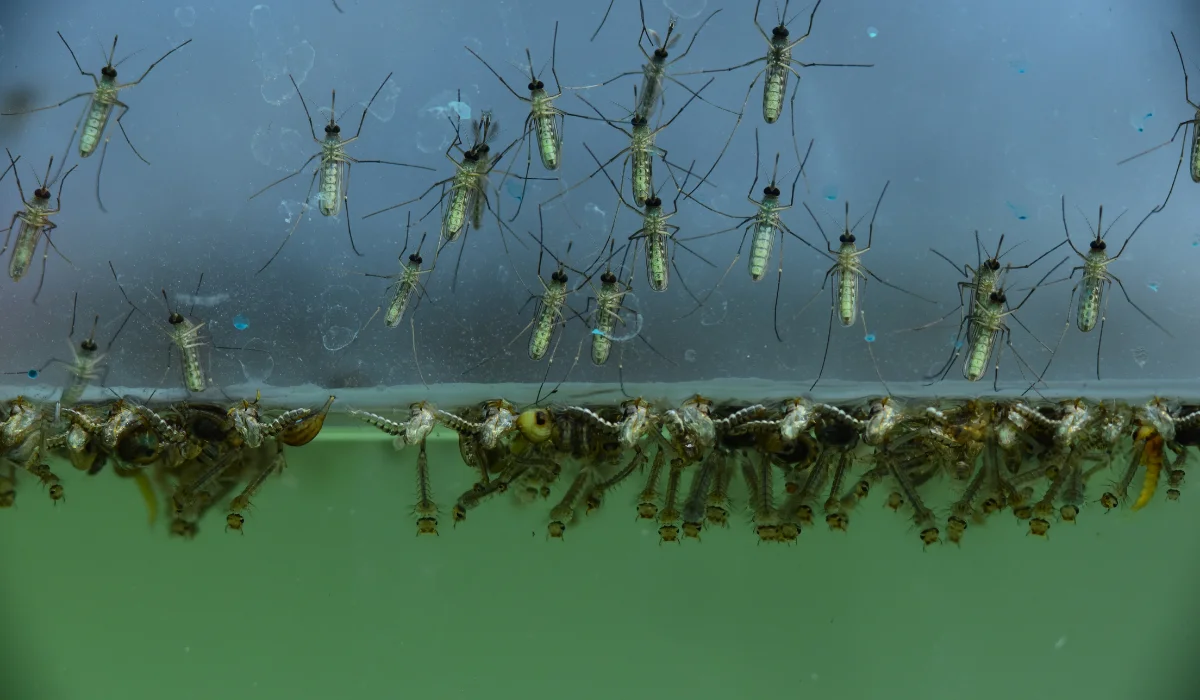
Most homeowners focus on the mosquitoes flying around the yard, but the source is often water nearby. Mosquitoes can lay eggs in gutters, birdbaths, flowerpot saucers, children’s toys, tarps, drainage areas, and even small amounts of water around outdoor equipment. Homes near bayous, canals, roadside ditches, and poorly draining sections of the yard may also have mosquito habitat close by even when the lawn itself looks dry.
During mosquito visits, LaJaunie’s technicians check for conditions around the property that can contribute to mosquito activity and point those areas out to homeowners. That may include water collecting in gutters, containers, or low areas that are easy to overlook after a storm.
Louisiana is also home to species such as the Asian tiger mosquito, which often uses small water-filled containers, and the southern house mosquito, which is commonly associated with stagnant water. Empty containers regularly, clear clogged gutters, refresh birdbath water, and correct areas that stay wet after rain when possible.
What You Can Do:
Empty outdoor containers at least once a week, clear clogged gutters, refresh water in birdbaths and pet bowls, and check low areas after heavy rain. The Environmental Protection Agency (EPA) recommends removing standing water around the home as one of the main ways to reduce mosquito breeding. It helps interrupt the breeding cycle instead of only dealing with mosquitoes after they begin flying.
That matters even more in Louisiana. Heavy rainfall can refill containers and low spots shortly after you empty them, while high humidity helps shaded areas stay damp.
You can also use solutions that are safe for pollinators and approved by the EPA to kill mosquito larvae before they hatch.
2. The Mosquito Spraying Missed Key Areas
A good mosquito control program uses targeted application methods, such as backpack equipment, to reach the areas where mosquitoes rest. If treatment does not reach dense shrubs, spaces under decks, areas behind sheds, or other cool and shaded locations, some mosquitoes can remain. That might be why you’re still getting mosquito bites.
LaJaunie’s technicians focus on shaded, humid parts of the yard where mosquitoes tend to rest during the day. If you notice most of the activity around one section of your property after spraying, that area may need closer inspection.
3. New Mosquitoes Are Flying In
Mosquitoes don’t stay put. Even if you’ve done everything right, mosquitoes from neighboring properties, wooded lots, or ditches can quickly move into your treated yard.
Just one untreated yard can reintroduce mosquitoes to everyone nearby. Mosquito control works best when neighbors work together.
Mosquitoes can also carry illnesses such as West Nile virus. The CDC tracks West Nile virus activity and recommends reducing mosquito exposure and breeding areas around the home.
4. The Treatment Didn’t Address All Life Stages
Mosquitoes develop through several stages before becoming flying adults. A treatment focused only on the mosquitoes you see can reduce current activity while leaving eggs and immature mosquitoes developing in standing water. New mosquitoes may then appear after the initial population drops.
That is why mosquito control works best when it addresses both adult activity and breeding areas. LaJaunie’s mosquito program combines monthly yard treatments with the In2Care system, which is designed to interrupt mosquito breeding over time.
5. Weather and Timing Impact Effectiveness
Louisiana weather can help explain why you still have mosquitoes after spraying. Heavy rain can create new standing water, while warm temperatures and high humidity support mosquito activity through much of the year.
Wind during application can also make it harder to reach sheltered areas evenly. Rain does not mean every treatment stops working, but repeated storms can create fresh breeding sites throughout your yard and the surrounding neighborhood.
Regular mosquito service can help during periods of high mosquito pressure because it pairs treatment with continued attention to breeding and resting areas.
How LaJaunie’s Tackles Mosquitoes After Spraying
If you continue seeing mosquitoes after spraying, the next step is figuring out where the activity is coming from. LaJaunie’s technicians inspect the property for standing water, shaded resting areas, and other conditions that can support mosquito activity.
Our mosquito program includes monthly yard treatments and the In2Care system for ongoing population control. Technicians also point out property conditions you can correct, such as standing water or areas that stay damp after rainfall. They identify and communicate conditions around the yard that may contribute to mosquito activity.
Why You Still Have Mosquitoes After Spraying: Bottom Line
If you are still asking why do I still have mosquitoes after spraying, look beyond the treated lawn itself. Standing water, shaded resting spots, nearby untreated areas, the mosquito life cycle, and Louisiana weather can all keep mosquito activity going.
Removing water sources and checking problem areas can make a noticeable difference, but persistent activity may call for a closer inspection of the property. If mosquitoes continue returning, LaJaunie’s can help identify what is contributing to the problem and recommend the next step for your yard. Request mosquito service online.
Mosquitoes After Spraying in Louisiana: FAQs
Why do I still have mosquitoes after spraying my yard?
You may still have mosquitoes after spraying because standing water is producing new mosquitoes, treatment missed shaded resting areas, or mosquitoes are moving in from nearby properties. Louisiana rain and humidity can also create fresh breeding areas soon after your yard has been treated.
How long does mosquito spraying last?
Most treatments last around 21 to 30 days, depending on the weather and application method. Regular service is key to keeping mosquito populations low.
How long after spraying should I notice fewer mosquitoes?
You may notice reduced mosquito activity soon after treatment, but the timing depends on rainfall, nearby breeding areas, vegetation, and the number of mosquitoes around your property. If activity remains high, check for standing water and sheltered areas that may be supporting mosquitoes.
Do aerial spraying methods work better?
Aerial spraying can treat large areas quickly, but may not be as targeted as on-the-ground treatments. In areas with dense vegetation or high mosquito activity, combining both is most effective.
Does rain bring mosquitoes back after spraying?
Rain can increase mosquito activity by filling gutters, containers, ditches, low spots, and other places where mosquitoes can breed. A storm does not automatically undo treatment, but repeated rainfall can create new breeding sites and contribute to a faster return of mosquito activity.