



You hear scratching above the ceiling late at night, followed by slow, heavy footsteps moving across the attic. The next morning, you notice insulation shifted near the attic access or find droppings in a corner of the space. In many cases, an opossum in attic Slidell homeowners discover has entered through a damaged vent, roof gap, or another opening that provides shelter from the elements.
Opossums often seek out attics as safe places to rest, especially when outdoor conditions become less favorable. Knowing how to identify opossum activity, remove the animal safely, and prevent future entry can help protect your home from ongoing wildlife problems. In this guide, you’ll learn the signs of an attic opossum, common entry points, and practical steps for addressing the issue safely.
Key Takeaways
- Opossums can enter attics and spaces beneath houses through openings in roofs, soffits, and fascia, and a thorough inspection of entry points is the first step toward resolving the problem.
- Once inside, opossums may damage insulation and create unsanitary conditions that can require attic remediation, sanitization, and re-insulation.
- Removing attractants, sealing entry points with materials like cement, steel, or wire mesh, and professional trapping are core parts of a wildlife control plan.
- LaJaunie’s Pest Control offers wildlife removal services in Slidell backed by a 1-year warranty against the original animal, with inspections that typically take 1.5 to 2 hours.
Safe Removal Tips for an Opossum in Your Slidell Attic
Finding an opossum in your attic can be unsettling, but the safest approach is to focus on removal and prevention rather than trying to handle the animal yourself. Opossums may appear slow-moving, but they can become defensive when cornered and may be nesting in areas that are difficult to access safely. Taking the right steps early can help prevent additional damage and reduce the chances of the animal returning.
1. Avoid Direct Contact With the Animal
Opossums generally prefer to avoid people, but they may react defensively if they feel trapped. Attempting to catch, corner, or remove an opossum without proper equipment can increase the risk of injury to both you and the animal.
If you suspect an opossum is living in your attic, avoid entering confined areas where it may be hiding. Keep children and pets away from the space until the situation has been evaluated.
2. Confirm the Animal’s Presence Before Taking Action
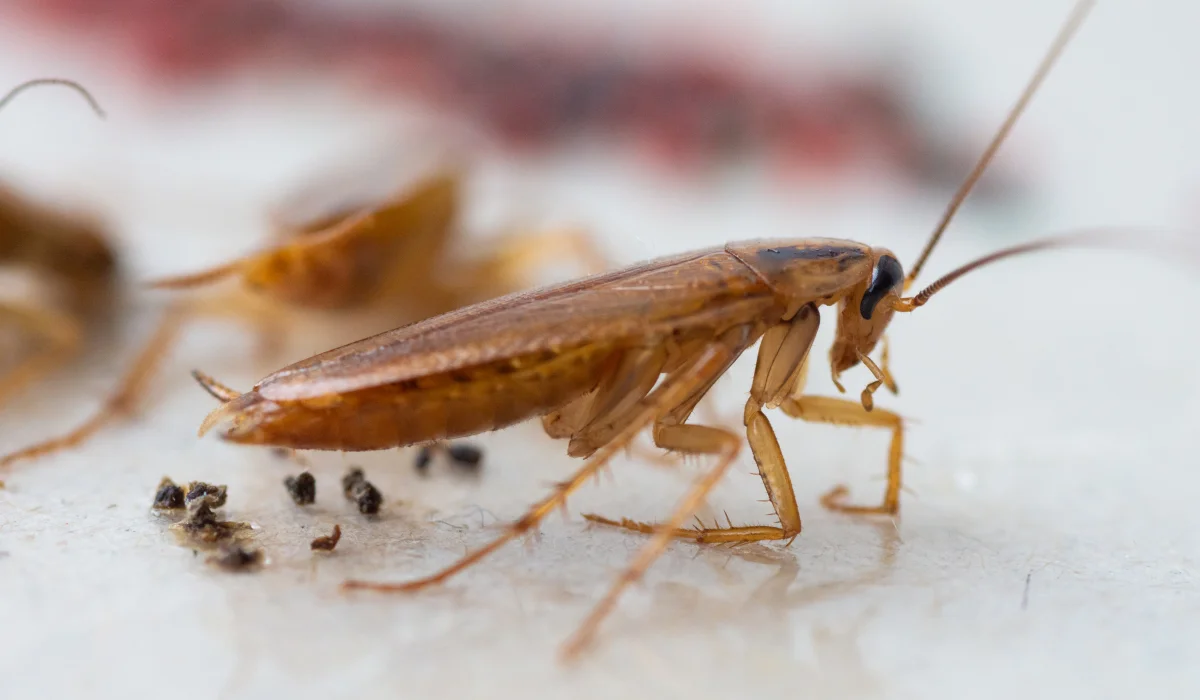
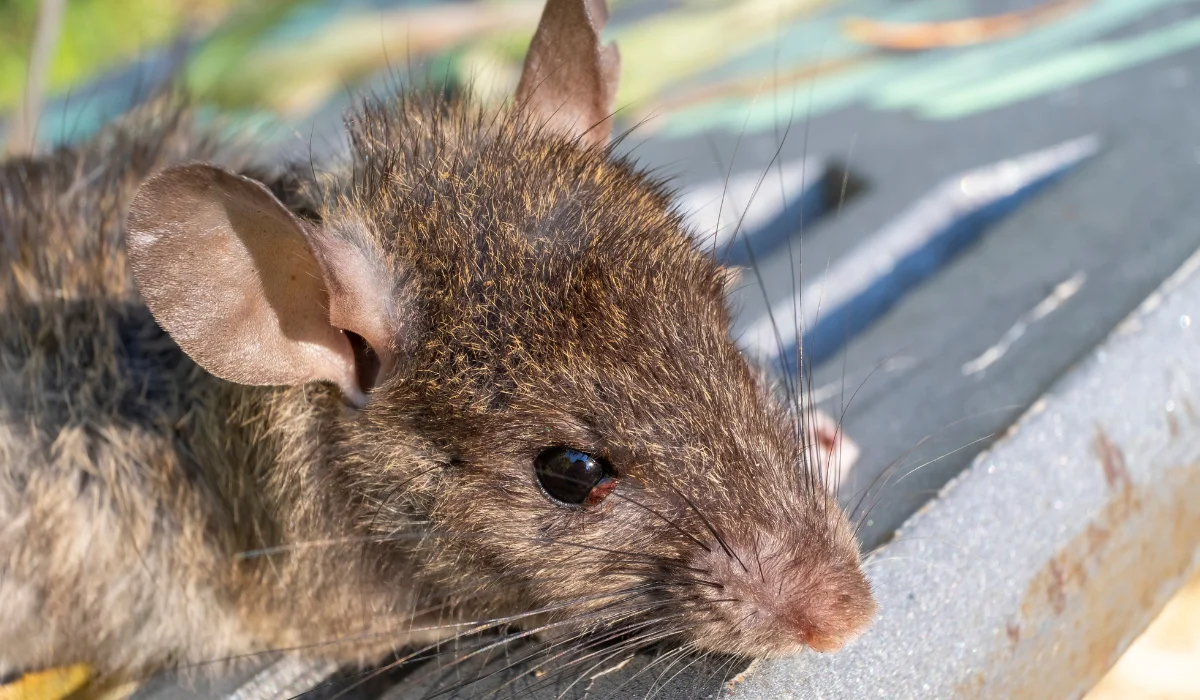
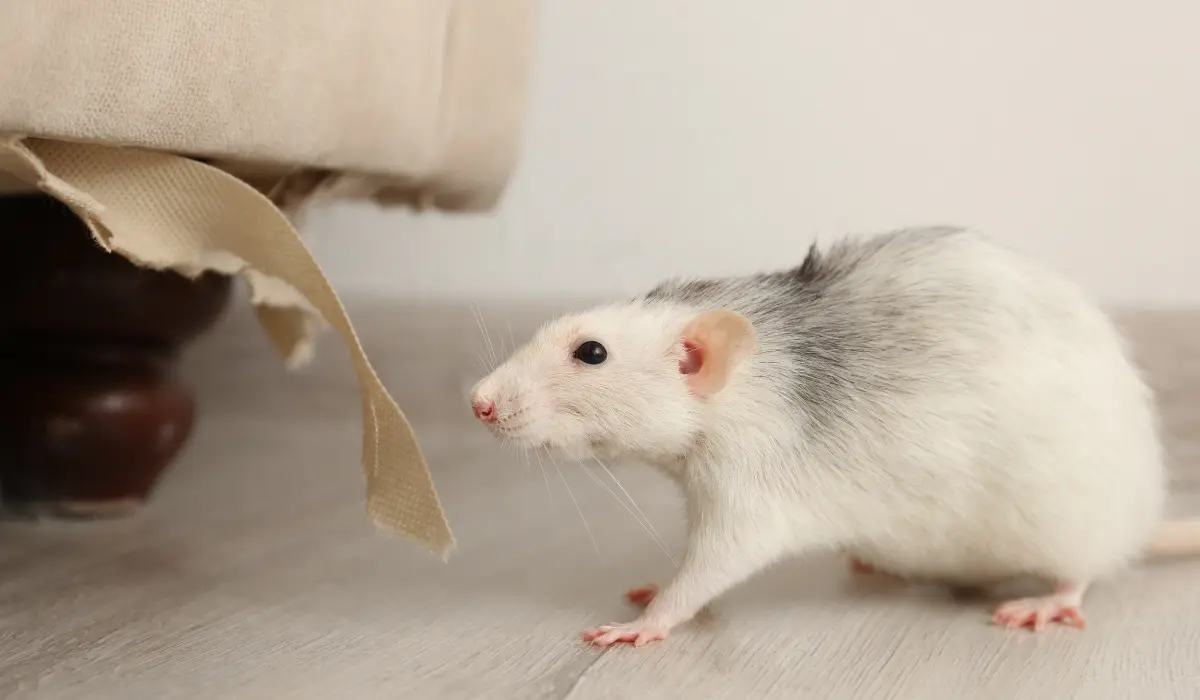
Sounds in the attic are not always caused by opossums. Squirrels, raccoons, rodents, and other wildlife can create similar noises overhead. Before any entry point is sealed, you need to confirm the animal has left the space.
Look for signs such as droppings, disturbed insulation, nesting materials, or visible damage around roof vents, soffits, and other potential entry points.
3. Remove Outdoor Attractants
Opossums are opportunistic feeders and often remain near properties that provide easy access to food and water. Pet food left outdoors overnight, overflowing garbage containers, fallen fruit, and other food sources can encourage repeat visits.
One of the simplest steps you can take is managing outdoor garbage. According to UF/IFAS Extension, garbage can raids may be prevented by using metal or tough plastic containers with tight-fitting lids. Reducing these attractants can make your property less appealing and help discourage wildlife activity around the home.
4. Seal Entry Points After the Opossum Is Gone
One of the most common mistakes homeowners make is sealing an opening before confirming the animal has left. Blocking an active entry point can trap wildlife inside the attic, creating additional problems.
Once the opossum has been removed, inspect the roofline, soffits, fascia, vents, and other vulnerable areas. Sealing damaged or accessible entry points can help prevent future wildlife intrusions.
5. Schedule Professional Wildlife Removal When Needed
Some situations require more than basic exclusion measures. If an opossum has established a nesting site, caused damage inside the attic, or continues returning after prevention efforts, professional wildlife removal may be the safest option.
A professional inspection can help identify entry points, assess attic conditions, and determine the most effective removal and exclusion strategy for your Slidell home.
How to Identify Opossums in Your Slidell Attic
If you hear scratching or thumping overhead in your Slidell home, an opossum may have moved in. Knowing what these animals look like, where they nest, and what signs they leave behind helps you confirm the problem before it grows.
How to Tell Opossum Species Apart in Slidell
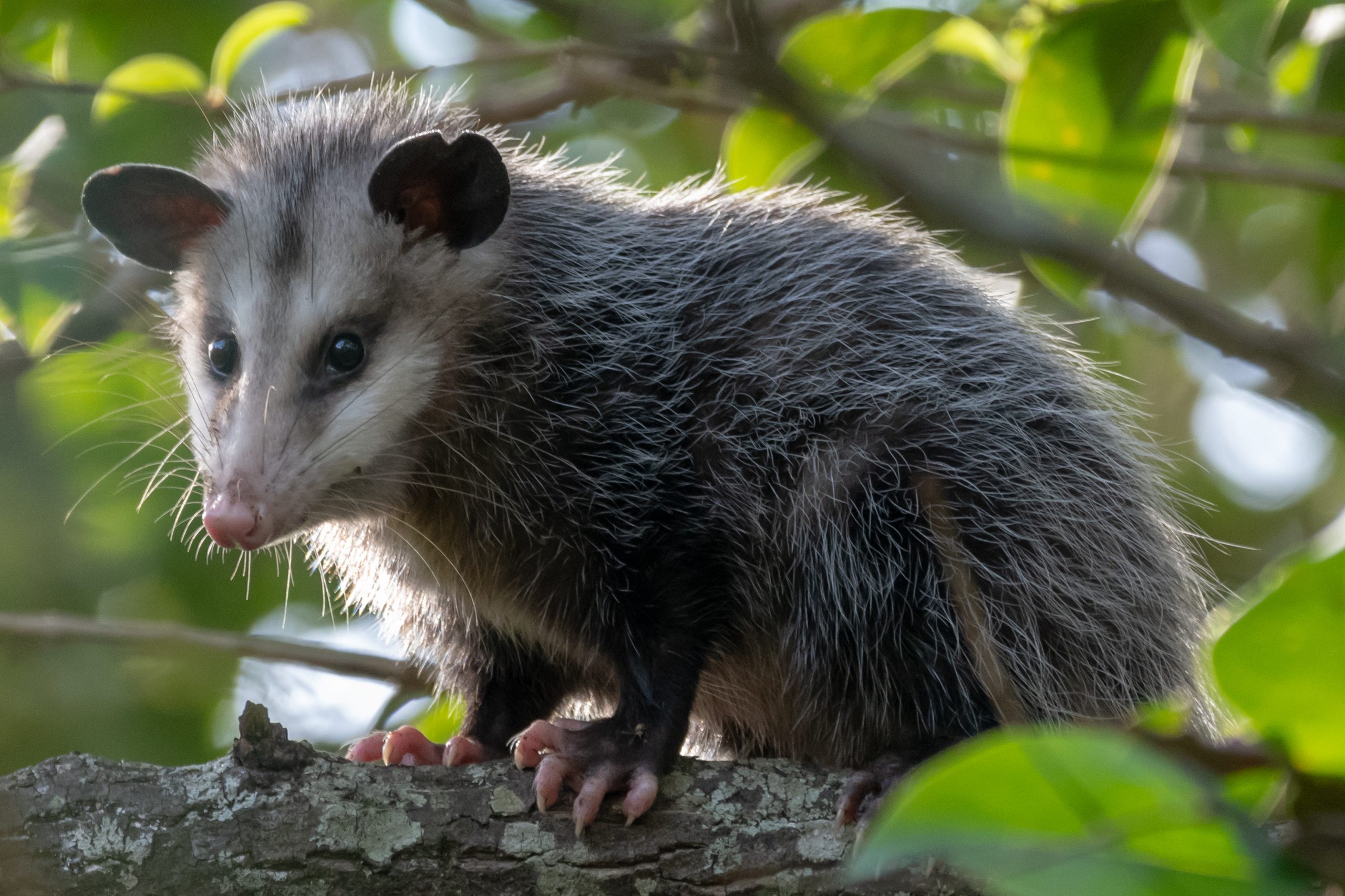
The Virginia opossum is the species most commonly found in Louisiana homes. It is roughly the size of a house cat and has a pointed snout, rounded ears, and a long, hairless tail. These features can help distinguish it from other wildlife that may enter attics, such as raccoons or squirrels.
How to Spot Opossum Activity Inside Your Slidell Attic
Opossums can nest in attics, walls, trees, and vine-covered structures, according to Texas A&M School IPM. Inside your attic, look for large droppings near the nesting area. Torn or flattened insulation is another indicator, because opossums compress it when creating a nest site.
Fleas are a secondary clue. Opossums are among the preferred hosts for adult fleas, along with dogs, cats, and foxes. If you notice a sudden flea problem indoors without an obvious source, an opossum nesting above could be the cause.
Where Opossum Activity Shows Up Around Slidell Homes
Beyond the attic itself, opossums may nest inside wall voids or beneath raised homes. Bird and wasp nests in the attic can also attract secondary pest activity once an opossum disturbs them. As Kansas State University Extension notes, infestations can occur in a wide range of locations, including nests in the attic. Unusual sounds overhead and secondary pest activity, such as fleas, are household signs that something may be living in the attic.
Exterior Entry Points Opossum Use Around Slidell Homes
Opossums typically access your attic through gaps at the roofline. During a wildlife inspection, LaJaunie’s technicians check the eaves, AC entry voids, soffit, fascia, roof vents, wire voids, and pipe voids for signs of forced entry or wear. Poorly sealed areas around the upper portion of the home are especially vulnerable.
Crawlspace openings under raised homes can also serve as initial entry points. LaJaunie’s team uses crawlbots for under-home inspection and drones for roof inspection to locate every potential access point without leaving gaps unchecked.
Why Opossum Problems Develop in the Attic
Opossums are opportunistic animals that have adapted well to urbanization. When your Slidell property offers easy access to food, water, and shelter, opossums can settle in and become a recurring nuisance. Understanding what draws them in helps you recognize early signs and reduce the conditions that invite them.
Outdoor Nesting Areas for Opossums Around Slidell Homes
Opossums often take advantage of sheltered areas around residential properties, getting beneath houses or into attics as substitutes for natural dens. Reducing food, water, and shelter for wildlife like opossums on your property can also help limit outdoor flea problems.
Food and Shelter That Attract Opossums
Opossums will eat a wide range of foods, including pet food, fallen fruit, insects, and scraps found around residential properties. Unsecured garbage cans and outdoor feeding stations can attract them to your yard. Removing food sources before nightfall can help make your property less appealing to wildlife.
Risks From Opossums in the Attic
An opossum nesting in your Slidell attic creates more than a noise problem. The risks range from secondary pests and diseases to contamination that can affect food-preparation areas in your home. Understanding what is at stake helps you decide how quickly to act.
Health Risks Linked to Opossums
Some pests can damage human and animal health, as the EPA notes, and an opossum living overhead can set off a chain of related problems.
Wild animals such as opossums nesting in the attic, fireplace, or crawlspace can bring fleas into a home, even when no pets are present.
Opossum feces left in the attic can attract house flies. Those flies can pick up disease agents while feeding on animal waste and then deposit them onto human foods in your kitchen.
Property Damage From Opossums in Your Attic
Insulation can be damaged by pests and rodents, leading to reduced performance and the need for full attic remediation. LaJaunie’s attic restoration process involves removing old, soiled insulation, sanitizing the entire attic, and installing new insulation at an R-30 value. That level of work reflects the kind of property impact that wildlife in the attic can create over time.
Food Areas and Opossum Activity in Slidell Homes
Flies drawn to animal waste in the attic can travel to kitchens and pantries below. According to UC IPM, house flies carry disease agents picked up from animal feces and kitchen waste and can deposit them onto human foods. An opossum above living spaces raises the chance that pests move between the attic and food-preparation areas.
When to Look Closer at Opossum Activity in Slidell
If you hear movement overhead, notice flea bites without owning pets, or see an increase in flies indoors, an opossum or other wildlife may be nesting in the attic. A thorough inspection of entry points, insulation condition, and evidence of animal activity can help confirm the source.
Professional Pest Control for Opossums in Slidell Attics
Slidell homeowners who suspect an opossum in the attic benefit from a structured approach that combines prevention, thorough inspection, and a customized control plan. Reducing what draws these animals to your property, confirming their presence before sealing entry points, and relying on trained service professionals can help you address the situation.
Why Opossum Control Starts With Inspection
Before any entry point is sealed, you need to confirm the animal has left the space. According to UF/IFAS Extension, a good method is to sprinkle baking flour near the entrance, then wait until an hour or so after dusk and check for tracks leading out. If tracks are present, the opening can be sealed off. Closing an entry point while an opossum is still inside creates bigger problems.
LaJaunie’s inspection process covers the full property. Technicians start in the yard, then check eaves, AC entry voids, and the visible upper portion of the home. Inside, they look behind appliances, in bathroom vanities, and in cabinets. In the attic, they check for light sources that reveal entry points, inspect insulation, and examine the chimney, soffit, fascia, roof voids, wire voids, and pipe voids. This process typically takes around 1.5 to 2 hours.
What to Expect During Professional Opossum Treatment
After the inspection, LaJaunie’s builds a customized plan based on what the technician finds. Options can include exclusion work, void closing, caulking, soffit or fascia replacement, and sealing roof vents without compromising airflow. Trapping may involve three consecutive days of visiting the property and rebaiting. Repellent barriers, crawlspace sealing, deceased animal removal, and sanitization are also available depending on the situation.
Exclusion materials used include cement, steel, and wire mesh. For hard-to-reach areas, crawlbots handle under-home inspection and drones assist with roof inspection, giving the team a complete view of potential entry points across the roofline and foundation.
What to Expect From an Opossum Control Plan
Every wildlife control job from LaJaunie’s comes with a 1-year warranty against the animal the work was originally set in place for. If attic insulation has been damaged, the team can perform attic abatement, including sanitization and new insulation installed at an R-30 value. T*A*P (Thermal, Acoustical, and Pest Control) insulation, which acts as a pest barrier, is another option available only from licensed pest management companies.
Opossum in Attic: Bottom Line
An opossum in your attic can bring unwanted issues, from insulation damage to secondary pest concerns like fleas. Prevention starts with limiting food sources around your property and securing potential entry points along your roofline, soffits, and eaves. When an opossum has already moved in, a thorough inspection and a customized removal plan are the best path forward.
If you suspect an opossum has moved into your attic, a professional inspection can help confirm the activity, identify entry points, and determine the safest removal approach for your home. LaJaunie’s Pest Control provides wildlife inspections and exclusion services throughout the Slidell area.
Frequently Asked Questions
How Do I Know If an Opossum Is in My Attic?
Listen for scratching or movement sounds after dark, since opossums are active at night. During a professional inspection, technicians look for entry points such as gaps in soffits, fascia, roof vents, and pipe or wire voids. They also check for disturbed or soiled insulation and other signs of animal activity throughout the attic space.
Can an Opossum in the Attic Lead to Other Pest Problems?
Wild animals nesting in attics or crawlspaces can introduce fleas into a home. Limiting food, water, and shelter for wildlife on your property helps reduce the chances of secondary pest issues developing.
What Does the Removal Process Involve?
A wildlife inspection covers the yard, slab or crawlspace, eaves, interior, and attic. Based on findings, a customized plan may include trapping over three consecutive days, exclusion with materials like cement, steel, or wire mesh, void closing, and repellent barriers. Wildlife jobs carry a one-year warranty against the original animal.
What Happens to the Attic After the Opossum Is Removed?
If insulation has been damaged, LaJaunie’s offers attic abatement. T*A*P insulation is also available as an added pest barrier. The full process usually takes about two days.