
You hear scratching above the ceiling early in the morning. A few days later, the noises become more frequent, and you may even hear soft chirping or crying sounds coming from the attic. In many Laplace homes, these sounds can mean a mother raccoon has chosen the attic as a nesting site for her young. If you’re dealing with raccoon kits in your attic, it’s important to act carefully. Removing the animals too quickly can separate the kits from their mother and create a bigger wildlife problem inside your home.
The safest response is to avoid disturbing the animals and have the situation inspected by a wildlife professional. In this guide, you’ll learn how to identify signs of raccoon kits in your attic, understand the risks of removing them yourself, and find out what steps can help protect your home and family in southeast Louisiana.
Key Takeaways
- Raccoons can settle into attics, and when a mother raccoon is present, kits may be nearby. Recognizing the signs early helps you plan next steps.
- Raccoons in an attic can cause property concerns, including damage to insulation, and may bring in secondary pests. A thorough inspection of entry points, soffits, and roof voids is an important first step.
- LaJaunie’s Pest Control offers wildlife removal services in the LaPlace area that include trapping, exclusion, and attic remediation, all backed by a one-year warranty for the original animal.
- Handling a raccoon family on your own can create complications. Professional wildlife control helps address the situation while accounting for both the mother and any kits.
What to Do If You Find Raccoon Kits in Your Attic
Finding raccoon kits in your attic can be stressful, but taking the right steps helps prevent additional damage and avoids separating the young from their mother. If you suspect raccoons are nesting in your attic, focus on safety and avoid actions that could make the situation worse.
Leave the Kits Alone
Mother raccoons often leave the attic temporarily to search for food and return later to care for their young. If you hear chirping sounds or discover a nest, do not touch or move the kits. What appears to be an abandoned nest may still be actively used by the mother.
Avoid Sealing Entry Points
It may be tempting to close off the opening immediately, but doing so can trap the kits inside. A mother raccoon that cannot reach her young may damage soffits, fascia boards, roof vents, or other parts of your home while trying to get back in.
Keep Pets and Family Members Away
Raccoons can become defensive when protecting their young. Limit access to the attic area and keep pets away from locations where raccoon activity has been detected until the situation has been evaluated.
Why You Should Never Separate Raccoon Kits From Their Mother
Raccoon kits depend on their mother for food, warmth, and protection. Young kits cannot survive on their own, and removing them without accounting for the mother often creates larger problems. In many cases, a mother raccoon will attempt to re-enter the home if her kits are trapped inside. A professional wildlife inspection helps determine whether the mother is still present and identifies the safest solution for removing the entire family.
When to Call a Wildlife Professional
Contact a wildlife professional if you hear ongoing scratching, chirping, or movement in the attic, or if you notice damaged soffits, fascia boards, roof vents, or other potential entry points. An inspection can confirm whether raccoon kits are present, locate access points, and help develop a plan for removal and exclusion before the damage becomes more extensive.
How to Tell if Raccoon Kits Are in Your Laplace Attic
If you hear scratching or chattering sounds coming from your attic in LaPlace, raccoon kits may be the source. Knowing what to look for and where to check can help you confirm the problem early and understand what you are dealing with before the next step.
What Raccoon Kits Look and Sound Like
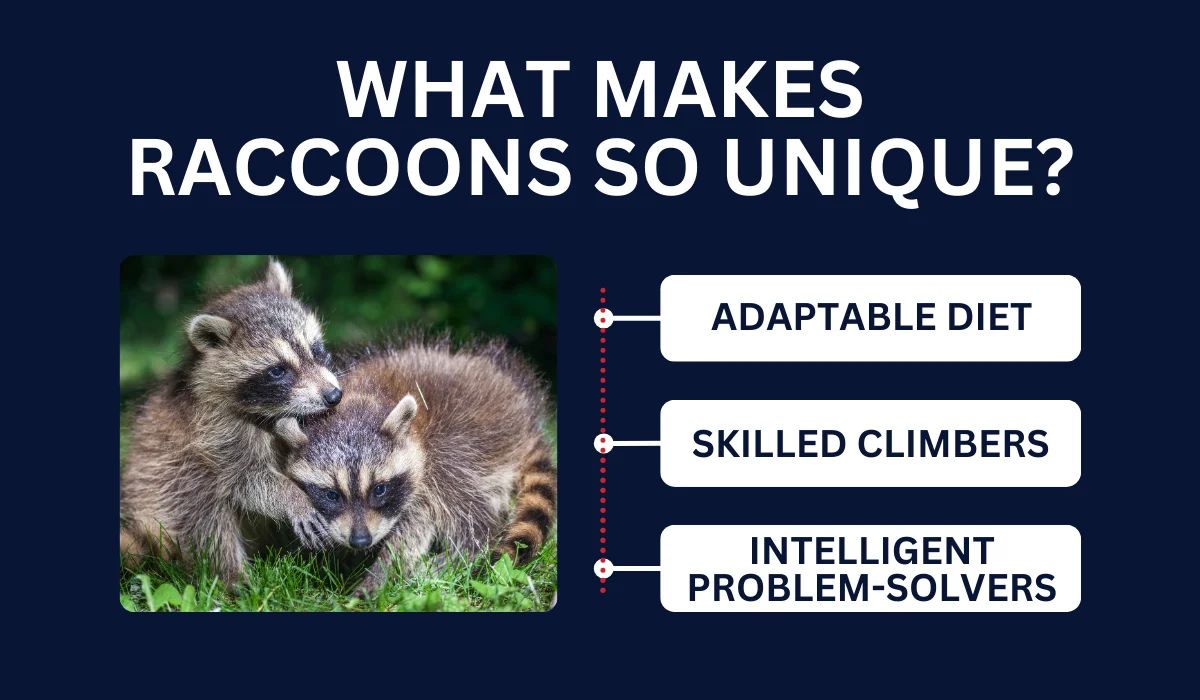
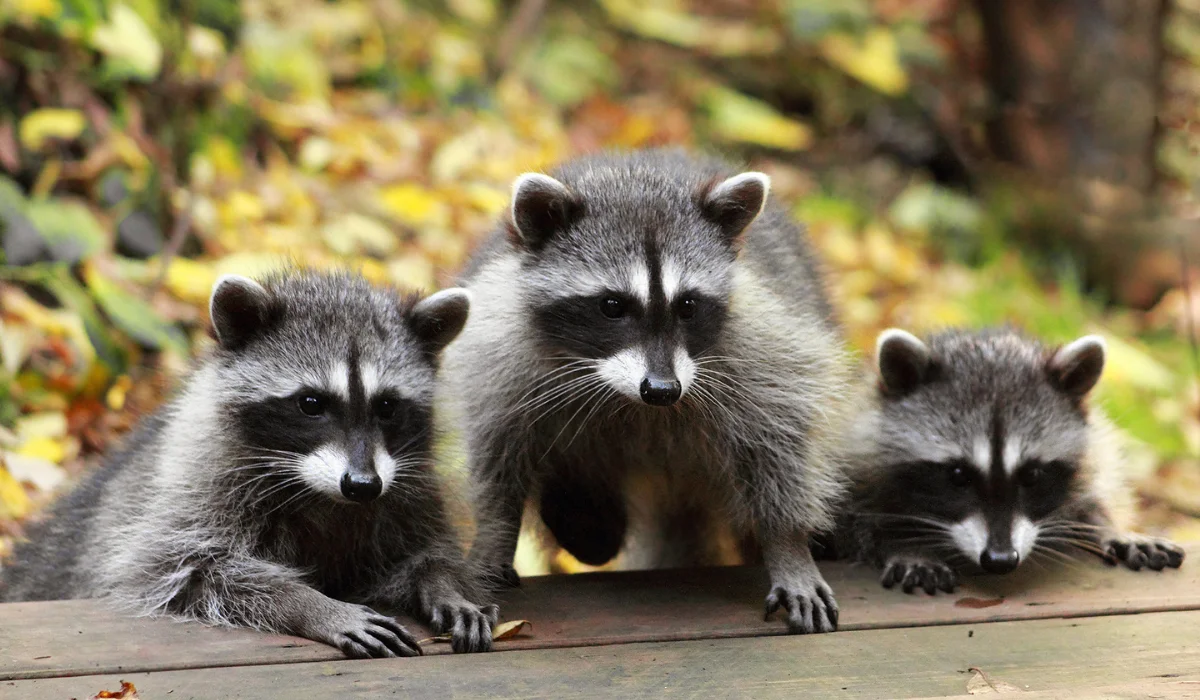
Raccoon kits are small, furry, and have the same distinctive dark face mask as adults, though it may appear less defined at first. Young raccoons tend to stay close together and can be vocal. These sounds are often the first clue that kits, not just an adult, are present in your attic space.
How to Spot Raccoon Kit Activity Inside Your Attic
Raccoons that settle into attics often nest in insulation and other secluded areas. You might notice staining on ceilings, an unpleasant odor, or disturbed insulation. Flattened or torn insulation is a common sign that animals have been nesting or traveling through the space repeatedly.
Why Raccoon Kit Problems Develop in Attics
LaPlace homeowners dealing with raccoon kits in the attic often wonder how the problem started in the first place. Raccoons are drawn to residential areas by accessible food and sheltered spaces. Understanding the conditions that invite them can help you recognize warning signs early.
Why Mother Raccoons Choose Attics
Raccoons often get beneath houses or into attics when they need a secure den site. According to UF/IFAS Extension, these animals make pests of themselves by getting into attics or beneath houses. Raised homes with crawlspaces and properties with unsealed eaves can provide the kind of sheltered voids a female raccoon looks for when raising kits.
In LaPlace, raised homes, mature trees, and sheltered rooflines can create attractive nesting locations for raccoons looking for a safe place to raise their young.
Food Sources That Attract Raccoons
Readily available food is one of the strongest draws. Pet food left out at night can attract raccoons, opossums, and feral cats. Unsecured garbage cans and home-grown fruits and vegetables also pull raccoons closer to the home. Once a food source becomes routine, a female raccoon may settle nearby and den in your attic to keep her kits close to that supply.
What Happens After Raccoons Settle in an Attic
Raccoon kits stay in the den area at first, but as they grow, they begin exploring. They can move through insulation, along rafters, and into connected voids within the attic. Nest areas that go unaddressed may lead to soiled insulation and accumulated debris over time.
How Raccoons Get Into Attics
Raccoons typically access attics through gaps along the roofline, including soffits, fascia boards, roof vents, and utility penetrations. In LaPlace, raised homes and aging exterior materials can create additional access points. Once a mother raccoon finds a safe, sheltered location, she may use the attic as a den to raise her kits.
Preventing future problems starts with identifying and sealing these openings. Addressing food sources around the property, such as unsecured garbage cans or pet food left outdoors overnight, can also make your home less attractive to raccoons.
Risks From Raccoon Kits in Your Attic
Raccoon kits nesting in your attic create more than noise overhead. Their presence can lead to sanitation concerns, damaged insulation, and secondary pest activity. Here is what LaPlace homeowners should watch for when raccoon kits settle in.
Health Risks Linked to Raccoon Kits
Raccoon kits and their mothers leave behind animal waste in attic spaces. Certain pests breed in animal wastes and decaying biological material, and according to UC IPM, they can pick up bacteria and viruses from those materials that may cause human disease. The longer waste accumulates, the more it attracts secondary pests into your living space.
Even if you do not have pets, raccoons nesting in the attic can introduce fleas into your home. According to the University of Minnesota Extension, wild animals such as raccoons, opossums, or squirrels nesting in the attic, fireplace, or crawlspace can bring fleas in. Kits confined to an attic for weeks give fleas plenty of time to establish themselves.
Property Damage From Raccoon Kits in Your Attic
Insulation is one of the first things to suffer. Animal waste and nesting activity can soil and compress attic insulation, reducing its performance.
Raccoons can also damage soffits, fascia boards, and other entry points as they move in and out of the attic.
Professional Wildlife Removal for Raccoon Kits in Laplace
Removing raccoon kits from an attic requires more than simply trapping the animals. The source of the infestation and the entry points also need to be addressed. A thorough inspection, targeted prevention, and professional treatment can help address the problem at its source.
How to Help Prevent Future Raccoon Problems
Keeping raccoons away from your attic starts with limiting access. Walk around the outside of your home and locate potential entry points, including cracks, crevices, and spaces around windows and doors. Inside, check around plumbing and utility penetrations. Seal any gaps you find with an appropriate sealant to reduce pathways raccoons and their kits may use to enter your home.
Pay attention to eaves, soffit, fascia, AC entry voids, and roof vents. LaJaunie’s Pest Control technicians use exclusion materials such as cement, steel, and wire mesh to close off these vulnerable spots. Sealing roof vents without compromising airflow is another step that can help keep wildlife out while maintaining proper attic ventilation.
Why Raccoon Control Starts With Inspection
Before any removal work begins, a detailed inspection helps confirm what you are dealing with. The technician starts in the yard, then checks exterior entry points across the roofline and utility penetrations for signs of access.
Inside the home, LaJaunie’s technicians check for evidence of intrusion in cabinets, behind appliances, bathroom vanities, and raised jet tubs. In the attic, the inspection covers insulation wear and tear, evidence of animal entry, the chimney, soffit, fascia, roof voids, wire voids, and pipe voids.
What to Expect During Professional Raccoon Treatment
LaJaunie’s builds a customized plan based on what the inspection reveals. Options can include humane and lethal trapping, with trapping typically involving three consecutive days of visiting the property and rebaiting. Repellent barriers may also be placed to discourage raccoons from returning.
Exclusion work is a core part of treatment. Technicians close voids with cement, steel, or wire mesh and may replace damaged soffit or fascia. If a deceased animal is found, removal and sanitization are included.
What to Expect From a Raccoon Control Plan
After raccoon kits and adults are removed, LaJaunie’s can address the damage left behind. Attic abatement involves removing old, soiled insulation, sanitizing the entire attic, and installing new cellulose or fiberglass insulation at an R-30 value. TAP (Thermal, Acoustical, Pest Control) insulation is also available, which acts as a pest barrier. The full process usually takes about two full days.
Wildlife jobs from LaJaunie’s come with a one-year warranty against the animal the exclusion was originally set in place for. This gives LaPlace homeowners added confidence that the work is backed by a defined commitment.
Raccoon Kits in Attic: Bottom Line
Raccoon kits in your attic create a situation that calls for prompt, careful attention. A mother raccoon and her young can cause insulation damage, leave behind waste, and create entry points that invite additional problems. Proper resolution involves a thorough inspection, humane removal, and exclusion work to seal the home against future intrusion. Contact LaJaunie’s Pest Control to request an inspection for your LaPlace home.
Frequently Asked Questions
How Do I Know if Raccoon Kits Are in My Attic?
You may hear scratching, chirping, or vocal sounds coming from the attic, especially at night. A technician can inspect entry points around eaves, soffits, fascia, roof vents, chimney areas, and utility penetrations, along with insulation condition and signs of animal activity.
How Long Does a Wildlife Inspection Take?
The technician checks the yard, exterior, interior spaces, and the full attic. A typical wildlife inspection takes about 1.5 to 2 hours, depending on the size of the property and the areas that need to be inspected.
What Happens After Raccoons Are Removed?
Once raccoons and kits are removed, the team seals entry points using materials like cement, steel, and wire mesh. If insulation is soiled or damaged, attic remediation involves removal, sanitization, and reinstallation of new insulation. This process usually takes about two full days.
Is There a Warranty on Raccoon Removal Work?
Yes. LaJaunie’s wildlife jobs include a one-year warranty against the animal the work was originally set in place for. The customized plan may include exclusion, void closing, soffit or fascia replacement, and repellent barriers to help keep raccoons from returning.