You start cleaning up your bird bath in the morning, thinking it’ll help get rid of the mosquitoes. Still, you end up getting bitten beside the patio that evening. The truth is different types of mosquitoes in Louisiana use different parts of your property during their life cycle, so removing one puddle doesn’t always solve the whole problem.
Some mosquito species develop in buckets, flowerpot saucers, tires, toys, and clogged gutters. Others can use water where leaves and other organic material have collected. After they become adults, many move away from their mosquito breeding sites and spend part of the day in shrubs, underneath decks, around sheds, or in other shaded areas.
That pattern matters in South Louisiana. Regular rain can refill overlooked containers, landscaping creates plenty of cover, and raised structures offer protected spaces close to patios and doors. Knowing where mosquitoes breed and where adult mosquitoes hide gives you a much better place to start.
Which Types of Mosquitoes in Louisiana Live Near Homes?
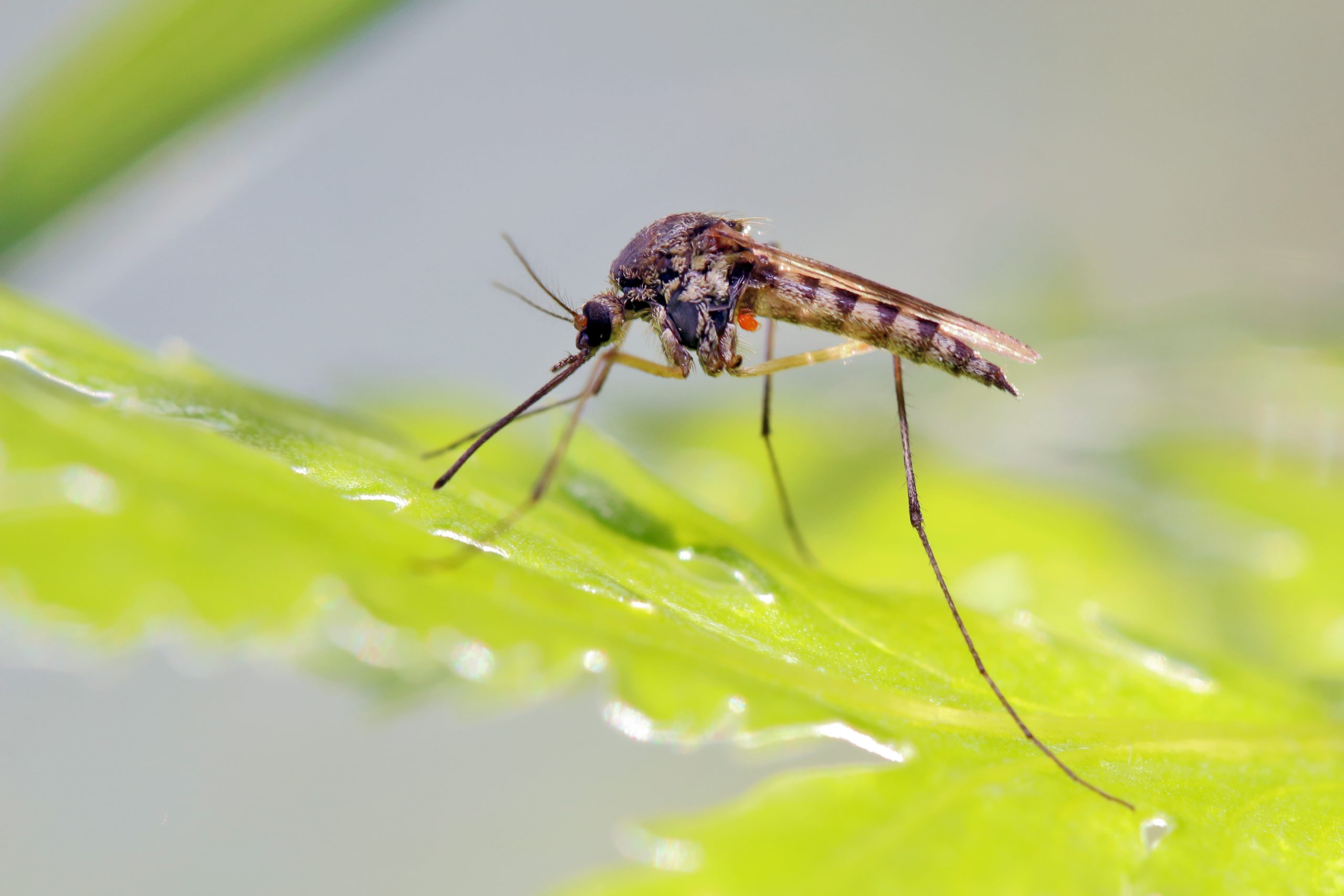
The types of mosquitoes in Louisiana that matter most around a home don’t all behave the same way. Instead of trying to identify every mosquito by sight, it is often more useful to look at when you are getting bitten and what kind of habitat surrounds that part of the yard.
According to the Centers for Disease Control and Prevention (CDC), more than 200 types of mosquitoes live in the continental United States and U.S. territories. About 12 are known to spread germs that can make people sick. Most mosquito encounters are simply irritating, but knowing the habits of common residential species can help you find mosquito hiding places before populations build around outdoor living areas.
| Mosquito Type | Where It Commonly Develops | Where Adults Often Rest | When You May Notice It |
| Asian tiger mosquito | Buckets, plant saucers, tires, toys, and tree holes | Shrubs, low plants, groundcover, and shaded vegetation | Often during daylight hours |
| Yellow fever mosquito | Small containers around homes and buildings | Protected, shaded areas close to structures | Often during the day |
| Southern house mosquito | Standing water containing leaves or other organic material | Sheltered vegetation and shaded areas around structures | Often from evening into nighttime |
Asian Tiger Mosquitoes
Asian tiger mosquitoes are well suited to residential yards because they can develop in small amounts of collected water. A toy truck behind the garage, a bucket beside a fence, or a saucer under a planter can become mosquito habitat after rain.
Adults often stay close to low, shaded vegetation. If you notice mosquito activity while gardening, sitting beside landscaping, or walking near thick shrubs during the day, check the surrounding plants as well as nearby containers.
Yellow Fever Mosquitoes
Yellow fever mosquitoes also live closely around people and commonly use human-made containers. That makes objects around the house more relevant than many homeowners expect when they think about where mosquitoes live.
Storage tubs, planters, outdoor decorations, and other items that repeatedly catch rain deserve a closer look. A container doesn’t have to sit in the middle of the yard to matter. Items tucked behind plants or beside a building can remain unnoticed for weeks.
Southern House Mosquitoes
Southern house mosquitoes can use standing water where leaves, decaying vegetation, or other organic material has accumulated. Slow drainage and neglected water sources can therefore become more important than a clean bucket of rainwater.
You may notice these mosquitoes more around evening and nighttime. If biting becomes worse around dusk, inspect areas where water, plant debris, and shade occur together.
Where Mosquitoes Breed Around South Louisiana Homes
Mosquito breeding doesn’t always happen in a pond, ditch, or obvious puddle. Many residential mosquito breeding sites are ordinary objects that happen to catch rain and hold it long enough for mosquito eggs and larvae to develop.
The Environmental Protection Agency’s mosquito control guidance recommends routinely emptying and cleaning objects that hold water around homes. That advice is especially relevant after South Louisiana storms because a container that was dry yesterday can become a new water source overnight.
| Area to Check | Why It Can Become a Breeding Site | What to Look For |
| Gutters | Leaves and debris slow drainage | Sections that still contain water after rain |
| Plant saucers | Water collects beneath pots | Saucers that stay wet between watering |
| Buckets and bins | Open tops catch rainfall | Containers stored upright outside |
| Children’s toys | Small cavities trap water | Ride-on toys, play tables, and toy trucks |
| Bird baths | Water remains between cleanings | Debris, algae, or water that has been sitting |
| Old tires | The inner cavity catches rain and stays shaded | Tires beside fences, sheds, or garages |
| Tarps and covers | Loose folds create small pools | Covers over grills, boats, and outdoor equipment |
| Tree holes | Natural cavities collect rainwater | Hollows in mature or damaged trees |
| Low areas of the yard | Poor drainage leaves water behind | Spots that remain wet after surrounding soil dries |
| Pet bowls | Water may remain outdoors for long periods | Dishes left outside between uses |
Don’t limit the inspection to places you use every day. Walk behind the shed, along the side of the garage, beside trash storage, and through the back edge of the property. Mosquito larvae can develop in areas you rarely notice because those sites remain undisturbed.
Check again after heavy rain. Mosquito prevention works better as a routine than as a one-time spring cleanup because weather keeps changing where water collects.
Where Adult Mosquitoes Hide During the Day
Removing breeding water is important, but adult mosquitoes may already be resting elsewhere in the yard. Many prefer sheltered spots where they are protected from direct sun, heat, and wind.
Those resting areas can put adult mosquitoes close to porches, back doors, outdoor kitchens, and seating areas even when the nearest breeding site is somewhere else.
Shrubs and Thick Landscaping
Dense shrubs, vines, groundcover, and the undersides of leaves can provide shade throughout the day. Landscaping along the foundation may be particularly noticeable because it puts mosquito hiding places within a few feet of doors and patios.
There is no need to remove healthy landscaping. Trim plants that become excessively dense, remove dead growth, and open up tightly packed areas where shade and moisture linger.
Decks, Patios, and Raised Homes
The space beneath a deck can remain shaded while the rest of the yard sits in full sun. Covered patios, outdoor stairs, crawl spaces, and raised sections of a home can offer similar protection.
Moisture makes these areas more worth checking. A dripping hose connection, poor drainage, or wet soil under stored equipment can create conditions that are more attractive to mosquitoes than shade alone.
Garages, Sheds, and Outdoor Storage
A garage or shed can give mosquitoes a dark place to rest when doors remain open. Boxes, equipment, shelving, and other stored objects also create protected corners that are easy to overlook.
Look outside the structure too. Buckets, flowerpots, tires, tarps, and equipment stored beside a shed can collect rain while the building provides shade nearby. One part of the property can therefore offer both breeding habitat and adult shelter.
Why South Louisiana Yards Can Support Mosquito Activity
Mosquito problems around Thibodaux, Houma, Baton Rouge, New Orleans, and nearby communities are rarely caused by one object. Several small conditions can overlap on the same property and keep mosquito activity close to the house.
Rain refills containers. Warm conditions support a long period of mosquito activity. Thick landscaping creates cover, while drainage ditches, raised houses, and outdoor storage add more places for water or shade to collect.
| South Louisiana Condition | How It Can Affect Mosquitoes |
| Frequent rainfall | Refills containers, gutters, tree holes, and low spots |
| Long warm periods | Allows mosquito activity through a large part of the year |
| Dense landscaping | Provides shaded places for adults to rest |
| Drainage ditches | Can keep water close to residential properties |
| Raised homes | Create sheltered areas beneath structures |
| Outdoor storage | Adds both water-holding objects and shaded spaces |
| Neighboring yards | May produce mosquitoes that later move onto your property |
| Covered patios | Give mosquitoes shelter close to people |
Your own yard is also only part of the picture. Mosquitoes can move in from neighboring properties, drainage areas, wooded edges, or other nearby habitat, so good mosquito prevention can’t guarantee that every adult mosquito stays away.
This is one reason it helps to inspect the property by area rather than searching for a single source. Check drainage, landscaping, storage, structures, and water-holding objects separately. Each can contribute in a different way.
How to Make Your Yard Less Attractive to Mosquitoes
Start with anything that catches rain. Empty unused containers, turn buckets over, clear gutters, tighten loose covers, and check children’s toys after storms. Clean bird baths regularly, and avoid leaving unnecessary containers where they can repeatedly fill with water.
Then inspect likely adult resting areas. Thin overgrown shrubs, remove dead vegetation, and look beneath decks, stairs, sheds, and raised sections of the house. Areas that stay shaded and damp deserve extra attention because they can provide comfortable shelter during hotter parts of the day.
Repeat the check after strong storms or periods of frequent rainfall. Yard conditions change quickly in South Louisiana, and a place that was dry last weekend may now hold water.
The goal isn’t to chase individual mosquitoes around the yard. Good mosquito control starts by reducing the places young mosquitoes can develop and making nearby resting areas less favorable to adults.
Getting Better Mosquito Control Around Your South Louisiana Home
Different types of mosquitoes in Louisiana can use very different parts of the same property. Some rely on small rain-filled containers, while others develop in water mixed with organic debris. Adult mosquitoes may then rest in shrubs, beneath decks, beside sheds, or in other protected areas before you ever notice them.
Home maintenance can remove many of those conditions, but recurring mosquito activity may involve several sources at once. Mosquitoes coming from nearby drainage, neighboring properties, or surrounding vegetation can also make a well-maintained yard uncomfortable, which is where a professional property inspection becomes useful.
LaJaunie’s Pest Control provides recurring mosquito service for South Louisiana homes. The program combines monthly yard treatment with the In2Care system, while technicians identify property conditions that may support mosquito activity. If mosquitoes keep interfering with time on your patio or in your yard, contact LaJaunie’s Pest Control to schedule mosquito service and have the property checked for the places helping them stay nearby.