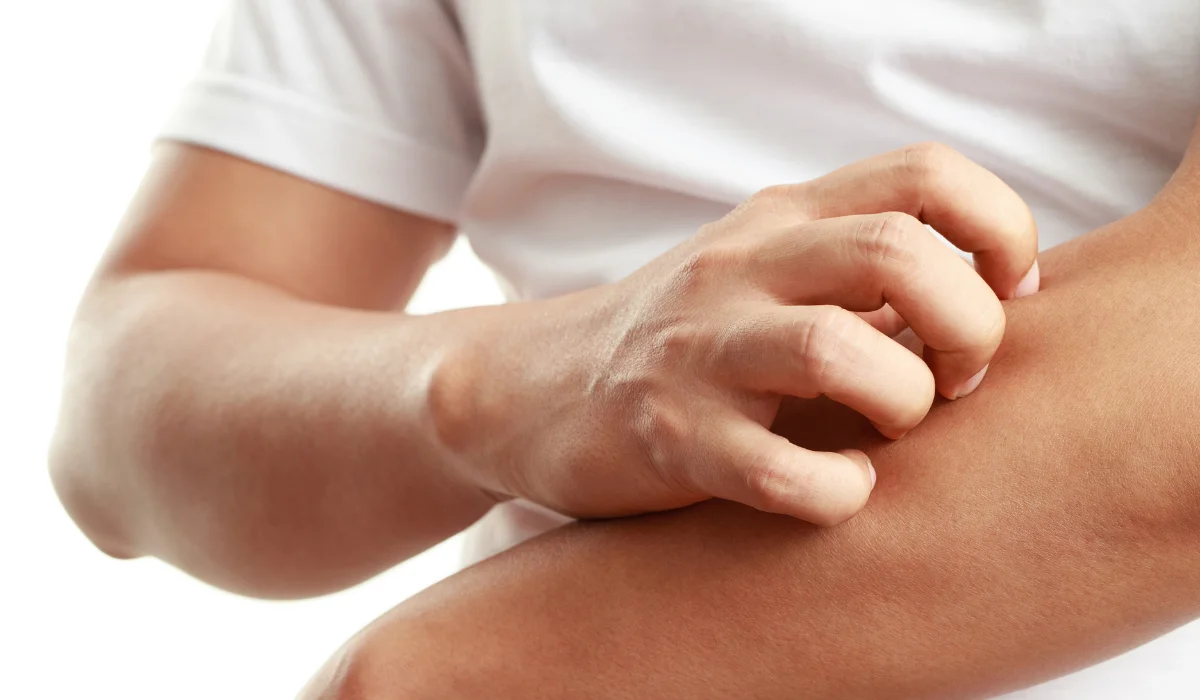





You spend an evening outside, notice a few mosquito bites, and forget about them by morning. Several days later, you wake up with a fever, headache, sore muscles, or deep fatigue. Those West Nile virus symptoms can resemble the flu, but sudden confusion, neck stiffness, muscle weakness, seizures, or trouble breathing may signal a medical emergency.
Most infected people never become sick. Others develop a short fever and recover at home. A small percentage develop inflammation involving the brain, spinal cord, or nearby tissue. Knowing how the symptoms differ can help you decide whether to monitor the illness, call your doctor, or seek emergency care.
*This article provides general health information. It does not replace an evaluation, diagnosis, or treatment from a licensed medical provider.
How West Nile Virus Affects People
West Nile virus spreads through the bite of an infected mosquito. Mosquitoes pick up the virus after feeding on infected birds, then may pass it to people or other animals during later bites. An infected mosquito looks no different from another mosquito, and its bite usually leaves the same small, itchy mark.
The virus does not spread through normal daily contact. Touching an infected person, sharing food, or sitting nearby will not expose you. Rare cases of transmission have involved blood transfusions, organ transplants, pregnancy, and breastfeeding.
The Centers for Disease Control and Prevention (CDC) divides infections into three main outcomes. About 80% cause no symptoms, about 20% cause a mild illness, and fewer than 1% affect the central nervous system.
| Possible Outcome | Approximate Share | What You May Experience |
|---|---|---|
| No symptoms | About 80% | You feel normal and may never know you were infected. |
| Mild West Nile illness | About 20% | Fever, headache, fatigue, body aches, joint pain, vomiting, diarrhea, or rash |
| Severe neurologic illness | Fewer than 1% | Confusion, neck stiffness, seizures, muscle weakness, paralysis, or loss of consciousness |
Reported cases do not represent every infection. Someone who never feels sick has no reason to seek a test. A person with mild symptoms may also recover without learning what caused the illness.
The West Nile Virus Incubation Period
The West Nile virus incubation period usually lasts two to six days. Symptoms can appear up to 14 days after an infected mosquito bite, and the delay may be longer in someone with a weakened immune system.
That delay can hide the connection. You might mow the yard on Saturday, sit outside on Sunday evening, and feel fine through most of the following week. When a fever or headache starts, the bite may have faded, and the outdoor exposure may no longer seem important.
A fever after a mosquito bite does not confirm West Nile virus. Flu, COVID-19, dehydration, and other infections can cause a similar group of symptoms. A doctor may consider the timing, recent outdoor activity, medical history, local mosquito activity, and test results before reaching a diagnosis.
What Early West Nile Virus Symptoms Feel Like
The mild form of the illness is often called West Nile fever. Early West Nile virus symptoms may include fever, headache, muscle pain, joint pain, fatigue, vomiting, diarrhea, or a rash. You may feel sick enough to miss work or cancel plans even though the infection has not reached your brain or spinal cord.
West Nile fever symptoms do not follow one fixed pattern. Fever and sore muscles may dominate one case, while another person notices headache, nausea, or stomach trouble. Fatigue can feel heavy and may continue after the other symptoms improve.
| Mild Symptom | What You May Notice |
|---|---|
| Fever | A raised temperature with chills, sweating, or feeling overheated |
| Headache | Dull, throbbing, or persistent head pain |
| Body aches | Soreness or heaviness in the muscles |
| Joint pain | Pain or stiffness in the knees, wrists, ankles, or other joints |
| Fatigue | Unusual exhaustion that does not improve much after sleep |
| Nausea or vomiting | Poor appetite, stomach discomfort, or trouble keeping fluids down |
| Diarrhea | Loose stools that may contribute to dehydration |
| Rash | Flat or raised irritated areas, often on the torso, arms, or legs |
| Swollen lymph nodes | Tender areas around the neck, jaw, armpits, or groin |
A West Nile virus rash cannot identify the infection by itself. Many infected people never develop one. Heat, medication, allergies, and other insect bites can also cause skin changes.
How Long Mild Symptoms May Last
Many people improve within several days or two weeks. Fever and stomach symptoms may clear first, while fatigue or weakness continues. You may feel better in the morning, then become worn out after household chores, a short walk, or a return to work.
Contact your medical provider when symptoms keep getting worse, fail to improve, or affect someone with a higher risk of serious illness. Repeated vomiting or diarrhea also deserves attention because dehydration can develop fast during hot Louisiana weather.
When Severe West Nile Virus Symptoms Need Emergency Care
Severe West Nile virus symptoms develop when the infection affects the nervous system. The illness may inflame the tissue surrounding the brain and spinal cord, inflame the brain itself, or damage parts of the spinal cord that control movement.
The CDC clinical guidance for West Nile virus identifies meningitis, encephalitis, and acute flaccid myelitis as the main forms of neurologic disease. The same guidance reports that about 10% of patients with neuroinvasive disease die and that lasting neurologic problems are common among survivors.
Signs of West Nile Encephalitis and Other Neurologic Illness
Call 911 or go to an emergency department if you or someone in your home develops:
- Confusion, disorientation, or sudden behavior changes
- Trouble waking up or staying alert
- A severe headache with neck stiffness
- Tremors or uncontrolled shaking
- A seizure
- Sudden weakness in an arm or leg
- Trouble standing, walking, or controlling movement
- Numbness or loss of sensation
- Paralysis
- Trouble swallowing or breathing
- Loss of consciousness
Do not wait for several warning signs to appear together. One major change in alertness, movement, strength, or breathing is enough to seek emergency help.
Sudden weakness deserves close attention. The virus can damage nerves that control movement, causing rapid weakness in one limb, one side of the body, or several muscle groups. When breathing muscles are affected, the person may need immediate respiratory support.
Recovery From Severe Illness
Hospital treatment may include intravenous fluids, breathing support, seizure care, pain treatment, and neurologic monitoring. Some patients need physical, occupational, or speech therapy after discharge.
Recovery may take weeks or months. Weakness, balance problems, memory changes, trouble concentrating, or movement problems can continue after the initial infection has passed. Some effects may become permanent.
Who Has a Higher Risk of Severe Illness?
Age and medical history affect the chance of severe disease. Older adults and people with weakened immune systems should take a new fever, marked weakness, confusion, or severe headache seriously during mosquito season.
| Higher-Risk Group | Why Extra Caution Matters |
|---|---|
| Adults age 65 and older | The chance of neurologic disease rises with age. |
| Organ transplant recipients | Anti-rejection medicine suppresses parts of the immune response. |
| People receiving cancer treatment | Some treatments reduce the body’s ability to fight infection. |
| People with diabetes | Diabetes is associated with a greater risk of severe illness. |
| People with kidney disease | Chronic kidney problems may increase the risk of complications. |
| People with high blood pressure | Hypertension is associated with severe disease. |
| People taking immune-suppressing medicine | Steroids and similar medicines can weaken the response to infection. |
Younger adults can still become seriously ill. A lower statistical risk does not make confusion, paralysis, seizures, or breathing trouble safe to watch at home.
Someone in a higher-risk group may need to contact a doctor earlier in the illness. Fever combined with severe fatigue, persistent vomiting, weakness, or changes in alertness should not be dismissed as a routine summer virus.
West Nile Virus Activity in Louisiana
Louisiana properties give mosquitoes many places to rest and reproduce. Water can collect in flowerpot saucers, toys, tarps, gutters, pool covers, roadside ditches, and low sections of the lawn. Dense shrubs and shaded vegetation give adult mosquitoes protected areas near patios, doors, and play spaces.
The Louisiana Department of Health West Nile data page reported four human cases as of August 5, 2026. All four involved neurologic disease, and no deaths had been reported at that point. The department also states that Louisiana’s mosquito season usually runs from June through October and that diagnoses often peak from late August into early September.
Those totals can change as the season continues. They also represent confirmed cases, not every infection. People without symptoms are rarely tested, and some mild cases never enter state surveillance data.
How Doctors Diagnose West Nile Virus
A medical provider may ask when your symptoms started, where you spent time outdoors, and whether you have a condition that raises your risk. The examination may include checks of strength, reflexes, balance, alertness, neck movement, and coordination.
Blood tests can look for antibodies produced in response to the infection. When symptoms suggest inflammation around the brain or spinal cord, a provider may also test spinal fluid.
West Nile Virus Treatment
There is no approved antiviral medicine that cures West Nile virus. Mild cases receive supportive care, which may include rest, fluids, and medicine for pain or fever under a provider’s direction. Severe cases may require hospitalization, breathing assistance, seizure care, or rehabilitation.
Antibiotics do not treat West Nile virus because the illness is caused by a virus rather than bacteria.
West Nile Virus Prevention Around Your Home
West Nile virus prevention starts with reducing mosquito bites and removing the water mosquitoes use for breeding. Walk around your property once a week and check buckets, toys, tarps, planters, trash cans, wheelbarrows, birdbaths, and pool covers. Empty the water and scrub the container when possible because mosquito eggs may remain attached to the sides.
Clear leaves from gutters so rain can drain. Repair torn window screens, check exterior doors for gaps, and use an EPA-registered mosquito repellent according to its label. Loose long sleeves and pants can reduce exposed skin when mosquitoes are active.
These steps help, but they may not solve activity coming from nearby ditches, neighboring properties, vacant lots, drainage areas, or thick vegetation. Mosquitoes do not stay inside property lines.
When Professional Mosquito Control Is Worth Considering
Recurring mosquito pressure often means the yard contains resting or breeding conditions that are easy to miss. A trained technician can inspect shaded vegetation, drainage areas, low sections of the lawn, and containers that refill after rain.
LaJaunie’s Pest Control has a mosquito service that combines monthly yard treatments. We also identify property conditions that support mosquito activity and explain what you can change between visits.
Professional treatment cannot prevent every bite or guarantee that no one will contract West Nile virus. Its value is practical. It reduces mosquito activity around the areas where your family walks, plays, cooks, and spends time outside. The best results come from pairing service with repellent, screen repairs, protective clothing, and weekly standing-water checks.
Know the Symptoms and Address the Mosquito Pressure
Symptoms of West Nile virus may begin with fever, headache, fatigue, muscle pain, stomach trouble, or a rash. Confusion, neck stiffness, seizures, sudden weakness, paralysis, or trouble breathing require emergency medical care.
You cannot know which mosquito carries the virus before it bites. You can remove breeding water, block mosquitoes from entering your home, use repellent, and address recurring activity around your property.
Professional mosquito service becomes useful when bites continue after routine yard cleanup or when mosquito-friendly areas sit beyond the places you can manage yourself. Our technicians inspect the property, locate problem conditions, and build a treatment plan around your yard instead of applying the same approach to every home. Contact LaJaunie’s Pest Control to schedule mosquito service for your Louisiana property.