

You step outside for a few minutes and come back covered in itchy bites, while the person next to you barely notices a mosquito. That difference can feel random, but mosquitoes respond to several signals produced by the human body. They also look for shaded resting areas and small amounts of standing water around a property.
Understanding what attracts mosquitoes can help you make better choices about clothing, outdoor timing, drainage, and yard maintenance. It can also explain why mosquito activity remains high even when your yard looks clean.
Louisiana’s warm weather, frequent rain, thick vegetation, and long periods of humidity give mosquitoes plenty of opportunities to breed and rest. A clogged gutter in Houma, a plant saucer in Thibodaux, or a low spot that stays wet after a summer storm may support activity close to the house.
This guide explains what attracts mosquitoes to people, what draws them into residential yards, and which practical changes can make an outdoor space less favorable to them.
What Attracts Mosquitoes to Humans?
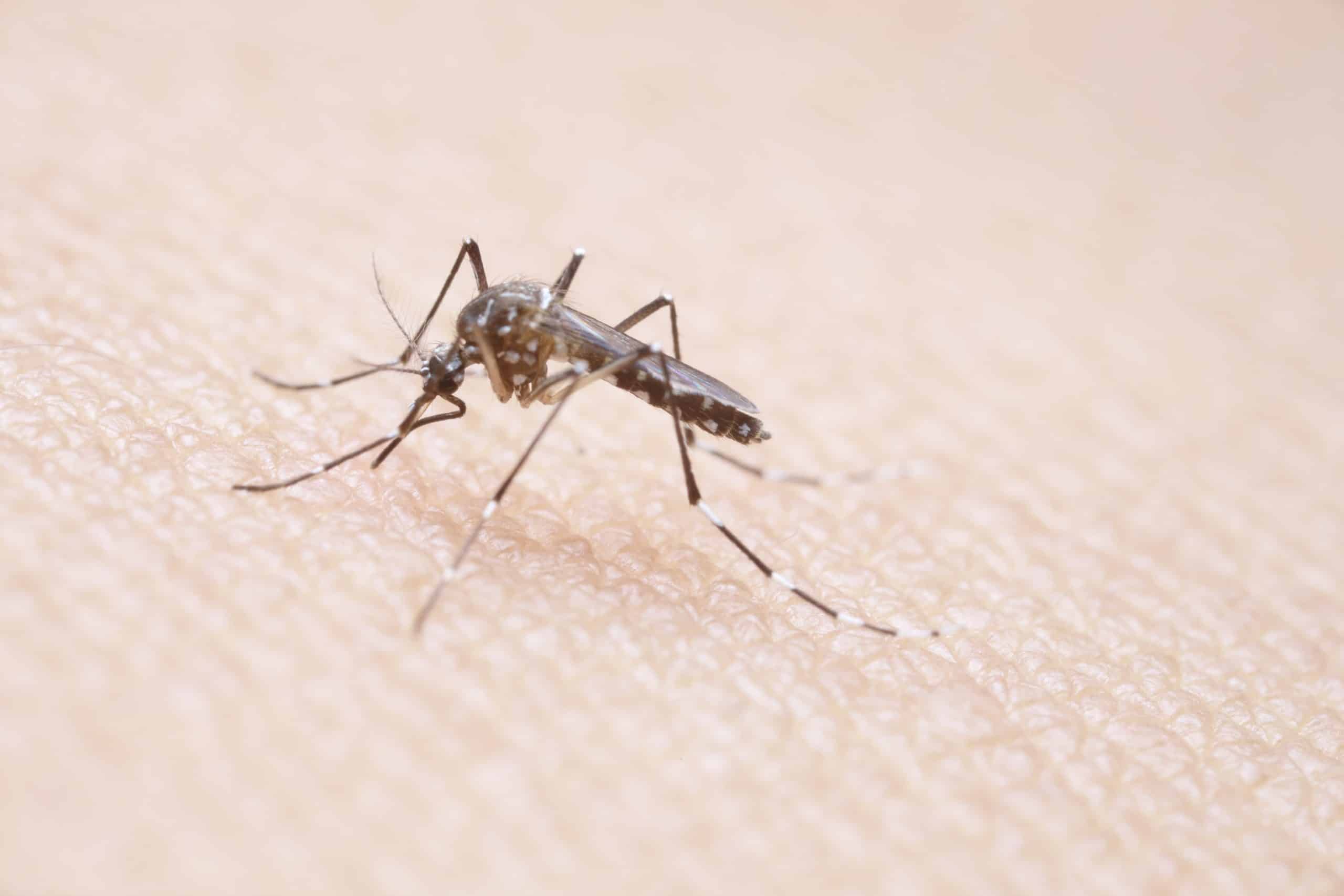
Mosquitoes do not choose people at random. Female mosquitoes locate potential hosts by detecting carbon dioxide, body heat, moisture, movement, and odors released through the skin. The strength and combination of those signals help explain why one person may receive more bites than another.
Your body begins advertising its location every time you exhale. Carbon dioxide spreads through the air and helps mosquitoes locate people from a distance. Once they move closer, they use heat, skin odor, and moisture to narrow down where to land.
Carbon Dioxide From Your Breath
Carbon dioxide is one of the clearest signals mosquitoes use to locate a host. Every person releases it while breathing, and the amount increases during exercise or physical work. Someone mowing the lawn, playing outside, or carrying equipment across the yard may attract more attention because they are breathing faster and producing stronger odor and heat signals.
Larger people may also release more carbon dioxide than smaller people, although this does not mean body size alone determines who gets bitten. Air movement, nearby breeding sites, clothing, skin odor, and the mosquito species present all affect the outcome.
Body Heat and Perspiration
Mosquitoes can detect warmth as they approach exposed skin. Physical activity raises body temperature and causes perspiration, creating a combination of heat and moisture that helps mosquitoes identify a landing area.
This is one reason mosquito bites often become more noticeable during yard work, outdoor sports, and evening gatherings. Louisiana’s humid conditions can slow the evaporation of perspiration, leaving skin warm and damp for longer periods.
Natural Skin Odors
Human skin releases a mixture of natural compounds produced by the body and the microorganisms living on the skin. These odors vary from person to person, which may help explain why mosquitoes consistently favor some people over others.
A 2022 study on mosquito attraction to humans found that people who were highly attractive to mosquitoes produced higher levels of certain carboxylic acids on their skin. The findings suggest that mosquito preference can remain fairly consistent over time rather than changing randomly from one evening to the next.
Dark Clothing and Movement
Mosquitoes also use visual cues once they are close enough to see a potential host. Dark clothing creates a stronger visual contrast than many light colors, especially around dawn, dusk, and shaded areas.
Movement can make a person easier to locate as well. Walking through tall plants, working beside dense shrubs, or sitting near a shaded fence line may bring you closer to places where adult mosquitoes are already resting.
| Human Signal | Why Mosquitoes Notice It | Common Outdoor Example |
| Carbon dioxide | Helps mosquitoes locate a breathing host | Exercising, mowing, or doing yard work |
| Body heat | Guides mosquitoes toward exposed skin | Sitting outdoors after physical activity |
| Perspiration | Adds moisture and odor near the skin | Gardening in warm, humid weather |
| Skin odor | Provides a person-specific scent profile | Natural body odor that persists after washing |
| Dark clothing | Creates visible contrast | Wearing black or navy near shaded plants |
| Movement | Makes a nearby host easier to detect | Walking through vegetation or around a patio |
Why Are Mosquitoes Attracted to Me More Than Other People?
People who ask, “Why are mosquitoes attracted to me?” are often noticing a real and repeatable pattern. Differences in breathing rate, skin temperature, natural odor, clothing, and outdoor behavior can make one person easier for mosquitoes to locate.
No single trait guarantees that someone will receive more bites. Mosquito attraction comes from a group of signals working together, and different mosquito species may respond to those signals in slightly different ways.
Physical Activity Increases Several Signals at Once
Exercise and yard work increase breathing, body temperature, perspiration, and movement at the same time. Because mosquitoes use all four signals, an active person can be easier to locate than someone sitting quietly nearby.
This effect can continue for a while after activity stops. A homeowner who finishes trimming shrubs and then sits on the patio may still be warm and perspiring, especially during a humid Louisiana evening.
Your Location May Matter More Than You Think
Two people in the same yard may have very different experiences based on where they sit. Someone beside a hedge, drainage area, or shaded fence may be much closer to resting mosquitoes than a person sitting in an open, breezy location.
Mosquitoes are weak fliers compared with many other insects. Fans, steady air movement, and open spaces can make it harder for them to land, while sheltered corners allow them to approach more easily.
Personal Care Products Are Not the Main Explanation
Scented soap, lotion, shampoo, and perfume may influence the odors surrounding a person, but they do not provide a complete explanation for mosquito preference. Natural skin compounds, body heat, carbon dioxide, and proximity to mosquito habitat usually play a larger role.
Rather than trying to remove every fragrance from your routine, focus on proven protective steps. Cover exposed skin when practical, use an EPA-registered repellent according to its label, and avoid spending long periods beside dense vegetation or standing water during peak activity.
What Attracts Mosquitoes to Your Yard?
What attracts mosquitoes to your yard is different from what draws them to your skin. A yard becomes appealing when it provides water for breeding, shade for resting, and easy access to people or animals.
Mosquitoes do not need a neglected swamp or large pond to reproduce. Some species can use small containers and shallow pockets of water that homeowners overlook during routine yard care.
Standing Water Creates Breeding Sites
Water is the most significant yard condition associated with mosquito reproduction. Depending on the species, mosquitoes may lay eggs directly on water or in damp areas that will flood later.
The Centers for Disease Control and Prevention explains that mosquitoes can lay eggs in or near water and that immature mosquitoes develop in water before becoming flying adults. Removing small water sources interrupts that development before new mosquitoes leave the breeding site.
Common breeding locations include buckets, toys, tarps, clogged gutters, plant saucers, birdbaths, wheelbarrows, and low areas that drain slowly. Water collected inside an overturned bottle cap may appear insignificant, but small container-breeding mosquitoes do not need much room.
Shade and Dense Vegetation Provide Resting Areas
Adult mosquitoes lose moisture easily, so they often rest in cool, shaded, humid areas during the hotter parts of the day. Dense shrubs, tall grass, ivy, broad-leaf plants, and overgrown fence lines can provide that shelter.
This does not mean homeowners need to remove healthy landscaping. Regular trimming, better airflow, and more space between dense plants can reduce the number of protected resting spots near patios, doors, walkways, and play areas.
Yard Debris Holds Moisture
Leaves, clogged drains, discarded containers, and stacked items can trap water after rain or irrigation. Debris also creates shaded pockets where adult mosquitoes can rest out of direct sunlight.
Louisiana rainfall can refill these areas faster than homeowners expect. A container emptied early in the week may hold water again after an afternoon storm, so one seasonal cleanup is not enough.
| Yard Condition | How It Supports Mosquitoes | What to Check |
| Standing water | Gives immature mosquitoes a place to develop | Buckets, toys, saucers, tires, and tarps |
| Clogged gutters | Holds water and decaying organic material | Gutters, downspouts, and roof drainage |
| Dense shrubs | Provides shade and humidity for resting adults | Plants near patios, doors, and windows |
| Low ground | Collects rainwater and irrigation runoff | Lawn depressions and drainage paths |
| Yard debris | Traps water and creates sheltered areas | Leaves, stacked items, and unused containers |
| Unmaintained water features | Allows water to remain still | Birdbaths, fountains, and decorative ponds |
How Much Water Do Mosquitoes Need to Breed?
Mosquitoes can breed in less water than many homeowners expect. The size of the water source matters less than whether it remains available long enough for eggs and larvae to develop.
A swimming pool that is properly maintained and circulating is less likely to support mosquitoes than a small, forgotten container filled with still water. The most productive breeding sites are often quiet, sheltered, and easy to miss.
Small Containers Can Cause Large Problems
Flowerpot saucers, children’s toys, watering cans, folded tarps, and clogged drain extensions can all hold rainwater. Containers with dark interiors or organic debris may be especially attractive to certain mosquito species because they resemble sheltered natural breeding sites.
Inspect items from several angles. A wheelbarrow may look empty while holding water along one edge, and corrugated drainpipe may retain water inside sections that cannot be seen from the outside.
Water Should Be Checked Every Week
The U.S. Environmental Protection Agency recommends emptying and scrubbing, turning over, covering, or throwing out items that hold water. A weekly inspection is a practical starting point, though yards may need another check after heavy rain.
Scrubbing matters because some mosquito eggs can stick to container walls above the waterline. Simply pouring out the water may leave eggs behind, allowing them to hatch when the container fills again.
| Water Source | Why Homeowners Miss It | Practical Response |
| Plant saucer | Hidden beneath the pot | Empty and scrub it regularly |
| Birdbath | Intended to hold water | Refresh the water and clean the basin |
| Rain gutter | Difficult to see from ground level | Remove leaves and correct drainage |
| Folded tarp | Water collects inside creases | Stretch it tightly or store it under cover |
| Outdoor toy | Small openings collect rain | Drain it and store it upside down |
| Corrugated pipe | Water remains inside ridges | Improve the slope or replace the section |
| Low lawn area | Looks dry after the surface drains | Correct grading or improve drainage |
Does Landscaping Attract Mosquitoes?
Landscaping does not create mosquitoes on its own, but certain planting and maintenance choices can provide the shade and moisture adult mosquitoes prefer. Thick vegetation near sitting areas can also place resting mosquitoes close to people.
The goal is not to strip a yard of plants. A better approach is to improve airflow, reduce overgrowth, and keep dense vegetation away from the places where family members spend the most time.
Overgrown Shrubs Create Protected Areas
Shrubs that grow tightly against a house, fence, or neighboring plant can form cool pockets with limited air movement. These protected areas help mosquitoes avoid sunlight, heat, and wind.
Trim plants so air can move around and beneath them. Pay close attention to shrubs beside doors, patios, grills, swing sets, and frequently used walkways.
Excess Irrigation Keeps the Yard Damp
Overwatering can keep soil, mulch, and drainage areas wet for long periods. Irrigation systems may also refill plant saucers, toys, clogged drains, and low spots even when no rain has fallen.
Water early enough for surfaces to dry, and adjust sprinkler heads that spray fences, containers, or hardscaped areas. Check whether runoff collects beside the foundation or under dense plants.
Organic Debris Can Block Drainage
Leaves, grass clippings, and loose mulch may obstruct drains or create damp pockets. In gutters, decomposing leaves can slow water flow and create a sheltered breeding environment.
Remove debris from drainage paths and avoid piling yard waste along fences or behind sheds. Bag it, compost it properly, or place it where it cannot hold water.
When Are Mosquitoes Most Active in Louisiana?
Mosquito activity depends on the species, weather, and location. Many species are active around dawn and dusk, while some common container-breeding mosquitoes bite during the day.
This means changing the time of an outdoor gathering may reduce exposure, but it will not eliminate mosquito activity in every yard. Shade, humidity, recent rainfall, and nearby breeding sites can support biting at several points during the day.
Warm, Humid Weather Supports Activity
Mosquitoes are cold-blooded, so their activity rises and falls with temperature. Warm conditions support flight, feeding, and reproduction, while humidity helps adult mosquitoes avoid drying out.
South Louisiana provides long stretches of warm, damp weather. Rain can create new breeding sites, but dry periods do not always end the problem because containers, irrigation systems, and low drainage areas may continue holding water.
Wind Can Reduce Biting Pressure
Mosquitoes do not fly well in strong air movement. A covered patio with a properly positioned outdoor fan may have less activity than a still, enclosed corner surrounded by shrubs.
Fans do not correct breeding conditions elsewhere in the yard, but they can make a seating area less favorable while other prevention steps are being used.
How to Make Your Yard Less Attractive to Mosquitoes
Reducing mosquito activity requires attention to both immature mosquitoes in water and adult mosquitoes resting in vegetation. Focusing on only one side of the problem may provide limited results.
A practical routine includes checking water-holding items, cleaning drainage areas, trimming dense plants, and improving airflow near outdoor living spaces. These steps work best when repeated throughout the mosquito season.
Start by walking the property after rain. Look beneath decks, behind sheds, around play equipment, under plant containers, and along fence lines. Check gutters and downspouts, then inspect low lawn areas where water remains after the surrounding ground dries.
Next, focus on the spaces your family uses most. Trim heavy vegetation around patios and doorways, remove clutter, and place outdoor seating away from dense shrubs. A fan can help around covered seating areas, particularly when the air is still.
Finally, use personal protection when mosquito activity remains high. Wear light-colored clothing that covers more skin, and choose a repellent registered by the EPA. Follow the product label carefully, especially when applying it to children.
When Yard Maintenance Is Not Enough
Even a carefully maintained yard can receive mosquitoes from nearby properties, roadside ditches, wooded areas, drainage systems, and other sources outside the homeowner’s control. Repeated biting may continue when adult mosquitoes are resting in hard-to-reach vegetation or when breeding sites are hidden.
Professional mosquito control is worth considering when mosquito activity regularly keeps your family from using the yard, when bites remain heavy despite weekly water checks, or when the property contains drainage and vegetation conditions that are difficult to manage alone.
Reduce What Attracts Mosquitoes Around Your Louisiana Home
Learning what attracts mosquitoes gives you a clearer way to respond. Carbon dioxide, body heat, perspiration, skin odor, and movement help mosquitoes find people, while standing water, shade, and dense vegetation help them remain close to a home.
Weekly water checks and better yard maintenance can remove many favorable conditions, but mosquitoes may still move in from nearby areas. When biting continues to interfere with time outside, LaJaunie’s Pest Control can inspect the property, identify contributing conditions, and recommend a mosquito control plan suited to your yard.
Contact LaJaunie’s Pest Control to schedule mosquito service and make your outdoor space more comfortable for your family.