



You switch on the basement light and something with long legs jumps from behind a box. It does not chirp or fly, and from a distance it looks more like a spider than a cricket. You are probably looking at a camel cricket, a pest that favors dark, humid spaces such as basements, crawl spaces, and garages.
One cricket may have wandered inside. When you find camel crickets in your basement several nights in a row, look more closely at that part of the house. Moisture, outdoor hiding places, and small openings into the structure often explain why they keep returning.
What Are Camel Crickets?
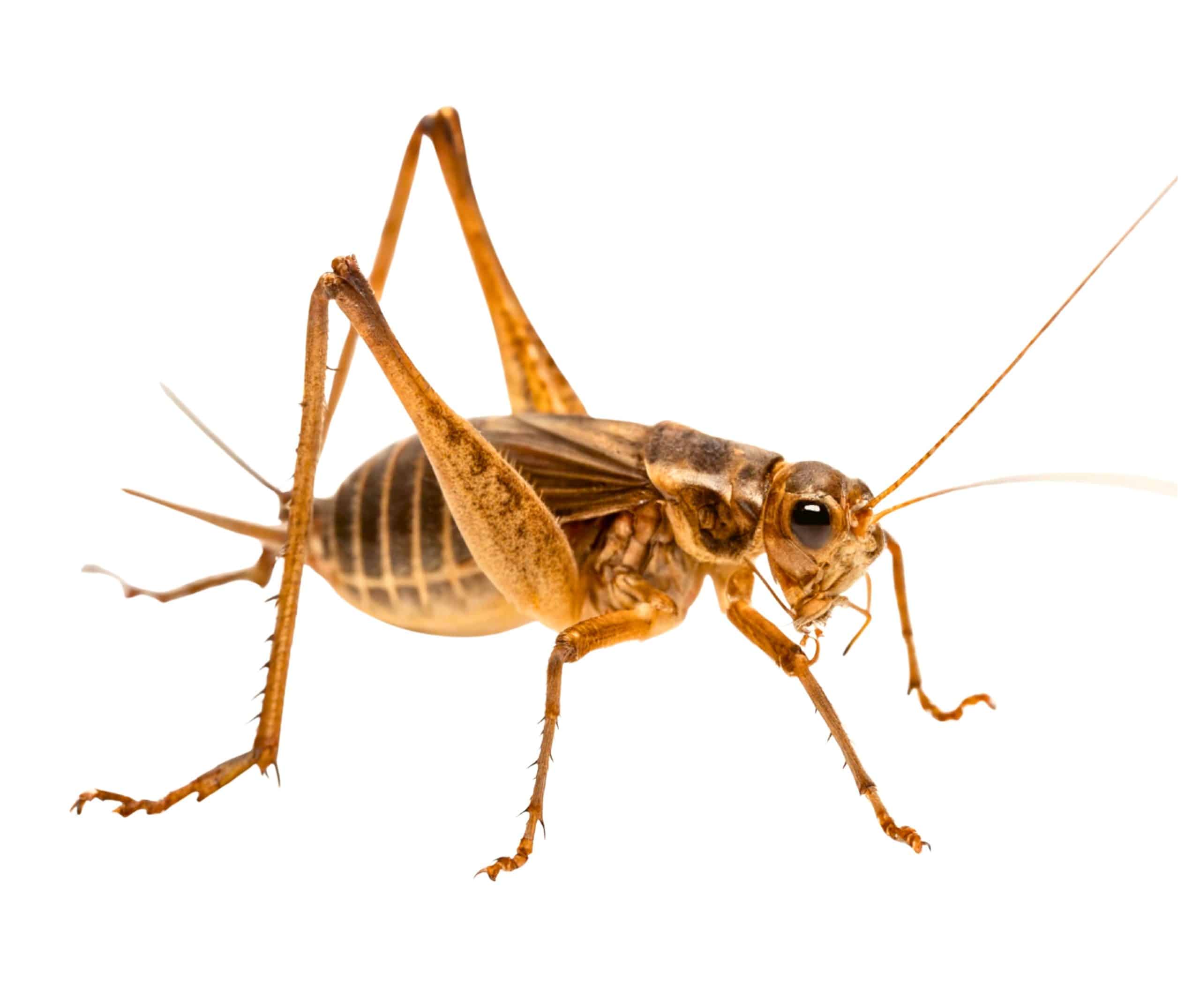
Camel crickets have rounded, hump-backed bodies, long antennae, and oversized rear legs. Those legs are why many homeowners call them spider crickets. Cave cricket is another common name for the same general group.
Adults do not have wings, and they do not chirp like the field crickets you may hear outdoors. The Clemson Cooperative Extension reports more than 100 kinds of camel and cave crickets in the United States and Canada. Clemson also notes that they are active mainly at night and favor areas with high humidity and moisture.
A startled camel cricket may jump toward you instead of away from you. The movement can seem aggressive in a tight room, but the cricket is trying to escape.
| What You Notice | Camel Cricket | Common House or Field Cricket |
| Back | Rounded or hump-backed | Flatter profile |
| Antennae | Very long | Long |
| Rear legs | Long and prominent | Strong jumping legs |
| Adult wings | None | Usually present |
| Chirping | No | Common in many species |
| Typical indoor location | Damp, dark spaces | Depends on species |
| Activity | Mainly at night | Often at night |
The hump-backed shape, lack of wings, long antennae, and silent behavior are the easiest identification clues. Size alone is less useful because camel crickets vary as they grow.
What Attracts Camel Crickets to Damp Basements?
Camel crickets spend much of their time in cool, protected areas where moisture is available. Outside, they shelter under logs, stones, firewood, vegetation, and debris. A basement can offer similar conditions without sunlight or drying wind.
The NC State Extension camel cricket resource identifies basements, crawl spaces, garages, bathrooms, laundry rooms, and storage buildings as common indoor problem areas. NC State also recommends moisture reduction as part of long-term camel cricket control.
Check for Moisture Before Standing Water
Your basement does not have to flood before camel crickets find it attractive. Condensation on plumbing, a slow leak, damp masonry, or humid air near the floor can create enough moisture for them.
Check water heaters, utility sinks, HVAC equipment, floor drains, basement windows, and plumbing lines. Around South Louisiana homes, it is also worth looking outside after heavy rain to see whether water sits close to the foundation.
Look at Storage Against the Walls
Boxes, shelving, furniture, and equipment create quiet daytime hiding places. Items sitting directly on a damp floor can hold moisture around them and make inspection harder.
Move stored belongings far enough away from walls that you can see the floor edge and foundation. You may spot droppings, live crickets, or the opening they are using.
| Condition | Why It Matters | Where to Look |
| Humid air | Creates suitable habitat | Basements, crawl spaces, utility rooms |
| Plumbing leaks | Supplies steady moisture | Pipes, sinks, water heaters |
| Condensation | Keeps small areas damp | HVAC lines, pipes, equipment |
| Damp foundation areas | Provides cool shelter | Wall edges, windows, floor joints |
| Stored items | Creates protected hiding spots | Boxes, shelves, furniture |
| Outdoor debris | Keeps crickets close to the structure | Wood, stones, leaves, dense vegetation |
Camel crickets are scavengers, so available organic material can provide food. For a recurring basement problem, though, moisture and shelter usually tell you more than food does.
How Do Camel Crickets Get Into Your Basement?
Most camel crickets do not begin in the middle of your basement. They are often living outdoors close to the structure first.
Damp vegetation, stacked firewood, stones, boards, and leaf debris can support them near the foundation. From there, small gaps give them a path indoors.
Check basement windows, exterior doors, garage doors, crawl space openings, dryer vents, and areas where pipes or utility lines enter the house.
Weather Can Change Indoor Activity
A sudden increase in camel crickets does not always mean a new infestation developed inside. Weather can change where the insects seek shelter.
Problems may increase due to extreme weather conditions, such as excessive rainfall and extended periods of hot, dry weather. Heavy rain can disrupt low outdoor shelter. Dry conditions can remove moisture from the places where camel crickets normally stay. A basement or crawl space may offer more stable conditions during either situation.
Are Camel Crickets Dangerous?
Camel crickets are mainly nuisance pests. They do not feed on structural wood the way termites do, so finding one is not evidence that your home is being damaged from the inside.
They are also not known for attacking people. Their sudden jumps cause most of the concern. In a basement or garage, a cricket can cover several feet before you have time to see where it went.
A heavy camel cricket infestation can still create problems, such as damage to stored garments or linens. This often happens when suitable food is limited. They may also leave dark fecal smears.
Repeated Sightings Matter More Than One Cricket
One cricket near an open garage door tells you very little. Several crickets appearing in the same part of the basement give you something to investigate.
If activity stays near one window, inspect the window frame and the ground directly outside. If most sightings happen around a utility room, look at plumbing, condensation, and wall penetrations. Where the crickets appear can help point you toward the source.
How Can You Get Rid of Camel Crickets and Prevent Them?
Removing visible crickets handles the immediate nuisance. Preventing camel crickets from returning takes a little more work because you also need to reduce the conditions supporting them.
Dry the Area
Repair plumbing leaks first. If the basement is humid without an active leak, a dehumidifier can help lower moisture levels.
Check drainage outside too. Water sitting beside the foundation can leave the surrounding area damp and create outdoor shelter right next to the house.
Close the Gaps
Inspect doors, windows, vents, crawl space access points, and openings around wires or pipes. Replace torn screens and worn weather stripping. Seal appropriate cracks and utility gaps.
Walk the outside of the same wall where you are seeing activity. An entry point may look much more obvious from outdoors.
Reduce Shelter Near the Foundation
Move firewood, boards, leaf buildup, stones, and similar debris away from the structure when practical. Trim vegetation that stays thick and damp directly against the foundation.
You do not need a bare yard. You want enough space around the structure to reduce damp hiding spots and make inspection easier.
Use Sticky Traps to Find Active Routes
Sticky traps can help show where camel crickets are moving inside. Place them along walls near areas where you have already seen activity.
Several catches in one location can help narrow the search toward a doorway, window, wall penetration, or utility area. Traps are useful for monitoring, but they will not fix a leak or seal an opening.
When Should You Call Pest Control for Camel Crickets?
One stray cricket near an open door usually does not call for professional treatment. Continued activity after you have dried the area and checked obvious entry points is different.
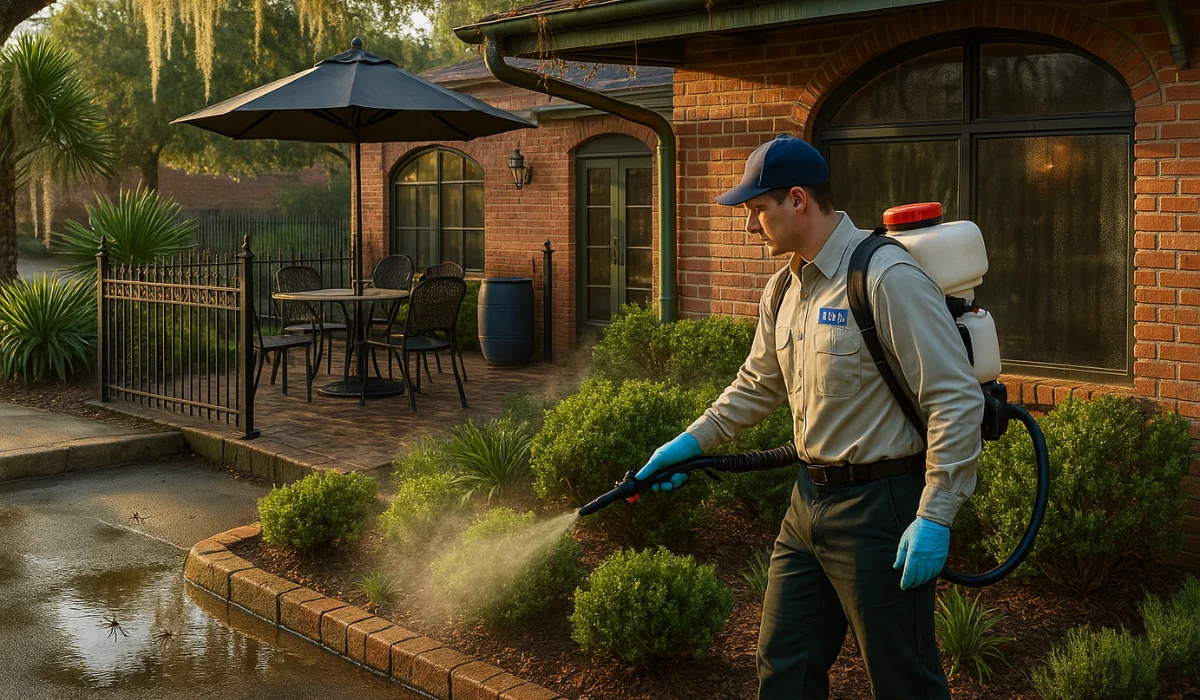
At LaJaunie’s Pest Control, crickets are included in our general pest control coverage. Our technicians can inspect exterior foundations, windows, garages, interior problem areas, and other locations where activity may be coming from. When treatment is appropriate, we can address cracks, crevices, doors, windows, and access points as part of the service.
For a homeowner, the value is having someone trace the problem beyond the cricket you happened to see. A technician can look at where activity is concentrated, what sits outside that part of the house, and which conditions are helping the crickets remain close to the structure. You can then correct moisture or access problems while the active pest issue is being treated.
If camel crickets keep showing up in your basement, garage, or crawl space, contact Lajaunie’s Pest Control and request a free quote. We can inspect the areas where you are seeing activity and recommend the right next step for your home.