Small black bugs in Louisiana homes often hide in window tracks, pantry shelves, bathroom corners, and damp areas around plumbing. Some are attracted to moisture, while others feed on stored food or enter through gaps around doors and windows.
You might notice a few crawling across your kitchen windowsill, only to find more under the bathroom sink the next morning. Their size, movement, and hiding places can help you identify the likely pest, find what’s attracting it, and decide whether cleaning and home repairs are enough or a professional inspection is needed.
Key Takeaways
- Start where the bugs appear. Window tracks, pantry shelves, bathrooms, and plumbing areas are common places to investigate. Each location provides clues about what attracts the insects.
- Watch how they move. Springtails jump, ants often follow trails, pantry beetles crawl through stored food, and drain flies make short flights near plumbing.
- Fix the source, not just the visible activity. Removing moisture, securing food, and sealing entry gaps can reduce recurring problems. Persistent sightings may require professional identification and treatment.
Where Small Black Bugs in Louisiana Homes Commonly Hide
The first place you spot an insect isn’t always where it lives. A beetle on your windowsill may have developed inside a closet, while bugs near the kitchen sink may be entering through an opening around the plumbing.
Before treating the area, look for patterns in where the insects gather. Four household locations are especially useful starting points.
Window Tracks and Window Sills
Window tracks collect dust, dead insects, and moisture that can remain trapped in narrow corners. South Louisiana’s humid conditions, condensation, and rainwater entering through worn seals can leave these areas damp. Springtails may gather around the moisture, while adult carpet beetles sometimes collect near glass because they’re attracted to light.
Open the window and examine the corners of the track, especially behind the sliding frame. Damaged screens, gaps around the frame, and insects clustered along one edge may point to an outdoor entry route rather than an indoor breeding site.
Pantry Shelves and Kitchen Cabinets
Tiny black beetles crawling through your pantry may be feeding on stored food. Certain pantry beetles and grain weevils develop in rice, cereal, flour, and other dry goods. Some arrive inside products before you bring them home, so even a clean kitchen can develop a problem.
Pull packages away from the back of the shelf and inspect their seams and contents. Insects inside a bag of rice or cereal provide a stronger identification clue than bugs wandering across a cabinet door. Small black ants may also visit cabinets where crumbs, spills, or accessible pet food offer an easy meal.
Bathrooms and Areas Near Plumbing
A bathroom sink can look spotless while the cabinet beneath it stays damp. Slow leaks, condensation on pipes, and water trapped around fixtures create conditions that favor moisture-loving pests. Springtails may gather along wet surfaces, while drain flies develop in organic buildup inside certain drains.
Use a flashlight to examine pipe connections, cabinet floors, and openings where plumbing passes through the wall. Water stains, swollen cabinet material, and persistent dampness deserve attention even when no insects are visible.
Baseboards, Closets, and Storage Areas
Not every small black bug is searching for water. Carpet beetle larvae may develop where lint, pet hair, and natural-fiber materials collect. Closets, carpet edges, and boxes of stored clothing provide sheltered areas that often go undisturbed.
If adult beetles repeatedly appear near windows, check nearby storage spaces rather than assuming they’re living in the window frame. Look for larvae, shed skins, and damage to susceptible fabrics.
How to Identify Tiny Black Bugs by Size and Movement
Color alone won’t tell you what you’re dealing with. Several household insects look black from a distance but are actually dark brown or reddish-brown. Their body shape, movement, and location offer better clues.
| Possible Pest | Approximate Size | Identifying Clues | Common Location |
| Springtails | Often 1/16 inch or smaller | Tiny bodies; many jump when disturbed | Damp windows and bathrooms |
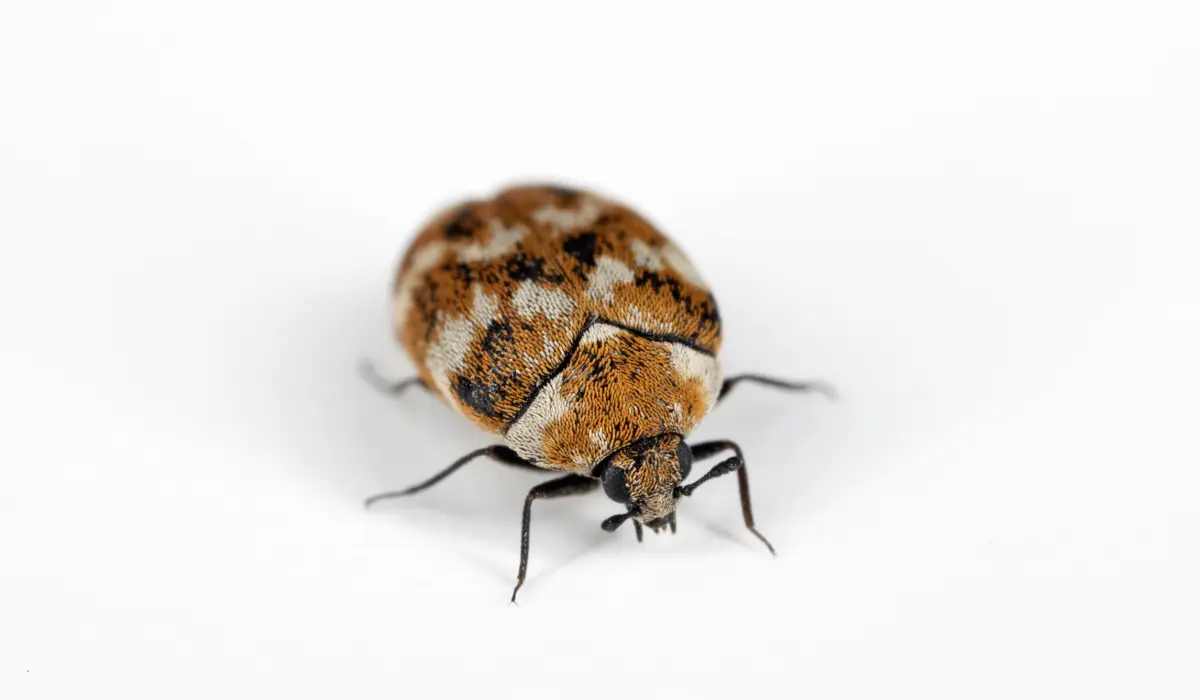
| Black carpet beetles | Adults 1/8 to 3/16 inch | Small, oval, dark beetles that crawl or fly | Windowsills and fabric storage |
| Grain weevils | Around 1/8 inch | Small beetles with a noticeable snout | Rice, grains, and pantry shelves |
| Small household ants | Varies by species | Narrow waist; often travel along trails | Kitchen cabinets and wall gaps |
| Drain flies | About 1/16 to 1/4 inch | Fuzzy wings and short, weak flights | Drains and bathroom walls |
| Fleas | Adults around 1/8 inch | Narrow bodies and strong jumping movement | Pet bedding and carpets |
Measurements vary by species and life stage. These characteristics help narrow down the possibilities but can’t confirm identification on their own.
Bugs That Jump
If a tiny black insect springs away when you reach toward it, springtails and fleas are two possibilities. Springtails feed on fungi, algae, and decaying organic material. They don’t bite people, making them different from fleas, which feed on animal blood.
The University of Minnesota Extension notes that springtails commonly occur in areas with excess moisture or condensation, including bathrooms, kitchens, basements, and overwatered houseplants. Jumping bugs near a wet windowsill may indicate a moisture problem, while insects concentrated around pet bedding may warrant checking for fleas.
Bugs That Crawl or Fly
Small ants often move along recognizable trails, especially where food is available. Beetles generally have a harder, more compact body, although their shapes vary. Dark cockroach nymphs can also appear around kitchen appliances and bathroom cabinets, but their flattened bodies and long antennae help distinguish them from beetles.
Flying insects offer another clue. Drain flies make short, weak flights near plumbing, while adult carpet beetles may fly toward windows even when their larvae are developing in stored fabrics elsewhere.
Why Small Black Bugs Keep Appearing Indoors
Seeing insects return after cleaning doesn’t always mean you’ve missed a dirty surface. Some pests are reproducing indoors, while others continue entering through the same opening. Finding the conditions that support them is more useful than repeatedly removing individual bugs.
Moisture and South Louisiana’s Humidity
Homeowners in New Orleans, Houma, and Thibodaux know how easily moisture can collect around windows and plumbing during humid weather. Condensation, slow leaks, and water around air-conditioning equipment may create suitable conditions for springtails and other moisture-associated pests.
The U.S. Environmental Protection Agency recommends keeping indoor relative humidity below 60%, ideally between 30% and 50%, to help manage moisture problems. Those levels won’t prevent every insect infestation, and a hidden plumbing leak can remain wet even when the rest of a room feels dry.
Stored Food and Entry Gaps
Pantry pests can continue developing inside an overlooked package of dry goods. Ants take advantage of crumbs, spilled pet food, and accessible containers, sometimes traveling from an outdoor nest to an indoor food source.
Other insects enter through torn screens, worn door sweeps, and openings around exterior pipes. Raised homes may also have gaps around utility lines beneath the structure. These entry points can explain repeated sightings even when insects aren’t breeding inside.
How to Inspect Your Home for Small Black Bugs
You don’t need specialized equipment to begin looking for small black bugs in your house. A flashlight, phone camera, and clear container can help you document the activity and collect a specimen for identification.
Start With a Room-by-Room Inspection
Follow these steps, starting where you’ve seen the most insects:
- Record the sightings. Note the room, approximate number of bugs, and time of day. Watch whether they jump, crawl, or fly.
- Examine window tracks. Check frame corners, damaged screens, and areas where condensation or debris collects.
- Inspect pantry contents. Look inside dry food packages and around shelf joints for insects, damaged packaging, or unusual debris.
- Check plumbing areas. Examine accessible sink cabinets, drains, and pipe connections for damp surfaces or water stains.
- Search hidden storage. Look along carpet edges, behind stored boxes, and inside closets containing susceptible fabrics.
- Monitor the affected areas. After addressing visible problems, check the same spots over the following days to see whether activity declines.
Document What You Find
A clear photograph can help a pest control professional identify the insect. Include a ruler or coin for scale when possible, and photograph the body from more than one angle.
If you collect a specimen, place it in a sealed container without handling it directly. Avoid moving heavy appliances, opening electrical fixtures, or dismantling plumbing during your inspection.
How to Prevent Small Black Bugs From Returning
Prevention starts with correcting the condition that attracted the insects. Cleaning a windowsill won’t repair a leaking seal, and wiping down pantry shelves won’t eliminate beetles still developing inside contaminated food.
Remove Moisture and Food Sources
Repair dripping faucets, dry affected cabinets, and clean moisture buildup around windows. Run bathroom exhaust fans during and after showers, and investigate unexplained water near air-conditioning equipment.
For stored-food insects, the University of Minnesota Extension’s pantry pest guidance recommends locating and discarding infested products, cleaning affected storage spaces, and keeping susceptible foods in tightly sealed containers. Inspect nearby packages before returning them to the pantry.
Seal Openings and Maintain Storage Areas
Replace torn screens, repair worn weatherstripping, and close suitable gaps around exterior frames and plumbing. Check that exterior doors meet their thresholds without leaving openings.
Vacuum baseboards, closet corners, and spaces beneath furniture to remove lint, pet hair, and other material that can support carpet beetle larvae. Avoid repeatedly applying over-the-counter sprays without identifying the insect. The real source may remain untouched inside a food package, behind a cabinet, or outside the home.
When to Call LaJaunie’s for Small Black Bugs in Your Louisiana Home
Finding one or two insects near an open window doesn’t always indicate a pest infestation. Repeated sightings are more concerning, especially when bugs appear in several rooms, keep turning up inside food packages, or return after you’ve cleaned and corrected obvious moisture problems. A professional inspection can help identify a hidden breeding site, entry point, or pest that requires a different approach.
LaJaunie’s Pest Control serves homeowners throughout southeastern Louisiana, including Thibodaux, Houma, New Orleans, and Baton Rouge. Our technicians examine problem areas, look for pest activity and entry points, and explain their findings before recommending a treatment plan. With same-day service when available and a retreat guarantee for covered services, LaJaunie’s provides practical support when household pest problems persist.
If you’re tired of finding small black bugs in Louisiana homes and can’t locate what’s attracting them, contact LaJaunie’s Pest Control to schedule an inspection. Identifying the pest and addressing its source is the best place to start.
Small Black Bugs in Louisiana: FAQs
Why are tiny black bugs gathering around my windows?
Small black bugs may gather near windows because of moisture, light, or openings around the frames. Springtails favor damp conditions, while adult carpet beetles may collect near glass. Clean the tracks, check for condensation, and inspect damaged screens or seals to narrow down the cause.
What are the tiny black bugs in my bathroom that jump?
Springtails are one possibility, especially when the bugs appear near sinks, showers, or damp tile joints. They’re extremely small and many jump when disturbed. Springtails don’t bite people, but their presence indoors often points to excess moisture that needs attention.
What are the tiny black beetles in my kitchen cabinets?
Small beetles inside rice, cereal, flour, or other dry goods may be pantry pests such as grain weevils. Check the contents of affected packages rather than relying on insects found on the shelves. Remove infested products, clean the cabinet, and protect unaffected food in sealed containers.
Can small black bugs enter through plumbing gaps?
Yes. Small insects can enter through openings where plumbing passes through floors, walls, or cabinets. The pipes themselves aren’t necessarily the source. Inspect accessible gaps around the plumbing, seal suitable openings, and repair leaks that may attract moisture-loving pests.
When should I call pest control for tiny black bugs?
Consider a professional inspection if insects continue appearing after cleaning, spread into multiple rooms, or keep returning to the same location. Identifying the species matters because springtails, pantry beetles, ants, and cockroaches require different approaches. A technician can investigate hidden sources and recommend appropriate treatment.