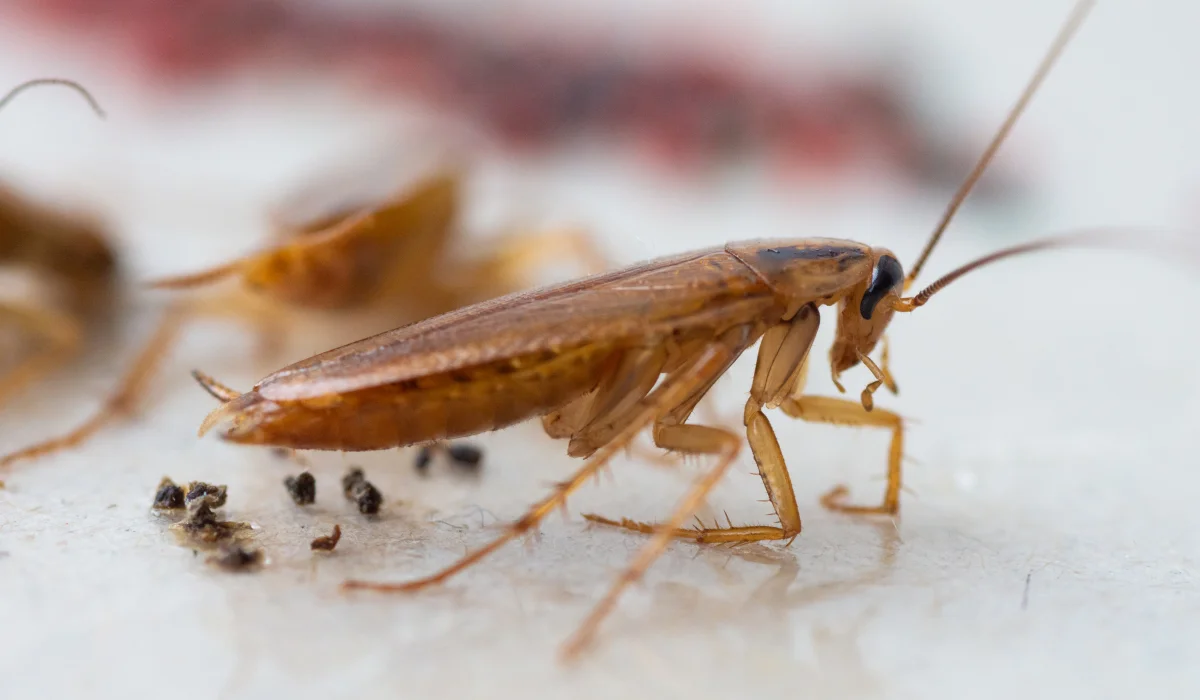


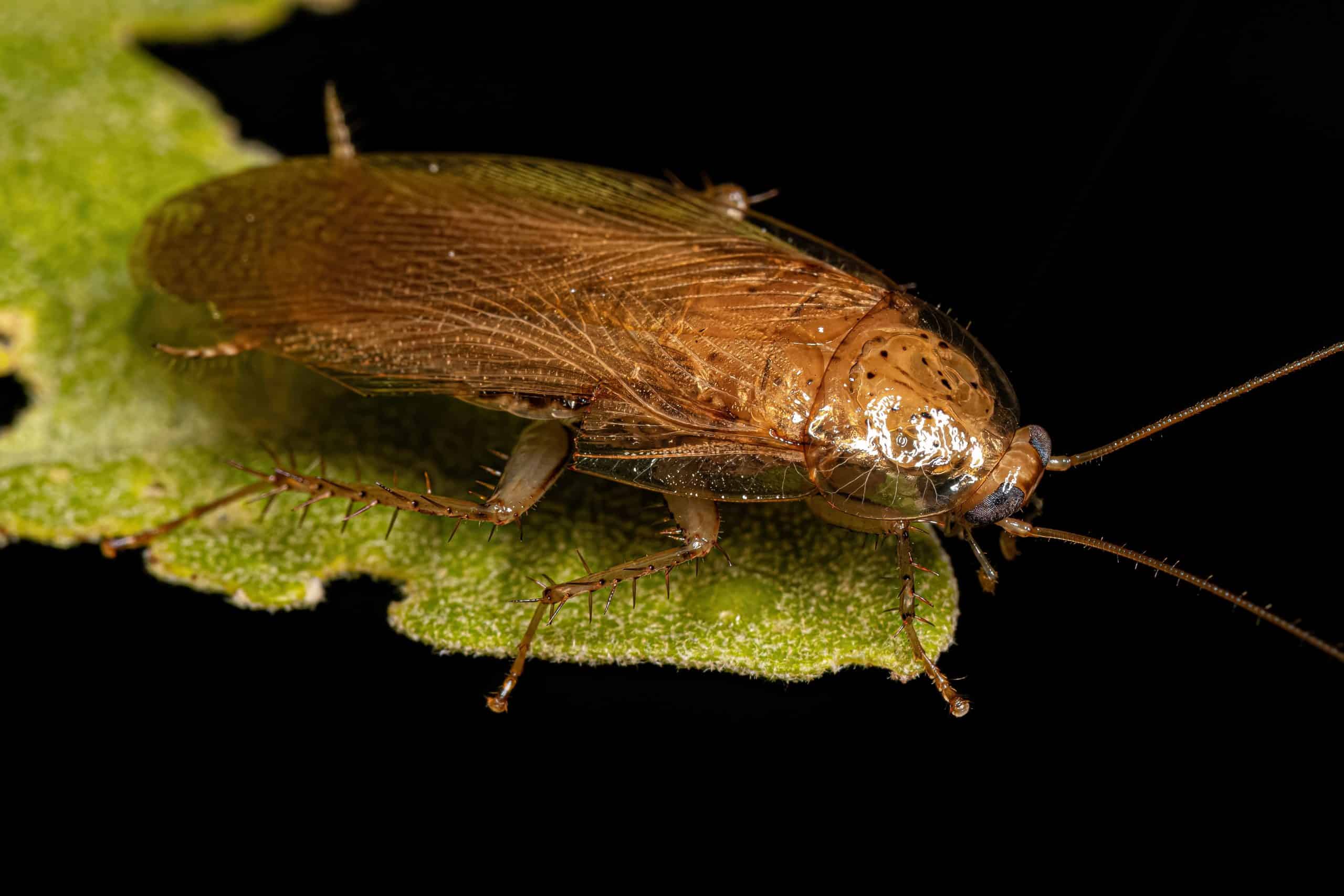
You walk into the kitchen late at night, turn on the light, and see a large reddish-brown roach race across the floor. In South Louisiana, that scene becomes far more common once summer brings long stretches of heat, high humidity, and afternoon storms.
Tree roaches in Louisiana usually live outdoors. They shelter around trees, damp mulch, rooflines, drains, leaf piles, and decaying wood. When rain floods those hiding places or dry weather limits available moisture, the roaches may move toward nearby homes.
Seeing one large roach does not automatically mean it has started an indoor colony. However, repeated sightings can signal gaps around the structure, moisture problems, or a strong outdoor population near your walls. Understanding the difference helps you respond to the actual source instead of spraying every room and hoping the problem stops.
What Are Tree Roaches in Louisiana?
“Tree roach” is not the scientific name of one cockroach species. Louisiana homeowners often use the term for several large outdoor roaches, including American cockroaches, smokybrown cockroaches, Australian cockroaches, and Louisiana woods cockroaches.
People also call some of these insects palmetto bugs or flying roaches. The names overlap, so appearance and behavior give you better clues than the nickname alone. Most tree roaches are much larger than German cockroaches and spend more time around outdoor moisture, vegetation, and structural openings.
The table below compares several roaches you may encounter in South Louisiana.
| Cockroach | Typical Adult Size | Common Appearance | Where You May Find It |
| American cockroach | 1 1/4 to 2 1/8 inches | Reddish-brown with a pale marking behind the head | Sewers, drains, crawl spaces, utility rooms, and mulch |
| Smokybrown cockroach | 1 1/4 to 1 1/2 inches | Uniform dark reddish-brown or nearly black | Trees, attics, soffits, gutters, and rooflines |
| Louisiana woods cockroach | 1 to 1 1/2 inches | Reddish-brown to black with a rounded body | Wooded areas, logs, leaf litter, and damp landscaping |
| Australian cockroach | About 9/10 to 1 1/4 inches | Dark brown with yellow markings near the head and wings | Greenhouses, gardens, mulch, and warm exterior areas |
| German cockroach | 1/2 to 5/8 inch | Tan with two dark stripes behind the head | Kitchens, bathrooms, appliances, cabinets, and wall voids |
A large roach near an exterior door after a storm is often an outdoor visitor. Several small roaches gathered near a refrigerator, stove, or cabinet point to a different problem. German cockroaches are well adapted to indoor life and require a more involved control plan.
Why Tree Roaches Come Inside Louisiana Homes
Tree roaches come inside when outdoor conditions change or when a house provides easy access to water and shelter. Louisiana summers create both situations at once. Warm evenings support roach activity, while heavy rain, damp soil, and thick vegetation give outdoor populations plenty of places to develop.
A hard rain can fill cracks in the soil, soak piles of leaves, and push water through drainage areas. Roaches resting in those spaces move to higher or drier ground. If your foundation, garage, or porch is nearby, the house becomes the closest protected structure.
Dry periods can cause the opposite problem. Roaches need moisture, so they may leave drying mulch or tree cavities and follow plumbing lines, condensation, or damp air toward the home. Water around a leaking hose bib or air-conditioning drain can keep them close to an exterior wall.
Outdoor lighting may bring certain species even closer. Smokybrown, Australian, and Asian cockroaches are capable fliers, and some are attracted to lights at night. A bright porch fixture beside an open door gives them a direct route indoors.
| Summer Condition | What Happens Outdoors | Why Roaches Move Toward Homes |
| Heavy rainfall | Soil, drains, and ground-level shelters may flood | Roaches search for higher, protected areas |
| Hot, dry weather | Mulch, leaf litter, and wood lose moisture | Roaches follow damp areas and plumbing sources |
| Warm nights | Roaches remain active for longer periods | More movement increases the chance of indoor entry |
| Bright exterior lights | Flying species gather near doors and windows | Damaged screens or open doors provide access |
| Rapid plant growth | Dense vegetation holds shade and moisture | Roaches can live and travel close to exterior walls |
These conditions explain why sightings can seem sudden. The roaches were not necessarily breeding inside the house. They may have been living a few feet away in gutters, landscaping, drains, or trees.
How Tree Roaches Get Into Louisiana Homes
Tree roaches do not need a wide-open door. A worn sweep, a loose window screen, or a small space around a pipe can be enough. Openings become more inviting when air movement, light, or moisture leads toward them.
Exterior doors are frequent access points. Look for daylight under the threshold and check the lower corners where the seal meets the frame. Garage doors deserve the same attention because their bottom seals can curl, crack, or separate from uneven concrete.
Roofline openings can allow smokybrown cockroaches to enter attics. Gaps around soffits, vents, fascia boards, and roof penetrations may be difficult to see from the ground. Once inside an attic, a roach can move through wall voids or openings around light fixtures.
You can also carry roaches inside without noticing. Firewood, potted plants, cardboard boxes, outdoor furniture, and seasonal decorations can hold adult roaches, nymphs, or egg cases. A quick inspection before bringing these items indoors reduces that risk.
| Entry Point | What to Check | Practical Correction |
| Exterior doors | Light beneath the door or gaps at frame corners | Replace the sweep and adjust weatherstripping |
| Garage door | Cracked seals or openings along uneven concrete | Install a fitted bottom seal and close corner gaps |
| Windows | Torn screens or frames that do not sit flush | Repair screens and seal the frame |
| Plumbing and utility lines | Open space around pipes, cables, or conduits | Close suitable gaps with an appropriate sealant |
| Attic and soffit vents | Loose screens, broken covers, or open edges | Repair the vent and add fitted screening |
| Roof and siding | Loose trim, fascia gaps, or branches touching the structure | Repair damaged materials and trim vegetation |
| Items brought indoors | Roaches hidden in wood, plants, boxes, or furniture | Inspect and shake out items before entry |
Where Tree Roaches Live Around Your Property
A tree roach found indoors usually began its trip somewhere outside. Damp organic material offers both cover and food, which makes deep mulch, leaf piles, hollow trees, rotting stumps, and stacked firewood common shelter sites.
American cockroaches also favor warm areas with consistent moisture. The University of Florida IFAS Extension notes that they commonly occupy sewers, drainage systems, and similar locations. That habit helps explain why homeowners sometimes find them near floor drains, utility rooms, or plumbing openings.
Smokybrown cockroaches often rest above ground. They may hide in gutters, soffits, attics, tree canopies, or beneath loose roofing materials. Branches that touch the roof can act like a walkway from the tree to the house.
Louisiana home construction also affects where roaches gather. Raised homes may have shaded soil, plumbing routes, and protected spaces beneath the floor. Slab homes often have vulnerable areas around weep holes, garage seals, utility lines, and door thresholds.
Does One Tree Roach Mean an Infestation?
One large roach does not always indicate an infestation inside your home. A single adult near a garage, patio door, fireplace, or bathtub after rain may have entered by accident.
The pattern matters more than one sighting. Repeated activity in the same room, young roaches, egg cases, droppings, or roaches appearing during the day can suggest a nearby population. Finding several nymphs is especially meaningful because young roaches generally have not traveled as far as winged adults.
Location also helps you judge the situation. One American cockroach near a floor drain is different from several German cockroaches inside a kitchen cabinet. Large outdoor species often appear in scattered areas near access points, while German cockroaches tend to remain close to food, water, warmth, and tight indoor hiding places.
Keep track of where and when you see activity. A few notes on your phone can reveal whether sightings follow storms, occur near one door, or stay concentrated around a bathroom. That information helps a technician focus the inspection instead of treating the problem as random.
Can Tree Roaches Affect Indoor Health?
Cockroaches travel through drains, decaying plants, waste areas, and other dirty environments. When they enter, material from those locations may be carried onto floors, counters, pet-feeding areas, or stored items.
Roach droppings, shed skins, and body fragments can also add allergens to indoor dust. The U.S. Environmental Protection Agency explains that cockroach debris can trigger asthma symptoms, especially where infestations are established.
One accidental tree roach does not create the same level of exposure as a large indoor population. Remove the roach, clean the surface, and inspect nearby moisture sources or openings. Continued activity deserves a closer look because the amount of debris increases as the population grows.
How to Prevent Tree Roaches During a Louisiana Summer
Begin outside, where most tree roach activity starts. Pull wet leaves away from the foundation, remove rotting wood, and keep firewood raised and separated from the house. Mulch should not form a deep, constantly damp band against siding or vents.
Manage water next. Repair leaking outdoor faucets, clear blocked gutters, and direct downspouts away from the foundation. Check air-conditioning drain lines for standing water and make sure low spots near the home do not stay wet for long periods.
Trim branches, vines, and shrubs that touch the roof or siding. Vegetation does not need to be bare, but it should not provide a covered bridge to your windows, eaves, or attic vents. More airflow also helps damp surfaces dry after rain.
Review your nighttime lighting. Fixtures mounted directly beside doors can attract flying roaches to the exact place where people enter and leave. Moving lights farther from the doorway or selecting less attractive exterior bulbs may reduce the number of insects gathering near entrances.
Indoor sanitation supports these exterior steps. Store food in closed containers, wipe up spills, empty trash regularly, and avoid leaving pet food out overnight. These habits may not stop an outdoor roach from wandering in, but they remove food and water that could encourage it to remain.
Why Spraying the Visible Roach Is Not Enough
Killing the roach on the floor solves that one encounter. It does not correct the torn garage seal, wet mulch bed, clogged gutter, or attic opening that allowed the activity to continue.
Heavy use of store-bought sprays can make professional work more difficult. Some products may scatter roaches into deeper hiding places, while residue can interfere with baits used during a targeted service. Repeated spraying also encourages homeowners to focus on the room where a roach appeared rather than the outdoor source.
Effective tree roach control starts with identification. A technician can determine whether you are dealing with an outdoor species or an indoor breeder, then inspect the areas that match its behavior. That distinction affects where service should be performed and which control methods make sense.
For large outdoor roaches, inspection may include the foundation, windows, doors, garage, attic, eaves, overhangs, nearby trees, and shrubs. The purpose is to reduce the population around the structure while addressing the routes roaches use to enter.
Getting Control of Tree Roaches in Louisiana
Tree roaches in Louisiana become more noticeable during summer because warm nights, moisture, storms, outdoor shelter, and structural gaps bring them close to homes. A single roach may be an accidental visitor, but repeated sightings often point to a correctable condition around the property.
The best response combines species identification, moisture control, yard maintenance, exclusion, and focused service. You do not need to treat every large roach as proof of an indoor colony, but you should not ignore a pattern that keeps returning.
LaJaunie’s Pest Control understands how South Louisiana weather and home construction affect cockroach activity. Our trained technicians inspect likely shelter areas, identify the species, and build a plan around the conditions found at your home. Contact LaJaunie’s when tree roaches keep coming inside and you need help tracing the problem back to its source.