



Wasp Lifespan can create costly problems when early signs are missed. Learn what to look for, why it matters, and when to call LaJaunie’s Pest Control.
Key Takeaways About Wasp Lifespan
- Most social wasp colonies last only one season, with workers dying off and only certain queens carrying the cycle forward to the following year.
- Wasps and bees are often confused for each other, but they look and behave differently, which matters when deciding how to respond to activity around your home.
- Large late-summer colonies can pose a stinging risk, and professional help is worth considering when nests are in high-traffic areas.
- LaJaunie’s Pest Control identifies wasp activity through a free phone consultation and sends a technician equipped with protective gear to handle nests, including eaves up to 25 feet.
How to Identify Wasp Lifespan
Understanding wasp lifespan starts with recognizing that most wasp nests are seasonal. Yellowjacket and paper wasp queens that overwintered typically begin their nests in spring when warmer weather arrives. The nest then stays active through summer and into fall. According to C077, the nest remains active until freezing temperatures, usually in the mid-to-upper 20s °F, kill the old queen and the workers. This annual cycle shapes where and when you may notice wasp activity around your home.
How to Tell Wasp Lifespan Types Apart
Paper wasps and yellowjackets follow a similar seasonal pattern, but knowing which one you are dealing with can help you gauge nest activity. Both types rely on overwintering queens that start nests in spring once temperatures warm up. As the season progresses, the nest grows. Paper wasp nests may not require treatment unless they are positioned near people, according to C067. If you notice a nest tucked away from foot traffic, it may pose less concern than one near a doorway or porch.
How to Spot Wasp Lifespan Activity Inside Your Home
Wasp activity indoors often signals that a nest is nearby. You may see individual wasps entering through gaps around your home during warmer months when the nest is active. Even nests built inside a structure will not survive once freezing temperatures arrive. Watch for repeated wasp sightings in the same room or hallway, which can point to a nest hidden in a wall void or attic space.
Where Wasp Lifespan Activity Shows Up Around Homes
Outdoors, wasp nests can appear under eaves, along rooflines, or near foliage close to your home. Because the nest remains active until freezing temperatures hit, you may notice wasps flying near these spots from spring through late fall. Nests positioned away from walkways and gathering areas may not need treatment.
Exterior Entry Points Wasp Lifespan Use
Wasps typically enter structures through small openings they find along the exterior. Gaps near rooflines, soffits, and foundation edges can allow access. Because overwintering queens begin building nests in spring, early-season inspections of these entry points can help you stay ahead of nest activity. LaJaunie’s offers a free phone consultation to identify the pest and determine next steps before scheduling service.
Why Wasp Lifespan Problems Develop
Understanding how wasp colonies grow and where they settle helps you recognize why these insects become a concern around your home. Social wasp colonies are annual, meaning they exist for only one season. That single-season cycle drives a predictable pattern of nest building, population growth, and eventual die-off that can catch homeowners off guard.
Outdoor Nesting Areas for Wasp Lifespan
Social wasps build paper nests that can support populous colonies. According to Purdue Extension, truly social wasps exist in large colonies associated with an elaborate nest, so many individuals may be active at the nest entrance at any given time. Solitary wasps, by contrast, typically occupy just one nest or burrow each. The size and visibility of social wasp colonies are what usually lead to problems near your home.
Food and Shelter That Attract Wasp Lifespan
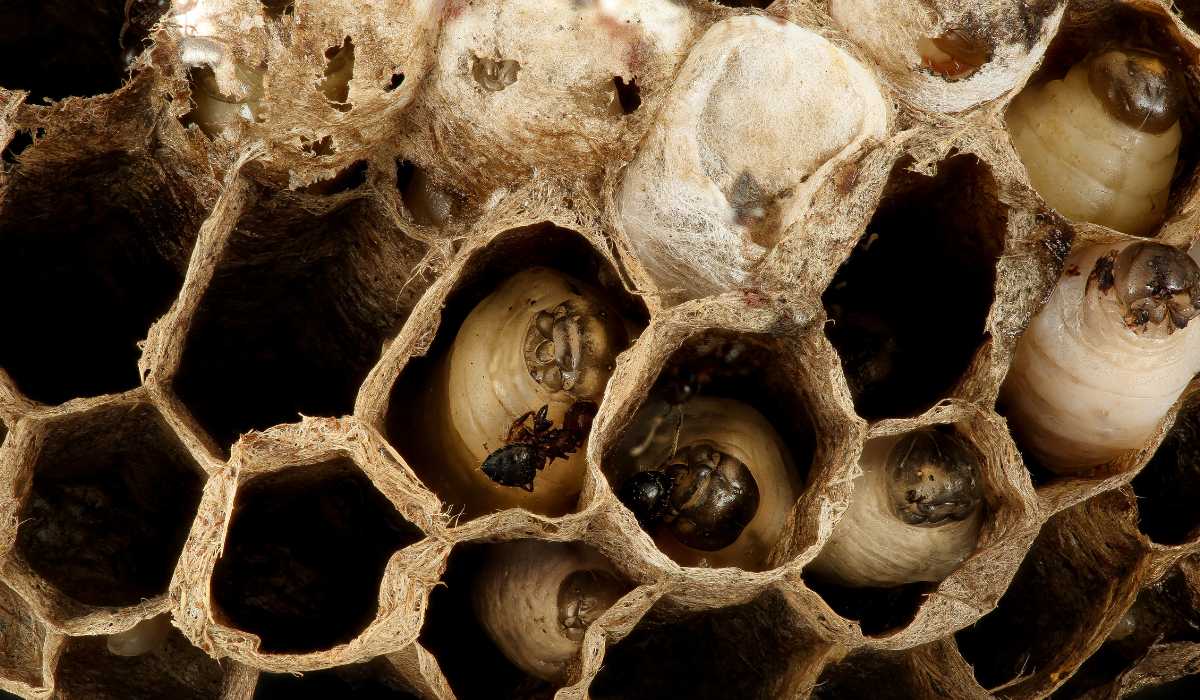
The queen emerges in late winter to early spring to feed and start a new nest. As workers hatch and the colony grows through summer, activity around your property increases. By late summer, wasp colonies may consist of nearly a thousand workers. That surge in population means more wasps foraging closer to outdoor living spaces.
How Wasp Lifespan Move Around Homes
Social wasps and bees sting to defend their colony. According to the University of Minnesota Extension, some yellowjacket species can also become aggressive during late summer and fall and may sting unprovoked. This shift in behavior is tied to the colony’s annual cycle. As the season progresses and the colony reaches peak size, encounters with people become more likely.
Trails and Entry Points Wasp Lifespan Use
Yellowjacket and paper wasp colonies survive only one year, with a single queen surviving to restart the cycle. You may notice wasps exploring eaves and sheltered spots each spring as queens search for fresh nesting sites. Paper wasps are relatively nonaggressive and serve as beneficial caterpillar predators, so control should generally be reserved for colonies that present a direct stinging threat.
Risks From Wasp Lifespan
Understanding how long wasps and related stinging insects remain active helps you gauge how much risk your home faces over a season. Different species bring different concerns, from painful stings to structural wear on wood surfaces. Here is what to keep in mind as colonies grow and individual wasps carry out their roles.
Health Risks Linked to Wasp Lifespan
As a colony grows through the warmer months, the number of defenders around a nest increases. Bumble bees nest in the ground and can become aggressive when their nest is threatened. Accidentally stepping near or mowing over an in-ground colony can trigger stings.
Yellowjackets pose a particularly serious concern. According to the University of Georgia pest guide, a mistake during yellowjacket nest treatment can result in hospitalization or death from excessive stings. This is why DIY removal of an active yellowjacket colony is risky, especially later in the season when populations are larger.
Property Damage From Wasp Lifespan
Not all wasp-related risks involve stings. Carpenter bees can bore into wood year after year, and cedar boards are particularly susceptible to extensive damage from these insects. Over multiple seasons, repeated nesting in the same area can weaken trim, fascia, and other exposed wood surfaces around your home.
Mud daubers build 4- to 6-inch long vertical mud tubes on walls in areas protected from rain. While these nests do not cause deep structural harm, they leave unsightly marks on siding, eaves, and garage walls that can build up over time.
Food Areas and Wasp Lifespan Activity
Outdoor dining and cooking areas can draw wasps that are foraging during the active months of their lifespan. Ground-nesting species like bumble bees may establish colonies near patios or walkways, and they can sting when their nest is disturbed. Awareness of nest locations near food prep or eating spaces helps you reduce surprise encounters.
When to Look Closer at Wasp Lifespan Activity
Regular observation throughout the season is worthwhile. Watch for mud tubes appearing on sheltered walls, ground-level buzzing near landscaping, or carpenter bee holes in exposed wood. Cedar surfaces deserve extra attention because they are especially prone to carpenter bee damage. Catching activity early in a colony’s lifespan gives you more options before the nest reaches its peak population.
Professional Pest Control for Wasp Lifespan
Understanding wasp lifespan helps you time prevention and treatment properly. Because social wasps defend their nests, working around an active colony without the right gear and approach can lead to stings. A professional service can address nests at the right point in the colony cycle, reducing risk to you and your household.
How to Reduce Attractants for Wasp Lifespan
Lowering what draws wasps to your property can limit where they build nests each season. Keep outdoor eating areas clean and cover food when dining outside. Seal garbage cans tightly and pick up fallen fruit from trees near your home.
Paper wasp queens that overwinter in groups may shelter inside structures. According to the University of Minnesota Extension, if you see them indoors, they are not coming from an active nest but from a sheltering spot. You can physically remove or capture them and release them outdoors rather than assuming a live colony is nearby.
Why Wasp Lifespan Control Starts With Inspection
Proper identification determines the right response. Yellowjackets, paper wasps, and other social wasps each nest in different locations and behave differently when disturbed. Social wasps defend their nests, as UC IPM notes. This defensive behavior makes accurate nest identification important before any treatment begins.
At LaJaunie’s Pest Control, we start with a free phone consultation to identify the pest you are dealing with. Our technicians then visit your property to locate nests and assess how close they are to high-traffic areas of your home.
What to Expect During Professional Wasp Lifespan Treatment
Once the inspection confirms the type and location of the nest, a LaJaunie’s pest technician takes full control of the situation. Our technicians wear bee suits for protection during service, which is important given that social wasps actively defend their nests when disturbed.
We use products such as Waspfreeze or Bifen to address active nests. It is worth noting that we do not treat honey bees, as they are protected. If the pest turns out to be a honey bee colony, our team will let you know during the consultation or initial visit.
What to Expect From a Wasp Lifespan Control Plan
A wasp control plan accounts for the seasonal nature of wasp colonies. Timing treatment around the colony’s lifespan means addressing nests when workers are present and active rather than waiting until the population has already peaked.
Overwintering queens appearing indoors during cooler months do not necessarily indicate an active colony. LaJaunie’s can help you determine whether you are looking at sheltering queens or a nest that needs professional attention, so the response fits the actual situation.
Bottom Line on Wasp Lifespan
Understanding wasp lifespan helps you anticipate when nests appear, when colonies peak, and when activity winds down around your home. Most social wasp colonies are annual, lasting only a single season before dying off. Queens that survive the winter start new nests the following spring, restarting the cycle. If a nest is close to your living space and poses a stinging concern, professional removal is the safest route. LaJaunie’s Pest Control offers a free phone consultation to identify the wasp type and schedule a technician visit when needed.
Frequently Asked Questions
Do All Wasps in a Colony Live the Same Amount of Time?
No. Workers and the old queen typically die off by the end of the season. Only newly produced queens that have mated may survive through winter to start colonies the following year.
When Are Wasp Colonies Most Active?
Colonies generally grow through spring and summer. By late summer, worker numbers can be substantial. Activity tapers as cold weather arrives and the colony dies out for the season.
Should I Remove Every Wasp Nest I Find?
Not necessarily. Some wasps, like paper wasps, can be beneficial because they prey on caterpillars. A nest that is away from high-traffic areas may not require treatment. Removal is worth considering when a nest is near doorways, play areas, or spots where stings are likely.
What Does LaJaunie’s Do About Wasps?
After a free phone consultation, a pest technician visits your property to assess the situation. Technicians wear protective bee suits and can treat eaves up to 25 feet high. LaJaunie’s does not treat honey bees, as they are protected.