



If you’re building a new home in Belle Chasse, termite treatment is required by Louisiana law before the concrete slab goes down. That window is narrow and tied to a specific stage of construction. Miss it, and the primary layer of protection is no longer available. Plaquemines Parish is one of the heaviest termite pressure areas in the country, and treating during the build costs far less than addressing an infestation in a finished home.
Key Takeaways
- Louisiana law requires termite treatment before the concrete slab is poured, and missing that window during construction eliminates the primary protection option.
- Belle Chasse sits in one of the heaviest termite pressure areas in the country, where the local climate and delta soils allow termite colonies to grow larger and cause damage faster than in most other states.
- The treatment contract your builder provides must include at least $25,000 in damage repair coverage for five years, filling a gap that standard homeowner’s insurance does not cover.
Why Termite Risk in Belle Chasse Is Higher
Louisiana falls within TIP Zone 1, the heaviest termite infestation probability classification in the country, and Plaquemines Parish sits at the center of that risk. Belle Chasse runs along the Mississippi River delta, where warm temperatures, year-round humidity, and moisture-saturated soils create conditions that allow termite colonies to grow large and remain active.
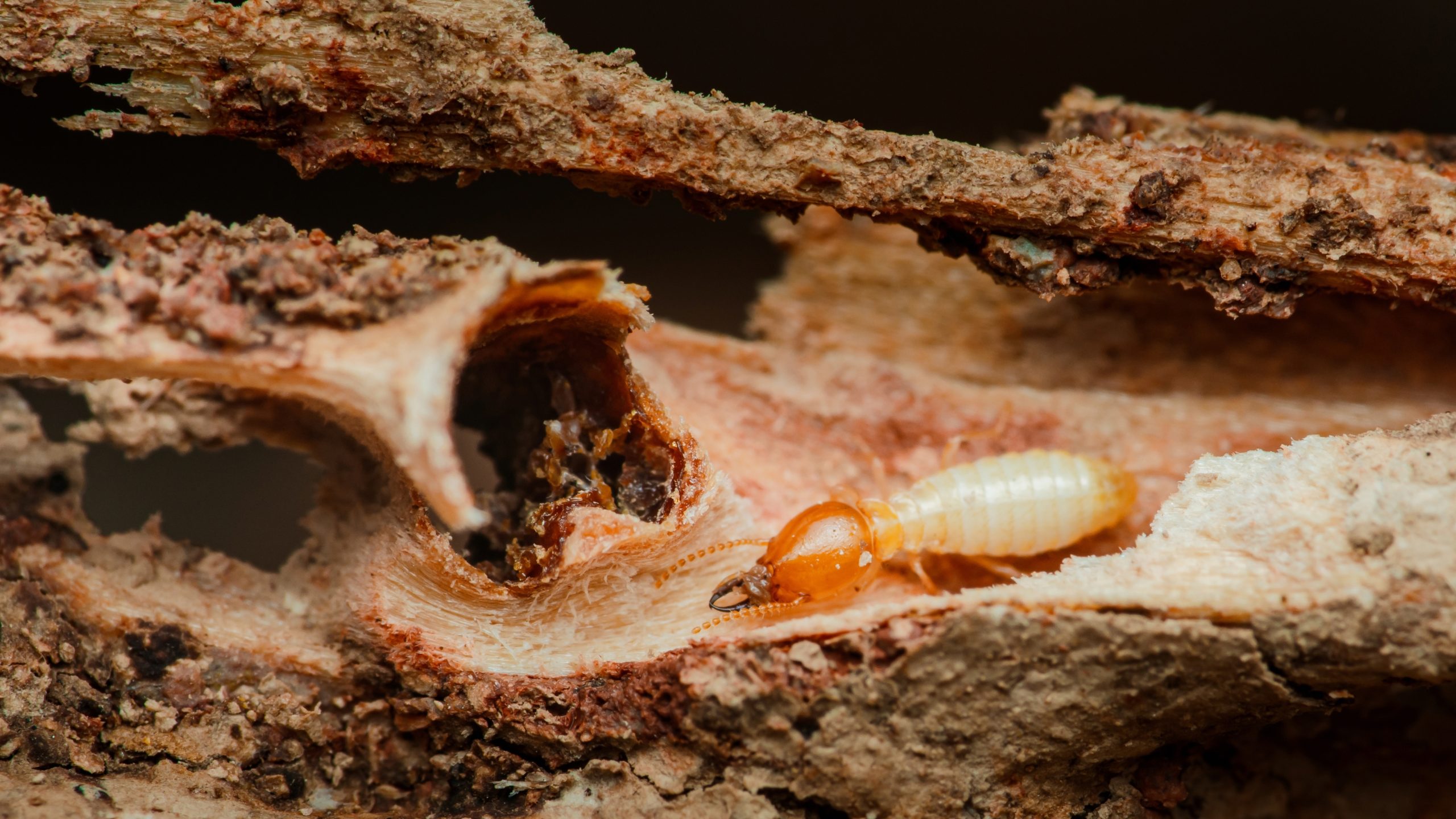
The Formosan termite drives the most serious structural risk in this region. The LSU AgCenter has documented that Formosan colonies can reach tens of millions of individuals, far larger than native species, and can build above-ground nests inside walls that store moisture and free the colony from needing continuous soil contact. Once a colony establishes itself inside a finished home, treating around an occupied structure is considerably more disruptive and less thorough than treating before the slab goes down.
What Louisiana Law Requires of Your Builder
Before any slab treatment begins, the licensed pest control operator must notify the Louisiana Department of Agriculture and Forestry district office at least one hour in advance, providing the company name, property address, treatment date, and estimated square footage. The operator is also required to keep a complete log of all treatments performed.
On the contract side, Louisiana Administrative Code Title 7, Part XXV, Section 119 requires every pre-construction treatment contract to include a damage repair warranty of at least $25,000, exclusive to the property owner, for five years. Standard homeowner’s insurance policies do not cover termite damage, which makes this warranty the primary financial protection a new construction buyer has if something goes wrong. After the five-year period, homeowners can renew annually with a licensed provider to keep that coverage in place.
How Pre-Construction Termite Treatment Works
The most common approach in Louisiana is a soil treatment applied to the graded ground beneath the slab before concrete is placed. A licensed technician applies a soil treatment product approved by both the EPA and the Louisiana Department of Agriculture and Forestry, creating a treated zone at the foundation level that disrupts termite activity before it can reach structural wood. This step must happen after the plumbing inspection is complete and the slab is graded, but before visqueen is placed and concrete is poured.
Some builders may choose additional wood treatments during construction. They may also combine soil treatment with a borate application for coverage at two separate stages of construction: one at the ground, one at the wood.
Once the home is complete, the perimeter of the foundation slab receives an additional liquid treatment that closes the outer barrier around the structure.
How to Protect Your Home After the Build Is Complete
The soil treatment creates a barrier at the foundation level, but landscaping work, plumbing repairs, utility access, and natural soil settling can all create gaps in that zone over time. Annual renewals allow technicians to inspect for activity, replace bait as needed, and identify conditions that may attract termites.
Reducing termite-attractive conditions around a finished home also helps:
- Keep mulch at least 8 to 12 inches from the foundation perimeter
- Direct water away from the slab through proper grading, gutters, and downspouts
- Remove firewood, lumber scraps, or cardboard stored near or beneath the structure
- Turn off exterior lights on warm, still evenings from late April through June, when Formosan termites swarm at dusk and are strongly attracted to light sources
Pre-Construction Termite Treatment: Bottom Line
Termite damage in Louisiana is common, expensive, and not covered by homeowner’s insurance. For anyone building in Belle Chasse, the construction phase is the most practical point to get protection in place. Once the slab is poured, that window is gone, and treatment options become more limited and more costly.
LaJaunie’s Pest Control has served Belle Chasse and Plaquemines Parish since 2008. Our technicians are licensed by the Louisiana Department of Agriculture and Forestry, know the local reporting requirements, and work with builders to coordinate treatment at the right stage. LaJaunie’s offers free termite inspections and uses the Trelona® Advanced Termite Baiting System for continued monitoring after the build is complete.
To schedule a termite pretreatment for your new construction project, call us or request a free quote. At LaJaunie’s, the pretreatment process includes the required slab-stage treatment and a return visit after construction is complete to establish a protective perimeter around the finished home.
Frequently Asked Questions
When exactly does pre-construction termite treatment need to happen?
Treatment must be scheduled after the plumbing rough-in is complete and the slab is graded, but before visqueen is placed and concrete is poured. Missing that window eliminates the soil treatment option entirely. Coordinate with a licensed pest control provider early in your construction timeline so there is no delay at that stage.
Does my builder arrange this, or do I need to hire someone separately?
Louisiana law requires the builder to provide a termite pretreatment as part of new construction, but the treatment must be performed by a licensed pest control operator. Some builders have a standing relationship with a specific company; others leave the choice to the homeowner. Either way, you are entitled to know which licensed company performed the treatment and to receive the warranty documentation at closing.
What is the difference between a soil treatment and a borate treatment?
A soil treatment is applied to the ground beneath the slab before concrete is poured, creating a treated zone at the foundation level. A borate treatment is applied to framing lumber after the home is framed but before drywall is installed. Borates absorb into the wood and remain harmful to termites that try to feed on it. The two methods protect at different stages and target different points of entry. They can be combined for coverage at both levels.
Do I need ongoing termite inspections after the initial treatment?
Soil disturbance from landscaping, repairs, or settling can open gaps in the treated zone over time, and the five-year warranty has an end date. Annual contract renewal brings a licensed technician back to inspect the property, perform retreatment where needed, and keep your coverage current without a lapse.