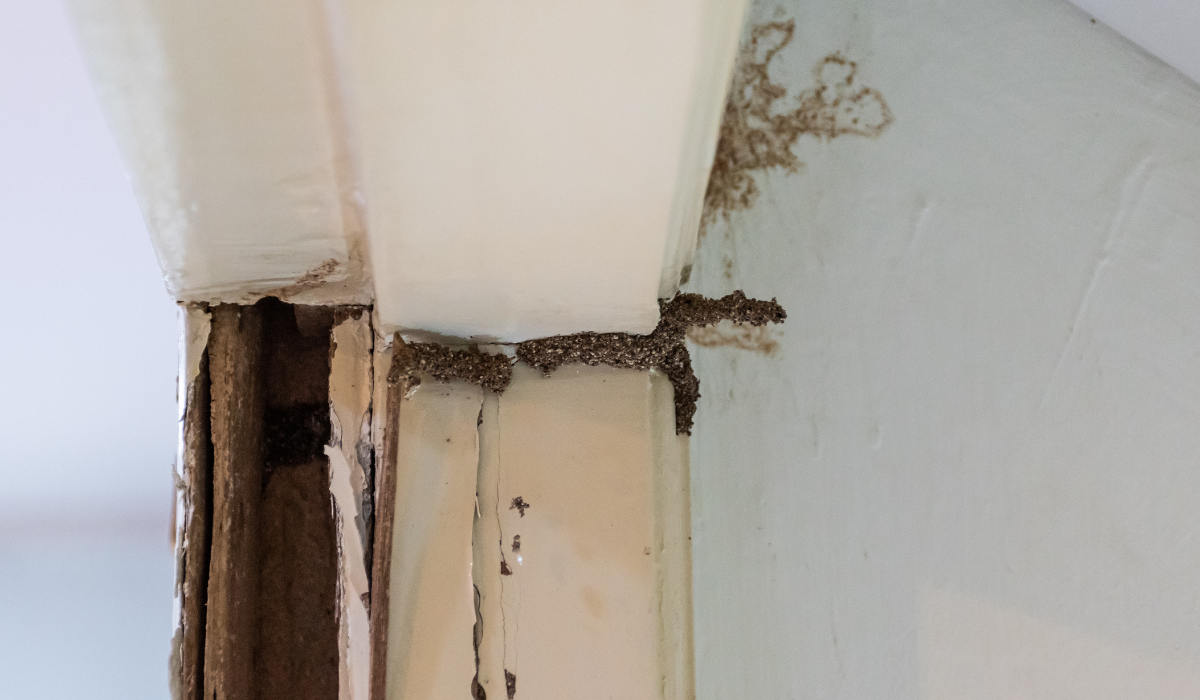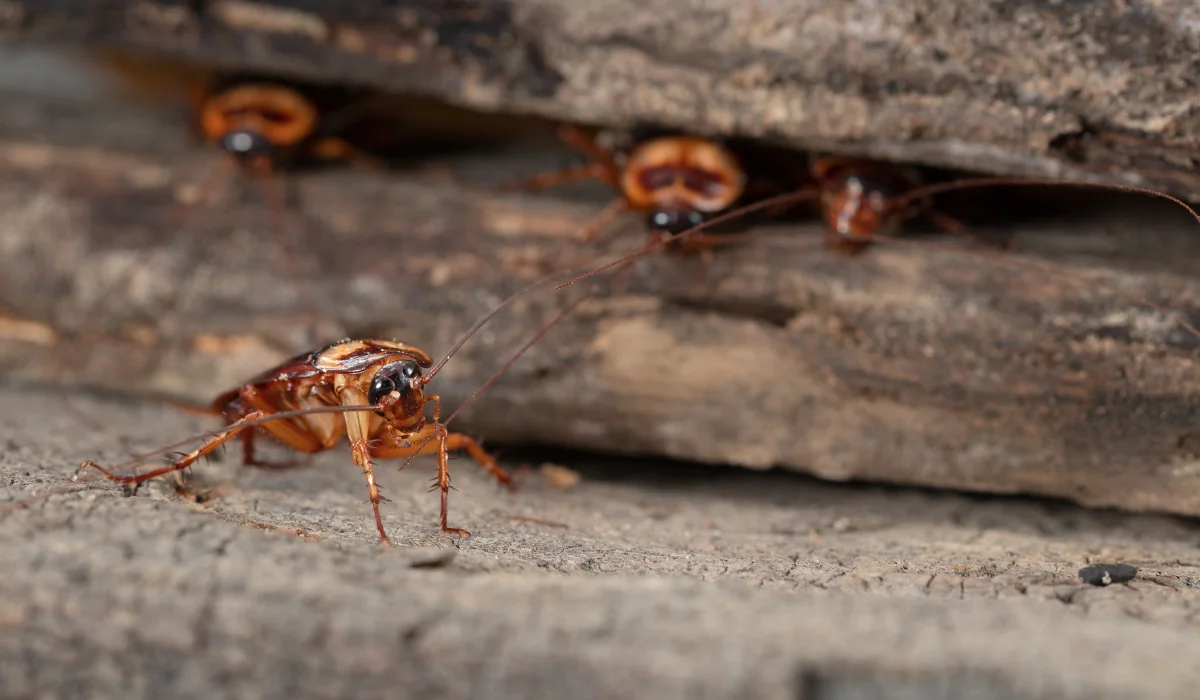





You spot a narrow mud tube on the slab, loose wings beside a window, or a soft section of trim near the floor. The damage may look minor, but termites often work out of sight inside walls, under flooring, or below the house. Once you find one sign, the next concern is what happens if the activity returns after treatment.
That is where a termite bond comes in, which is a renewable agreement between you and a licensed pest control company. Depending on the terms, it may cover inspections, monitoring, retreatment, and certain termite repairs. The contract explains what the company will do if covered termites appear again.
For Louisiana homeowners, that written plan matters. Warm weather, damp soil, frequent rain, slab openings, and raised crawl spaces give termites many ways to reach structural wood. Before you choose a termite protection plan, you need to know what is covered, what renewal requires, and what costs could still fall on you.
What Is a Termite Bond?
A termite bond is a termite treatment contract tied to a specific property. It lists the covered buildings, treatment method, inspection schedule, renewal fee, exclusions, and responsibilities of the homeowner and pest control company.
Although the word “bond” sometimes sounds like an insurance product, it is not a standard homeowners insurance policy. Coverage comes from the pest control provider under the written service agreement.
Some companies use other names, such as termite warranty or termite protection plan. Those labels do not tell you whether repairs are included. A retreatment agreement and a termite damage warranty can carry very different financial terms.
How It Differs From a Termite Inspection
A termite inspection records what a technician can see in accessible areas on the inspection date. The technician may find mud tubes, damaged wood, discarded wings, active termites, leaks, or construction features that raise the risk of infestation.
A Wood-Destroying Insect Report documents visible evidence of termites and other wood-destroying insects. It is often prepared during a property sale or refinancing process. A report does not provide continuing treatment unless it is paired with an active termite agreement.
A termite bond continues after the inspection. As long as the agreement remains active, the provider returns for the inspections, monitoring, and covered treatment listed in the contract.
What Does a Termite Bond Cover?
Termite bond coverage usually falls into two groups. One covers retreatment. The other covers retreatment and some qualifying repairs.
Retreatment-Only Coverage
Under a retreatment agreement, the provider returns when covered termite activity is confirmed. The company inspects the affected area and applies another treatment under the contract terms.
You still pay to repair damaged flooring, drywall, framing, baseboards, cabinets, or trim. Retreatment coverage can reduce future treatment costs, but it does not act as a termite repair bond.
Retreatment and Repair Coverage
A termite damage warranty may cover another treatment and repairs caused by covered termites. The agreement may set a maximum repair amount, limit coverage to the main residence, or exclude damage that existed before the contract started.
Leaks, rot, inaccessible spaces, and unreported construction changes may also affect a claim. These details should be clear before you sign.
| Contract Term | What to Confirm |
| Covered termite types | Check whether the contract covers subterranean, Formosan, drywood, or all listed types |
| Repair protection | Confirm whether it includes retreatment only or qualifying repairs |
| Repair limit | Find the maximum dollar amount available under the agreement |
| Covered structures | Check the house, garage, deck, shed, addition, and detached buildings |
| Existing damage | Ask how old termite activity and repairs will be documented |
| Annual inspection | Confirm how often the provider visits and which areas are inspected |
| Termite bond renewal | Review the fee, due date, grace period, and late-payment terms |
| Transfer rules | Ask whether a buyer can continue the bond after the home is sold |
A lower renewal fee may come with limited coverage. Compare the full contract before comparing price.
How a Termite Bond Works
The process starts with a property inspection. The technician reviews the foundation, building style, attached concrete, crawl space, attic access, plumbing areas, moisture conditions, and evidence of past or current termite activity.
Those findings shape the treatment recommendation. A slab home, raised home, historic house, and new construction property may need different methods.
Treatment Based on the Termite Type
Subterranean termite treatment may involve bait stations installed around the home or a liquid soil treatment placed beside the foundation. Concrete areas may require drilling so the treatment can reach the soil below.
Drywood termites require a different approach because they live inside the infested wood. Treatment may involve direct liquid applications, foam, or another localized method based on the active area.
Annual Termite Inspection and Renewal
An annual termite inspection gives the technician a chance to review the treatment system and look for changes around the property. With a baiting system, the visit may include checking station condition, reviewing termite activity, and replacing material when needed.
The technician may also document leaks, damaged stations, new concrete, soil contact, or landscaping that blocks access to the foundation.
A termite bond renewal keeps the agreement active. Missing a payment or inspection may end the coverage, depending on the contract. Homeowners may also need to report remodeling, additions, drainage changes, or work performed by another provider.
The Louisiana Department of Agriculture and Forestry states that licensed companies must report termite contracts, Wood-Destroying Insect Reports, termite perimeter applications, and pretreatments.
Keep the original contract, treatment diagram, annual inspection reports, renewal receipts, and repair documents together. These records show when treatment occurred and whether coverage remained active.
What Affects Termite Bond Cost and Coverage?
There is no single termite bond cost that fits every Louisiana home. The price depends on the building, treatment method, foundation, active infestation, concrete access, and type of coverage.
A company may base the initial price on linear footage, treatment area, drilling needs, or the system installed. A raised home with tight crawl-space access may require more inspection work than a small slab home with an exposed foundation.
Repair coverage can also cost more than retreatment-only protection because the provider accepts added financial responsibility.
Property Changes That May Affect Coverage
A termite treatment is installed around the home as it exists at the time of service. Later changes can disturb treated areas or create new entry points.
A patio may cover treated soil. An addition may create an untreated foundation. New mulch may hide the slab edge. A plumbing leak can keep wood damp inside a wall.
Contact the termite company before pouring concrete, enclosing a crawl space, building an addition, or changing the soil level beside the house. The new area may need inspection or treatment.
| Condition or Change | Possible Effect |
| Missed renewal payment | The termite bond may expire |
| Unrepaired plumbing or roof leak | Related damage may be excluded |
| New room or addition | The new section may not have termite protection |
| New patio or concrete | Existing soil treatment may be blocked or disturbed |
| Mulch or soil over the slab edge | Entry points may become hidden |
| Inaccessible crawl space | The annual termite inspection may be incomplete |
| Treatment by another provider | Responsibility for future activity may be disputed |
| Unreported remodeling | Covered treatment areas may be removed or altered |
Contract terms differ between providers. Read the current agreement instead of assuming every termite warranty works the same way.
Is a Termite Bond Worth It in Louisiana?
A termite bond can be worthwhile when you want a response plan in place before termites return. Without an active agreement, a new infestation may require another inspection, another treatment, and repairs paid out of pocket.
With continuing coverage, the contract states which inspections and treatments the provider owes. A repair agreement also explains when qualifying damage may be covered.
Termite protection may be more valuable for older homes, raised houses, properties with drainage trouble, and homes with previous termite activity. It may also help homes near established Formosan termite populations or properties with mature trees and old stumps nearby.
The right choice depends on the wording of the agreement. Compare the termite types covered, repair limit, annual cost, inspection schedule, transfer terms, and homeowner responsibilities.
Why Louisiana Homes Need Termite Protection
Louisiana has native subterranean termites, Formosan termites, and drywood termites. Subterranean termites travel through soil and protected mud tubes. Drywood termites can live inside the wood they infest without returning to the ground.
The LSU AgCenter states that Formosan termites have been reported in 42 of the state’s 64 parishes. Their swarm season can begin in April and continue through June, with the busiest period in early to mid-May.
During a swarm, winged termites may collect around porch lights, windows, doors, and streetlights. A few insects near an outside light do not prove that your home has an infestation. A large indoor swarm or piles of loose wings inside the house should be inspected.
Why Termite Damage Can Stay Hidden
Termites do most of their feeding out of sight. They may enter through a slab joint, travel around plumbing, move under a raised home, or feed behind drywall while the finished surface still looks intact.
Moisture creates more trouble. A slow plumbing leak, clogged gutter, damp crawl space, or low area beside the foundation can support subterranean termite activity. Mulch, dead trees, stumps, lumber, and cardboard also provide food close to the house.
The Environmental Protection Agency (EPA) reports that termites cause billions of dollars in structural damage yearly, with property owners spending more than $2 billion each year on termite treatment.
Those figures cover the United States as a whole. Louisiana’s climate and termite population give local homeowners more reason to watch for signs and maintain ongoing protection.
| Louisiana Home Condition | Why It Matters |
| Raised crawl space | Moisture, piers, plumbing, and hidden wood are harder to inspect from outside |
| Slab foundation | Termites may enter through joints, cracks, bath traps, and utility openings |
| Attached concrete | Patios and driveways can block access to soil beside the foundation |
| Dense mulch or plants | Landscaping may hide mud tubes and hold moisture near the house |
| Dead trees or stumps | Decaying wood gives termites a food source near the structure |
| Storm repairs or additions | New work may disturb treated soil or leave untreated sections |
Get a Termite Plan Based on Your Home
South Louisiana homes do not all face termites in the same way. A slab home in Metairie, a raised house in Houma, and a newer property near Baton Rouge can have different moisture concerns and access points.
At LaJaunie’s Pest Control, we treat Formosan, Eastern subterranean, and drywood termites. We base the treatment on the termite type, the home’s construction, and where the activity is found. Our services may include bait stations, liquid foundation treatment, direct applications, or localized foam treatment.
We inspect the structure, identify the termite involved, and explain the treatment and warranty terms before service begins. You will know what the agreement covers, what renewal requires, and what happens if termite activity appears later.
Contact LaJaunie’s Pest Control and schedule a termite inspection to get a treatment and protection plan based on your home.