



The types of mice in Gretna, LA can be difficult to identify from a quick sighting, especially when the animal disappears into a wall, garage, or attic opening. LaJaunie’s serves Gretna and other Southeast Louisiana communities, and our rodent inspectors look beyond the mouse itself for evidence such as gray attic run trails, droppings, chewing damage, nesting material, and entry points around the structure. House mice, deer mice, and white-footed mice can differ in appearance and behavior, but all can become a problem when they find food and protected shelter indoors. Knowing what to look for can help you identify the activity and decide what to do next.
- House mice are generally gray or light brown, while deer mice and white-footed mice have more noticeable light-colored undersides.
- Deer mice are associated with hantavirus, making careful handling of droppings and nesting material especially important.
- Mouse identification works best when appearance is combined with droppings, nesting material, chewing damage, travel routes, and entry points.
Key takeaways
Mice in Gretna homes
The mouse species that turn up in Gretna homes, how to tell them apart, and what each one risks.
Types of Mice in Gretna, LA and How to Tell Them Apart
The types of mice in Gretna, LA discussed in this guide include house mice, deer mice, and white-footed mice. They can look similar at a glance, but differences in coloring, tail appearance, habitat, and where they are found around a home can help narrow down the identification.
Droppings alone are not enough to confidently identify a species. LaJaunie’s inspectors also look at travel routes, nesting material, chewing damage, odors, and structural openings to determine what kind of rodent activity is present. Homeowners who are unsure whether they saw a mouse at all can also compare the differences between rats and mice before focusing on a specific mouse species.
| Feature | House Mouse | Deer Mouse | White-Footed Mouse |
|---|---|---|---|
| Color | Gray to light brown with fairly uniform coloring | Brown above with a white or pale underside | Tan to reddish-brown with white feet and a pale underside |
| Tail | Long with little hair and fairly uniform coloring | Often shows more contrast between the upper and lower sides | Often lighter underneath |
| Ears | Small and rounded | Relatively large compared with the head | Prominent ears |
| Common Habitat | Homes, garages, storage areas, walls, and attics | Fields, wooded edges, sheds, and sheltered outdoor areas | Wooded areas, sheds, attics, and elevated hiding areas |
| Indoor Clues | Droppings, gnawing, nesting material, scratching | Droppings and nesting material after entering from outdoors | Activity around attics, storage areas, or upper parts of a structure |
| Health Concern | Can contaminate food and surfaces | Associated with hantavirus | Can contaminate surfaces and stored materials |
LaJaunie’s comparison of field mice vs. house mice in Louisiana provides more context on how appearance and habitat can help separate outdoor-associated mice from house mice.
House Mice
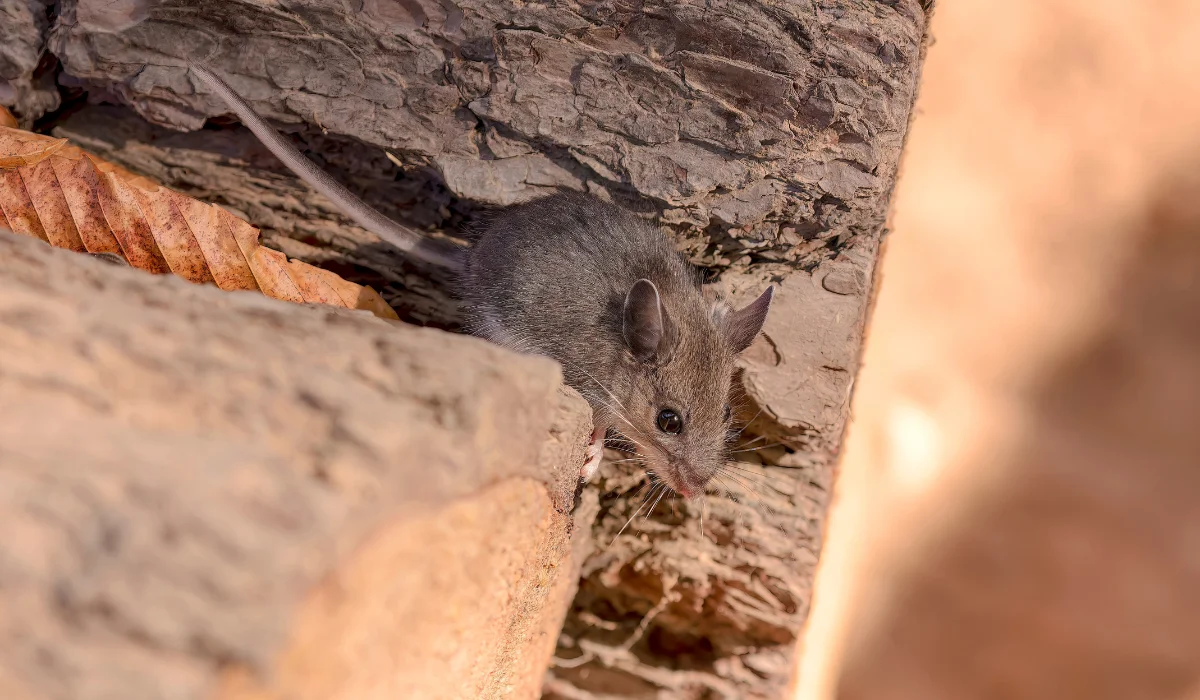
House mice, Mus musculus, are small rodents with gray to light brown fur, pointed noses, and long tails with little hair. They are well adapted to living around people and may remain inside walls, garages, attics, storage areas, and other protected parts of a home.
LaJaunie’s inspectors may find droppings, damaged cardboard, chewed storage materials, nesting material, or gray run trails where mice repeatedly travel through an attic. If mice settle inside wall voids, scratching may be one of the first signs homeowners notice.
Deer Mice
Deer mice, Peromyscus maniculatus, typically have brown fur across the upper body with a noticeably lighter or white underside. Their ears often appear relatively large, giving them a more distinct two-tone appearance than a house mouse.
These mice are associated more closely with outdoor shelter such as grassy areas, wooded edges, sheds, and similar locations. They can still enter homes when they find food or protected shelter, especially when cooler weather makes indoor spaces more attractive.
White-Footed Mice
White-footed mice can resemble deer mice, which makes quick identification difficult. They are often tan to reddish-brown with a lighter underside and pale feet, and they are capable climbers that may reach sheds, attic areas, and other elevated hiding places.
Because deer mice and white-footed mice share several visual traits, a brief sighting may not provide enough information to separate them. Where the mouse was found and the evidence around the property can provide useful context.
How LaJaunie’s Identifies Mouse Activity in Gretna Homes
Identifying mice in Gretna homes requires more than seeing a small rodent run across the floor. LaJaunie’s rodent process starts with a detailed exterior inspection to find openings that may need sealing, repair, or exclusion work.
Inside attics, technicians look for:
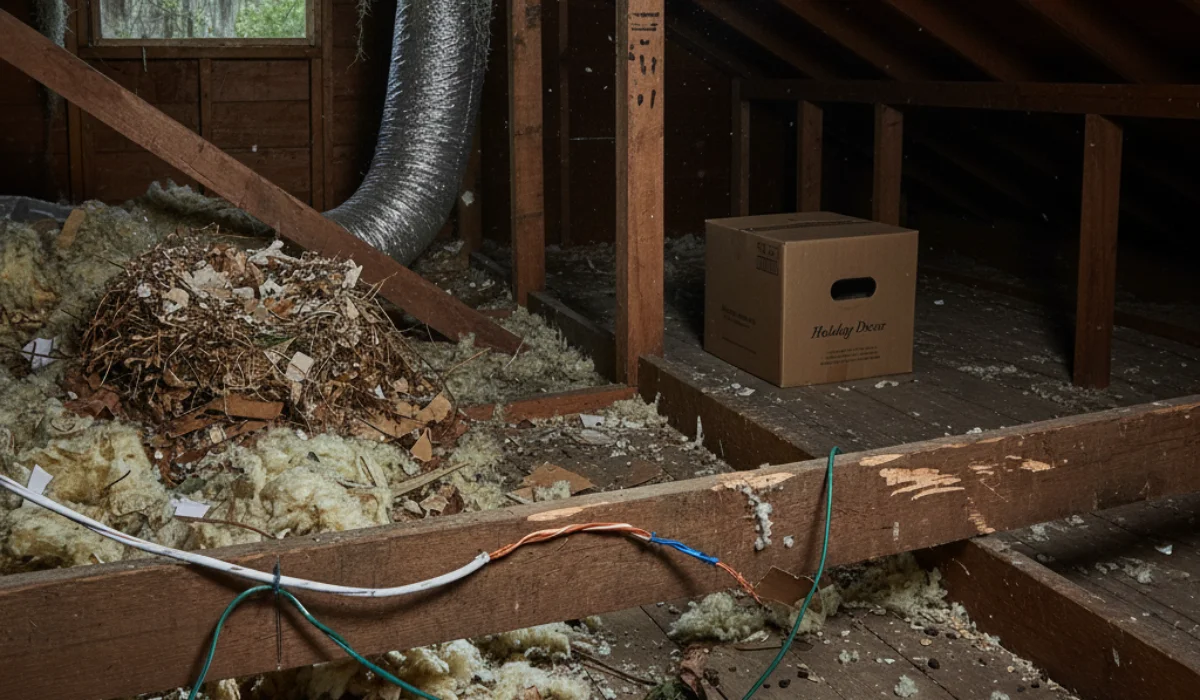
- Gray travel trails caused by oils from repeated rodent movement
- Droppings that can help indicate the size of the rodent
- Chewing damage around AC conduits and stored materials
- Damaged cardboard, bags, clothing, or bedding used as nesting material
- Musty urine odors
- Entry and exit routes that were difficult to see from outside
If droppings are the first evidence you find, LaJaunie’s guide to mouse droppings in the home can help distinguish rodent waste from other debris. A strong or recurring odor can provide another clue, and mouse urine smells may be especially noticeable in concealed areas that rodents use repeatedly.
These signs can also help trace activity back toward the part of the home mice are using to get inside. An attic trail, for example, may lead technicians toward an exterior opening that was not obvious during the first inspection.
Where Mice Hide in Gretna Homes
The types of mice found around Gretna can use several parts of a home once they get inside. Quiet areas with shelter, nesting material, food, or water can give them places to remain out of sight.
Attics and Wall Voids
Attics can contain insulation, cardboard, stored belongings, and protected travel routes. Mice may also move into wall voids after entering through gaps elsewhere on the structure.
If scratching inside the walls is the first sign you notice, the sound may tell you where mice are traveling but not where they entered. Inspectors use surrounding evidence to work backward toward the access point.
Garages and Storage Areas
Garages are one of the common mouse entry areas identified in LaJaunie’s service information. Gaps around doors, stored pet food, cardboard boxes, and other materials can provide both food and nesting opportunities.
Mice can also move from garages into parked vehicles. LaJaunie’s tips for keeping mice out of your car cover another sheltered area where rodents may nest or chew materials.
Kitchens and Areas Near Food
House mice can settle close to kitchens, pantries, pet food, and other reliable food sources. Droppings inside cabinets or near appliances may be one of the first signs homeowners notice.
Food stored in sturdy containers and prompt cleanup of crumbs or spills can reduce easy food sources. These steps do not remove an active infestation, but they make indoor spaces less supportive of mice.
When Mice Move Into Gretna Homes
Mice around Gretna remain active throughout the year, but cooler weather can make protected indoor shelter more attractive. LaJaunie’s service information notes that mice look for warm places when temperatures turn chilly and search homes and businesses for openings.
Common mouse entry points include:
- Garages
- Holes in siding
- Foundation cracks
- Gaps around doors
- Gaps around windows
Once mice gain access, attics, wall voids, storage areas, and garages can give them the shelter they need to remain inside. Mouse populations can also grow when food and nesting areas remain available, which is why understanding how fast mice multiply in a home matters when sightings or fresh droppings continue.
Deer Mice and Hantavirus Risk in Louisiana
Deer mice deserve extra attention because they are associated with hantavirus. The risk comes from exposure to contaminated urine, droppings, saliva, or nesting material, especially when dried material is disturbed and particles become airborne.
For Gretna homeowners, the practical concern is how suspected deer-mouse waste is handled in places such as attics, garages, sheds, and storage areas. Do not sweep or vacuum dry droppings or nesting material because those actions can stir contaminated particles into the air.
Finding a deer mouse does not mean hantavirus is present. The available sources do not provide a verified Gretna, Jefferson Parish, or Louisiana infection percentage, so a local rate should not be assumed. The safer approach is to handle suspected deer-mouse evidence carefully regardless of location.
Signs of a Mouse Infestation in Gretna
Different types of mice in Gretna can leave many of the same signs indoors. You may not be able to identify the exact species from one clue, but several signs together can show that rodent activity is ongoing.
Look for:
- Small, dark droppings
- Scratching or movement inside walls or ceilings
- Gnaw marks on food packaging or stored belongings
- Chewing around wires or AC conduits
- Shredded paper, fabric, or insulation used for nesting
- Damaged cardboard boxes or plastic bags
- Gray run trails in attics
- Musty urine odors
Repeated fresh droppings, continued scratching, or new chewing damage suggest that the activity has not stopped. Seeing one mouse does not reveal how many are using the structure, especially when nesting areas are hidden.
How to Keep Mice Out of Your Gretna Home
Keeping mice out starts with limiting the openings, food sources, and nesting materials available around the property. LaJaunie’s recommends addressing entry points before relying on traps alone because mice can continue entering while those openings remain accessible.
Seal Common Entry Points
Inspect siding, foundations, garage doors, windows, exterior doors, and utility openings. Gaps that look minor from the ground can still provide rodent access.
Store Food and Pet Food Securely
Keep pantry goods and pet food in sturdy containers that close securely. Clean spills and crumbs promptly and avoid leaving uneaten pet food accessible overnight.
Reduce Nesting Materials
Mice can chew cardboard and flimsy plastic and may use fabric, paper, clothing, or bedding for nesting. Heavy-duty storage containers provide better protection for items kept in garages and attics.
Trim Vegetation Near the Structure
LaJaunie’s recommends keeping branches and bushes several feet away from the foundation. Reducing dense cover can make exterior inspection easier and remove sheltered routes close to the structure.
Do Not Rely on One Household Remedy
DIY methods can distract from the larger issue when mice are still entering through an open gap. Questions about whether baking soda kills mice focus on one household remedy, but successful control still depends on finding active areas and addressing access points.
When to Call for Mouse Control in Gretna
Professional mouse control makes sense when droppings keep returning, scratching continues in walls or ceilings, rodents are active in inaccessible areas, or you cannot determine where they are entering. The goal is not only to address the mouse you happen to see but also to identify the access points and evidence around the structure.
LaJaunie’s mice control service can address active mouse problems using inspection findings from the property. For homeowners who need local service, LaJaunie’s also provides rodent control in Gretna, LA based on the conditions and entry points found during inspection.
The time required to resolve a mouse problem can vary depending on how many rodents are present, where they are nesting, and how much exclusion work is needed. LaJaunie’s explanation of how long it takes to get rid of mice covers why one property may take longer than another.
Making the Right Mouse Control Choice for Your Gretna Home
The types of mice in Gretna, LA can look similar, but differences in coloring, habitat, and behavior can help narrow down what you are seeing. House mice tend to have more uniform coloring and are well adapted to indoor living, while deer mice and white-footed mice have more noticeable light-colored undersides and are often associated with outdoor shelter.
Appearance is only part of the answer. Droppings, attic run trails, chewing damage, nesting material, and entry points can provide a much clearer picture of the activity. LaJaunie’s Pest Control serves Gretna and communities throughout Southeast Louisiana. If mice keep appearing or you find signs of an active infestation, contact LaJaunie’s to schedule service.
Frequently Asked Questions About Mice in Gretna Homes
What Types of Mice Are Common Around Gretna, LA?
House mice, deer mice, and white-footed mice are three types homeowners may encounter around Gretna. House mice are well suited to indoor living, while deer mice and white-footed mice are more closely associated with outdoor shelter. Appearance, location, and other evidence should be considered together when identifying them.
How Can I Tell What Type of Mouse Is in My Gretna Home?
Check the mouse’s coloring, underside, tail, and ears, then consider where it was found. House mice are usually more uniformly gray or brown. Deer mice and white-footed mice have more noticeable light-colored undersides. Droppings, nesting material, run trails, and entry points can provide more clues.
Are Deer Mice in Gretna a Hantavirus Risk?
Deer mice are associated with hantavirus, but finding one does not mean the virus is present. Avoid sweeping or vacuuming dry droppings or nesting material because disturbing contaminated waste can put particles into the air. Handle suspected deer-mouse evidence carefully and consider professional inspection for larger accumulations.