




American Giant Mosquito can cause costly problems when early signs are missed. Learn the signs, risks, and when to call LaJaunie’s Pest Control.
Key Takeaways About American Giant Mosquito
- The American giant mosquito is a notably large mosquito species that homeowners may encounter, and proper identification helps you understand what you’re dealing with.
- Like other mosquitoes, these insects can bite, and reducing standing water around your property is one of the most practical steps for limiting where they breed.
- Monthly mosquito treatments paired with ongoing population-control systems, such as the In2Care system used by LaJaunie’s Pest Control, can help manage mosquito activity across your yard.
- Being aware of conditions that attract mosquitoes to your property allows you to address potential breeding areas before populations build up.
How to Identify American Giant Mosquito
The American giant mosquito stands out from other mosquito species mainly because of its noticeably larger body size. Recognizing this species early helps you understand what you are dealing with around your home. Both males and females may nectar-feed, but only females are blood feeders. Mammals and birds are the preferred hosts for this species, though females will readily bite humans.
How to Tell american giant Types Apart
Size is the most obvious feature that separates the American giant mosquito from the many other mosquito species you may encounter. Various mosquito species can look similar at first glance, so paying attention to body length and leg proportion helps with identification. Female mosquitoes of this species are the ones that bite, while males feed on nectar.
Development time from egg to adult depends on water temperature and the species of mosquito. According to Kansas State University Extension, this process can take as little as seven days or up to several weeks. Because timing varies, you may notice different size stages around standing water at any given time.
How to Spot american giant Activity Inside Your Home
If an American giant mosquito makes its way indoors, itchy bumps on exposed skin after resting or sleeping are often the first sign. Female mosquitoes locate hosts by sensing carbon dioxide from breath and skin, host odor, temperature, color, and movement. That means you may notice biting activity more in rooms where people spend extended time.
Because of their larger size, these mosquitoes can be easier to spot resting on walls or ceilings compared to smaller species. Finding one or two indoors does not necessarily mean a large population is present, but it does suggest breeding habitat may be nearby.
Where american giant Activity Shows Up Around Homes
Outdoors, you are most likely to notice this species near areas where standing water collects. Mosquitoes are considered a nuisance because of the itchy bumps left on the body after the female feeds, so activity is often first noticed in yards where people spend time during warmer months.
Various mosquito species can vector diseases, which makes identifying breeding areas around your property worth the effort. Shaded, moist areas tend to attract resting adults during the day.
Exterior Entry Points american giant Use
Open doors and windows without screens are the most straightforward entry points for this species. Because adult female mosquitoes sense carbon dioxide, temperature, and movement from potential hosts, they are drawn toward openings where air flows outward from occupied rooms. Gaps around door frames or damaged screens can allow even larger mosquito species to slip inside.
Why American Giant Mosquito Problems Develop
Mosquito problems around your home start with water and a reliable food source. Female mosquitoes must ingest a blood meal to produce eggs. Once they feed, they deposit eggs on or near standing water, soil, and plant bases in areas that may collect water. According to the EPA, these eggs can endure dry conditions for several months, waiting for moisture to trigger the next stage.
Outdoor Nesting Areas for american giant
Females lay eggs in moist soil around puddles and ditches, and those eggs can remain dormant for years before water triggers hatching. Standing water on your property is the primary breeding ground. Females deposit eggs on the water surface, on aquatic vegetation, or on other structures near water. Hatching time depends on water temperature, food availability, and species type.
Once eggs are exposed to water, larvae emerge and remain aquatic as they feed and develop into pupae. According to Purdue Extension, eggs may hatch in less than 3 days, and larvae mature in 7 to 10 days before changing into pupae. Adults can emerge two or three days after that.
Food and Shelter That Attract american giant
Both male and female mosquitoes feed on nectar. Females, however, also use their long proboscis to pierce skin and feed on blood. As Kansas State University Extension notes, males have large, bushy antennae and do not take blood meals. Any yard with flowering plants and people or animals nearby provides both nectar and blood meal opportunities that draw mosquitoes in.
How american giant Move Around Homes
Floodwater mosquitoes emerge first after rain events. These larger insects lay eggs in moist soil, so yards with low spots, ditches, or poor drainage can see a surge in activity after rainfall. A single female can lay 100 to 300 eggs in her lifetime, meaning even one generation can build numbers quickly around your property.
Trails and Entry Points american giant Use
Mosquitoes follow moisture. After taking a blood meal, each female may lay up to 400 eggs on the surface of water or where water is likely to accumulate. They gravitate toward any area where water gathers, including soil and plant bases. Shaded, damp zones around your home give adults a place to rest between feedings, keeping them close to both breeding sites and hosts.
Risks From American Giant Mosquito
The American Giant Mosquito draws attention because of its large size, but its actual risk profile differs from many smaller mosquito species. Understanding what this insect does and does not do helps you focus your concern where it matters most.
Health Risks Linked to american giant
The American Giant Mosquito does not bite, sting, suck blood, or spread mammalian diseases. It also does not eat or bore into wood structures. That makes it very different from the mosquito species that threaten human and animal health by carrying diseases.
According to Purdue Extension, certain mosquitoes can seriously threaten public health because of their ability to transmit human diseases. Those disease-carrying species, such as Culex mosquitoes, are the primary concern for public health officials. Because the American Giant Mosquito lacks the ability to bite or transmit diseases, it does not pose the same direct health risk to you or your family.
Still, homeowners should stay vigilant about preventing mosquito bites from other species to reduce the risk of contracting diseases. The presence of any large mosquito on your property can signal breeding conditions that attract more harmful species as well.
Property Damage From american giant
The American Giant Mosquito does not eat or bore into wood structures, so it poses no structural threat to your home. It will not damage siding, framing, decks, or fences the way wood-destroying pests can.
Its presence is largely a nuisance rather than a property concern. However, the standing water that supports mosquito breeding in general can itself create problems. Any site that accumulates standing water should be inspected for possible mosquito breeding, and sites identified as actively breeding mosquitoes should be noted for follow-up control efforts.
Food Areas and american giant Activity
Because the American Giant Mosquito does not suck blood or feed on human food, it is unlikely to contaminate kitchens, pantries, or outdoor dining spaces the way some pests do. Its larvae develop in standing water, not around food sources.
That said, as the EPA notes, mosquitoes that carry diseases can damage human and animal health. Outdoor areas where water collects near food-preparation or eating spaces may attract multiple mosquito species, including types that do bite.
When to Look Closer at american giant Activity
Seeing American giant mosquitoes around your yard suggests standing water is present nearby. According to Purdue Extension, mosquito larvae may be submitted to specialists for species identification if disease-transmitting mosquitoes are suspected.
Because Culex and other disease-carrying species prefer stagnant water with high bacteria content, the same breeding sites that support the American Giant Mosquito may also harbor species that pose real health risks. Inspecting and addressing standing water on your property is a practical first step toward reducing mosquito activity overall.
Professional Pest Control for American Giant Mosquito
Managing any blood-feeding pest around your home starts with understanding what draws it in and how a trained service team can help. Mosquitoes are among the most common yard pests in southeast Louisiana, and a structured approach to prevention, inspection, and ongoing treatment can make a meaningful difference in your comfort outdoors.
How to Reduce Attractants for american giant
Standing water is the single biggest attractant for mosquitoes looking to breed. Walk your property and look for water that collects in flower-pot saucers, clogged gutters, old tires, or low spots in the yard. Even small puddles can support a new generation of pests.
Trimming overgrown vegetation helps reduce shaded resting areas where adult mosquitoes wait during the heat of the day. Keeping your lawn mowed and shrubs pruned limits the sheltered spots available to them on your property.
Why american giant Control Starts With Inspection
LaJaunie’s expertly trained technicians begin by identifying and communicating areas of the property that can be contributing to a mosquito problem. Addressing these areas of concern can usually be accomplished without additional products, because many conducive conditions are simple to correct once you know where to look.
Some blood-feeding flies look similar to common house flies, yet the females feed on blood and can occasionally bite people and pets, according to Mississippi State University Extension. A thorough inspection helps distinguish between different pest species so the right approach is applied.
What to Expect During Professional american giant Treatment
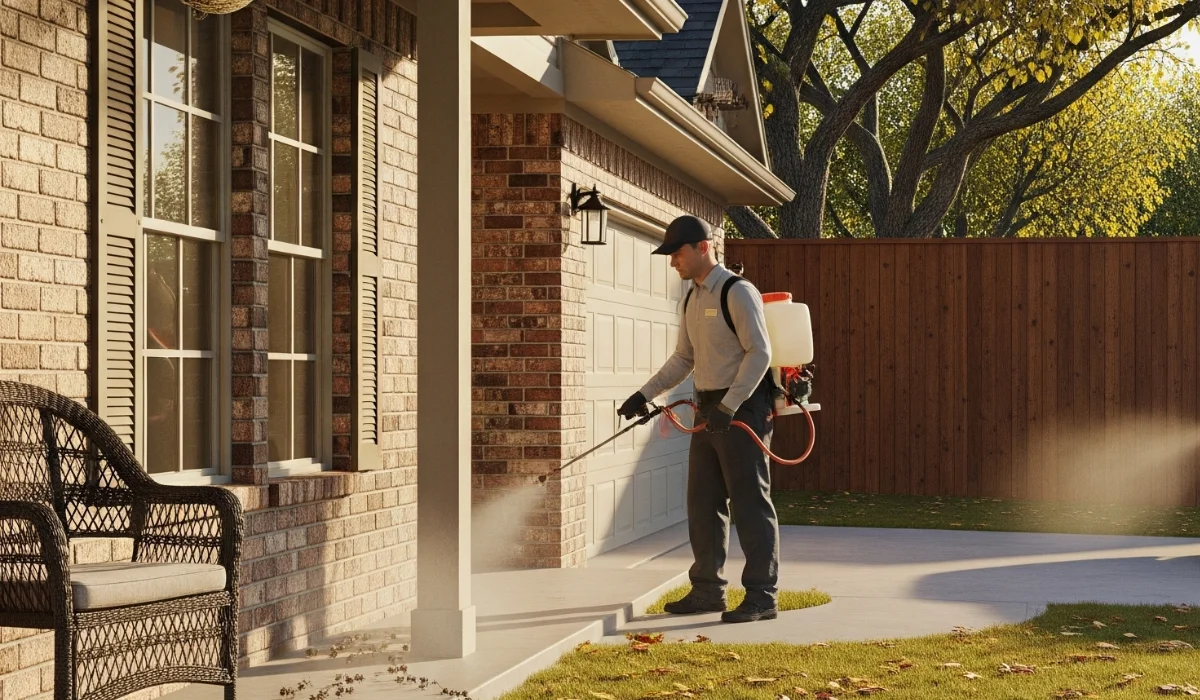
Each mosquito treatment from LaJaunie’s is designed around two core methods. Backpack fogging with One Guard targets adult mosquitoes across your yard. The In2Care system then provides ongoing population control by using biological sterilization pellets that mosquitoes spread to standing water sources within roughly 4,500 square feet of placement.
These pellets prevent the growth and reproductive cycle of mosquitoes in your yard. Because mosquitoes carry the material themselves, there is no need for you to locate every pocket of standing water. The pellets can be used around pets and in aquatic areas that contain fish.
Each treatment visit takes approximately thirty minutes, though this can vary based on yard size. The treatment holds up after rainfall, so a single rain event does not reset your progress.
What to Expect From a american giant Control Plan
LaJaunie’s follows a monthly treatment schedule. Each visit reduces the mosquito population residing on your property while the In2Care system works continuously between visits. Together, monthly fogging and the In2Care system add a barrier that discourages mosquitoes from neighboring properties from gaining a foothold on yours.
The plan also includes a retreat guarantee. If pest activity returns between scheduled visits, the team comes back to re-treat at no extra cost. This layered approach addresses adult mosquitoes, breeding sites, and conducive conditions so every stage of the pest life cycle is covered.
Bottom Line on American Giant Mosquito
Reducing standing water around your property, staying aware of conditions that support breeding, and taking steps to prevent bites are all worthwhile measures. Monthly professional treatments that include yard fogging and ongoing population control can help keep mosquito numbers in check across your outdoor spaces. If you’re dealing with persistent mosquito activity around your home in Southeast Louisiana, reach out to LaJaunie’s Pest Control for a customized treatment plan.
Frequently Asked Questions
How Can I Tell If the Mosquitoes in My Yard Are American Giant Mosquitoes?
American giant mosquitoes are noticeably larger than common backyard mosquitoes. If you’re unsure what species you’re seeing, a pest control professional can help with identification and recommend the right approach for your property.
What Attracts Mosquitoes to My Property?
Standing water is one of the primary attractants. Any area where water collects, even briefly, can become a potential breeding site. Inspecting your yard regularly for water accumulation is one of the simplest steps you can take.
How Often Should My Yard Be Treated for Mosquitoes?
LaJaunie’s follows a monthly treatment schedule that combines backpack fogging with the In2Care system for ongoing population control. Each visit typically takes about thirty minutes, though yard size can affect the duration.
Will Treatments Still Work After It Rains?
The In2Care system is designed to hold up after rainfall. It attracts mosquitoes to treated water stations and works to disrupt breeding activity in surrounding areas where water may accumulate, covering roughly 4,500 square feet around each station’s placement.