



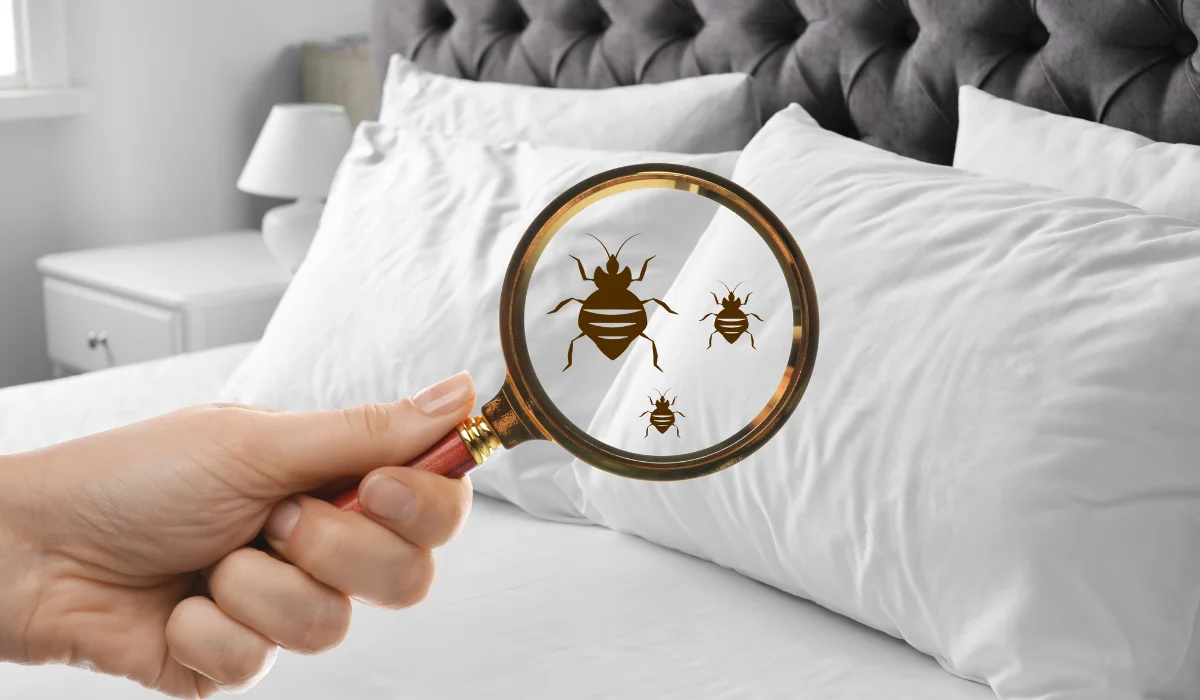
Bed bugs in Baton Rouge hotels can arrive with any guest, regardless of how clean or well-maintained the property is. These insects hitchhike in luggage, clothing, and other belongings, then hide close to places where people sleep or rest. For hotel managers and housekeeping teams, catching the first signs matters because a small problem is easier to isolate than activity that has gone unnoticed across multiple rooms. Knowing where to inspect, what evidence to look for, and how to respond can help reduce disruption for both guests and staff.
Key Takeaways
- Bed bugs usually enter hotels on luggage, clothing, and personal belongings rather than because a property is dirty.
- Early signs can include live bugs, dark spotting, shed skins, eggs, and unexplained bites, but bites alone cannot confirm an infestation.
- Hotel staff should isolate suspected activity, document what they find, and arrange a professional inspection before moving items between rooms.
Why Bed Bugs Show Up in Baton Rouge Hotels
Bed bugs in Baton Rouge hotels have plenty of opportunities to move from one location to another because hotels regularly receive travelers carrying luggage, clothing, backpacks, and other personal items. A guest may bring a bed bug into a room without knowing it, and the insect can then settle into a protected hiding place near the bed.
This is why bed bugs are not a sign of poor housekeeping. Even a clean room can receive a hitchhiking bed bug. What matters is whether staff recognize the signs early and have a clear process for responding when a guest or housekeeper reports suspicious activity.
For a broader look at how these insects behave across the state, LaJaunie’s guide to bed bugs in Louisiana covers their appearance, habits, and common hiding areas.
Hotels that confirm activity can also use professional bed bug control in Baton Rouge to inspect affected rooms and determine the next steps based on what is found.
Early Signs of Bed Bugs in Hotel Rooms
Bed bugs are small, reddish-brown insects that tend to stay close to areas where people sleep. Because they hide in narrow seams and cracks, housekeeping staff may notice the evidence they leave behind before seeing a live bug.
Common signs include:
- Live bed bugs around mattress seams or furniture
- Dark spotting on mattresses, sheets, or nearby surfaces
- Shed skins
- Small eggs or eggshells
- Reddish marks on bedding
- Guest reports of unexplained bites
Some of the early signs of bed bugs people miss can be subtle, especially when only a few insects are present. Staff training should focus on recognizing several forms of evidence rather than looking only for adult bugs.
If the evidence is unclear, LaJaunie’s guide on how to check for bed bugs provides a closer look at the places and signs worth examining before deciding what may be present.
Where Bed Bugs Hide in Baton Rouge Hotel Rooms
Bed bugs prefer protected cracks, seams, and crevices near sleeping or resting areas. Mattress seams and box springs are common inspection points, but they are not the only places hotel staff should check.
Mattresses and Bed Frames
Start around mattress seams, tags, box springs, headboards, and bed-frame joints. Bed bugs can remain hidden in these areas during the day and come out when a host is available.
The closer an item is to the bed, the more attention it deserves during an inspection. Bedside furniture, upholstered benches, and chairs near the sleeping area can also provide hiding places.
Headboards and Wooden Furniture
Wood itself does not attract bed bugs, but cracks, joints, screw holes, and gaps in wooden furniture can give them protected spaces to hide. This is especially relevant for headboards, nightstands, dressers, and bed frames with multiple joints or crevices.
LaJaunie’s information on whether bed bugs can live inside wood explains why furniture construction and hiding spaces matter more than the material alone.
Carpet Edges and Upholstered Areas
Bed bugs are more closely associated with beds and furniture than open carpet, but they can use carpet edges and protected areas near baseboards when activity spreads beyond the immediate sleeping area.
Hotels with carpeted guest rooms should pay particular attention to edges near beds, upholstered furniture, and other protected areas. LaJaunie’s guide to bed bugs in carpets explains where carpet-related activity is more likely to occur.
What Bed Bug Bites Can Tell You
Bed bug bites can cause red, itchy marks, but the reaction varies from one person to another. Some guests develop noticeable welts, while others may have little or no visible reaction.
Bites may appear in groups or lines, but that pattern does not prove bed bugs caused them. Mosquitoes, fleas, skin irritation, and other conditions can produce marks that look similar.
Timing can also vary. LaJaunie’s article on when bed bug bite marks appear explains why a guest may notice skin reactions after leaving the room where the exposure happened.
Hotel staff should document bite complaints, but the room still needs to be inspected for physical evidence. A bite report becomes much more useful when it can be compared with live bugs, spotting, shed skins, eggs, or other signs.
How Bed Bugs Can Spread Through Hotel Operations
Bed bugs move mainly by hitchhiking. Luggage, clothing, bedding, upholstered items, and other belongings can carry them from one location to another.
This makes item movement an important concern after suspected activity is reported. Moving bedding, furniture, or guest belongings through hallways or into another room before the situation is assessed can create more opportunities for insects to travel.
Laundry handling deserves similar care. Bed bugs can be carried with fabrics, which is why hotel staff should contain suspected linens rather than carrying loose items through the property. The same concern applies outside hotels, as explained in LaJaunie’s article on whether bed bugs can spread through laundromats.
Washing and drying practices can play a role in handling washable fabrics, but temperature and exposure matter. LaJaunie’s discussion of whether hot water kills bed bugs provides more context on why laundry alone should not be treated as a complete room treatment.
What Hotel Staff Should Do After Finding Possible Bed Bugs
When bed bug evidence appears in a guest room, the first goal should be to avoid spreading items before the room has been properly assessed. Staff should document where the evidence was found and keep suspected bedding or other movable items contained.
A simple response process can include:
- Remove the affected room from normal use while it is being evaluated
- Document the location and type of evidence found
- Avoid moving furniture into another room
- Contain suspected linens or fabrics before transport
- Have nearby areas evaluated when appropriate
- Arrange a professional inspection to confirm the problem
Hotel staff should also avoid assuming that one bite report confirms an infestation. Physical evidence provides a much stronger basis for deciding what should happen next.
Why Store-Bought Bed Bug Treatments Can Create Problems
Bed bugs are difficult to manage because they spend much of their time in narrow hiding areas. Applying a store-bought product only to the visible part of a mattress or floor may miss insects and eggs elsewhere in the room.
Repeated applications without understanding where bed bugs are hiding can also make it harder to judge whether activity is still present. For a hotel, that uncertainty can lead to rooms being reopened before the problem has been fully evaluated.
Vacuuming and laundry can help with specific items, but they do not replace a room inspection and treatment plan when an infestation is confirmed. Hotel bed bug control should account for the room layout, furniture, adjoining areas when needed, and the evidence found during inspection.
What Professional Bed Bug Control Looks Like for Hotels
Professional bed bug control starts with determining where activity is present and how far it may extend. Mattresses, box springs, bed frames, headboards, nearby furniture, and other protected hiding areas may need to be inspected before a treatment plan is selected.
The exact service can vary based on what the technician finds. Rather than assuming every hotel infestation needs the same approach, treatment should match the location and extent of the activity.
LaJaunie’s bed bug control service is available for properties dealing with confirmed or suspected infestations. For Baton Rouge hotels, professional service can also help managers establish a clearer response when staff find new evidence in guest rooms.
How Baton Rouge Hotels Can Reduce Future Bed Bug Problems
Bed bug prevention in hotels depends heavily on inspection and staff awareness because no property can completely control what guests bring in with their belongings. Housekeeping employees are often in the best position to notice small changes around mattresses, headboards, furniture, and bedding.
Train Staff to Recognize Evidence
Housekeeping teams should know what adult bed bugs, shed skins, spotting, and eggs can look like. They should also know who to notify and what not to move when suspicious evidence appears.
Check High-Risk Hiding Areas
Routine room checks should focus on mattress seams, box springs, headboards, bed frames, bedside furniture, and upholstered items near the bed. These areas provide more useful inspection points than a general glance around the room.
Handle Suspected Linens Carefully
Bedding or fabrics from a suspected room should be contained before transport. Avoid carrying loose linens through hallways or placing them on housekeeping carts with items from unaffected rooms.
Keep Clear Records
Documenting room numbers, dates, guest reports, inspection findings, and service history can make recurring activity easier to track. Records also help hotel managers see whether separate complaints may be connected.
Protecting Your Baton Rouge Hotel From Bed Bugs
Bed bugs can arrive at any hotel with a guest’s luggage or belongings, so prevention depends less on trying to guarantee they never appear and more on catching activity quickly. Staff who recognize the first signs, contain suspected items, and follow a clear inspection process can reduce the chance of a small problem becoming harder to manage.
LaJaunie’s Pest Control provides bed bug services for hotels and other properties throughout Louisiana. If your Baton Rouge hotel has confirmed bed bugs or staff have found suspicious evidence, contact LaJaunie’s to arrange an inspection and determine the appropriate next steps.
Frequently Asked Questions About Bed Bugs in Baton Rouge Hotels
How Can I Tell if a Baton Rouge Hotel Room Has Bed Bugs?
Check mattress seams, box springs, headboards, bed frames, and nearby furniture for live bugs, dark spotting, shed skins, eggs, or reddish marks on bedding. Guest bites can raise suspicion, but bites alone cannot confirm bed bugs. Physical evidence in or near the sleeping area provides a stronger indication.
Can Bed Bugs Spread From One Hotel Room to Another?
Yes. Bed bugs can move with luggage, clothing, linens, furniture, and other items. In a hotel, moving belongings from a suspected room without containing them can increase the chance of spreading insects. Nearby rooms may also need inspection depending on where activity is found.
What Should a Hotel Do After Finding Bed Bugs?
Remove the affected room from normal use, document the evidence, avoid moving furniture or loose linens, and arrange a professional inspection. Staff should also follow a consistent process for containing suspected items and evaluating nearby areas when appropriate.