



You hear scratching in the attic just before dark. You step outside and watch a dozen bats stream out from a gap along the roofline. By morning, the only evidence left is a smear of guano on the fascia board.
Bat removal timing in Prairieville is not just a scheduling question; it is a legal one. Louisiana protects bats under state wildlife law, which means exclusions can only happen during a specific seasonal window. Miss that window, and you could end up trapping flightless pups inside your walls, turning a manageable problem into a much costlier one.
This article covers when exclusions can happen, what the law requires, what to do if you find a colony outside the removal window, and what a properly timed exclusion actually looks like.
Key Takeaways
- Louisiana law restricts full bat exclusions to mid-August through April, so timing your removal correctly is both a practical and legal requirement.
- Finding bats in spring or summer does not mean waiting and doing nothing; a licensed inspector can document entry points and build a removal plan, so work starts the day the window opens.
- Guano buildup and potential rabies exposure make an active colony a health concern that gets worse the longer it stays.
- LaJaunie’s Pest Control performs free bat inspections and handles the full exclusion process, from one-way doors to attic decontamination.
Why Bat Removal Timing Matters in Prairieville
South Louisiana’s warm, humid climate means bat colonies can remain active in structures for much of the year, rather than entering the extended hibernation common in colder states. That makes the exclusion window and the maternity restriction especially relevant for homeowners in this part of the state.
Louisiana recognizes bats as nongame wildlife protected under LDWF regulations. Any removal method that harms or kills bats is prohibited. Full exclusions during maternity season are not permitted because of the risk to flightless pups.
How Louisiana’s Climate Affects Colony Behavior
Because winters here are mild, bat colonies in South Louisiana attics often stay partially active through the cooler months rather than vacating entirely. A Brazilian free-tailed bat colony that thins out in November may still have individuals roosting in the same structure through January and February. That means the risk of a recurring infestation is higher than in colder climates, and sealing entry points after a proper exclusion matters more, not less.
The Two Bat Species Most Commonly Found in Prairieville Attics
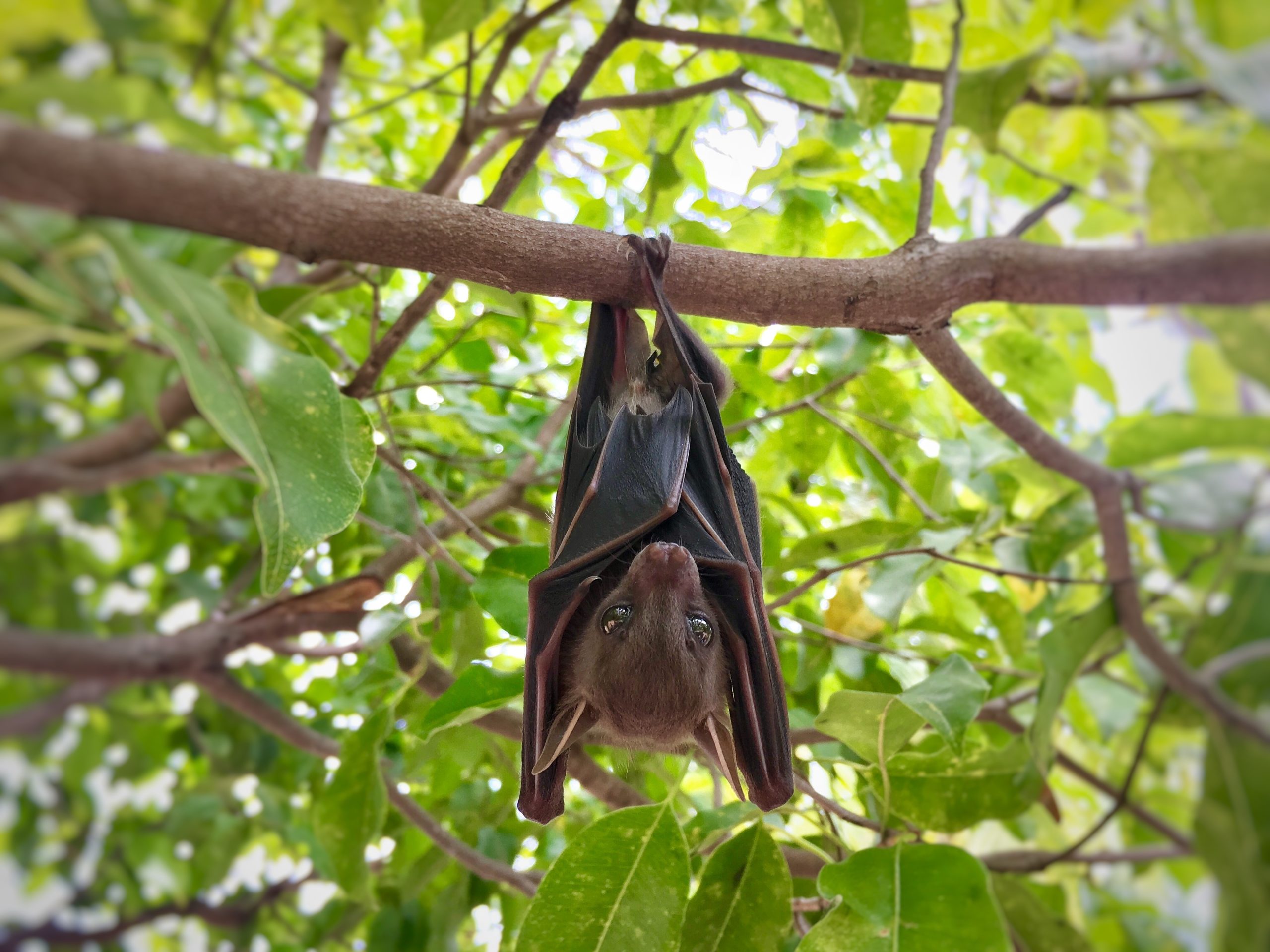
Most attic colonies in South Louisiana involve one of two species: the Brazilian free-tailed bat and the evening bat. Both are insectivores and both readily roost in human structures, including attics, soffits, wall voids, and gaps along the roofline. The Louisiana Department of Wildlife and Fisheries documents both species as common throughout the state.
The Brazilian free-tailed bat is among the most abundant mammals in North America and colonizes buildings in urban and suburban areas at high rates. It is partially migratory, which means a colony may thin out in late fall but does not always disappear entirely. Evening bats form smaller maternity colonies and are also commonly found in South Louisiana structures. The two species sometimes share a roost, which can complicate the exclusion if entry points are not all identified upfront.
Why Species Identification Matters Before Exclusion
Knowing which species is present affects the scope of the work. Colony size varies between species, and so does the volume of guano (feces) left behind. An inspector who identifies the species during the initial assessment can give a more accurate estimate of the remediation work and set a realistic timeline for the full exclusion process.
When Exclusions Can Legally Happen
The exclusion window for bat removal in Louisiana runs from mid-August through April. By mid-August, pups from the spring maternity season have fledged and are flying independently. Installing one-way doors during this window allows the entire colony to exit without trapping any animals inside.
What to Do If You Notice Bats in Late Summer or Fall
You hear bat activity in late summer, or you notice droppings under your soffit in September. That timing works in your favor. The exclusion window has just opened, and a licensed inspector can move quickly. Getting an inspection on the calendar before every other homeowner who noticed bats over the summer calls at once is a practical advantage.
Why Spring and Summer Are Off-Limits
From roughly mid-spring through mid-August, female bats form maternity colonies in warm, sheltered spaces to give birth and raise their pups. A warm, dark attic away from predators is exactly what a maternity colony looks for.
Attempting exclusion during this period creates a predictable problem. Pups are born blind and unable to fly for several weeks. If one-way doors go in while a maternity colony is active, the adult females exit to feed at night, but the pups cannot follow. Those young bats, left without food or their mothers, either die inside the walls or crawl down into the living areas of the home while searching for a way out. Either outcome involves dead animals in inaccessible spaces, persistent odor, and potential secondary pest activity, all on top of the original colony problem.
There is also a legal dimension. Excluding bats during maternity season violates state wildlife law and can result in fines. No licensed company should perform a full exclusion while pups are present.
What You Can Do During Maternity Season
You find bats in April or May. You cannot have them excluded yet, but that does not mean nothing happens until August. A licensed inspector can visit the property during maternity season to:
- Watch the roofline at dusk to identify every point where bats are entering and exiting
- Document the location and depth of guano accumulation in the attic
- Assess structural damage or vulnerable areas that need sealing
- Build a complete exclusion plan so work starts the day the window opens
Getting that inspection done early puts you ahead of the rush.
How to Tell If Your Prairieville Home Has a Bat Colony
Bats can squeeze through a gap as small as a dime, so entry points are not always obvious. You are more likely to spot the signs of a colony than the bats themselves:
- Dark grease stains or rub marks around small gaps along the roofline, fascia, or soffits
- Guano on the ground directly below entry points, or on insulation and framing inside the attic
- A strong ammonia-like odor in the attic, especially in warmer months when guano accumulates
- Faint squeaking or chirping near the roofline around dusk
- Bats streaming out from the same spot on the exterior of the home at sunset
Watching the roofline as the sun sets is one of the most reliable ways to confirm a colony and locate the active exit point. It also gives you a rough count of how many bats are present.
Health Risks From Bat Activity
An active bat colony in the attic creates two health concerns that get worse the longer the colony stays.
- Guano (Feces): According to the CDC, histoplasmosis is a fungal lung infection caused by breathing in spores from bat droppings. Sweeping or vacuuming dry guano releases those spores. Cleanup requires a respirator, gloves, and liquid disinfectant rather than dry removal methods. The larger the colony and the longer it has been in place, the more significant the remediation work.
- Rabies: The Louisiana Department of Wildlife and Fisheries notes that bats are among the mammals most likely to carry rabies in Louisiana. Bat bites are often small enough to go unnoticed. If you wake up and find a bat in the bedroom, or a child has had contact with a grounded bat, those situations require a call to a doctor, not a wait-and-see approach.
Both concerns are reasons to treat guano remediation as part of the removal process, not an afterthought.
What a Properly Timed Exclusion Looks Like
A complete bat exclusion follows a defined sequence:
- A licensed technician inspects the full property, including the attic, roofline, soffits, and eaves, to locate every entry point the colony is using.
- One-way exit devices are installed at the active exits. Bats leave at dusk as normal but cannot re-enter.
- All surrounding gaps not part of the active exit are sealed immediately so bats cannot shift to a new opening during the process.
- The one-way devices stay in place for seven to fourteen days while the full colony exits.
- The technician returns to confirm the colony is gone, then permanently seals the remaining entry points.
- Guano and any contaminated insulation are removed, and the attic is decontaminated.
The setup takes one to two days. The full process through final sealing typically runs one to two weeks. LaJaunie’s bat control service backs exclusion work with a 12-month re-entry warranty; if bats get back in through any sealed area, the repair is covered.
Bat Removal Timing: Bottom Line
Bat removal in Prairieville is not something you can schedule whenever it is convenient. The exclusion window runs from mid-August through April. The consequences of bad timing are not just a legal problem; they are a practical one. Dead pups in your walls create odor, structural contamination, and secondary pest activity that cost more to address than the original colony.
If you are in the exclusion window now, the right move is to get an inspection scheduled before availability fills up. If you are in the middle of maternity season, the right move is to get an inspection done now so the work can start the day the window opens. Either way, waiting costs you.
Schedule a free bat inspection with LaJaunie’s Pest Control. We offer same-day and Saturday availability. Call us or book online to get a plan in place before the next maternity season closes the window again.
Frequently Asked Questions
When is the earliest a bat exclusion can start in Prairieville?
Mid-August is the earliest a full bat exclusion can be performed in Louisiana. That is when the maternity season for most local bat species has ended and pups are capable of flying independently. Starting before this point risks trapping flightless young inside the structure, which creates odor, secondary pest activity, and potential health issues. LaJaunie’s performs full exclusions from mid-August through April.
What happens if bats are discovered during spring or summer?
Schedule an inspection right away, even though the exclusion itself must wait. A licensed technician can identify all entry points, assess the guano situation, and prepare a complete removal plan. When the exclusion window opens in mid-August, work starts without delay. If bats are entering the living areas of the home, in the meantime, the technician can advise on sealing interior access points to prevent that.
Can I seal the bat entry points myself?
Sealing entry points while bats are actively roosting, at any time of year, risks trapping animals inside. Pups that cannot escape may die in the walls, producing persistent odor and, in some cases, attracting secondary pest activity. Entry point sealing should only happen after a licensed professional has confirmed the entire colony has exited. After a proper exclusion, all gaps should be permanently sealed to prevent re-entry.
Do bats in Prairieville leave on their own in winter?
Not reliably. The Brazilian free-tailed bat is partially migratory, so some individuals may leave in late fall while others remain. South Louisiana colonies rarely vacate completely during winter. Assuming the attic is empty because bat activity has slowed down is a common mistake that leads to a delayed and larger problem in spring.
What does LaJaunie’s bat removal service include?
LaJaunie’s bat control covers the full process: an inspection, installation of one-way exclusion devices, sealing entry points. The service includes a 12-month warranty against re-entry through any sealed areas.