



Bed bugs in Metairie, LA can enter homes on luggage, clothing, furniture, and other belongings, then settle into small hiding areas close to where people sleep or rest. When LaJaunie’s evaluates a suspected infestation, technicians check mattress seams, box springs, headboards, bed frames, nearby furniture, cracks, picture frames, outlets, and other protected areas rather than relying on bites alone. Small blood spots, fecal marks, shed skins, egg casings, or live bugs can all point to activity. Finding the problem early gives you a clearer path toward containing it and choosing the right treatment.
If you already have signs of an infestation, LaJaunie’s provides bed bug control services for Metairie homeowners. A professional inspection can confirm whether bed bugs are present and determine which areas of the home need attention.
By Skye LaJaunie, CEO of LaJaunie’s Pest Control, lifelong Louisiana resident with 18+ years of pest control experience.
Key Takeaways
- Bed bugs often hide close to beds, couches, and other places where people spend long periods resting.
- Bites alone cannot confirm bed bugs, so check for live insects, blood spots, fecal streaks, shed skins, and egg casings.
- LaJaunie’s documented treatment process includes preparation, detailed treatment of hiding areas, and a complimentary follow-up about two weeks after the initial service.
How to Identify Bed Bugs in Metairie, LA
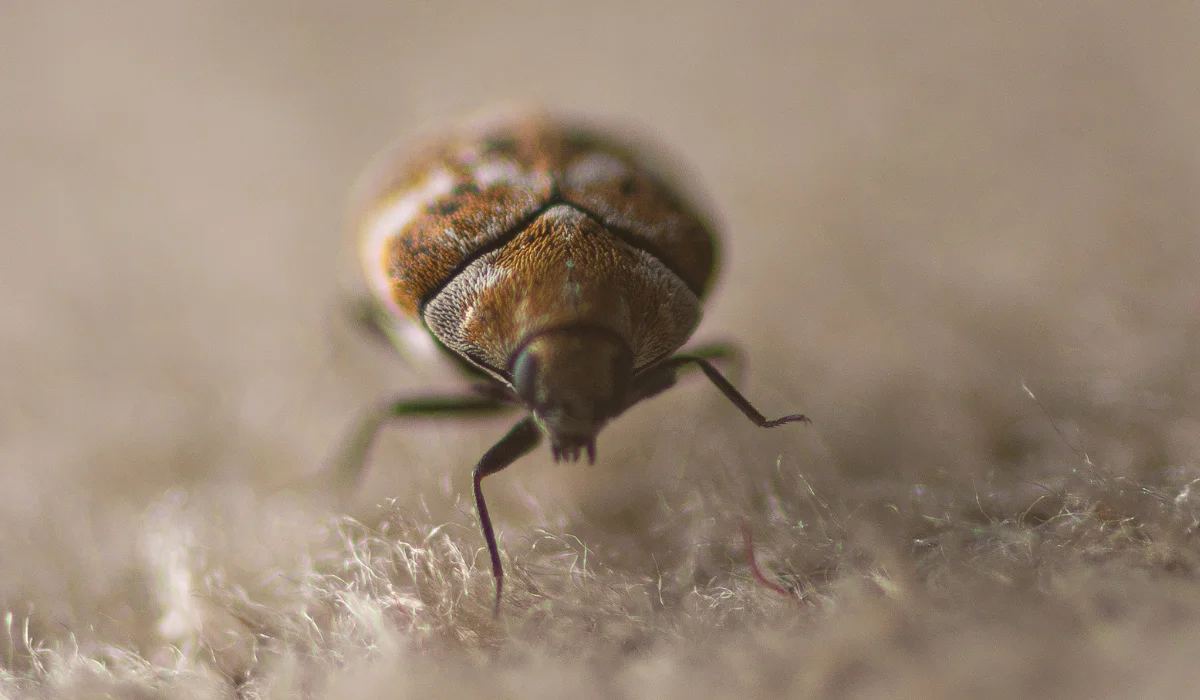
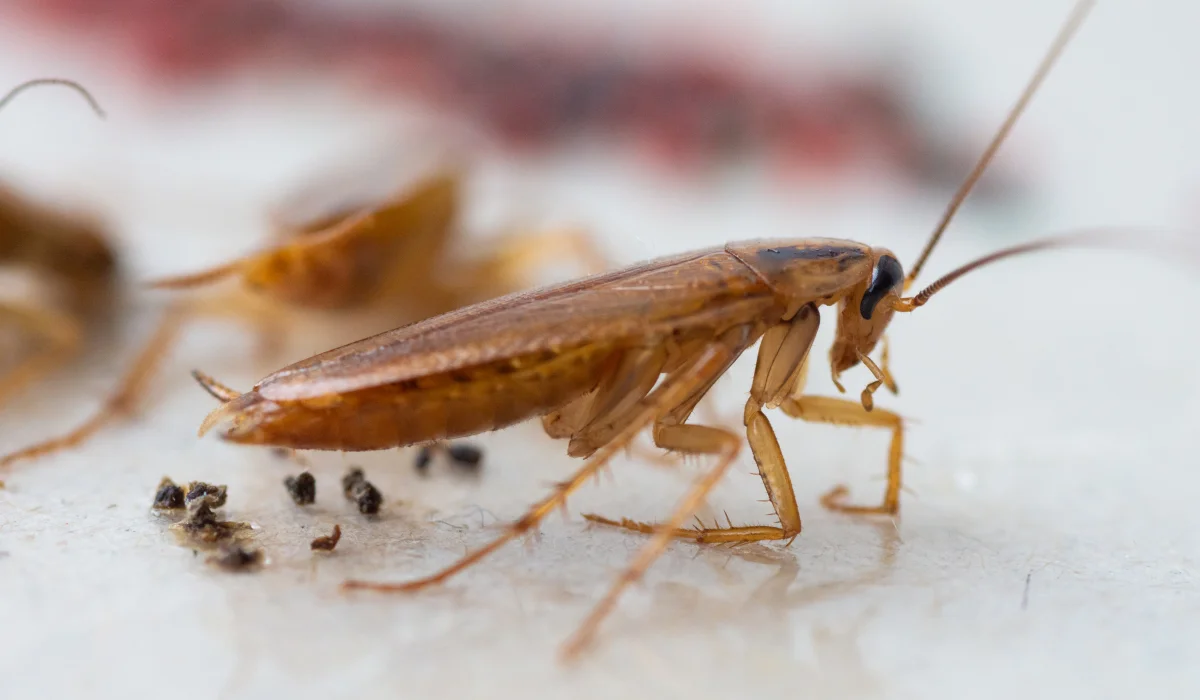
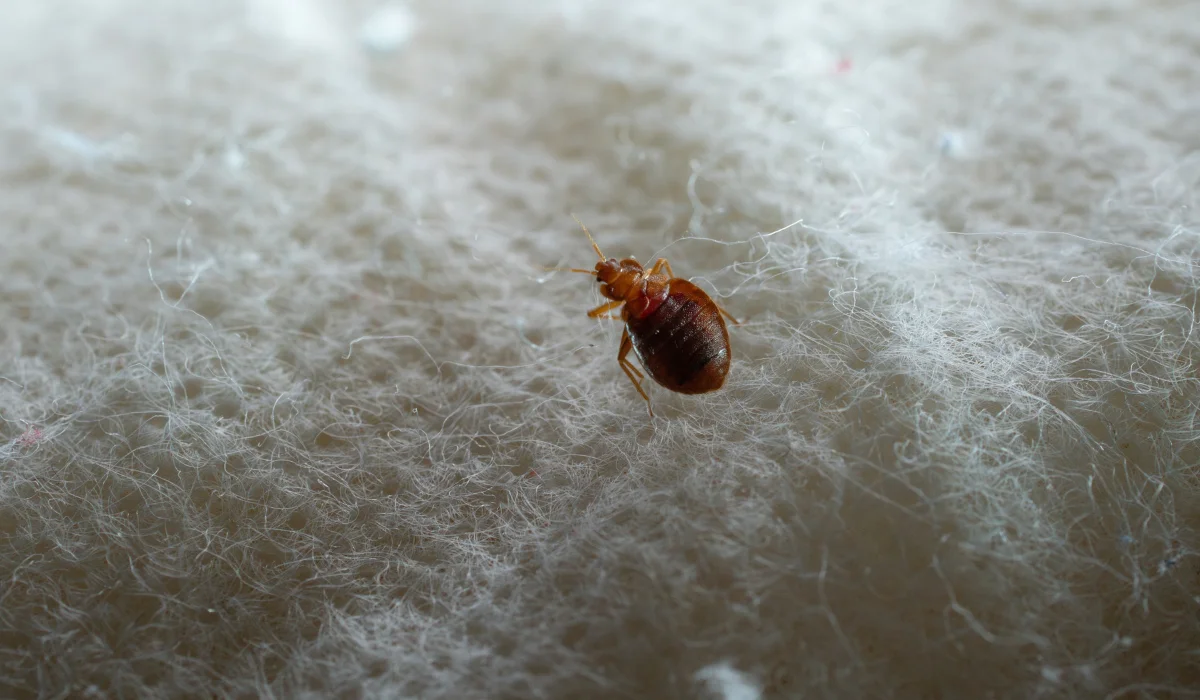
Identifying bed bugs in Metairie, LA starts with knowing what the insects and their evidence look like. Adults are small, flat, oval insects that grow to roughly the size of an apple seed and become reddish-brown as they mature. Younger bed bugs can be much lighter, making them harder to spot against mattresses and light-colored fabrics.
Some of the early signs of bed bugs people miss appear before homeowners ever see an adult insect. That is why LaJaunie’s recommends checking for several forms of evidence rather than waiting for a live bug to appear.
Check Mattresses and Box Springs
Use a flashlight to inspect mattress seams, labels, folds, and both sides of the mattress. Box springs deserve extra attention because their seams, fabric covering, frame, and interior spaces can provide protected hiding areas.
LaJaunie’s treatment process specifically includes mattress creases and the inside of the box spring when access is needed. For a more detailed inspection walkthrough, LaJaunie’s guide on how to check for bed bugs covers the places homeowners should examine around sleeping areas.
Inspect the Headboard and Nearby Furniture
Bed bugs do not stay only on mattresses. Headboards, bed frames, nightstands, drawer joints, furniture legs, picture frames, and other objects near the bed can provide narrow hiding spaces.
According to LaJaunie’s service information, technicians may also evaluate electrical outlets and windows near the bed when the extent of the infestation calls for it. The goal is to inspect the area around the sleeping space rather than treating the mattress as the entire problem.
Look for Evidence Besides Live Bugs
You may find signs of bed bugs before seeing an adult insect. Common evidence includes:
- Small red blood spots on sheets or blankets
- Brown or tan fecal streaks
- Shed skins
- Egg casings
- Live adults or lighter-colored nymphs
- Repeated unexplained bites after sleeping
Bites can support your suspicion, but they are not enough to diagnose an infestation. Reactions vary from one person to another, and bed bug bite marks may not appear immediately, which can make it difficult to connect the reaction with a specific place or night.
Where Bed Bugs Hide in Metairie Homes
Bed bugs in Metairie homes tend to stay near areas where people spend extended periods sleeping or resting. Bedrooms are the most obvious place to inspect, but couches, upholstered chairs, guest rooms, and other frequently used furniture can also support activity.
Bed bugs can fit into narrow spaces around furniture and room fixtures. This is why simply changing the sheets or checking the top of a mattress can miss much of the infestation.
Beds and Headboards
Mattresses, box springs, bed frames, and headboards provide many seams, joints, and crevices. These areas also keep bed bugs close to a regular host.
If a bed has drawers or built-in storage, those areas should also be inspected. LaJaunie’s technicians remove drawers when necessary so the interior space can be checked and treated.
Couches and Upholstered Furniture
Bed bugs can also settle into couches, chairs, and other furniture where people regularly sit or rest. Cracks between cushions and seams along upholstered furniture can provide protected hiding spots.
This is especially important when someone frequently sleeps on a couch or spends long periods in a recliner. The inspection should follow where people rest rather than focusing only on bedrooms.
Carpet Edges and Baseboards
Bed bugs are more strongly associated with beds and furniture than open carpet, but they can use protected carpet edges and gaps near baseboards when activity spreads beyond the immediate sleeping area.
LaJaunie’s article on whether bed bugs can live in carpets explains why edges, seams, and nearby cracks matter more than the middle of an open carpeted floor.
Picture Frames, Outlets, and Room Crevices
As an infestation extends beyond the immediate bed area, bed bugs can use cracks, molding, picture frames, outlets, and furniture joints. These smaller hiding areas are one reason home treatments that target only visible bugs can miss active sites.
Bed bugs can also survive for an extended period without feeding. LaJaunie’s information on how long bed bugs can live without a host explains why leaving a room empty does not reliably solve the problem.
How Bed Bugs Get Into Metairie Homes
Bed bugs in Metairie usually spread through movement rather than poor housekeeping. They can hitchhike on luggage, clothing, bags, furniture, and other belongings, then settle into a new hiding place once they reach a home.
Travel and Overnight Stays
Travel is one of the most common ways bed bugs move between locations. A person can stay in a hotel, rental, or another home with unnoticed activity and return with bed bugs hidden in luggage, clothing, or personal items.
Because the insects are small and good at hiding, they may go unnoticed during the trip home. Checking luggage and belongings after travel can help catch activity before it spreads deeper into the house.
Used Furniture and Household Items
Secondhand mattresses, bed frames, couches, chairs, and other upholstered furniture can carry bed bugs or eggs. Bringing an item indoors without inspecting seams, joints, folds, and crevices can introduce bugs directly into a sleeping or living area.
Furniture does not have to look dirty to carry bed bugs. The insects can remain hidden inside narrow cracks and fabric seams where they are easy to miss during a quick visual check.
Clothing and Laundry
Bed bugs can also travel on clothing, bedding, and laundry bags. Shared laundry areas can create opportunities for hitchhiking when affected items are placed on carts, tables, or other surfaces.
LaJaunie’s article on whether bed bugs can come from a laundromat explains how shared laundry spaces and fabric handling can contribute to spread.
Moving Items Between Rooms
Once bed bugs are inside a home, moving infested belongings can spread them farther. Carrying bedding, furniture, or loose items from one room to another may transfer bugs into areas that were not previously affected.
That is why containment matters after you find suspicious activity. Before moving mattresses, furniture, clothing, or linens, it is better to confirm the infestation and follow preparation instructions for treatment.
What to Do When You Find Bed Bugs in Your Metairie Home
If you find signs of bed bugs, avoid immediately carrying mattresses, furniture, or loose belongings through the house. Moving infested items without containing them can allow bed bugs to fall off and reach other rooms.
LaJaunie’s provides customers with a preparation sheet after confirming bed bug activity. Preparation helps technicians reach the areas that need treatment while reducing the chance of moving bugs around the home.
Handle Bedding and Clothing Carefully
Sheets, blankets, pillowcases, and clothing from the affected area may need to be laundered and then kept in sealed bags according to the preparation instructions provided for treatment. Loose belongings should also be removed from dressers, nightstands, and closet floors when directed.
Hot water can be useful for washable fabrics, but laundry alone is not a complete treatment for an infested room. LaJaunie’s guide on whether hot water kills bed bugs explains why temperature and the full laundering process matter when handling affected items.
Do not move an infested mattress or piece of furniture outside without containing it. LaJaunie’s service information specifically warns that bed bugs can fall from furniture while it is being carried through the home.
Reduce Clutter Around Treatment Areas
Remove unnecessary belongings from floors, tables, nightstands, and dressers so technicians can reach furniture joints, molding, cracks, and other hiding areas. Clutter can make inspection and treatment more difficult.
Follow the preparation instructions provided for your specific service rather than guessing which items should be moved. Moving the wrong belongings can spread the insects farther.
How LaJaunie’s Treats Bed Bugs in Metairie Homes
Professional treatment for bed bugs in Metairie begins with confirming that bed bugs are actually responsible for the problem. LaJaunie’s state-certified inspectors and trained team evaluate the reported evidence before treatment preparation begins.
The company’s documented treatment process then focuses on the areas bed bugs use rather than applying one product throughout the room and leaving.
Prepare the Affected Areas
Once activity is confirmed, LaJaunie’s provides preparation instructions. Bedding, clothing, furniture, and loose belongings may need specific handling so technicians can reach the necessary areas.
People and pets must remain out of treated areas for at least three hours during and after service so applied materials can dry according to label directions.
Treat Bed Bug Hiding Areas
Technicians work through molding, cracks, crevices, bed frames, headboards, mattresses, box springs, nightstands, dressers, furniture footings, and other affected areas. Picture frames, outlets, and nearby windows may also require treatment depending on the infestation.
LaJaunie’s uses a combination of liquid, aerosol, and dust applications selected for the areas being treated. The process is designed to reach multiple hiding locations and bed bug life stages.
Return for a Two-Week Follow-Up
LaJaunie’s includes a complimentary follow-up about two weeks after the initial service. The follow-up allows technicians to reassess the affected areas and apply additional treatment aimed at interrupting the bed bug life cycle.
Some infestations require more than one treatment. The extent of activity, preparation of the home, and areas where bugs are hiding can all affect the overall process.
Should You Try to Treat Bed Bugs Yourself?
Home steps such as laundering fabrics, vacuuming visible bugs, reducing clutter, and using mattress encasements can help with preparation and containment. They are less reliable as a complete solution because bed bugs can remain inside box springs, furniture joints, cracks, and other areas that are difficult to reach.
The biggest mistake is assuming visible activity represents the entire infestation. Treating only the mattress or spraying the bugs you can see may leave other hiding areas untouched.
If signs continue after basic cleanup or bugs are appearing in multiple areas, professional pest control services in Metairie can help determine whether bed bugs are present and what treatment is appropriate.
When to Call a Bed Bug Professional in Metairie
Professional bed bug control makes sense when you find live bugs, repeated fecal spotting, shed skins, egg casings, or recurring evidence near beds and furniture. It is also worth scheduling an inspection when suspected activity extends beyond one room or you cannot determine where the bugs are hiding.
LaJaunie’s inspection process is designed to identify the target pest before treatment begins. This is useful when bites are the main complaint because skin reactions alone can be caused by more than one pest or condition.
Early identification can also prevent unnecessary treatment of the wrong area. Once bed bugs are confirmed, the preparation and treatment plan can focus on the rooms, furniture, and hiding areas involved.
Making the Right Bed Bug Control Choice for Your Metairie Home
Bed bugs in Metairie, LA can be difficult to find because they stay in small, protected spaces close to where people rest. A careful inspection of mattresses, box springs, headboards, furniture, carpet edges, and nearby crevices provides stronger evidence than bites alone.
LaJaunie’s Pest Control serves Metairie and communities throughout Southeast Louisiana with bed bug inspection and treatment services. If you find live bugs, blood spots, fecal streaks, shed skins, or egg casings, contact LaJaunie’s to schedule an inspection and determine the next step.
Bed Bug Treatment FAQ for Metairie Homeowners
How Much Does Bed Bug Treatment Cost in Metairie?
LaJaunie’s service information lists bed bug treatment at $300 per bedroom plus $300 for the rest of the home. For example, a four-bedroom home would be $1,500 under that pricing structure. Final pricing should be confirmed when scheduling because the treatment scope and current rates may change.
Does LaJaunie’s Use Heat Treatment for Bed Bugs?
LaJaunie’s documented bed bug process does not list heat as its standard treatment method. The company uses targeted liquid, aerosol, and dust applications in mattresses, box springs, furniture, cracks, crevices, and other hiding areas, followed by a complimentary two-week follow-up.
How Long Does Bed Bug Treatment Take?
The complete process is not always finished in one visit. LaJaunie’s standard service includes an initial treatment and a complimentary follow-up about two weeks later, and some infestations may require further treatment. Occupants and pets must also remain out of treated areas for at least three hours during and after each service.