



You wake up with an itchy mark on your hand. Later, a cockroach slips behind the nightstand before you can get a clear look at it. The timing makes the roach seem like the obvious cause.
So, do cockroaches bite? They can, but it is rare. Cockroaches do not seek blood like bed bugs, fleas, ticks, or mosquitoes. A roach may enter your bedroom after dark to find food, moisture, or a sheltered place to hide.
This guide explains why that happens, what cockroach bite symptoms may resemble, and how to respond when roaches keep showing up near your bed.
Do Cockroaches Bite Humans?
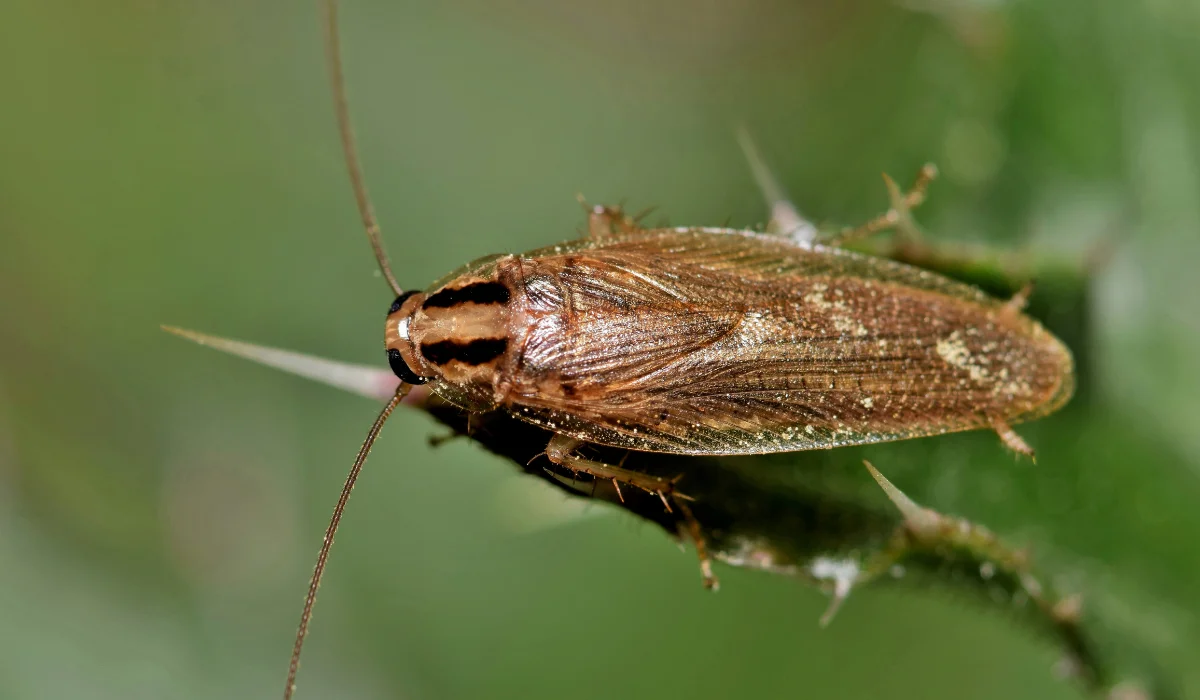
Cockroaches have chewing mouthparts. They can scrape or break skin, although people are not a normal food source for them. Household roaches would rather feed on grease, crumbs, garbage, pet food, paper, glue, and decaying material.
A few crumbs beneath the bed may matter more to a roach than the person sleeping above them. Dried drink residue, an uncovered pet bowl, or food packaging can also support activity without making the room look dirty.
Reports of biting behavior usually involve crowded infestations with little food available. Even in that setting, a bite would be unusual. There is no reliable national count because public health agencies do not track cockroach bites as a common household injury.
| Question | Practical Answer |
| Can a cockroach break human skin? | Yes. Its mouthparts can scrape or break skin. |
| Does a cockroach need blood to survive? | No. Cockroaches are scavengers. |
| Are cockroach bites common? | No. Confirmed cases are rare. |
| Does finding one in bed confirm a bite? | No. It may have been traveling toward food, water, or shelter. |
| Can a severe infestation raise the chance? | Possibly, although biting would still be unusual. |
Why a Cockroach May Crawl Near You
Once you fall asleep, the room becomes dark and still. Roaches can cross walls, furniture, and floors without being disturbed.
The bedroom may also contain something worth investigating. A cup with sweet residue, snack crumbs, pet food, or moisture from an attached bathroom can draw a roach into the room. Crawling over bedding or exposed skin does not show that the insect came there to feed on you.
Do Cockroaches Bite at Night?
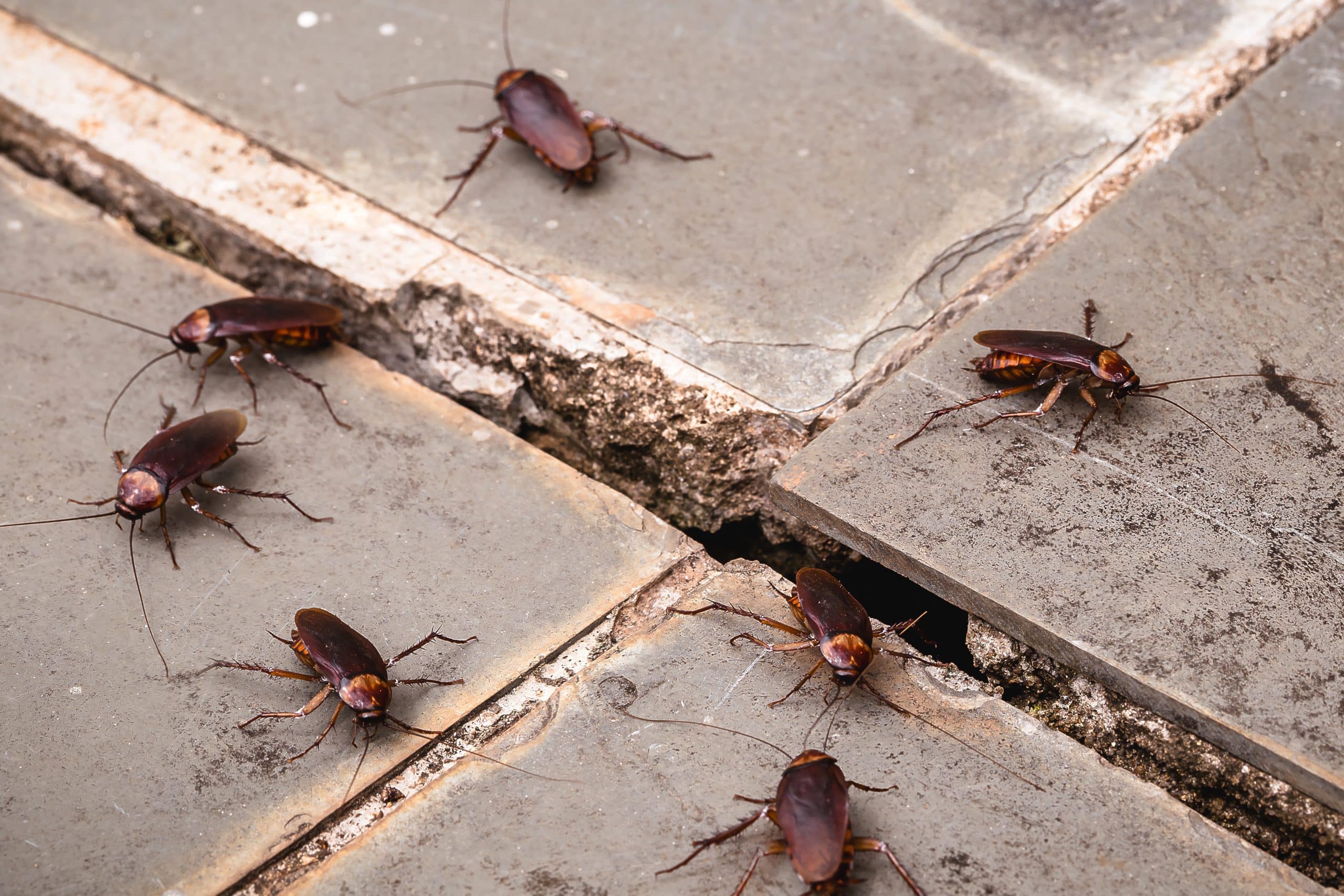
You turn on a light and see a cockroach move beside the sink, stove, or baseboard. A few seconds later, it disappears into a gap. That sighting may feel random, but the roach was probably following a regular route between its hiding place and a source of food or water.
Most household cockroaches rest inside tight spaces during the day. Cabinet seams, wall gaps, appliance motors, drains, and openings around pipes all give them cover. The University of Minnesota Extension confirms that cockroaches hide during the day and become active at night.
This schedule makes contact with a sleeping person more possible, but nighttime activity does not mean roaches hunt people. They are using the quiet hours to search the house.
What Attracts Cockroaches to Bedrooms?
| Bedroom Condition | Why It Matters |
| Food wrappers or crumbs | Tiny amounts of food can support nightly activity. |
| Cups and drink containers | Water and sugar residue may attract roaches. |
| Pet food | An open bowl provides a steady food source. |
| Attached bathroom | Leaks, drains, and humidity provide moisture. |
| Cardboard or paper clutter | Folds and seams create sheltered hiding spots. |
| Gaps around pipes or baseboards | Openings connect rooms and wall voids. |
| Warm electronics | Some indoor roaches shelter near steady heat. |
A roach found in the bedroom may still be coming from the kitchen, bathroom, laundry room, or a plumbing route inside the wall. The insect you see is often only the last part of a longer path.
One large outdoor roach may have wandered indoors. Repeated sightings call for a closer look, especially when you find small roaches, egg cases, or droppings.
What Do Cockroach Bite Symptoms Look Like?
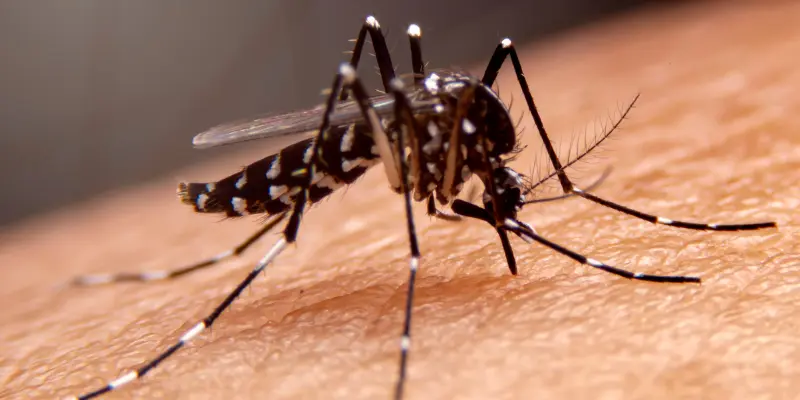
A red bump cannot tell you which pest caused it. A suspected cockroach bite may itch, swell, or feel tender, but mosquitoes, fleas, bed bugs, mites, and several skin conditions can create a similar reaction.
Location does not settle the question. Claims that cockroach bites always appear on fingers, eyelids, hands, or skin around the mouth are not reliable enough for identification. The same applies to exact measurements and fixed healing times.
The better choice is to inspect the room. Check the mattress, nearby furniture, wall edges, floor seams, and plumbing openings before deciding what happened.
Compare the Evidence in the Room
| Possible Cause | Evidence to Look For |
| Cockroaches | Live roaches after dark, droppings, egg cases, shed skins, or a persistent odor |
| Bed bugs | Dark spotting, eggs, cast skins, or live bugs near mattress seams and headboards |
| Fleas | Flea dirt, pet scratching, or activity around pet bedding |
| Mosquitoes | Damaged screens, open windows, standing water, or visible mosquitoes |
| Skin irritation | A new detergent, soap, lotion, medication, fabric, or cleaning product |
The location of the evidence often gives you the best clue. Cockroach droppings around baseboards or furniture suggest travel through the room. Bed bug spotting near mattress seams points toward a pest that stays close to where you sleep.
Are Cockroach Bites Dangerous?
A minor break in the skin may become irritated or infected, no matter what caused it. Scratching creates more damage and gives bacteria a way into the area.
Disease transmission through cockroach bites is not the main documented health concern. Roaches create a larger sanitation problem when they travel through drains, garbage, spoiled food, and damp organic material, then cross counters, utensils, dishes, and stored food.
Allergens Present a Better-Established Risk
Cockroach droppings, saliva, shed skins, and body fragments can mix with household dust. Sensitive people may experience coughing, nasal irritation, wheezing, or asthma symptoms.
A research review available through the National Institutes of Health reported that 50.2% of children’s bedrooms in one inner-city study had cockroach allergen above the study’s disease-induction threshold. That figure describes the study group. It is not the rate for every American home.
| Health Concern | What the Evidence Supports |
| Redness or itching | A minor skin injury may cause local irritation. |
| Skin infection | Scratching or broken skin can allow bacteria to enter. |
| Disease from a bite | This is not considered the primary cockroach health risk. |
| Food contamination | Roaches can move contaminants onto food and preparation surfaces. |
| Allergy or asthma symptoms | Droppings, saliva, shed skins, and body debris can act as allergens. |
If someone in your home has asthma or a known cockroach allergy, repeated indoor activity deserves prompt attention. Cleaning visible droppings helps, but it does not remove insects living behind cabinets, inside appliances, or within wall gaps.
What Should You Do After a Suspected Bite?
Wash the area with soap and water, dry it with a clean towel, and use a cool compress for swelling or discomfort. Try not to scratch the mark.
Watch for spreading redness, warmth, drainage, increasing pain, or fever. The MedlinePlus insect bite and sting guide recommends emergency care for symptoms such as trouble breathing, facial swelling, weakness, or fainting.
Inspect the Bedroom After Dark
Wait until the home has been quiet, then inspect the room with a flashlight. Check behind the nightstand, beneath furniture, along baseboards, around outlets, and near plumbing lines.
Sticky monitoring traps can show whether cockroaches are traveling through the room. Place traps against walls and near suspected routes, then check them for several nights. Keep them away from children and pets.
Avoid spraying mattresses, bedding, or random bedroom surfaces. A product placed in the wrong area may expose your family without reaching the insects or their hiding places.
How Can You Prevent Cockroaches From Entering the Bedroom?
Keeping cockroaches away calls for work in four areas: food, water, shelter, and access. Removing one source may reduce activity, but an established infestation usually needs several corrections.
Remove Food and Moisture
Take plates, cans, cups, and food packaging out of the bedroom before bed. Vacuum beneath furniture and along wall edges where small crumbs collect.
Keep pet food in sealed containers and pick up unfinished food at night. Wipe drink residue from nightstands and floors.
Repair leaks around pipes, faucets, toilets, and air-conditioning lines. Check plant trays, humidifiers, and other containers that may hold water. Small moisture sources can support roach activity even when the room contains little food.
Seal Hiding Places and Travel Routes
Clear cardboard, paper bags, and unused clutter from floors and closets. Seal gaps around plumbing, cabinets, baseboards, windows, doors, and utility lines. Repair torn screens and replace worn door sweeps.
Do not assume the bedroom is the center of the infestation. A roach may be traveling from a kitchen appliance, bathroom cabinet, attic, crawl space, or hidden plumbing gap.
Cockroaches in Louisiana also require accurate identification. German cockroaches tend to breed indoors, while larger roaches, sometimes called palmetto bugs, may enter from outside. Our service information notes that German cockroaches need a different treatment approach from many larger species. Their treatment may include an insect growth regulator that interrupts reproduction. It also warns that frequent use of store-bought sprays can interfere with professional bait placements.
Know When Home Corrections Are Not Enough
Professional treatment makes sense when you find small roaches, egg cases, daytime activity, or evidence in several rooms. Continued sightings after cleaning and leak repairs also suggest that roaches are living in places you cannot reach.
Species identification changes the work. German cockroaches often require baiting, monitoring, growth regulation, and focused treatment inside cracks and crevices. Larger outdoor species may call for exterior treatment, drain inspection, moisture correction, and entry-point repairs.
Stop the Infestation Before It Reaches More Rooms
Do cockroaches bite people while they sleep? It can happen, but the stronger clues are usually elsewhere. Droppings, egg cases, shed skins, and repeated activity after dark tell you more than a red mark alone.
Cleaning, leak repairs, and sealing can remove the conditions that support roaches. Those steps may not eliminate a population already breeding behind cabinets, inside appliances, or within wall gaps.
LaJaunie’s Pest Control technicians identify the species before selecting a treatment. That prevents the common mistake of treating German cockroaches like larger outdoor roaches or applying products that interfere with bait.
For repeated sightings, small roaches, or evidence in several rooms, contact LaJaunie’s Pest Control to schedule an inspection. We will trace the activity, identify the cockroach, and recommend a service based on what is happening inside your home.