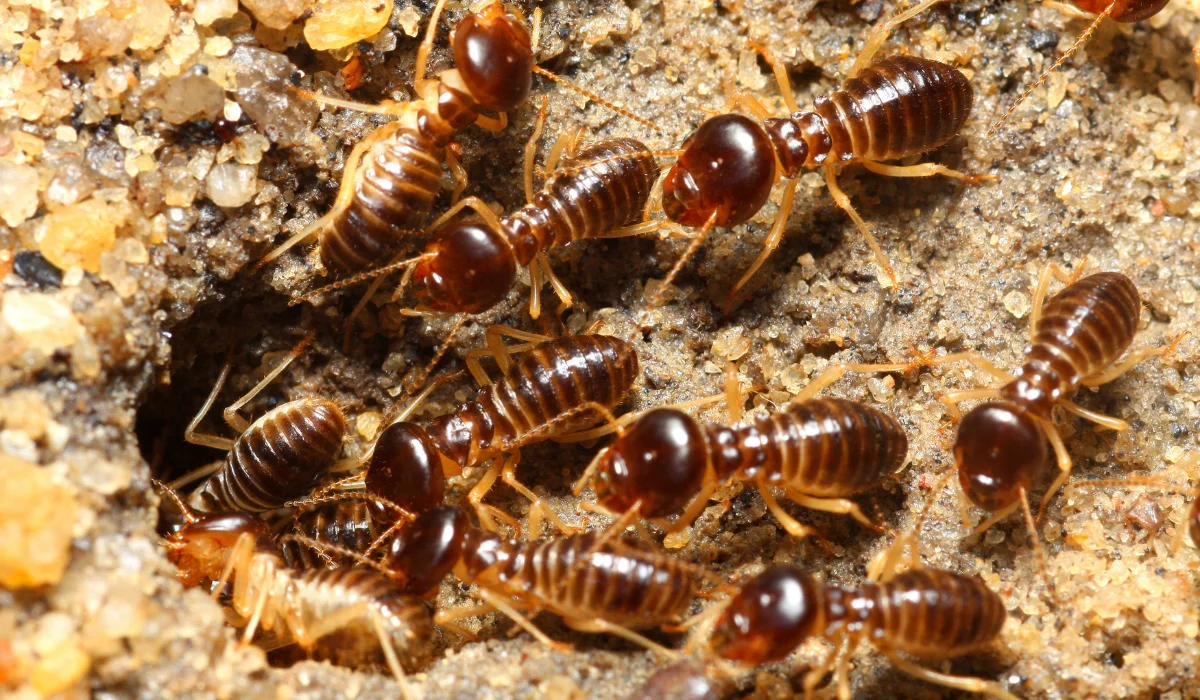




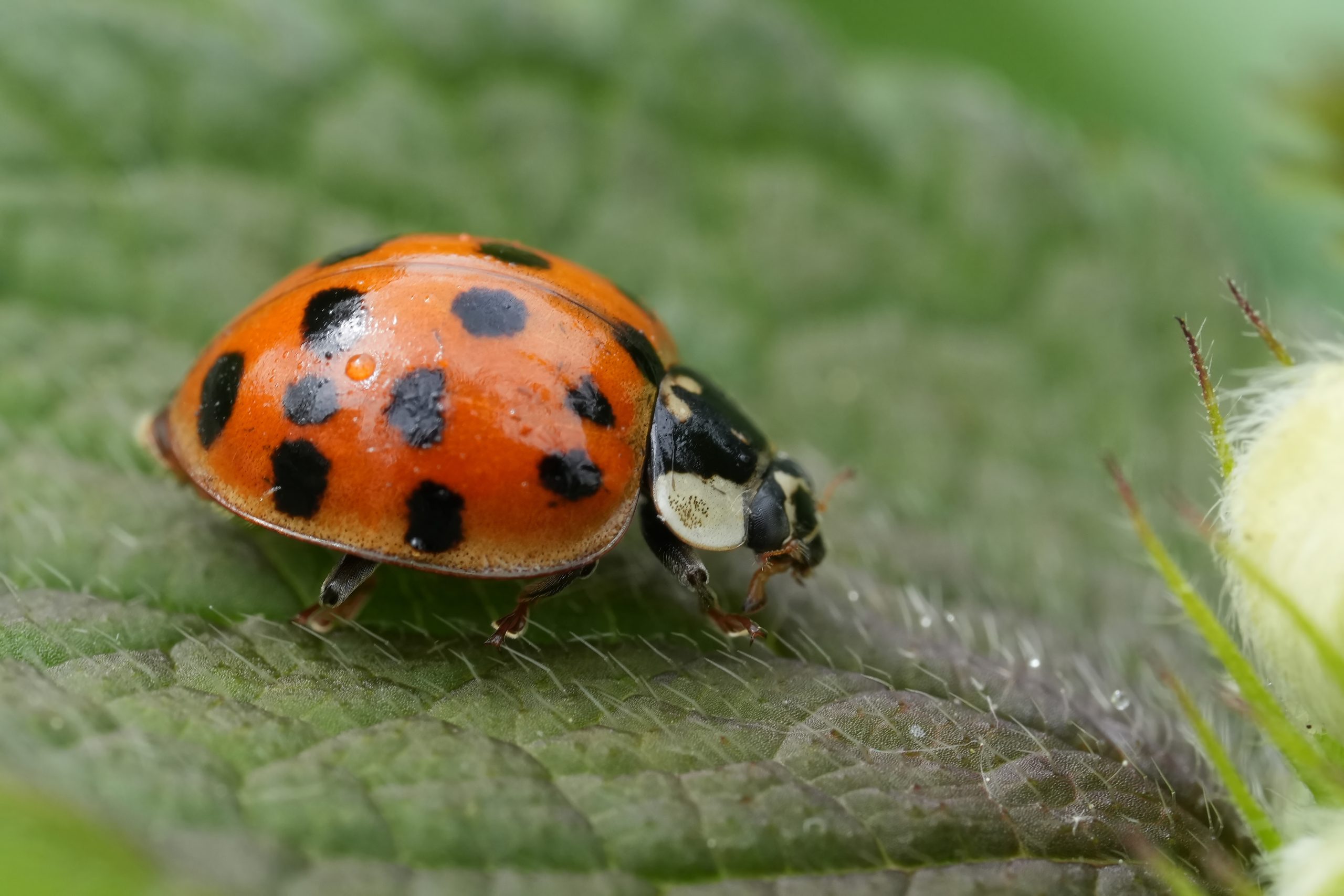
You spot an orange lady bug crawling along the inside of a sunny window. The next afternoon, several more show up on the glass, ceiling, or wall. They look like the garden ladybugs you know, but you could be dealing with multicolored Asian lady beetles, a species known for gathering on homes and moving inside for shelter.
If these beetles keep turning up, identification is the place to start. Their color, spots, and behavior can help you tell what you are seeing. Once you know the pest, you can figure out why it entered your Louisiana home and what you can do about it.
The Lady Bug in Your House May Be an Asian Lady Beetle
Asian lady beetles spend much of their time outdoors feeding on aphids and other small plant pests. That makes them useful in gardens and agricultural areas. Their relationship with homeowners changes when the weather pushes them toward sheltered spaces in buildings.
Louisiana has a notable connection to these beetles. The USDA Agricultural Research Service reports that Asian lady beetles were brought into the United States for biological pest control as early as 1916. The first established U.S. populations were found in Louisiana near New Orleans in 1988. Researchers have not tied that population to a single introduction route.
Louisiana Has More Than One Kind of Lady Beetle
Spotting an orange beetle does not settle the identification. The LSU AgCenter reports that about 75 lady beetle species have been documented in Louisiana. Asian lady beetles can produce four generations per year in southern states, including Louisiana, compared with two generations in northern areas. Adults may occur through much of the year in our state.
| Louisiana Lady Beetle Fact | Checked Data |
| Lady beetle species documented in Louisiana | About 75 |
| First established U.S. Asian lady beetle populations | Louisiana near New Orleans, 1988 |
| Generations per year in northern areas | 2 |
| Generations per year in southern states, including Louisiana | Up to 4 |
| Common prey | Aphids and other small insects |
That variety is one reason a photo or close inspection can tell you more than color alone.
Asian Lady Beetle vs. Ladybug: How to Tell the Difference
Picture a ladybug, and you may think of a bright red shell with neat black dots. Asian lady beetles are harder to pin down from that picture. You may find a red one next to an orange one. Another may be yellow. Some have obvious black spots, while others have faint markings or no visible spots.
The University of Minnesota Extension lists adult Asian lady beetles at about one-third of an inch long. Many have 19 black spots, but spot number and appearance vary. A dark M-shaped mark on the pale area behind the head is another useful identification feature.
Check More Than the Color
No single color pattern works for every Asian lady beetle. Use size, markings, and behavior together.
| Feature | Asian Lady Beetle | Other Lady Beetles |
| Body color | Yellow, orange, red, or dark forms | Depends on species |
| Black spots | Up to 19, with some beetles showing none | Number depends on species |
| Area behind the head | May show a dark M-shaped mark | Markings differ by species |
| Adult size | About 1/3 inch | Depends on species |
| Behavior near homes | Can gather on buildings and enter sheltered spaces | Depends on species |
| Outdoor food | Aphids and other small plant pests | Many species eat similar prey |
An orange ladybug with no spots can still be an Asian lady beetle. A red beetle covered in spots may belong to another species.
Behavior adds another piece. Large groups collecting on exterior walls, around windows, or near the roofline as temperatures change fit the pattern we see with Asian lady beetles.
Why Are Ladybugs in My House?
Asian lady beetles head toward buildings in search of shelter. They can settle inside wall spaces, attics, and other protected areas during cooler weather.
Your home gives a small insect plenty of routes inside. A gap around trim may lead into a wall. A loose screen may open a path near a window. Roofline and soffit openings can provide access to attic spaces.
Common Lady Bug Entry Areas Around a Home
When inspecting a house for lady bug access, areas worth checking include:
- Window frames and exterior trim
- Exterior doors and door sweeps
- Garage door seals
- Soffits and fascia
- Roofline joints
- Utility openings
- Exterior vents
- Damaged screens
- Siding joints
- Seams where different materials meet
Size matters here. Lady beetles can fit through an opening as small as one-eighth of an inch. A gap that looks minor from the yard can give a beetle enough room to reach a sheltered part of the house.
Why Ladybugs Show Up at Windows
You might go several weeks without seeing a beetle, then find five crawling around a window on a warm afternoon. That does not mean they hatched beside the window.
Asian lady beetles do not reproduce inside homes. Beetles found indoors during winter or spring entered the building at an earlier point. Warmth can bring resting beetles out of wall spaces or attics, and some move toward bright windows while searching for a way outside.
This can make a ladybug infestation feel sudden even when the insects have been inside the structure for some time.
Are Asian Lady Beetles Harmful?
Asian lady beetles can be a nuisance inside, but they are not wood-destroying insects. They do not bore into framing, eat carpet, or feed on furniture.
What homeowners notice instead is the mess that comes with indoor clusters. Disturbed beetles can release a yellow fluid with a strong odor. The fluid may leave marks on pale walls, curtains, or other surfaces.
Do Asian Lady Beetles Bite?
Some can pinch or bite exposed skin. These bites are superficial and not medically significant. The beetles have no stinger or venom.
That does not make a house full of them pleasant. It does help put the problem in perspective. With Asian lady beetles, the main concern inside a home is nuisance activity rather than structural damage.
| Homeowner Concern | What the Evidence Shows |
| Structural wood damage | They do not chew or bore into the structure |
| Carpet or furniture damage | They do not feed on these materials |
| Indoor breeding | They do not reproduce inside structures |
| Yellow staining | Defensive fluid can mark light surfaces |
| Odor | Disturbed beetles can release an unpleasant smell |
| Bites | Superficial bites can occur |
| Stinging | They do not have a stinger |
If you find beetles on furniture or around a window, avoid crushing them against the surface. The stain may be harder to deal with than the beetle itself.
How to Get Rid of Ladybugs in Your House
For visible beetles, a vacuum is a practical first step. It lets you collect several insects without crushing them into paint, fabric, or window trim. Remove the collected beetles after you finish.
The next sighting deserves more attention than the first. Watch where the beetles appear. If they keep coming from the same window, ceiling edge, or wall, that location may point toward a hidden route through the structure.
Trace the Activity Toward the Outside
Suppose you find beetles beside the same upstairs window three afternoons in a row. Check the exterior around that part of the house. Look for cracked caulk, damaged screens, worn seals, siding gaps, or openings near the soffit.
Beetles appearing near an attic opening may have taken another route. They could have entered near the roofline and settled in the attic before moving down into the living area.
Spraying the insects you can see does not close those routes. If beetles remain inside wall spaces, treating a windowsill misses the part of the problem you cannot see.
Keep Asian Lady Beetles Out Before They Move In
Exterior repairs give you the best chance to reduce the next wave. Replace torn screens and worn weather stripping. Check garage seals and door sweeps. Inspect siding joints, vents, soffits, fascia, utility penetrations, and other exterior seams.
Pay close attention to spots where two construction materials meet. A beetle does not need a direct opening into your living room. It only needs a path into a sheltered wall, roof, or attic space. This approach also helps with other occasional pests that use the same gaps.
When Recurring Lady Bugs Call for Pest Control
Finding one lady beetle on a window is different from finding clusters every season. If you keep vacuuming beetles and more take their place, the part that needs attention may be outside the room where you see them. LaJaunie’s Pest Control can inspect the exterior windows, doors, base of the home, attic, eaves, cracks, crevices, and possible pest access areas as part of the pest control process.
An inspection also helps identify the beetle and look at the parts of the structure connected to the activity. That can matter when beetles are coming from second-story trim, soffits, an attic, or other areas that are hard to check from the living room.
If lady bugs or other beetles keep getting into your South Louisiana home, contact LaJaunie’s Pest Control. We can identify what you are seeing, inspect the areas tied to the problem, and recommend the right service based on what we find.
Vacuuming handles the beetles crawling on your window today. Finding where they are getting into the house can help cut down the number you see next time.