A small brown spider slipping behind a shelf as you move a box in the garage may leave you wondering whether it’s a brown recluse you just saw. Louisiana spiders come in many shades of brown, and several harmless species can look convincing at a glance.
A Louisiana brown recluse spider is worth taking seriously because they do occur in Louisiana. The harder part is knowing whether what’s in front of you is actually one.
Brown recluses usually stay in protected places where people rarely look. That habit shapes both the risk and the way you should respond. This guide explains what a brown recluse looks like, where it hides, what bite symptoms deserve attention, and what repeated activity looks like to give you a much clearer picture of whether there is a real problem inside your home.
Are Brown Recluse Spiders Common in Louisiana?
Brown recluse spiders in Louisiana fall within the species’ established geographic range across the central and south-central United States. That tells you they belong here, but it doesn’t tell you how many live around a particular house or neighborhood.
The University of California Riverside Spider Research program has documented how often brown recluses are incorrectly identified. Even inside their established range, a small brown spider can easily belong to another species. Color alone gives you very little certainty.
Where Brown Recluses Find Shelter
Brown recluse habitat inside a home tends to be quiet, dry, and rarely disturbed. Garages, closets, attics, sheds, and crawl spaces can provide far more cover than the middle of a busy living room.
Think about the places where you keep holiday decorations, old paperwork, work gloves, shoes, or storage boxes that have not moved in months. Those tucked-away areas give spiders shelter and keep them close to the small insects they eat.
| Area Around the Home | Why It Offers Spider Shelter |
| Garage shelving | Boxes and stored items create narrow, dark gaps |
| Attics | Low foot traffic leaves hiding places undisturbed |
| Closets | Shoes, bags, and folded materials provide cover |
| Crawl spaces | Darkness and limited activity create sheltered areas |
| Sheds | Tools, lumber, and stored equipment create hiding spots |
| Firewood piles | Gaps between pieces of wood offer outdoor shelter |
Where you find a spider can provide useful context, but location can’t confirm the species. Identification depends on several physical features together.
How Can You Identify a Louisiana Brown Recluse Spider?
Brown recluse identification takes more than spotting a dark mark on the spider’s back. The familiar violin marking gets most of the attention online, but it should never be your only clue.
Brown recluses are usually tan to brown with a relatively plain body and long, slender legs. A darker violin-like mark may appear on the front portion of the body. The exact shade can vary, so trying to identify a brown recluse spider by color alone often leads to mistakes.
What Does a Brown Recluse Look Like?
One of the strongest identification clues is the eye arrangement. Brown recluses have six eyes grouped into three pairs, while most spiders have eight.
Those eyes are too small to use as a casual identification trick from across a room. don’t handle a live spider to get a closer look. A clear photo taken from a safe distance, or a specimen contained without direct contact, can give a pest professional more to work with.
Brown Recluse vs. Common Louisiana Lookalikes
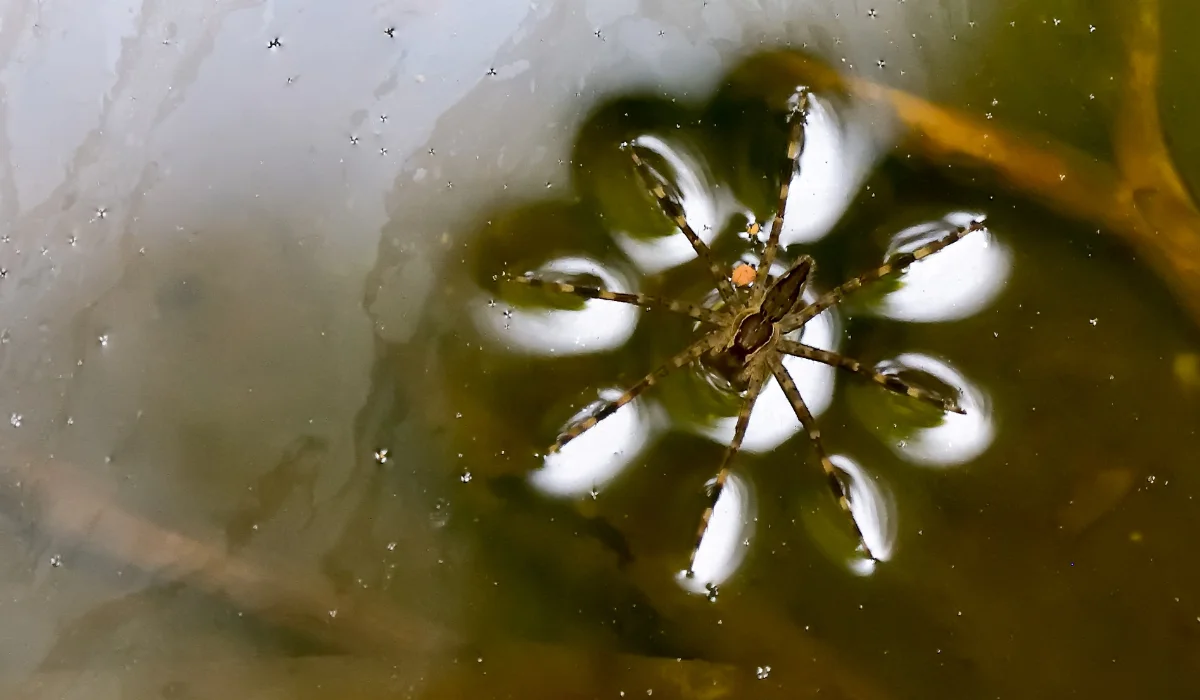
Southern house spiders and wolf spiders are among the Louisiana spiders homeowners may mistake for a recluse. Their body shapes, markings, and behavior differ, but those distinctions aren’t always obvious when a spider darts behind furniture.
| Feature | Brown Recluse | Many Common Lookalikes |
| Eyes | 6, arranged in 3 pairs | Usually 8 |
| Color | Tan to brown | Brown, gray, or patterned |
| Back | May show a violin-like mark | Can have stripes, patches, or other markings |
| Body appearance | Relatively plain | Often hairier or more patterned |
| Typical behavior | Favors secluded shelter | Varies by species |
| Best identification method | Several physical traits together | Color alone is unreliable |
If you can’t make out the spider clearly, leave the identification open. A blurry photo of a brown spider isn’t enough evidence to call it a recluse.
Where Do Brown Recluse Spiders Hide Inside Homes?
Where brown recluse spiders hide explains why homeowners can live around them without seeing them often. These spiders tend to settle into overlooked spaces behind stored belongings, beneath shelving, and inside areas that receive little regular activity.
A packed Louisiana garage can offer dozens of hiding places. Closets, utility rooms, attics, and crawl spaces can do the same, especially when cardboard boxes and stored fabrics remain untouched for long periods.
How Accidental Encounters Happen
Most indoor encounters happen when someone disturbs a hiding place. You may reach behind a box, pull on a glove that has been sitting on a shelf, or put on shoes stored in a quiet corner.
Brown recluses aren’t known for chasing people around a room. A brown recluse spider bite is more likely when the spider becomes trapped against skin inside clothing, bedding, a shoe, or another object.
A few habits lower that chance. Shake out shoes and work gloves that have been stored for a while, check folded fabrics before using them, and avoid reaching blindly into dark storage spaces.
Storage choices help, too. Clear, sealed containers are easier to inspect than old cardboard boxes with open seams and folded flaps, and keeping shelves less crowded makes spider activity easier to spot.
How Dangerous Is a Brown Recluse Bite?
Brown recluse venom can injure tissue, but the popular image of every bite becoming a severe wound is misleading. Brown recluse bite symptoms can range from mild local irritation to more serious skin damage or illness.
One unusual infestation helps put the risk in perspective. Researchers writing in the Journal of Medical Entomology reported collecting 2,055 brown recluse spiders from a Kansas home over six months. Despite that extraordinary number, no brown recluse envenomations were reported among the occupants during the study.
That finding doesn’t make a brown recluse bite harmless. It shows that having the spiders nearby doesn’t mean bites happen constantly.
What Symptoms Deserve Attention?
A suspected brown recluse spider bite may begin with local redness or discomfort and then change over time. Some reactions remain limited to the bite area, while more serious symptoms need medical evaluation.
| Possible Reaction | What It Can Look Like |
| Local irritation | Redness, tenderness, or swelling |
| Developing skin reaction | Increasing pain, blistering, or visible skin changes |
| Tissue injury | Breakdown of skin around the affected area |
| Systemic symptoms | Fever, weakness, nausea, or symptoms beyond the bite area |
| Serious reaction | Worsening symptoms that require medical evaluation |
Skin infections and other medical conditions can resemble presumed spider bites, so appearance alone can’t confirm the cause. MedlinePlus provides information about symptoms, first aid, and medical treatment for suspected bites.
If symptoms worsen, seek medical care rather than trying to diagnose the bite yourself. If the spider is already safely contained, keeping it for identification may help, but catching one should never delay medical attention.
How Can You Tell if You Have a Brown Recluse Infestation?
A brown recluse infestation is better judged by repeated evidence than by one quick sighting. One confirmed spider tells you that the species was present in that location. Several confirmed spiders, recurring captures on monitoring traps, or activity in multiple secluded areas gives you a stronger reason to investigate.
A skin mark doesn’t tell you how many spiders live in the house. Neither does an unidentified brown spider seen briefly in a garage. Verified specimens and patterns of activity are more useful.
Signs Worth Investigating
| What You Find | What It Suggests |
| One unidentified brown spider | Identification is still uncertain |
| One confirmed brown recluse | The species was present at that location |
| Several confirmed specimens | A closer inspection is warranted |
| Repeated monitoring-trap captures | Ongoing activity may be occurring nearby |
| Activity in several storage areas | Spiders may be established indoors |
| Heavy insect activity | The space provides food for spiders |
Once you know where the activity is occurring, prevention becomes more focused. Organize storage areas so floors and wall edges stay visible, replace unnecessary cardboard with sealed containers, and check doors, windows, utility openings, and other gaps that can let small pests indoors.
Spider populations also depend on food. Cockroaches, crickets, beetles, and other small insects can support spider activity inside a home. Reducing those pests removes part of what makes a storage area attractive in the first place.
What Should You Do About Brown Recluses in a Louisiana Home?
If you see one spider that you can’t confidently identify, start with identification rather than assuming you have an infestation. A clear photo, a safely contained specimen, or a professional inspection can often answer that first question. Repeated confirmed sightings call for a broader look because brown recluses can stay hidden behind stored belongings and inside low-traffic areas.
Professional spider control is most useful when it goes beyond removing the spider you can see. An inspection can check attics, garages, storage areas, cracks, access points, and insect activity that may be supporting spiders elsewhere in the structure. That helps separate an occasional sighting from an established indoor problem.
LaJaunie’s Pest Control inspects areas such as garages, attics, windows, doors, exterior walls, cracks, and crevices. We offer same-day service and free inspection for pests. If you keep finding a Louisiana brown recluse spider or need help identifying spiders in your home, contact LaJaunie’s Pest Control for a professional inspection and a treatment plan based on what’s actually happening on your property.