




Do Wasps Sleep can create costly problems when early signs are missed. Learn what to look for, why it matters, and when to call LaJaunie’s Pest Control.
Key Takeaways About Wasp Sleep Habits
- Wasps become less active at night, which can affect how and when you deal with a nest near your home.
- Some wasps are social and build large nests with many individuals, while solitary species nest on their own, so identification matters before taking action.
- Nests located close to areas where you and your family spend time may pose a sting risk and should be addressed before someone gets stung.
- LaJaunie’s Pest Control offers a free phone consultation to identify the type of wasp and can send a technician to handle nests, including eaves up to 25 feet.
How to Identify Wasp Activity
Understanding whether wasps sleep starts with recognizing where they rest and how their presence shows up around your property. Wasps become less active during nighttime hours, and you may notice them staying still on or near their nest. Knowing what to look for helps you decide whether a nest needs attention or can be left alone.
How to Tell Wasp Types Apart
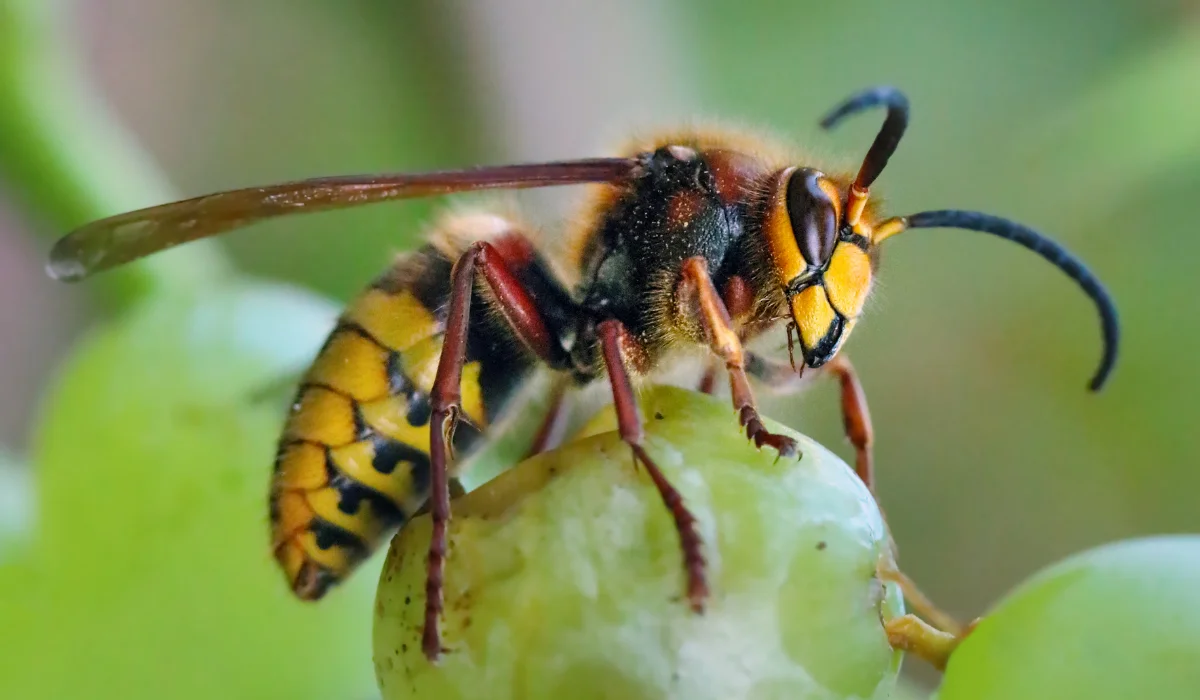
Different wasps build different styles of nests, which can help you tell them apart. Paper wasps build distinctive open nests that are often visible and easy to spot around structures. During the day you can see wasps moving around the nest; at night they rest on its surface.
According to UC IPM, paper wasp nests do not necessarily require treatment unless they are located near where people spend time. If a nest is tucked away in a low-traffic area, the resting wasps on it may pose little concern.
How to Spot Wasp Activity Inside Your Home
You may occasionally find a wasp resting indoors, particularly if one has entered through an open window or door. A single wasp sitting motionless on a wall or ceiling during evening hours is likely resting, as wasps are generally less active at night. Check nearby areas for a nest, since a wasp found inside may indicate a nest is attached somewhere on the exterior near an opening.
Where Wasp Activity Shows Up Around Homes
Around homes, wasp nests tend to appear in sheltered spots that offer overhead protection. Paper wasp nests are commonly found under eaves, porch ceilings, and similar overhangs. At dusk and through the night, you can often see wasps clustered together on the nest surface in a resting position.
A nest located in a spot where your household rarely goes may not need any intervention. However, a nest built near doorways, walkways, or outdoor seating areas sits close to where people are active, making it more of a concern.
Exterior Entry Points Wasps Use
Wasps look for protected voids and crevices when choosing a nesting site. Gaps along rooflines, openings around soffit panels, and spaces behind shutters can all serve as access points. LaJaunie’s technicians can treat eaves up to 25 feet when a nest is positioned in a hard-to-reach area. Our technicians wear bee suits for protection during service.
Checking these exterior spots in the early morning or late evening, when wasps are resting and less active, can help you locate a nest before it grows larger. Addressing it early reduces the chance of an unexpected encounter.
Why Wasp Problems Develop
Understanding wasp rest cycles matters because it helps explain when and where nests grow around your home. Wasps are largely beneficial insects that attack, feed on, or parasitize other insects, including many damaging flies and caterpillars. Still, when nesting activity overlaps with your living space, sting risk rises and the situation calls for attention.
Outdoor Nesting Areas for Wasps
Social wasps such as paper wasps form large colonies tied to an elaborate nest, so you may notice many individuals active at the nest entrance. According to Mississippi State University Extension, paper wasp nests last only one season regardless of species, yet during that season, activity around the nest can be steady. Solitary wasps, by contrast, are not associated with a large nest. Only one individual normally occupies each nest or burrow.
Both nest types can appear under eaves, along rooflines, or near foliage around your home. Nests built in spots where people are regularly active should be addressed to minimize the risk of stings.
Food and Shelter That Attract Wasps
Wasps feed on other insects, which draws them toward areas where prey is plentiful. Sheltered structural features that block wind and rain make appealing nest sites for social species. Solitary wasps, such as those in the genus Pachodynerus, lay their eggs in individual nests that are not tended by any other individuals, so even a single suitable cavity can attract nesting activity.
How Wasps Move Around Homes
As a colony grows through the season, foraging wasps range farther from the nest in search of prey. You may spot them near doorways, porches, or garden beds. Be alert for wasp nests around the home so you can identify new activity early. Preventive measures work best when you catch nest-building before the colony is established.
Trails and Entry Points Wasps Use
Wasps follow consistent flight paths between their nest and food sources. According to Mississippi State University Extension, nests built where they are likely to cause stings should be addressed proactively. Watch for repeated wasp traffic along eave lines or near gaps in exterior trim, as these patterns often point back to a nearby nest.
Risks From Wasp Activity
Understanding when wasps rest matters because it directly affects your chances of a painful encounter. Even during their less active hours, disturbing a nest can trigger a defensive response. Knowing the risks helps you avoid dangerous situations around your home.
Health Risks Linked to Wasps
Only female wasps are capable of stinging. According to Kansas State University Extension, stingers are modified egg-laying structures, and the sting includes venom that may be used defensively when a colony is threatened. This means accidentally stepping near or bumping a nest, even at night, can provoke a sting.
Yellow jackets, paper wasps, and bumble bees can sting more than once because they pull out their stingers without injuring themselves. If you are stung by one of these pests, the stinger is not left in your skin. That ability to deliver repeated stings makes a close encounter with a nest far more serious than a single-sting scenario.
According to the University of Georgia pest guide, a mistake during yellowjacket nest treatment can result in hospitalization or death from excessive stings. This risk applies whether the nest is active during the day or you stumble upon it during evening hours when the colony has returned.
Property Damage From Wasps
A colony that establishes itself in or near your home’s structure can expand through the season, and a nest attached to eaves or tucked into a wall void can be difficult to remove once the colony grows larger.
Food Areas and Wasp Activity
Bumble bees nest in the ground and can become aggressive when their nest is threatened. If a ground nest sits near an outdoor dining or cooking area, foot traffic during the day or evening may be enough to provoke a defensive response. Because these pests can sting repeatedly, areas where people gather deserve extra attention.
When to Look Closer at Wasp Activity
If you notice wasps flying to and from the same spot on your home, that pattern points to a nearby colony. Because these pests return to the nest during rest periods, you may see a concentration of activity at dusk. Approaching the nest yourself carries real danger, especially with yellowjackets, where mishandling treatment can lead to a medical emergency.
LaJaunie’s technicians wear bee suits during wasp service and can identify the specific pest through a phone consultation before scheduling a visit.
Professional Pest Control for Wasp Problems
Understanding when wasps rest helps inform how and when to address nests around your home. Because wasps are less active at night, treatment timing and proper preparation matter. Here is what prevention, inspection, and professional wasp control look like in practice.
How to Reduce Attractants for Wasps
Limiting what draws wasps to your property is a practical first step. Keep outdoor eating areas clean and cover food or drinks when dining outside. Secure trash can lids so odors do not attract foraging wasps during the day. Walk around eaves, soffits, and foliage near your home every few weeks to spot early nest-building activity before a colony becomes established.
Why Wasp Control Starts With Inspection
At LaJaunie’s, the process begins with a free phone consultation to identify what you are dealing with. Wasps often build nests in grass or around foliage near the home, and they can also settle under eaves. Identifying the species matters because LaJaunie’s does not treat honey bees. Because honey bees are important pollinators and some local regulations encourage their relocation rather than extermination, we recommend contacting a beekeeper for honey bee removal.
What to Expect During Professional Wasp Treatment
According to Purdue Extension, treatment should be done at night when the insects are less active and nearly all are inside the colony. This timing takes advantage of the wasps’ rest period to help ensure the nest is fully addressed in a single visit.
LaJaunie’s technicians use products such as Waspfreeze or Bifen during the initial service visit. Proper clothing, including a bee veil, gloves, and secured sleeves and trouser legs, is important for anyone working near an active nest.
After the wasps have completely disappeared, the nest material should be removed and the entrance sealed. This step helps prevent other insects from moving into the old nesting site.
What to Expect From a Wasp Control Plan
LaJaunie’s sends a pest technician to take full control of the situation during the initial service. Nighttime treatment allows the technician to address the nest when the most individuals are present.
Ongoing prevention includes monitoring eaves, foliage, and grassy areas around your home for new nest activity. Catching a nest early, before a large colony develops, keeps the scope of treatment manageable. Periodic visual checks during warmer months can help you stay ahead of new wasp activity near your living spaces.
Bottom Line on Wasp Sleep Habits
Wasps do cycle through periods of reduced activity, and understanding that rhythm can help you manage nests around your home more safely. Nests built near doorways, eaves, or play areas can increase the chance of stings, so addressing them early in the season is worthwhile. Paper wasp nests last only one season, but that single season is enough to create problems if the nest is in a high-traffic spot.
Frequently Asked Questions
Are Wasps Less Active at Night?
Wasps generally become less active after dark. They tend to stay on or inside the nest during nighttime hours, which is why nest treatment is often done at night when nearly all individuals are present and less likely to fly.
Should I Remove a Wasp Nest Near My Home?
A nest built in a spot where people are regularly active may increase the risk of stings. Addressing it before someone gets stung is preferable to waiting. LaJaunie’s technicians can treat nests on eaves up to 25 feet high.
What Should I Do If I Get Stung?
If a honey bee stings you, remove the stinger as soon as possible by scraping it with a flat edge to help limit venom exposure. Wasps and yellow jackets usually do not leave a stinger behind. Clean the area and monitor for any unusual reaction. Seek medical attention if symptoms concern you. Clean the area and monitor for any unusual reaction. Seek medical attention if symptoms concern you.
Does LaJaunie’s Treat All Stinging Insects?
During a phone consultation, a team member will help identify the pest so the right approach is used. A technician is then scheduled to handle the situation on-site.