

You notice a few itchy red bumps around your ankles after sitting on the couch or walking through the bedroom. At first, they look like mosquito bites. Then another group appears nearby, and you start wondering whether fleas have made their way into your home.
Flea bites on humans share features with bed bug, mosquito, chigger, tick, and spider bites. Color alone will not identify the pest. The location, grouping, timing, and signs around your home provide much better clues.
This matters in South Louisiana, where warm weather and frequent contact with pets or wildlife can support flea activity for long stretches of the year. By comparing bite patterns and checking the areas where pets rest, you can narrow down the cause and decide what to do next.
What Do Flea Bites on Humans Look Like?
Flea bites on humans usually appear as small, raised red bumps. Some have a darker point in the center where the flea fed. A faint red ring may surround the bump, although skin reactions vary from person to person.
The bites often cause strong itching even though the bumps are small. Fleas may feed more than once before leaving the skin, so several bites can appear close together. LaJaunie’s field reference notes that flea bites commonly form groups of three or four and often affect the feet, ankles, and lower legs.
| Feature | Common Flea Bite Pattern |
| Size | Small, firm bumps, often smaller than mosquito welts |
| Color | Red or pink, sometimes with a darker center |
| Pattern | Tight clusters, short rows, or several bites in one area |
| Common location | Ankles, feet, calves, and lower legs |
| Main symptom | Strong itching with mild swelling |
| Timing | May appear soon after contact or several hours later |
You cannot confirm fleas from a bite photograph alone. Some people develop obvious welts, while others show little reaction. Look at the bite marks together with your recent activities, pet behavior, and evidence inside the home.
Flea Bites vs. Other Bug Bites
Bug bites often overlap in appearance. A mosquito can leave several bumps close together, and bed bugs can bite the legs. Instead of relying on one feature, compare where the bites appear, how they are grouped, and when you noticed them.
Flea bites often point toward activity near the floor. Bed bug bites are more closely tied to sleeping areas, while chigger bites usually follow time spent in grass or brush. Tick bites tend to involve one attachment site rather than several small bites.
| Pest | Typical Appearance | Common Location | Usual Pattern | Helpful Context |
| Flea | Small, red, itchy bumps | Ankles, feet, and lower legs | Clusters or short groups | Pets, carpets, rugs, or pet bedding nearby |
| Bed bug | Raised red welts | Arms, neck, shoulders, back, and legs | Lines, curves, or scattered groups | Bites noticed after sleeping |
| Mosquito | Soft, puffy welts | Any exposed skin | Random or isolated | Recent outdoor activity |
| Chigger | Tiny, intensely itchy bumps | Waist, sock lines, thighs, and behind knees | Dense clusters | Time spent in tall grass or brush |
| Tick | Red spot around an attachment site | Warm or hidden areas of the body | Usually one bite | Tick may still be attached |
| Spider | Variable redness or swelling | Any body area | Usually isolated | Spider bites are difficult to confirm without seeing the spider |
The pattern is a clue, not a diagnosis. A careful home inspection often tells you more than the appearance of the skin. When bites continue for several days, check the room, furniture, pets, and outdoor resting areas instead of assuming the cause.
Flea Bites vs. Bed Bug Bites
Flea bites and bed bug bites create the most confusion because both may appear in groups. Fleas usually reach you from flooring, rugs, pet bedding, or upholstered furniture, which is why bites often start around the ankles and lower legs.
Bed bugs usually feed while you are asleep or resting. Their bites may appear on the arms, shoulders, neck, back, or legs where skin was exposed. Some people develop a line of marks, but bed bug bites can also look random.
The strongest evidence comes from the room. Fleas may jump onto white socks as you cross a carpet, while bed bugs leave dark spotting, pale eggs, shed skins, or live insects around mattress seams and headboards. LaJaunie’s service information also notes that flea bites often occur on the extremities, while bed bug bites are more common on the trunk and upper body.
Flea Bites vs. Mosquito Bites
Mosquito bites often form broad, puffy welts with soft edges. Flea bites tend to stay smaller and more defined. Both can itch, so the size and location usually matter more than the intensity of the reaction.
Mosquitoes land on any exposed skin they can reach. Fleas often begin with the lower body because they jump from ground level. Bites that appear after an evening outside may point toward mosquitoes, while bites that continue indoors near a rug, sofa, or pet bed suggest fleas.
Timing also helps. A mosquito encounter is often tied to one outdoor event. A flea problem creates repeat exposure, so new bumps may appear after you walk through the same room or sit in the same chair.
Flea Bites vs. Chigger and Tick Bites
Chigger bites usually appear where clothing fits closely against the skin. Sock lines, waistbands, thighs, and the backs of the knees are common sites. They often follow time spent in tall grass, brush, or an overgrown yard.
Flea bites can also occur near socks, but they are more likely to affect exposed ankles and lower legs. If the bites started after spending time indoors near pets or carpeting, fleas become a stronger possibility.
Tick bites usually involve one attachment point. A tick may remain on the skin for hours or longer, so check the scalp, armpits, groin, waist, and behind the knees after outdoor activity. Fever, headache, fatigue, muscle pain, or a spreading rash after a suspected tick bite calls for medical advice.
Why Flea Bites Often Appear Around the Ankles
Adult fleas cannot fly. They move by jumping from carpets, floor gaps, pet bedding, furniture, or outdoor areas where animals spend time. Your feet and ankles are often the first exposed parts of your body within reach.
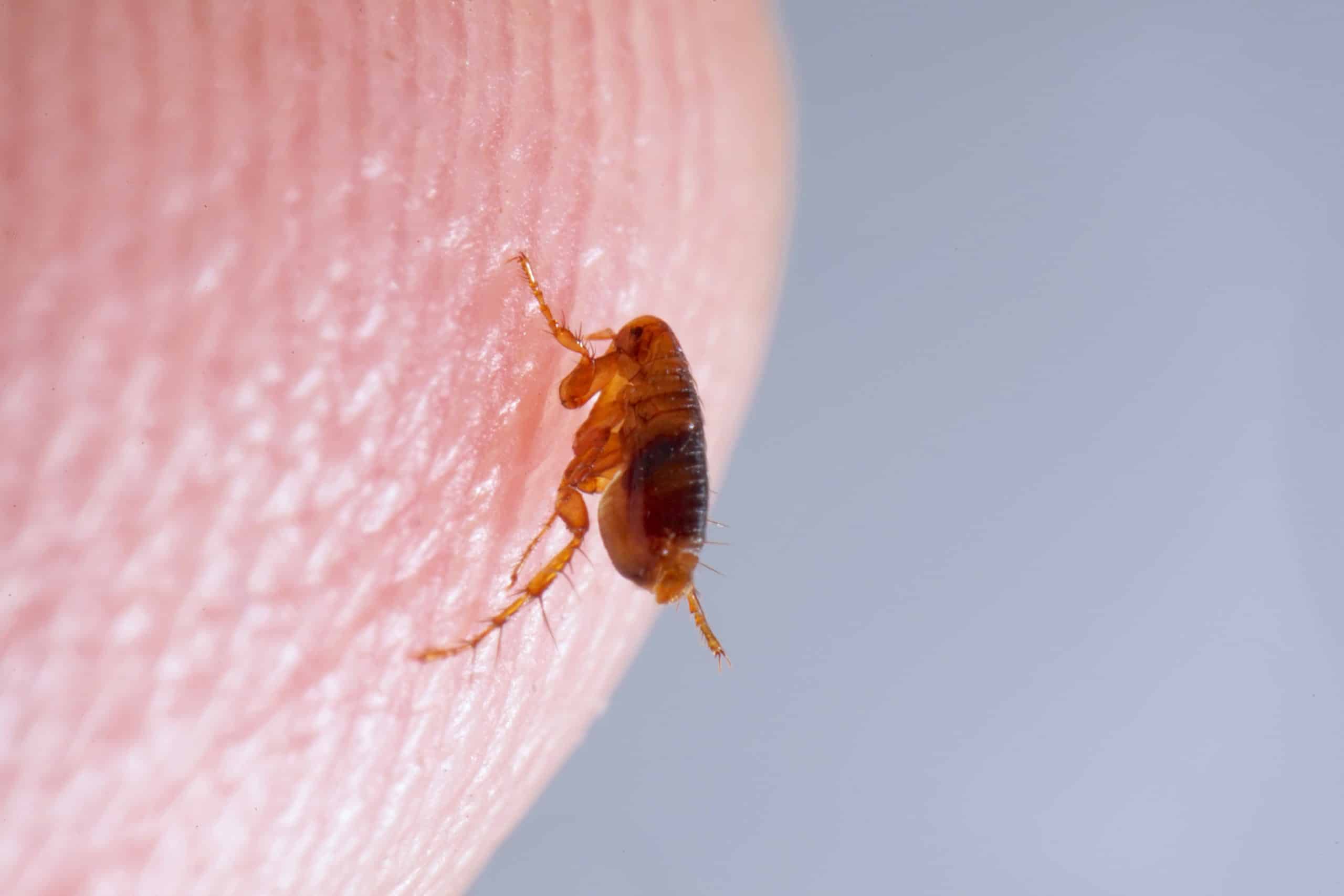
Common cat and dog fleas measure about one-eighth of an inch long. Their narrow bodies help them move through animal fur, and their strong back legs help them reach a nearby host. Their small size also makes them easy to miss against dark flooring or pet hair.
| Area | Why Fleas May Gather There | What to Check |
| Pet bedding | Warmth, hair, and frequent animal contact | Seams, folds, and the floor underneath |
| Carpets and rugs | Fibers shelter immature flea stages | Edges, beneath furniture, and pet resting spots |
| Sofas and chairs | Pets may sleep or climb on them | Cushion seams and fabric folds |
| Floor gaps | Protected spaces collect hair and debris | Baseboards and cracks between boards |
| Shaded yard areas | Moisture and animal activity support development | Beneath decks, shrubs, kennels, and porches |
| Cat trees and pet furniture | Regular contact with an animal host | Fabric surfaces, joints, and the surrounding floor |
Ankle bites alone do not prove that fleas are present. Mosquitoes, chiggers, and biting midges can also affect the lower legs. Repeated bites in one room, combined with pet scratching or jumping insects, make fleas much more likely.
Common Flea Bite Symptoms
The main symptom is itching. Mild swelling, redness, tenderness, and a warm or burning feeling can also occur. People who are sensitive to flea saliva may develop larger irritated patches around the original bites.
According to the Cleveland Clinic’s guidance on flea bites, scratching can break the skin and lead to infection. Increasing pain, warmth, pus, red streaks, or redness that keeps spreading should be evaluated by a medical professional.
Trouble breathing, swelling around the face or mouth, faintness, or widespread hives can signal a serious allergic reaction. Seek immediate medical care for those symptoms. You should also contact a healthcare provider when bites worsen instead of healing or appear with fever and unexplained body symptoms.
How to Treat Flea Bites at Home
Wash the affected skin with soap and water, then pat it dry. Apply a cool compress for several minutes to reduce swelling and calm the itch. Avoid harsh scrubbing, which may make the irritation worse.
An over-the-counter anti-itch cream may help when used as directed on the label. Some people take an oral antihistamine, but these products may not be suitable for everyone. Ask a doctor or pharmacist when you have a health condition, take other medications, or are treating a young child.
Try not to scratch, even when the bites feel intense. Keep your fingernails short and cover irritated areas with clean, loose clothing at night. Treating the skin helps with comfort, but it will not stop new bites if fleas remain in the home.
How to Check Your Home for Fleas
Begin with your pets. Part the fur around the neck, belly, lower back, tail base, and inner legs. Look for live fleas or black grains that resemble pepper. These grains may be flea dirt, which contains digested blood.
Check pet beds, rugs, floor edges, couch cushions, cat trees, and areas beneath furniture. Wearing white socks can make activity easier to spot. Walk slowly through a suspected room and watch for small dark insects jumping onto the fabric.
The CDC’s flea guidance explains that fleas commonly feed on animal hosts and can also bite people. Pets may introduce them indoors, but rodents, wildlife, neighborhood animals, or a previous infestation can create the same problem.
Do not rule out fleas because your pet is not scratching constantly. Animals respond differently to bites, and a small population may go unnoticed at first. The home may also contain developing flea stages before adults become easy to see.
How to Stop Flea Bites From Continuing
Effective control needs to address pets and the places where fleas develop. Speak with a veterinarian about an appropriate flea plan for every dog or cat in the home. Never apply a product intended for one animal species to another.
Wash pet bedding according to the fabric instructions. Vacuum rugs, carpets, upholstered furniture, floor edges, closets, and the spaces beneath beds. Seal the vacuum contents in a bag and place it in an outdoor trash container.
Repeated vacuuming is useful because flea eggs and larvae can settle in protected areas away from the pet. Cornell University College of Veterinary Medicine explains that successful flea management requires attention to both the animal and its surroundings.
Outdoor areas also need attention when pets spend time in the yard. Cut tall grass, remove leaf buildup, clean beneath porches, and reduce wildlife access near the home. Focus on shaded places where pets rest rather than treating every open section of the lawn.
When Professional Flea Control Makes Sense
Professional help may be needed when bites continue after pet care, cleaning, and vacuuming. Flea development can occur in several parts of the home at once, including rooms that do not seem active. A technician can inspect those areas and identify likely hot spots.
LaJaunie’s flea service begins by determining whether activity is indoors, outdoors, or in both places. The service may include treatment of baseboards, cracks, floor surfaces, pet furniture, and outdoor resting areas. A two-week follow-up helps address fleas that emerge after the first visit.
Customers also receive preparation and aftercare instructions. These include clearing floors, vacuuming carpets, cleaning pet bedding, and arranging veterinary flea care for pets on the same day. This coordinated approach helps prevent untreated areas from restarting the problem.
Protecting Your Home From Flea Bites
Flea bites on humans are easiest to recognize when you look beyond the red bumps. Small clustered bites around the ankles, repeated exposure in the same room, pet scratching, and signs near bedding or carpets all help build a clearer picture.
Once you suspect fleas, care for the bites and inspect the places where pets rest. Treating the animal without cleaning the environment can leave part of the infestation behind. The same is true when you clean the home but do not address fleas on pets.
Persistent flea activity usually calls for a broader plan that covers the home, yard, and animal hosts. LaJaunie’s Pest Control provides flea inspections and treatment across southeastern Louisiana, with service based on where the activity is found and a follow-up visit to check the results.