



Fleas And Ticks can create costly problems when early signs are missed. Learn what to look for, why it matters, and when to call LaJaunie’s Pest Control.
Key Takeaways About Fleas And Ticks
- Fleas are small, wingless parasites that feed on warm-blooded animals and can bite people too. Flea bites are itchy, and some people and pets may experience allergic reactions to flea saliva.
- Several tick species can carry diseases, and both indoor and outdoor areas may need attention when an infestation develops. Pets are a common way fleas and ticks enter your home.
- Homeowner preparation, including vacuuming, lawn care, and pet treatment, plays an important role alongside professional indoor and outdoor treatments.
- LaJaunie’s Pest Control offers both indoor and outdoor flea and tick treatments, each with a free two-week follow-up to address newly hatched pests.
How to Identify Fleas And Ticks
Knowing what fleas and ticks look like, and where they tend to show up, helps you catch a problem early. Both pests feed on blood and can affect your pets and your family, but they differ in size, shape, and behavior. Here is what to look for around your home.
How to Tell Fleas And Tick Types Apart
Fleas and ticks, identified
Both pests feed on blood and can affect pets and family, but they look and behave differently. Here is how to tell them apart.
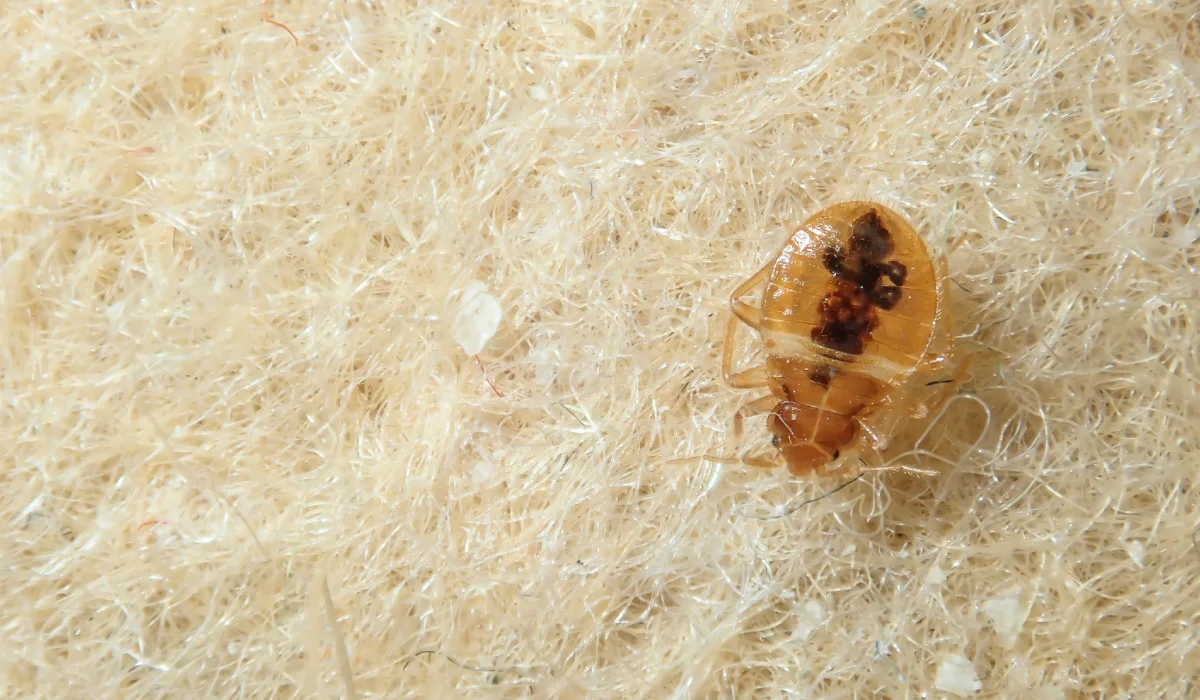
Fleas are tiny, reddish-brown insects with a body flattened from side to side and covered in a hard shell. The cat flea and dog flea are the most common types, both growing to about 1/8 of an inch. When engorged with blood, a flea may appear reddish-black. Fleas lack wings, but their large hind legs let them jump great heights and move easily through thick fur.
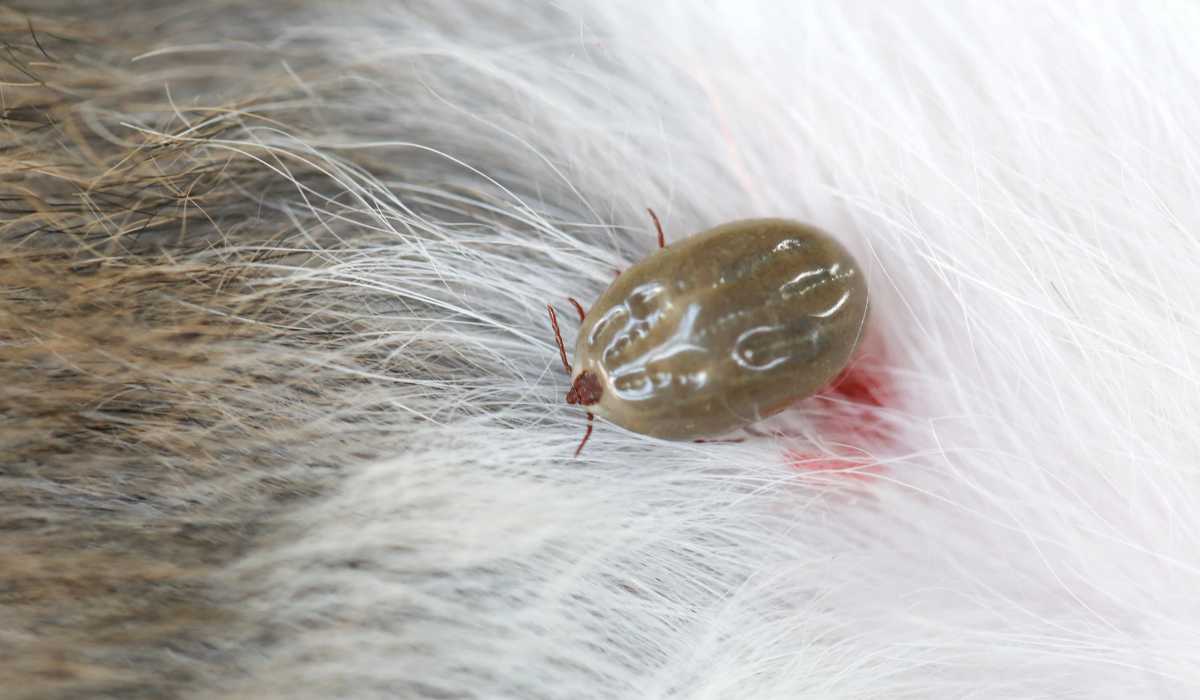
Ticks are arachnids, not insects, and they are generally larger and rounder than fleas. The brown dog tick is one species homeowners may encounter. Unlike fleas, ticks do not jump. They latch onto a host and feed for extended periods. Brown dog tick larvae and nymphs can survive without a host for up to six months, and according to the University of Georgia pest guide, adult females can survive up to a year off a host.
How to Spot Fleas And Tick Activity Inside Your Home
Flea activity often shows up first on pets. Watch for excessive scratching, small dark specks in fur, or tiny insects hopping off bedding. According to Purdue Extension, fleas can jump 8 to 10 inches, and bites on people occur most often near the ankles and lower legs.
Bites appear as small, itchy red bumps with a halo around the center, usually found in groups of three to four in a straight line. If someone in the household is allergic to flea saliva, the itching can be very intense, and secondary infections may develop from frequent scratching.
The brown dog tick may sometimes become a problem indoors, primarily in association with dogs. Check between your dog’s toes, in the ears, around the legs and neck, and deep in the fur for attached ticks.
Where Fleas And Tick Activity Shows Up Around Homes
Outdoors, fleas tend to concentrate in shaded, sheltered areas of the yard where pets spend time. Ticks are often found in similar spots. Keeping your lawn freshly cut can help reduce the areas where both pests wait for a host to pass by.
Inside, fleas gravitate toward carpets, pet bedding, and areas underneath beds or at the bottom of closets. Large infestations on pets can cause hair loss and anemia. Both pests can spread through any room a pet has access to.
Exterior Entry Points fleas and Use
Pets are the most common way both fleas and ticks enter your home. Dogs that spend time outdoors can carry ticks inside after a walk or play session. Fleas jump onto pets or people as they pass through an area where newly emerged adults are waiting.
Because brown dog ticks can survive so long without a host, they may remain in kennels, dog runs, or covered outdoor areas and re-attach when a dog returns. Regularly checking your pets after time outdoors is one of the most practical steps you can take to limit both pests from getting established inside.
Why Fleas And Ticks Problems Develop
Flea and tick problems usually start outdoors and follow a predictable path into your home. Understanding where these pests nest, what draws them in, and how they travel can help you recognize trouble before populations grow.
Outdoor Nesting Areas for fleas and
Both pests favor shaded, sheltered spots across your yard. The brown dog tick, for example, is most often found in and around pet resting areas, according to Purdue Extension. Tall grass, leaf litter, and overgrown vegetation give both pests cover between feedings.
Food and Shelter That Attract fleas and
Both fleas and ticks are parasites that rely on blood meals. Pets that spend time outdoors are the primary way these pests arrive indoors. The brown dog tick uses dogs as its principal host, though it may occasionally be found on other animals.
Both pests seek warm, protected areas close to their hosts. Indoors, damp and darker spaces can harbor ticks, while fleas settle into carpets, pet bedding, and base-level cracks.
How fleas and Move Around Homes
Fleas have large hind legs that let them jump onto flooring, furniture, and other surfaces quickly. Ticks move more slowly but latch onto pets or people as they pass through infested areas. Once inside, tick-borne agents like those causing Rocky Mountain spotted fever may be transmitted within the first day of attachment, according to UC IPM. That speed makes early awareness important.
Trails and Entry Points fleas and Use
Dogs and cats pick up fleas and ticks outdoors and bring them through doorways, onto furniture, and into sleeping areas. The American dog tick can transmit the causal agent of Rocky Mountain spotted fever through all of its life stages, making any contact point a concern.
Hotspots in the yard often connect directly to entry doors, patios, or areas where pets go in and out. Keeping your lawn maintained and checking pets after time outdoors can help you catch these pests before they settle indoors.
Risks From Fleas And Ticks
Fleas and ticks are more than a nuisance for your household. Both pests bite warm-blooded hosts to feed, and those bites can carry consequences that go well beyond itching. Understanding the risks they pose helps you decide how quickly to act when you notice activity.
Health Risks Linked to fleas and
Ticks can transmit serious diseases to people and pets. According to UF/IFAS Extension, tick bites can lead to Lyme disease and Rocky Mountain spotted fever. Lyme disease can be localized or affect multiple body systems. Rocky Mountain spotted fever may produce rashes within two to five days, often starting at the wrists and ankles before spreading.
Fleas once transmitted the bacteria responsible for bubonic plague, but according to Purdue Extension, this disease has largely been eradicated in the developed world. Flea bites produce painful red bumps, and secondary infections can occur from frequent scratching.
Property Damage From fleas and
Fleas And Ticks do not cause structural damage to your home the way termites or rodents can. The real cost shows up in the effort required to manage an infestation once it takes hold indoors. Carpets, pet bedding, and upholstered areas may need repeated cleaning and treatment to address eggs and larvae left behind by fleas.
Food Areas and Fleas And Tick Activity
Fleas And Ticks are not attracted to food the way ants or cockroaches are. They seek out warm-blooded hosts instead. Still, any area where pets rest or eat can become a hotspot for flea activity, since eggs and larvae accumulate wherever your animals spend time. Keeping pet feeding areas clean and treating pets on the same day as your home treatment helps reduce reinfestation.
When to Look Closer at Fleas And Tick Activity
If your pets are scratching more than usual or you notice small bites on your ankles and lower legs, those are signs worth investigating. Because fleas reproduce quickly and ticks can transmit serious diseases, early attention matters. You may see more flea activity after an initial treatment because the pests have been aggravated, so continued monitoring is part of the process.
Professional Pest Control for Fleas And Ticks
Managing fleas and ticks takes more than a single spray. A lasting approach combines prevention at home, a thorough inspection of your property, and professional treatment that targets the areas where these pests concentrate. Here is what that process looks like when you work with LaJaunie’s Pest Control.
How to Reduce Attractants for fleas and
Prevention is the first step. According to Oregon State University Solve Pest Problems, you should talk with your veterinarian to develop a monthly flea medication plan for your pet. Inspect your pet regularly and build a long-term flea control plan around that routine.
You can use a skin-applied or oral flea treatment recommended by your veterinarian or purchased at a pet supply store. Starting these products early in the year, before flea populations build, can help prevent fleas from establishing themselves in your home.
To prevent flea populations from building up, regularly vacuum and launder the areas where your pet rests. Before outdoor treatment, have a freshly cut lawn. Indoors, clear the floor, vacuum all carpets, and sweep and mop hard floors. Have your pets treated the same day and clean their bedding.
Why Fleas And Tick Control Starts With Inspection
When you have a flea infestation, control efforts should focus on the heavily infested areas, which are often where pets spend the most time. A LaJaunie’s technician performs a thorough inspection of your yard for hotspots before any treatment begins.
Indoor inspection focuses on all areas, with special attention to damp, darker spaces where ticks tend to concentrate. Identifying these hotspots first means treatment products are applied where they will do the most good rather than spread thin across the entire property.
What to Expect During Professional Fleas And Tick Treatment
For single-family homes, LaJaunie’s typically recommends both indoor and outdoor treatment, since pets often bring fleas indoors. Outdoor treatment covers up to a half acre using Bifen applied through a fogger along with Crosscheck granules spread throughout the same area. If more than a half acre is needed, an extra charge applies.
Indoor treatment includes a liquid application along all baseboards and cracks using a B&G sprayer, plus aerosol treatment of floors and pet furniture such as cat trees. The floor may be slightly slippery afterward but will dry within the time given. Your household must be vacant until the product dries, approximately two to three hours.
You may see more activity after the initial treatment because the fleas have been aggravated. The product includes a growth regulator that prevents most eggs from hatching. Post-treatment vacuuming encourages remaining eggs to hatch so they contact the applied product.
What to Expect From a Fleas And Tick Control Plan
Both flea and tick treatments from LaJaunie’s include a free two-week follow-up to address hatchlings that have emerged since the initial visit. After treatment, vacuum all carpets and underneath beds for at least three days in a row, throwing away the vacuum bag each time. Sweep hard floors for the same duration as well.
For ticks, outdoor granules are moisture-activated with a strong residual, and the indoor approach mirrors the flea protocol with a focus on damp, darker areas. As Oregon State University Solve Pest Problems notes, the most important ongoing action you can take is to develop a flea control plan with your veterinarian to complement professional treatment.
Bottom Line on Fleas And Ticks
Fleas And Ticks both feed on blood, can affect your pets and family, and often require a combined indoor and outdoor approach to bring under control. Working with your veterinarian on a prevention plan for your pets is one of the most important steps you can take. When an infestation develops, professional treatment paired with thorough homeowner preparation gives you the best path forward. If you’re dealing with fleas or ticks in your home, reach out to LaJaunie’s Pest Control for a thorough inspection and treatment plan.
Frequently Asked Questions
How Do I Prepare My Home for a Flea or Tick Treatment?
Before treatment, clear the floor, vacuum all carpets and underneath beds, sweep and mop hard floors, and throw away the vacuum bag when finished. Have your lawn freshly cut for outdoor treatment. Pets should be treated the same day, and their bedding should be cleaned. The house needs to stay vacant until products dry, which takes roughly two to three hours.
Will I Still See Fleas After Treatment?
You may notice more flea activity right after treatment because the pests have been aggravated. The products used include a growth regulator to prevent egg development. Vacuuming and sweeping after treatment encourage remaining eggs to hatch so they contact the product. Begin vacuuming carpets and sweeping floors two to three days after treatment and continue for several consecutive days, discarding the vacuum bag each time.
What Should I Do to Prevent Ticks on My Pets?
Keep your lawn maintained. After your dog has been in areas where ticks may be present, inspect between the toes, ears, legs, neck, and deep in the fur. Remove any tick immediately, making sure to get the entire tick off the skin. Limit extended outdoor time in potentially infested areas during tick season, or talk with your vet about tick medication.
Does LaJaunie’s Treat Both Indoors and Outdoors?
Yes. For both fleas and ticks, LaJaunie’s offers indoor treatment, outdoor treatment, or a combined package.