



Flea Bites On Legs can cause costly problems when early signs are missed. Learn the signs, risks, and when to call LaJaunie’s Pest Control.
Key Takeaways About Flea Bites on Your Legs
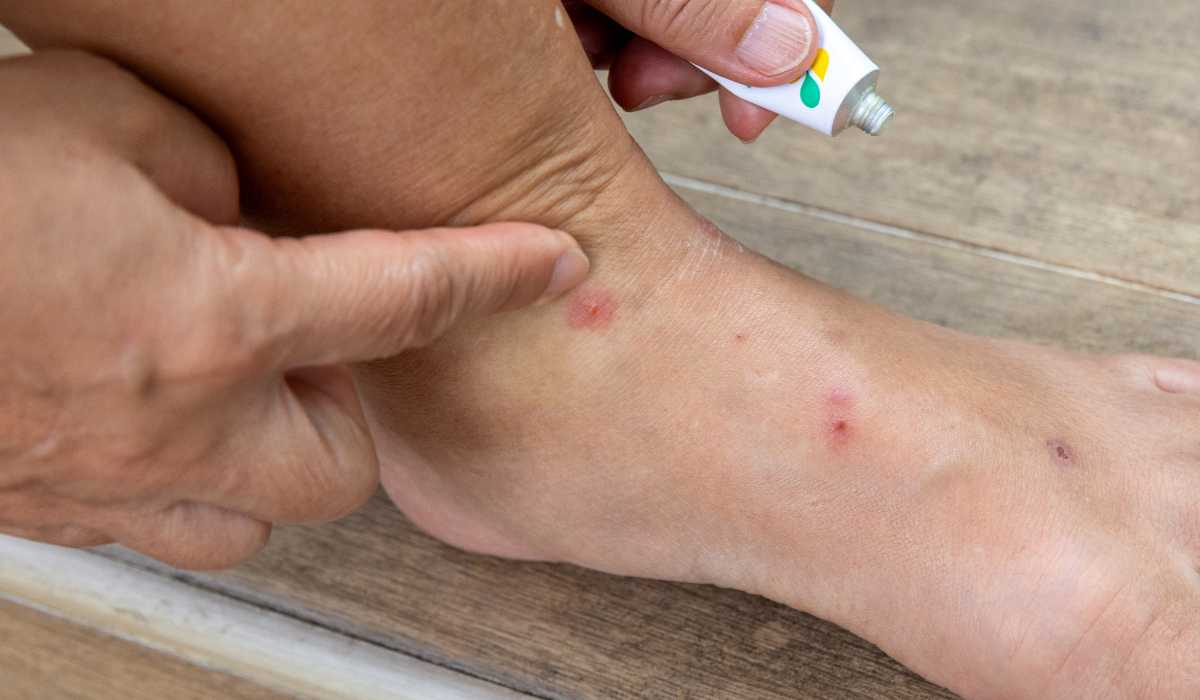
- Flea bites on legs often appear as small, itchy red bumps with a halo around the center, typically found in clusters of three or four in a straight line.
- Some people may not react to flea bites at all, while others can develop allergic dermatitis with more intense itching and redness. Scratching may lead to secondary infections.
- Pets are a common source of indoor flea problems. Both indoor and outdoor areas may need attention, and pets should be treated on the same day as your home.
- Post-treatment vacuuming and sweeping for several days helps address remaining eggs, since vibration encourages hatching and removal of newly emerged fleas.
How to Identify Flea Bites On Legs
Flea bites on legs are one of the first signs homeowners notice when fleas move indoors. Because fleas jump from ground level onto passing hosts, bites tend to cluster near the ankles and lower legs. Knowing what these bites look like and where flea activity appears around your home helps you act before the problem grows.
How to Tell Different Flea Bite Types Apart
They often show up in groups of three or four arranged in a straight line. For people allergic to flea saliva, the itching can be intense, and secondary infections may develop from frequent scratching.
Several flea species feed on blood, but the cat flea is the most common species usually found on cats and dogs in homes. According to Purdue Extension, the dog flea looks and acts like the cat flea but is less common, and the true human flea is uncommon but may occasionally be found on people. Regardless of species, the bites on your skin generally look the same.
How to Spot Flea Activity Inside Your Home
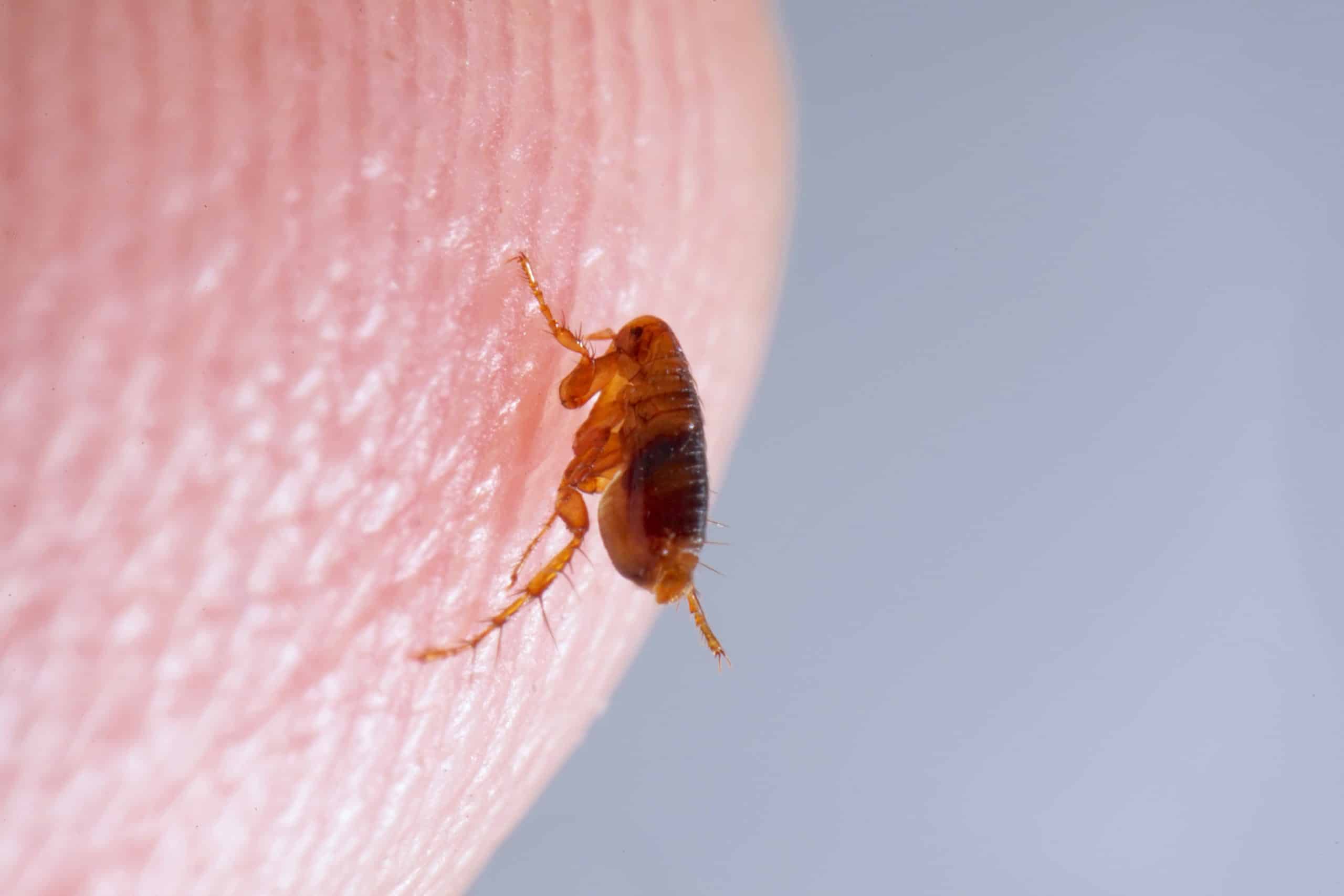
Adult fleas are small, brown, wingless parasites roughly 1/8 of an inch long (about 3 mm) with a laterally compressed body that lets them navigate thick fur. with a laterally flattened body that lets them navigate thick fur. When full of blood, a flea may appear reddish-black. Look for these tiny insects in your pet’s fur, on pet bedding, and along carpet fibers where pets rest.
Adult fleas bite and feed on the blood of their hosts, which include dogs, cats, and other pets. They also bite people. If you notice itchy red bumps near your ankles after walking through a room, fleas may already be established indoors.
Where Flea Activity Shows Up Around Your Home
Because fleas can jump 8 to 10 inches, according to Purdue Extension, they launch onto a potential host as that person or animal walks by. This is why bites occur most often near the ankles and lower legs. You may notice bites after spending time in rooms where pets sleep or play, or after stepping onto carpeted areas.
Fleas may also bite people when no other host is available. If your pet has been away from home and you still find bites on your legs, newly emerged adult fleas in the carpet or flooring may be the source.
Exterior Entry Points Fleas Use
Pets are the most common way fleas enter a home. Dogs and cats pick up fleas outdoors and carry them inside, where the insects drop off into carpet, furniture, and bedding. Single-family homes with yard access for pets are especially prone to this cycle.
Fleas thrive in shaded, sheltered spots in the yard where pets spend time. Once populations build outside, every trip through the door brings the risk of new fleas hitching a ride indoors on your pet’s fur.
Why Flea Bite Problems Develop on Your Legs
Flea bites on legs often catch homeowners off guard because the source of the problem may not be obvious at first. When flea populations grow on pets, people nearby can start noticing bites on their lower legs and ankles. Understanding where fleas nest, what draws them in, and how they spread helps you address the root cause rather than just the symptoms.
Outdoor Nesting Areas for Fleas
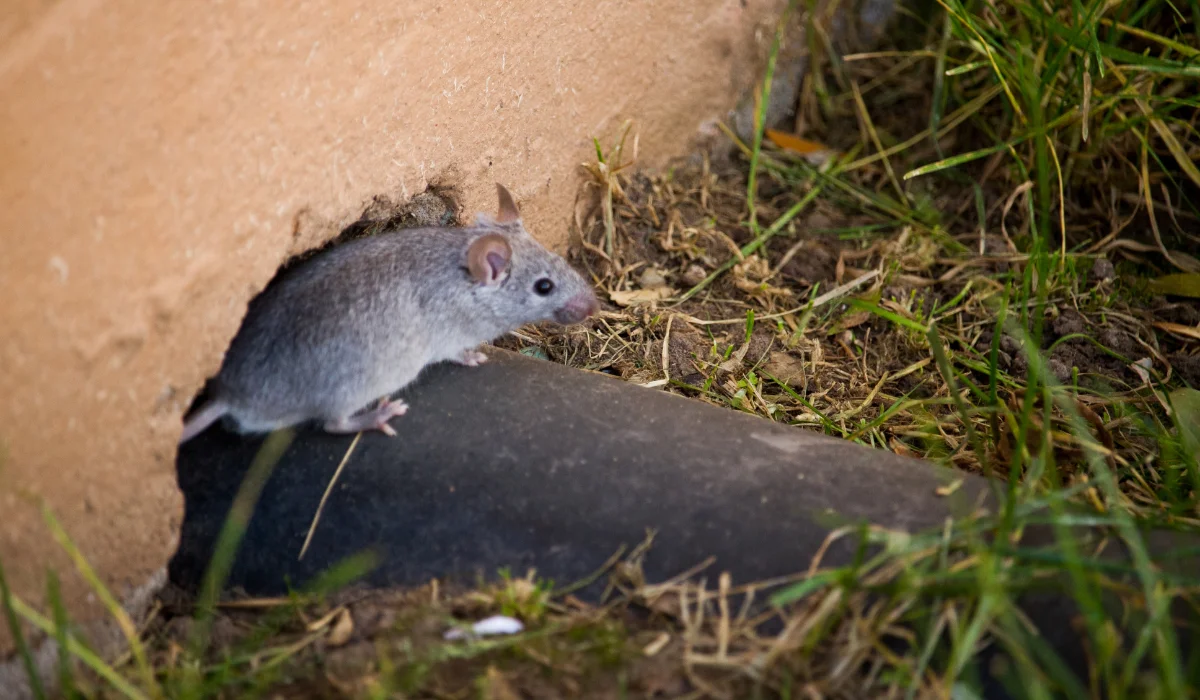
Fleas often develop in outdoor areas where pets spend time resting or playing. Shaded spots in your yard where dogs and cats lounge can become hotspots for flea activity. Adult cat fleas feed on a variety of furred animals, so wildlife passing through your property can also deposit fleas in these areas. Keeping your lawn freshly cut can help reduce favorable conditions outdoors.
Food and Shelter That Attract Fleas
According to the University of Minnesota Extension, fleas are generally pests of animals, with dogs and cats serving as their primary hosts in homes. Your pet’s fur provides both food access and shelter. Pet bedding and resting areas create ideal conditions for flea populations to build. The more time an untreated pet spends indoors, the greater the chance fleas will establish themselves throughout your living space.
How Fleas Move Around Homes
Fleas’ strong jumping ability allows them to move from pets to carpets, rugs, and flooring where your legs are within reach. Vibration from foot traffic can also prompt newly developed fleas to become active, increasing the chance of bites.
Trails and Entry Points Fleas Use
In most cases, pets carry fleas into the home after spending time outdoors. Once inside, fleas can spread to baseboards, carpet fibers, and cracks in flooring. Diagnosing flea bites from skin marks alone is challenging, as other causes can look similar. The best method for verifying fleas is to find adult fleas on pets or in the home.
Risks From Flea Bites On Legs
Flea bites on your legs are more than a nuisance. The cat flea, which is the species most homeowners encounter, bites both dogs and cats and will also bite humans, potentially spreading flea-borne diseases. Understanding the risks helps you decide how quickly to act.
Health Risks Linked to Flea Bites
People allergic to flea saliva may experience intense itching and grouped welts. Secondary infections from frequent scratching are possible, so keeping bite areas clean matters.
According to Kansas State University Extension, the cat flea can transmit a common tapeworm to dogs and cats, murine typhus to humans, and the bacterium that causes cat scratch disease between cats. Large infestations on pets can lead to hair loss and the development of anemia.
As Purdue Extension notes, fleas once posed a serious threat because they transmitted the bacteria responsible for bubonic plague, though this disease is now rare in the developed world. Tapeworm transmission to humans has also become minimal risk today. Still, you should speak to your physician about any health concerns associated with flea bites.
Property Damage From Flea Infestations
Flea bites themselves do not cause structural or property damage. However, heavy flea activity in your home can affect your pets’ health and your family’s comfort. Pets suffering repeated bites may scratch until they lose fur and develop skin irritation, leading to fur loss and skin irritation that requires veterinary attention.
Flea Activity Near Food Preparation Areas
Fleas are parasitic insects that feed on blood, not food products. They are not drawn to kitchens or pantries the way some pests are. Their presence in a room usually follows the movement of a host animal. If your pet rests near a food-preparation area, fleas may turn up there, but the concern remains bites rather than food contamination.
When to Take a Closer Look at Flea Bites on Your Legs
Distinguishing flea bites from the bites of other arthropods such as mosquitoes and spiders can be difficult. Flea bites tend to cluster around the lower legs and ankles because fleas jump from floor level. If you notice grouped, itchy welts in that pattern, inspect pet bedding and carpeted areas for signs of fleas.
Reactions to insect bites vary from person to person. If bites persist or worsen after you have treated your pets, a broader infestation in your home may need attention.
Professional Pest Control for Flea Bites On Legs
Stopping flea bites on your legs means more than treating the bites themselves. An effective approach targets both the fleas on your pets and the breeding sites around your home. LaJaunie’s treats indoors and outdoors on the same visit, with a free two-week follow-up to catch any hatchlings. Here is how prevention, inspection, and professional pest control work together.
How to Reduce Attractants for Fleas
According to Purdue Extension, flea control should be two-pronged, directed at cats and dogs to remove adult fleas and at breeding sites to address immature fleas. That means your pets and your home need attention on the same day.
Use a flea comb on your dogs and cats every few days. These fine-toothed combs help remove adult fleas from the fur. Most dogs and cats seem to enjoy the process. When combing, pay special attention to the face, neck, and the area in front of the tail, according to Texas A&M AgriLife Extension.
Before any indoor treatment, remove everything from the floor, including toys and mats. Vacuum all carpets, under beds, and at the bottom of closets, then discard the vacuum bag. Sweep and mop all hard floors. Have your pets treated the same day and wash their bedding.
Why Flea Control Starts With an Inspection
A pest control inspection helps distinguish flea bites from other insect bites. Other biting pests, including bed bugs, can cause similar-looking welts. Bed bug bites usually appear as small welts that itch and sometimes swell, but they do not cause immediate itching or pain, according to Purdue Extension.
For a single-family home, a technician inspects your yard for flea hotspots and checks indoor areas where fleas tend to concentrate. Identifying the source of the infestation, whether indoors, outdoors, or both, guides the treatment plan.
What to Expect During Professional Flea Treatment
LaJaunie’s Pest Control treats fleas with a combined indoor and outdoor approach. Outdoors, the technician treats the yard up to a half acre using a fogger and granules spread throughout the same area. If more than a half acre is needed, an extra charge applies.
Indoors, technicians treat all baseboards, cracks, and crevices with a liquid application, followed by aerosol treatment of the entire floor and items like cat trees. The floor may feel slightly slippery but will dry within the time provided. The home must be vacant until the product dries, typically two to three hours.
What to Expect From a Flea Control Plan
Both indoor and outdoor treatments from LaJaunie’s include a free two-week follow-up. This return visit targets any fleas that may have hatched since the first treatment. The product used includes a growth regulator that helps prevent most eggs from hatching.
You may see more flea activity after the initial treatment because the fleas have been disturbed. Vibration from vacuuming and sweeping can encourage remaining eggs to hatch, and post-treatment vacuuming helps address these newly hatched fleas. Vacuum carpets and under beds for at least three days in a row after treatment, discarding the bag each time. Sweep hard floors for at least three days as well.
Keeping your lawn freshly cut before the outdoor service helps technicians access hotspots. Pairing pet treatment with professional pest control on the same schedule gives your household the best chance of resolving a flea problem.
Bottom Line on Flea Bites On Legs
Flea Bites On Legs are a common sign that fleas have moved from pets into your living space. Addressing the problem means treating both your pets and the areas where fleas breed indoors and outdoors. A two-pronged approach that targets adult fleas on animals and immature fleas at breeding sites offers the best path forward. If you are dealing with persistent bites, reach out to LaJaunie’s Pest Control to request a quote for a flea treatment plan that covers both indoor and outdoor areas with a free two-week follow-up.
Frequently Asked Questions
Why Do Flea Bites Mostly Appear on Legs?
Fleas are wingless insects with strong jumping legs that propel them from ground-level surfaces like carpet, pet bedding, and grass. Because they jump upward from these low spots, ankles and lower legs are the most accessible targets when you walk through an area with flea activity.
How Can I Tell if Bites Are From Fleas?
Flea bites appear as small, itchy red bumps, often in groups of three to four in a line. Checking your pets for small, brown to black wingless insects in their fur can help confirm fleas as the source.
What Should I Do Before a Professional Flea Treatment?
Mow your lawn before the outdoor treatment. Indoors, clear all items from the floor, vacuum carpets, under beds, and closet floors, and discard the bag. Mop hard floors, treat your pets the same day, and wash their bedding.
Is One Treatment Enough to Handle Fleas?
LaJaunie’s flea treatments include a free two-week follow-up to address any hatchlings that emerge after the initial visit. You may notice more activity right after treatment because fleas have been aggravated. Post-treatment vacuuming for at least three days in a row helps by encouraging remaining eggs to hatch so they contact the product.