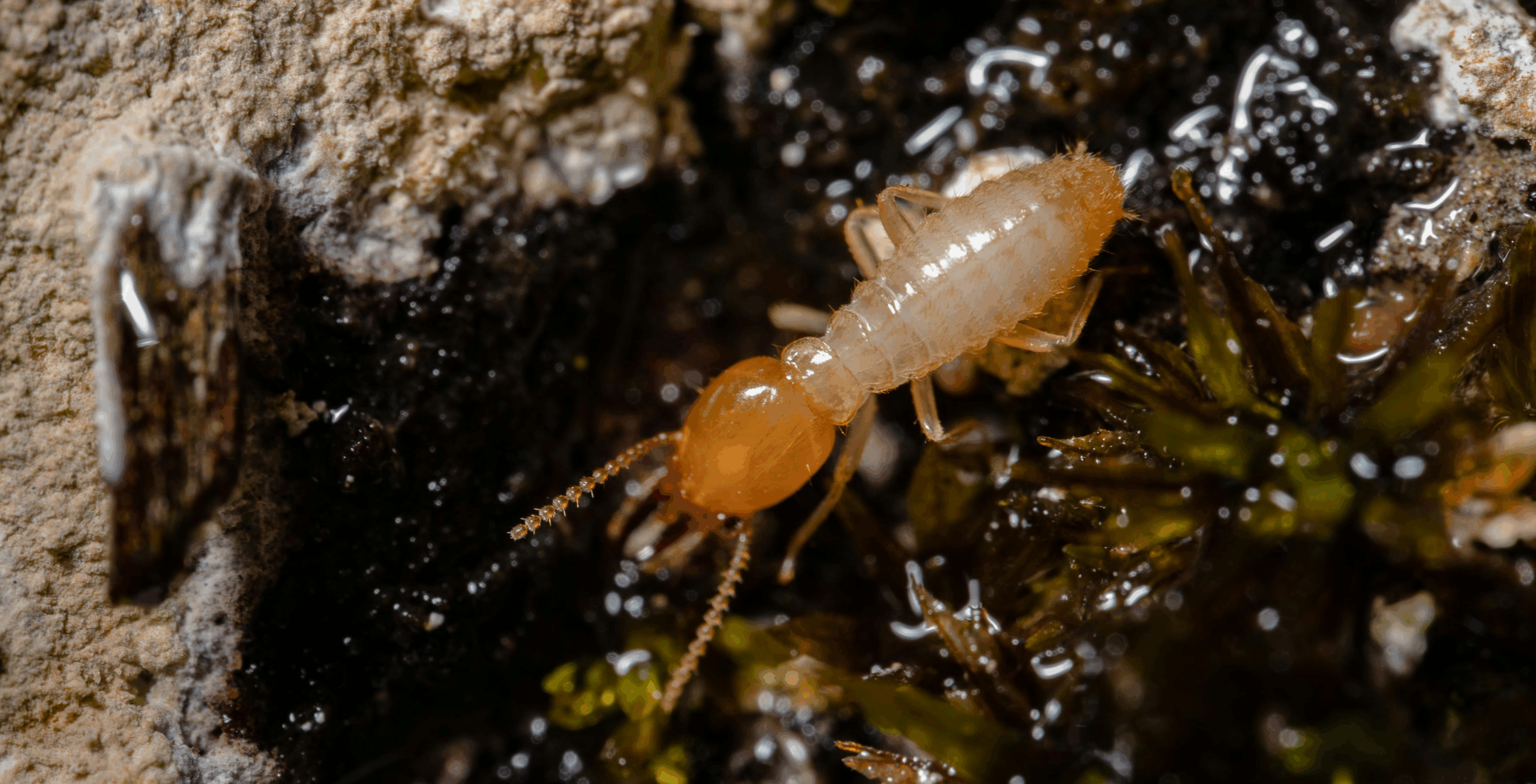


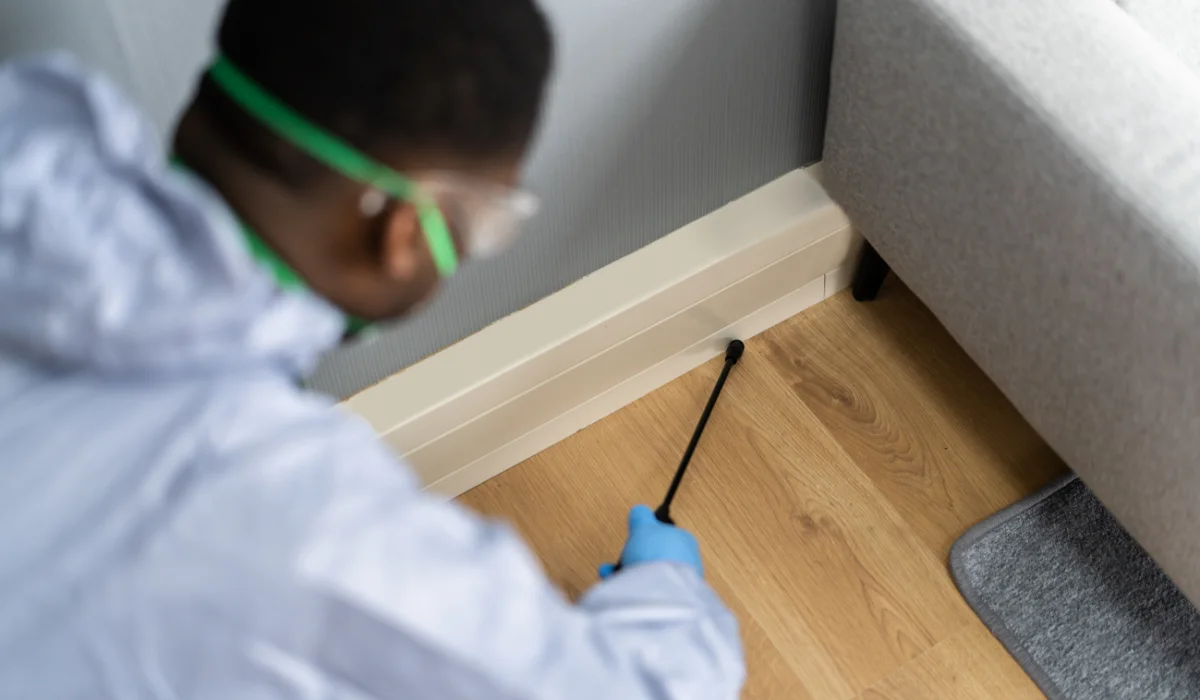
How long termite treatment lasts depends on the type of protection around your home. A properly applied liquid soil treatment can remain effective for years, while a baiting system is designed as an ongoing program that depends on regular monitoring and maintenance. In South Louisiana, where Formosan, Eastern subterranean, and drywood termites can all affect homes, annual inspections help confirm that the original protection is still intact and that no new termite activity has developed.
Key Takeaways
- Liquid termite treatments can remain effective for several years, but their lifespan depends on the product, application, soil conditions, and whether treated areas are disturbed.
- Termite bait systems provide ongoing protection when stations are inspected, maintained, and serviced as part of the program.
- Annual inspections are more useful than relying on the age of a treatment alone because construction, landscaping, moisture, and new termite activity can change a home’s protection needs.
How Long Does Termite Treatment Last?
There is no single expiration date that applies to every termite treatment. The expected lifespan depends on whether your home has a liquid soil treatment, a baiting system, localized drywood termite treatment, or protection installed during construction.
The condition of the treatment matters just as much as its age. Landscaping work, soil movement, drainage changes, additions, and other work around the foundation can affect protection before a homeowner reaches an expected retreatment date.
Liquid Soil Treatments
Liquid treatments are applied around the structure to create a treated zone between subterranean termites in the soil and the home. When the treatment is applied correctly and the surrounding soil remains largely undisturbed, that protection can remain effective for several years.
The exact lifespan depends on the product and how the property changes afterward. Digging near the foundation, adding concrete, changing grading, installing landscaping, or removing treated soil can interrupt portions of the treated area and create locations that should be checked again.
LaJaunie’s may use a liquid barrier and trenching approach for subterranean termites when that method fits the property. The treatment plan should reflect the construction of the home, the termite activity found during inspection, and the areas where termites may be reaching the structure.
Termite Bait Systems
Termite bait systems work differently because they are designed for continued monitoring rather than a single application with one expiration date. Stations are installed around the home so termite activity can be detected and addressed as part of an ongoing program.
LaJaunie’s uses the Trelona Advanced Termite Bait System for subterranean termite programs. Stations are placed around the foundation and inspected on a regular schedule, with servicing based on station condition and termite activity.
Because of that ongoing maintenance, asking how long the bait “lasts” does not tell the whole story. The system continues to provide protection through monitoring, station maintenance, and bait replacement when needed, rather than depending on one treatment to remain untouched for a specific number of years.
Localized Drywood Termite Treatments
Drywood termites behave differently from subterranean termites because they can live directly inside wood without maintaining a connection to the soil. Their treatment is based on where the colony is located and how much of the wood is affected.
LaJaunie’s uses localized no-tent treatment for drywood termite activity when appropriate. Treatment can be applied directly to affected wood and voids, which allows technicians to address identified activity without relying on a soil-based system.
A localized treatment addresses the infestation that has been found, but it does not make every piece of wood around the property permanently resistant to future drywood termite activity. Follow-up inspection still matters, especially if new pellets, swarmers, or other signs appear later.
What Affects How Long Termite Protection Lasts?
Termite treatment duration depends on more than Louisiana’s humidity. Moisture can create favorable conditions for termite activity, but it does not automatically mean every treatment breaks down quickly simply because the home is in South Louisiana.
The treatment method, foundation type, soil conditions, drainage, landscaping, and work completed around the home can all affect how well the original protection continues to perform. That is why two homes treated at the same time may not have identical maintenance needs several years later.
The Type of Treatment
Liquid treatments, bait systems, drywood treatments, and new-construction pretreatments all work in different ways. A liquid treatment depends on maintaining the treated soil, while a bait system depends on continued monitoring around the structure.
Drywood treatment focuses on colonies living directly inside wood rather than termites coming from the soil. New construction creates another opportunity because termite pretreatment can be installed during key construction stages before parts of the structure become difficult to access.
The type of protection already in place should be one of the first things reviewed when deciding whether a home needs additional service. An older treatment does not automatically need replacement if it remains intact and no termite activity is present.
Soil and Drainage Around the Foundation
Subterranean termites depend on moisture and soil contact, so drainage around the house deserves attention. Standing water, leaking plumbing, clogged gutters, and consistently damp areas near the foundation can create conditions that support termite activity.
Correcting those moisture problems helps make the property less favorable to termites, but drainage work does not replace termite treatment. It should be viewed as one part of maintaining the property along with inspection and an appropriate termite-control system.
Homes in Houma, Thibodaux, New Orleans, Baton Rouge, and other South Louisiana communities can have very different soil, drainage, elevation, and foundation conditions. Those property differences matter more than assuming every home in a humid climate should follow the same retreatment schedule.
Construction and Landscaping Changes
Home improvements can alter termite protection without homeowners realizing it. New patios, additions, grading work, utility installation, landscaping, or soil removal can disturb areas that were previously treated.
Construction can also introduce new wood, change drainage, or create new points where soil and structural materials meet. If significant work has taken place since the last termite treatment, the affected areas should be mentioned during the next inspection.
This is especially important when work occurs directly along the foundation. A technician can determine whether the original treatment remains intact or whether portions of the property need additional attention.
Why Annual Termite Inspections Matter in South Louisiana
Termite treatment does not make a home permanently unable to develop termite activity. Annual inspections give a technician a chance to look for current evidence, review changes around the property, and confirm that the existing protection still matches the condition of the home.
An inspection may include accessible foundations, structural wood, crawl spaces, bait stations, mud tubes, swarm evidence, moisture conditions, and other areas where termites can appear. The purpose is not simply to check a date on the previous treatment record, but to see what is happening at the property now.
The cost of a termite inspection and what inspectors look for can vary depending on the type of inspection and whether documentation such as a Wood Destroying Insect Report is required. A routine termite inspection and a formal report for a real estate transaction are not necessarily the same service.
For homeowners with continuing coverage, the inspection schedule may also be tied to a service agreement or termite bond. A termite bond may include inspections, retreatment terms, and other coverage depending on the agreement, so homeowners should know exactly what their plan provides.
South Louisiana Termite Pressure Does Not Follow One Schedule
South Louisiana homes can encounter Formosan subterranean termites, Eastern subterranean termites, and drywood termites. These termites do not live or travel in the same way, which is one reason treatment and follow-up should match the species involved.
Subterranean termites maintain a connection with the soil and can build mud tubes as protected pathways between the ground and wood. Formosan termites are a subterranean species and can also produce large, noticeable swarms during the warmer part of the year.
Drywood termites do not rely on soil in the same way. They live inside wood and can leave behind small, hard pellets rather than the soil-based mud tubes associated with subterranean termites.
That distinction matters when evaluating whether a treatment is still working. A soil treatment designed for subterranean termites and a localized drywood treatment address different types of activity, so homeowners should not assume one method protects against every termite problem in the same way.
Signs Your Termite Protection Should Be Checked
Do not wait for a treatment anniversary if you are already seeing signs that could indicate termites. New activity can appear before a scheduled service date, especially if the property has changed or part of the original protection has been disturbed.
The type of evidence you find can also help narrow down which termite may be involved. Mud tubes, swarmers, discarded wings, drywood pellets, and damaged wood do not all point to the same type of termite activity.
Mud Tubes
Mud tubes along foundations, piers, crawl-space components, or other structural surfaces can indicate subterranean termite activity. These tubes allow termites to move between the soil and wood while remaining protected from open air.
If you find a tube, avoid destroying every part of it before an inspection. Its location and direction can help show where termites are traveling and which areas of the structure deserve a closer look.
Termite Swarmers or Discarded Wings
Winged termites appearing indoors deserve attention, especially when they seem to be emerging from part of the structure. Piles of discarded wings near windows, doors, or other interior areas can also be evidence that swarmers were active nearby.
An outdoor swarm does not automatically mean your home is infested because termites can fly in from colonies elsewhere in the area. Repeated indoor swarmers, however, are a stronger reason to have the structure inspected.
Drywood Termite Pellets
Drywood termites can push small, hard pellets out of openings in infested wood. These droppings, often called frass, may collect below furniture, trim, framing, or other wooden materials.
Finding termite droppings around wood can point toward a different problem from subterranean mud tubes. The location and appearance of the material can help a technician determine what should be inspected next.
New Wood Damage
Termite damage can remain concealed inside wood before the outside surface looks heavily damaged. Hollow areas, weakened wood, blistering, or internal galleries deserve attention when they appear alongside other termite signs.
The ability to stay hidden is part of why termites can become a serious problem before obvious damage appears. Finding damage does not tell you how long termites have been present, so an inspection is needed to determine whether activity is current.
Skin Marks Are Not a Termite Sign
Termites are wood-damaging insects, so unexplained welts or bite-like marks are not evidence that a termite treatment has failed. If the concern is a skin reaction rather than structural signs, the cause is likely unrelated to termites.
For example, yellow sac spider bites are a separate household-pest issue and can be difficult to identify from the mark alone. Termite inspections should instead focus on wood, soil, swarm evidence, mud tubes, and other signs associated with termite activity.
When Does Termite Treatment Need to Be Redone?
The right time for retreatment depends on what protection was installed and what an inspection finds. A calendar date alone should not determine whether a South Louisiana home needs another treatment.
A property with an intact system and no evidence of activity may simply continue its current inspection schedule. A home with disturbed soil, damaged stations, construction changes, or new termite signs may need attention sooner.
| Situation | What It May Mean |
|---|---|
| No termite activity and existing protection remains intact | Continue the current inspection and maintenance schedule |
| Bait stations are part of the program | Keep stations monitored and serviced as required |
| Soil near a treated area has been disturbed | Have the affected area inspected to determine whether protection should be restored |
| A new addition, slab, or major construction project is planned | Include termite protection in the construction plan |
| Mud tubes, indoor swarmers, or other termite signs appear | Schedule an inspection rather than waiting for the next routine visit |
| Drywood termite pellets or localized wood activity appear | Have the affected wood inspected to determine the termite type and extent of activity |
This is why “retreat every X years” is not a useful rule for every home. The condition of the treatment and the property tells you more than the age of the original service alone.
Can Termites Come Back After Treatment?
Yes. A successful termite treatment controls or protects against the activity it was designed to address, but it does not make the surrounding environment permanently termite-free.
Subterranean termite colonies can remain active in soil around the neighborhood even when a home has protection in place. Drywood termite swarmers can also reach exposed wood independently of a soil-based treatment.
Seeing termites after treatment does not automatically mean the entire treatment failed. The species, location of the activity, condition of the existing system, and changes around the property all need to be considered before deciding what happened.
Annual inspections provide that context. They allow a technician to compare new evidence with the treatment already in place instead of assuming every termite sighting requires the same response.
Should You Use DIY Termite Treatments Between Inspections?
DIY spot treatments are not a reliable way to determine whether the existing termite system is still protecting the structure. Applying a store-bought product to visible termites may affect insects you can reach while leaving hidden activity untouched.
Surface treatment can also remove some of the evidence that helps identify where termites are traveling. Mud tubes, drywood pellets, swarmers, and damaged wood can all provide useful clues during an inspection.
If you find possible termite activity, take clear photos and note where the evidence appeared before cleaning the area. That gives the technician more information to work with and makes it easier to determine whether the issue is connected to the existing treatment.
For homeowners unsure whether their current system is still appropriate, LaJaunie’s termite control service includes inspection-based treatment options for subterranean and drywood termite activity.
Keeping Termite Protection Working in South Louisiana
How long termite treatment lasts in South Louisiana depends on the treatment method, the condition of the property, and whether the protection is properly maintained. Liquid soil treatments can remain effective for years, while bait programs depend on continued monitoring rather than one fixed expiration date.
Homeowners can support that protection by correcting leaks, improving drainage, avoiding unnecessary wood-to-soil contact, and mentioning construction or landscaping changes during inspections. The more useful question is not simply how old the treatment is, but whether it is still intact and whether there are signs of current termite activity.
If you are unsure when your home was last treated or whether its current protection still fits the property, schedule a termite inspection with LaJaunie’s Pest Control to have the existing termite program evaluated.
FAQs About Termite Treatment Duration
How Often Should a Home in Louisiana Be Treated for Termites?
There is no single retreatment interval that applies to every Louisiana home. Liquid treatments can remain effective for years when treated areas stay intact, while bait systems depend on continued monitoring and maintenance. Annual inspections help determine whether existing protection needs service, repair, or retreatment.
How Long Do Termite Bait Stations Last?
Termite bait stations are part of an ongoing management system rather than a one-time treatment with a fixed expiration date. They need to remain properly positioned and be inspected according to the service program. Bait or other station components may be serviced based on termite activity and station condition.
Can Termites Come Back After Treatment?
Yes. Termites can remain active in the environment around a property, and new activity can occur after treatment. Disturbed soil, construction changes, moisture problems, or a different termite species can also change the situation, which is why routine inspections remain useful after the initial treatment.