



A yellow sac spider bite can hurt, but serious medical effects are uncommon. A confirmed bite may cause localized pain, redness, swelling, or itching.
There is one important catch: if you only notice a red or sore spot on your skin, you usually cannot tell from appearance alone that a spider caused it. Other insect bites and skin conditions can look similar. If symptoms are severe, continue to worsen, or you are unsure what bit you, seek medical attention.
Key Takeaways
- Yellow sac spider bites may cause localized pain, redness, swelling, or itching.
- Serious effects are uncommon, and current evidence does not support yellow sac spiders as a typical cause of skin necrosis.
- A red bump or sore alone cannot confirm that a yellow sac spider caused the reaction.
- Mild spider bites can often be managed with basic first aid, while worsening or body-wide symptoms may require medical care.
- Sealing entry points, reducing clutter, and controlling insect activity can help make your home less attractive to spiders.
Are Yellow Sac Spiders Dangerous?
Yellow sac spiders can bite when they become trapped against the skin or otherwise feel threatened. They may hide in clothing, bedding, shoes, storage areas, or other undisturbed spaces, which can occasionally bring them into contact with people.
For most people, a bite causes localized discomfort rather than a serious medical emergency. Symptoms may include pain, redness, swelling, or itching near the bite site.
Can a Yellow Sac Spider Bite Cause Necrosis?
Yellow sac spiders have historically been associated with necrotic skin lesions, but stronger evidence has challenged that connection.
Research involving verified yellow sac spider bites found that tissue death was not a typical outcome. Because many infections and other skin conditions can resemble spider bites, a worsening wound should not automatically be blamed on yellow sac spider venom.
If a suspected bite develops increasing pain, spreading discoloration, significant swelling, or an enlarging wound, contact a healthcare professional.
What Does a Yellow Sac Spider Bite Look Like?
There is no single appearance that proves a yellow sac spider caused a bite.
A confirmed spider bite may leave a red, irritated area accompanied by pain, itching, or swelling. Those signs are also common with other insect bites and skin conditions, so identifying the cause based only on the appearance of a bump or sore can be difficult.
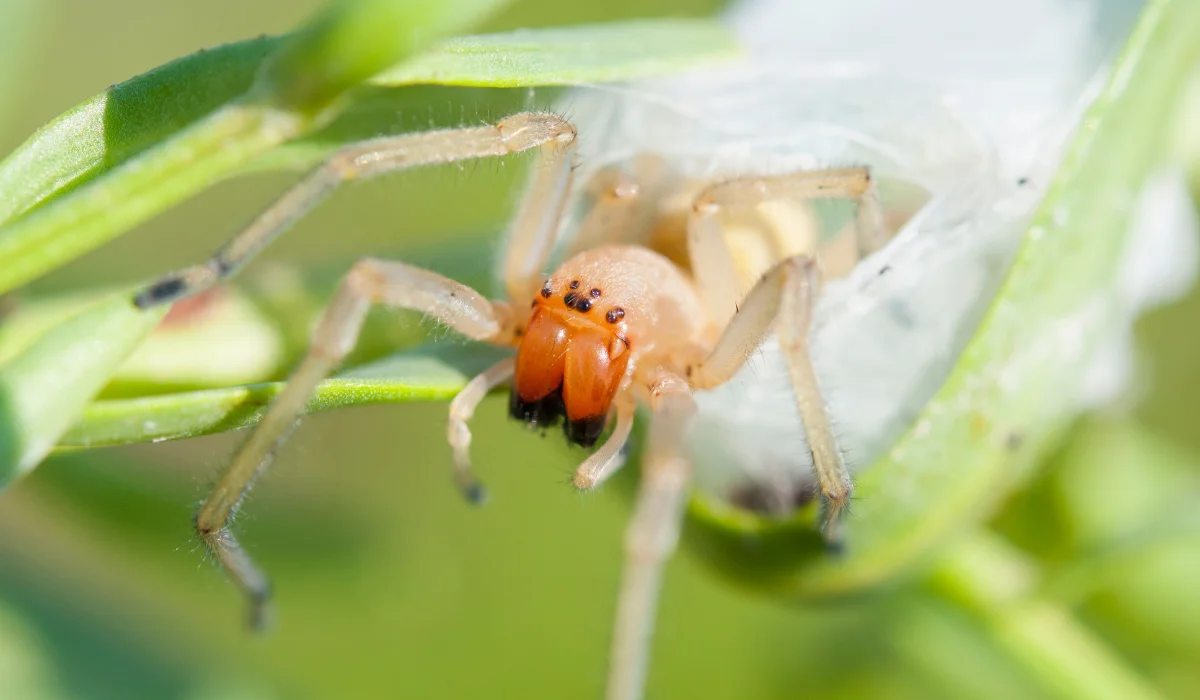
If you find the spider nearby, identifying the spider itself may provide more useful information than trying to identify the bite from the skin reaction.
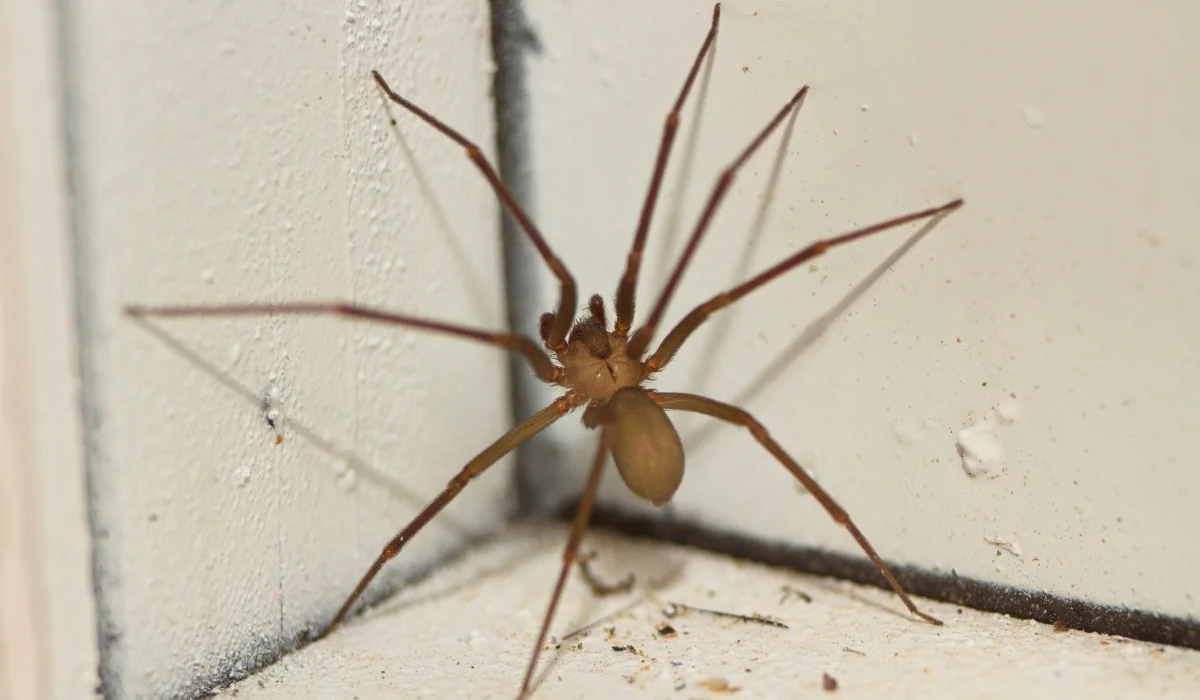
LaJaunie’s guide to yellow sac spiders vs. brown recluse spiders explains some of the differences between these spiders.
How to Treat a Mild Yellow Sac Spider Bite at Home
For mild symptoms, basic wound care can help reduce discomfort and protect the irritated skin.
- Wash the area gently with mild soap and water.
- Apply a cool, clean compress to help ease pain and swelling.
- Elevate the affected area when practical.
- Use an over-the-counter pain reliever if needed and if you can take it safely.
- For itching, an appropriate over-the-counter antihistamine or anti-itch product may help.
- Avoid scratching or repeatedly touching the area.
- Monitor the bite for increasing redness, swelling, pain, or other changes.
For additional first-aid information, review the Mayo Clinic’s guidance on spider bites.
When Should You Seek Medical Care?
Get medical help if you experience severe pain, trouble breathing or swallowing, abdominal cramping, rapidly increasing swelling, or a wound that continues to enlarge.
You should also consider medical evaluation if the area becomes increasingly painful or discolored, shows signs of infection, or you are unsure whether the bite came from a medically significant spider.
A pest control company can help address spiders in your home, but it cannot diagnose or treat a spider bite. Medical concerns should be handled by a qualified healthcare professional.
How to Help Prevent Yellow Sac Spider Bites
Reducing contact with yellow sac spiders starts by making your home less inviting to spiders and the insects they feed on.
Try these prevention steps:
- Seal cracks and gaps around windows, doors, utility lines, and other possible entry points.
- Reduce clutter in garages, attics, closets, storage rooms, and other undisturbed spaces.
- Vacuum spiders, webbing, and silk retreats when you find them indoors.
- Store infrequently used belongings in closed containers.
- Check shoes, gloves, clothing, and stored items that have been sitting undisturbed.
- Trim shrubs, vines, and other vegetation that touches the exterior of your home.
- Reduce unnecessary outdoor lighting near doors and windows when it attracts insects.
- Address persistent insect activity that may provide spiders with a steady food source.
When Does Professional Spider Control Make Sense?
Finding an occasional spider indoors does not necessarily mean you have a major infestation. Professional spider control may be worth considering when you repeatedly find spiders, silk retreats, egg sacs, or ongoing activity around doors, windows, garages, attics, or other entry points.
Professional treatment can also help when cleaning and exclusion measures have not stopped the activity.
LaJaunie’s spider control services are designed to address spider activity around Louisiana homes. Treatment may include inspecting areas where spiders are active, addressing likely entry points, removing existing webbing, and reducing the insect activity that gives spiders a reason to stay.
If yellow sac spiders or other spiders keep appearing around your home, contact LaJaunie’s Pest Control to discuss your spider-control options.
Frequently Asked Questions
Are Yellow Sac Spider Bites Dangerous?
Most yellow sac spider bites cause localized symptoms rather than serious illness. Pain, redness, swelling, or itching may occur, but severe reactions are uncommon.
How Can You Tell if a Yellow Sac Spider Bit You?
You usually cannot identify a yellow sac spider bite from the skin reaction alone. Many insect bites, infections, and other skin problems can create similar red or irritated areas. Identifying the spider itself provides stronger evidence.
Can Yellow Sac Spider Bites Cause Necrosis?
Current evidence does not support yellow sac spiders as a typical cause of necrotic skin wounds. If a suspected bite develops an enlarging wound, spreading discoloration, or worsening pain, seek medical care rather than assuming the spider is responsible.
What Should You Put on a Spider Bite?
For a mild bite, wash the area with soap and water and apply a cool compress. An appropriate over-the-counter pain reliever or anti-itch treatment may also help. Seek medical attention if symptoms become severe or continue to worsen.
Why Do Yellow Sac Spiders Keep Appearing Indoors?
Yellow sac spiders may enter through small gaps and remain where they can find shelter and insect prey. Sealing entry points, reducing clutter, removing silk retreats, and addressing insect activity can help make your home less attractive to them.