



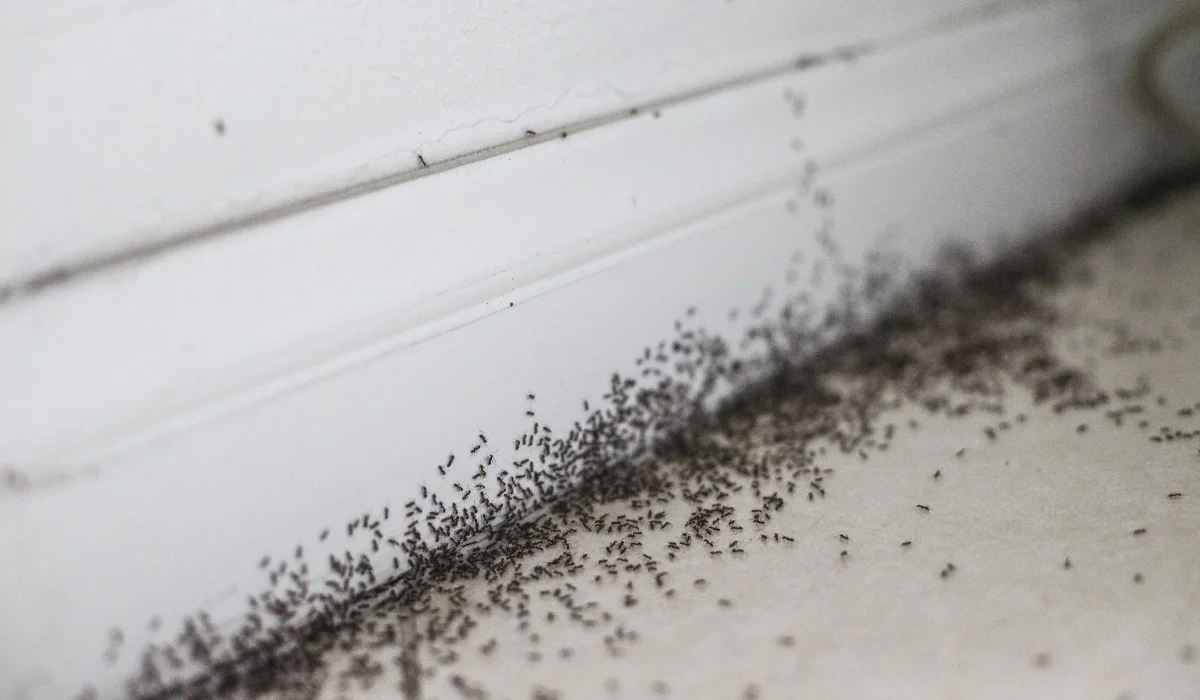
Seeing ants in kitchen Louisiana homes can be frustrating, especially when a few ants turn into a steady trail along your counters, cabinets, or sink. Start by cleaning up crumbs and moisture, finding where the ants are entering, and placing ant bait near the active trail.
Louisiana’s warm, humid conditions give ants plenty of opportunities to stay active, and heavy rain can push outdoor colonies toward drier areas. Homeowners in Baton Rouge, Houma, Thibodaux, and nearby communities may notice more ants indoors after storms, flooding, or long wet periods.
The right approach depends on the type of ant and where the colony is located. Below, you’ll learn what to do first, which ants commonly show up in South Louisiana kitchens, and when recurring activity may call for a professional ant inspection.
Key Takeaways
- Ants often enter kitchens for food, water, and shelter, and their trails can lead you toward the entry point.
- Cleaning food residue, fixing moisture problems, using ant bait, and sealing gaps can help stop minor kitchen ant activity.
- Ghost ants and crazy ants are especially relevant in warm, humid South Louisiana and can be difficult to track because of their size or movement.
- Heavy rain, hurricanes, and flooding can disrupt outdoor colonies and send ants toward drier areas around your home.
- If trails keep returning after basic control steps, the colony may be hidden in a wall void, around plumbing, beneath a slab, or outdoors.
How to Get Rid of Ants in Kitchen Louisiana Homes
If you have ants in your kitchen right now, focus first on the food, water, and entry points keeping them active. Wipe down counters, sweep floors, clean grease around cooking areas, and store pantry foods in sealed containers. Check beneath appliances, around pet bowls, and near the sink for crumbs or moisture.
Before you wipe away every ant, watch where the trail leads. Ants often enter around windows, door frames, plumbing lines, cabinet seams, or small wall gaps. Finding that route can help you place bait more effectively and identify the opening you may need to seal later.
Step 1: Eliminate Food and Water Sources
Wipe counters, sweep or vacuum floors, and clean residue from cabinet shelves and areas beneath appliances. Store cereal, sugar, flour, snacks, and pet food in sealed containers.
Check for moisture too. A dripping faucet, damp sponge, leaking supply line, or water beneath the sink can keep ants coming back even when the kitchen looks clean.
Step 2: Use Ant Bait Near Active Trails
Place ant bait near the route the ants are using and follow the label directions carefully. Foraging ants can carry bait back to the nest, which can help address more than the workers you see on the counter. Avoid using over-the-counter insecticide sprays that can cause the colony to scatter or “bud” into multiple nests.
Avoid disturbing the trail while ants are actively feeding on the bait. Killing only the visible ants may reduce activity for a short time without addressing the source.
Step 3: Seal Entry Points After Activity Slows
Check around windows, doors, plumbing, electrical lines, and cabinet gaps for small openings. Seal accessible gaps after the ant activity has slowed.
Older homes in Baton Rouge and Thibodaux can develop new gaps as building materials settle over time, so it helps to recheck these areas periodically.
Step 4: Use Diatomaceous Earth Carefully Where Appropriate
Diatomaceous earth can be used in certain dry, inaccessible areas when the product is labeled for that use. It needs to remain dry to work well.
Follow all label directions, avoid creating airborne dust, and keep it away from food-preparation surfaces, children, and pets.
Step 5: Check for Signs of a Larger Colony
If ants keep returning after you clean, bait, and seal obvious entry points, the colony may be somewhere you cannot easily reach. Watch for activity around outlets, plumbing voids, cabinets, walls, or several different parts of the kitchen.
Crazy ants and other types can establish large or connected nesting areas around structures. At that point, treating only the visible trail may not solve the full problem.
Why Ants Are in Your Kitchen
Ants are not wandering through your kitchen at random. Once a worker finds crumbs, grease, sweets, or moisture, it can leave a scent trail that helps other ants reach the same food or water source. That is how a few ants can turn into a steady trail.
Louisiana weather can also change where ants forage. Heavy rain can saturate soil and disturb outdoor nesting areas, while dry periods may send ants searching for moisture indoors. After tropical storms or flooding, you may notice increased activity as ants move toward higher, drier areas.
When LaJaunie’s technicians inspect homes in communities such as Baton Rouge, Houma, and Thibodaux, they check more than the ants moving across the counter. The inspection process includes likely access points around windows, doors, the exterior base of the home, cracks, crevices, and indoor areas when needed, which can help trace recurring activity back to its source.
Common Types of Ants in Louisiana Kitchens
Knowing which ant is in your kitchen can help you understand where it may be nesting and why it keeps returning. Small ants around a sink may behave very differently from ants entering through a slab crack or coming in from the yard.
South Louisiana’s heat and humidity can support ant activity for much of the year. Ghost ants and crazy ants deserve extra attention because both can become persistent around homes in warm, damp conditions.
Ghost Ants
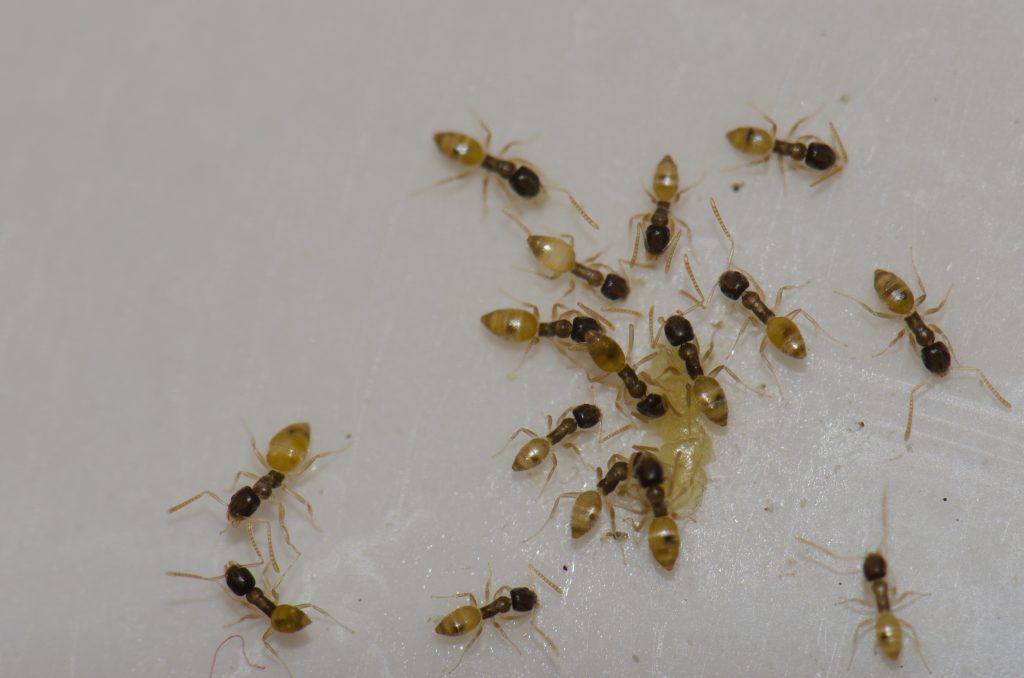
Ghost ants are extremely small, with dark heads and pale legs and bodies that can make them hard to see on light-colored counters. Indoors, they often show up around sinks, cabinets, bathrooms, and other places where food and moisture are easy to find. Their small size also lets them use tiny gaps that are easy to miss.
Sugar Ants
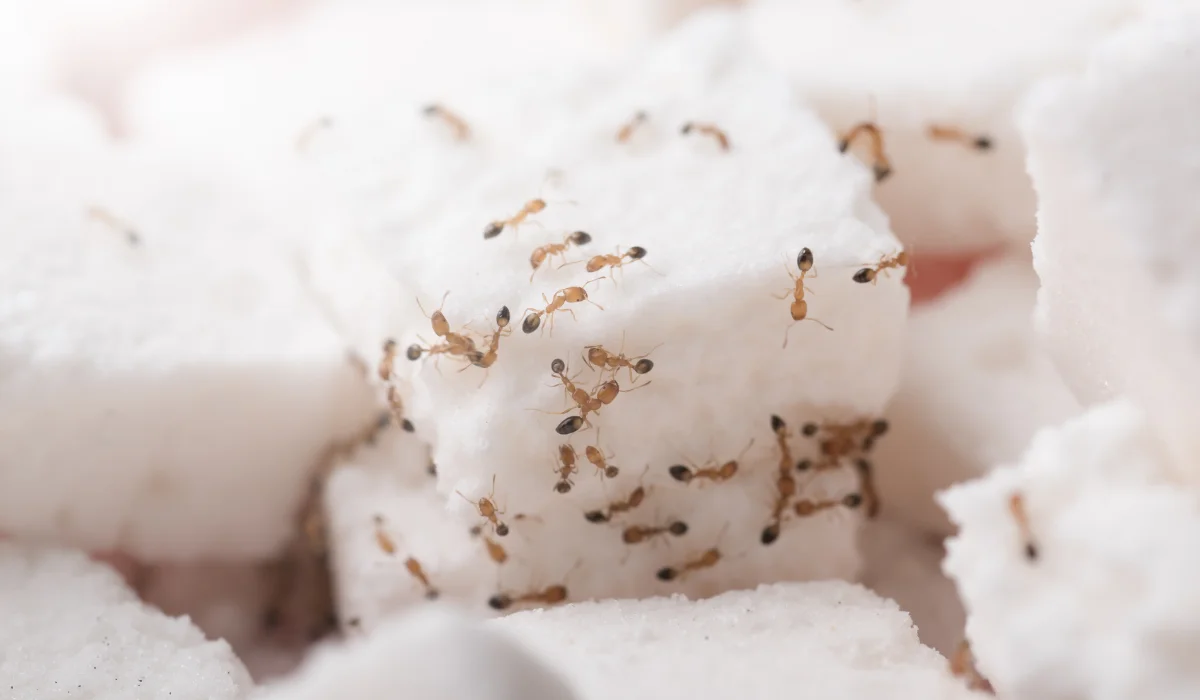
“Sugar ant” is a common household term for small ants attracted to sweets. In Louisiana kitchens, homeowners may use the name for ghost ants, pharaoh ants, odorous house ants, little black ants, and other small ants.
If they are feeding on syrup, fruit residue, soda, or other sweet foods, cleaning removes the immediate attraction. Recurring trails, however, can mean the nest is still active nearby.
Crazy Ants
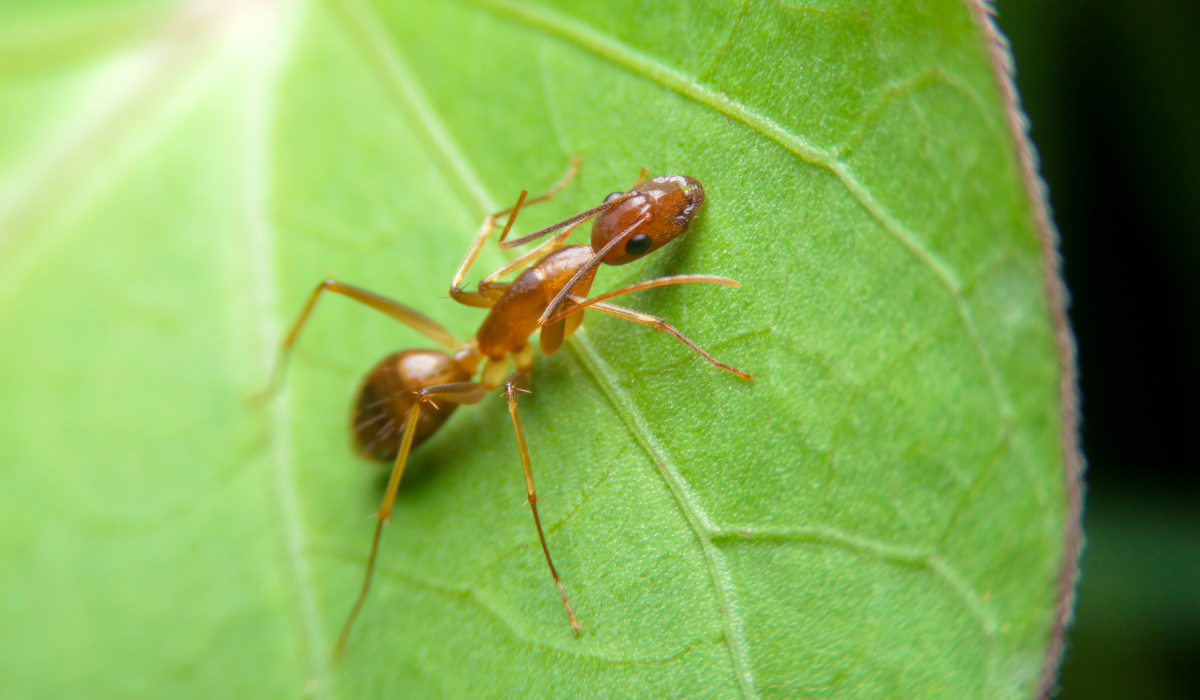
Crazy ants move quickly and irregularly rather than following the neat lines people expect from many ants. Their scattered movement can make it harder to identify where they are entering. They’re also known to infest electronics and are resistant to many types of over-the-counter solutions.
They can build large populations around homes and move through utility areas, wall voids, and other protected spaces. South Louisiana’s long periods of warmth and moisture can give them plenty of places to forage.
Red Imported Fire Ants
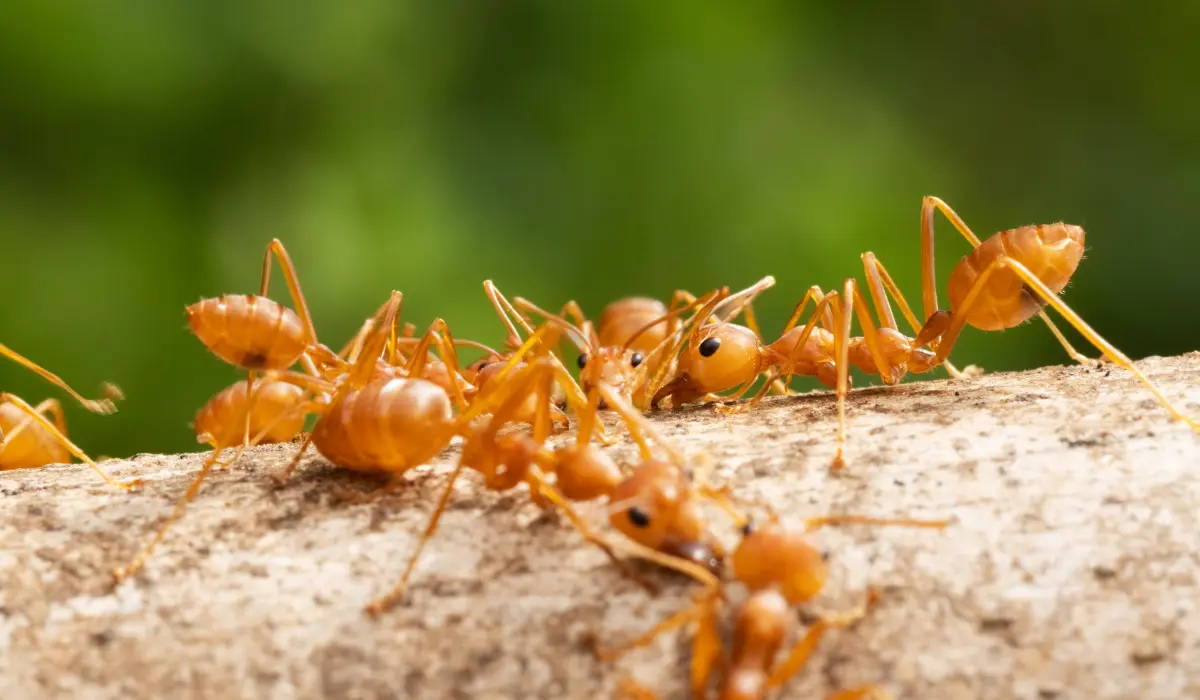
Red imported fire ants usually nest outdoors, but changing weather conditions can move them closer to homes. Heavy rain and flooding can disturb colonies, while dry periods may send workers searching more widely for food and moisture.
Because fire ants can sting, avoid disturbing a suspected colony with your hands. Keep children and pets away from active areas until you know where the activity is coming from.
Carpenter Ants
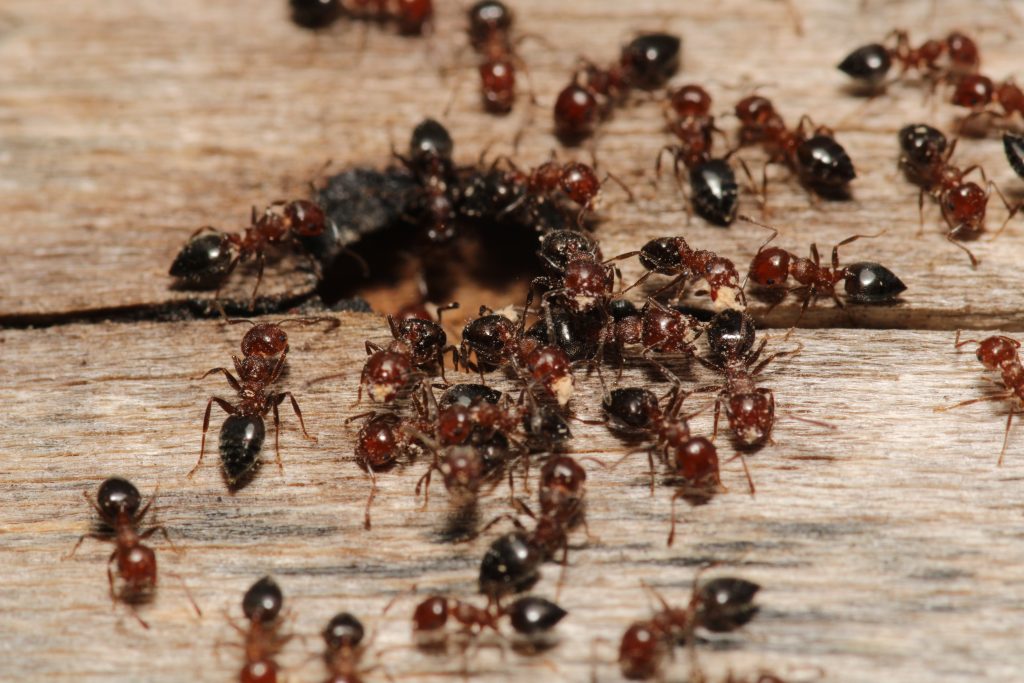
Carpenter ants tunnel into wood to create nesting areas rather than using it as food. They may favor wood that has been softened by moisture.
In your kitchen, they may forage for sweets or protein even when the nest is somewhere else. Recurring activity can justify a closer inspection, especially if you also notice moisture-damaged wood.
Other Ants to Watch For
• Argentine ants: invasive and form supercolonies.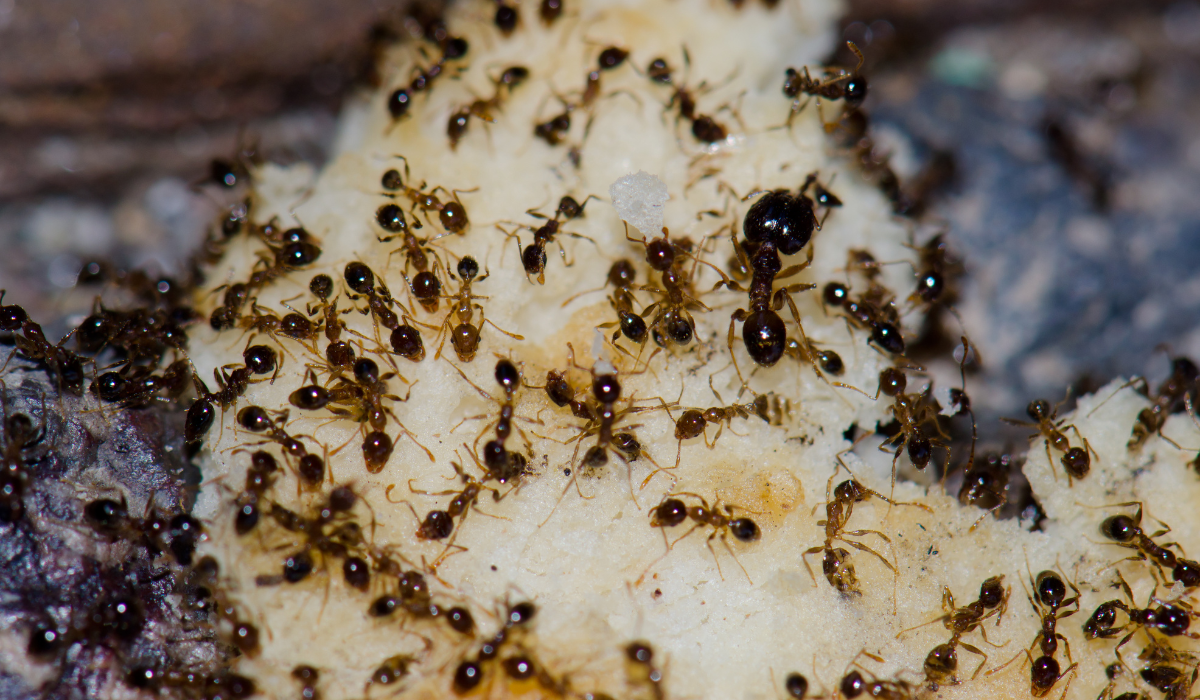
• Pavement ants: nest under slabs and enter homes through cracks.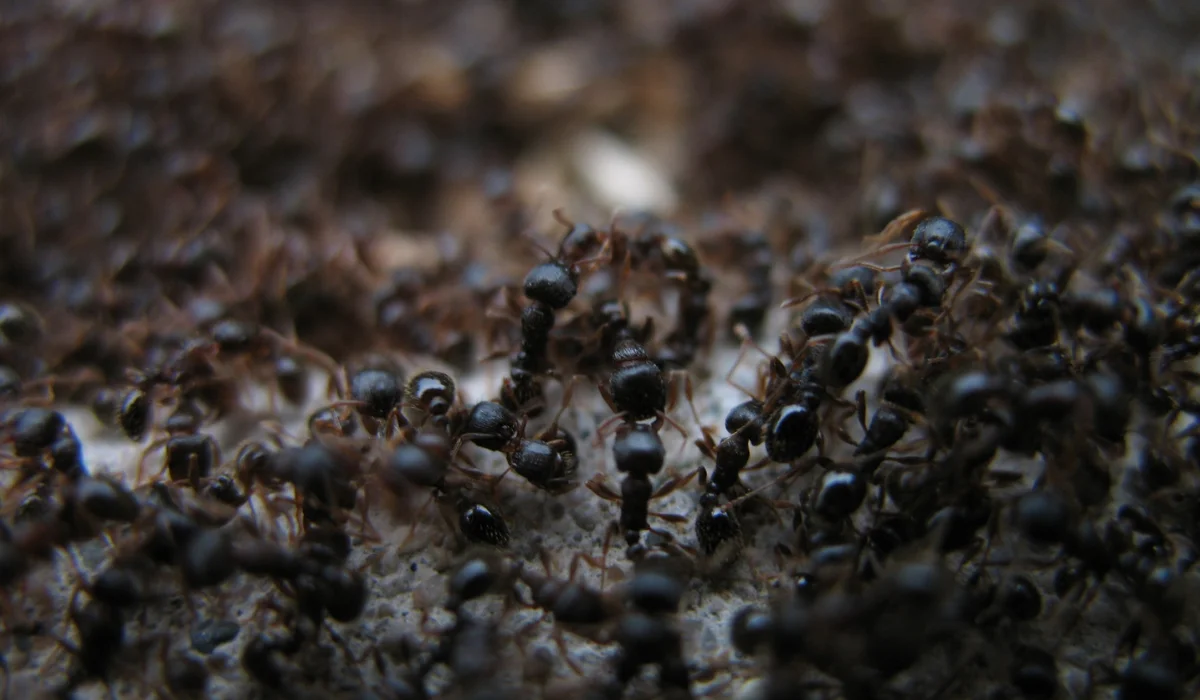
• Pharaoh ants: hard to control and often split colonies when disturbed.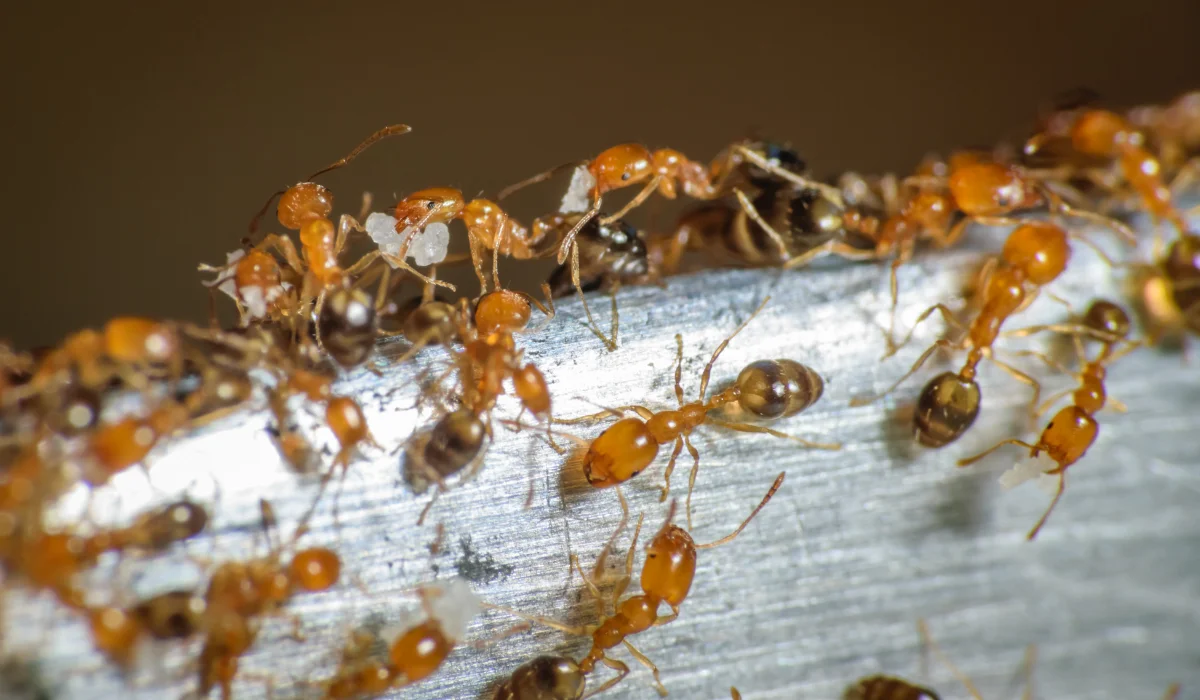
Argentine ants can form very large colonies, while pavement ants commonly nest around slabs and enter through cracks. Pharaoh ants are another small indoor ant that can be difficult to manage when nesting areas are disturbed.
If you cannot identify the ant, avoid relying on size alone. Several common Louisiana ants look similar at a glance.
Why Ants Come Inside After Rain in Louisiana
Here in Louisiana, our warm, humid climate means ants are active year-round. But heavy rain can quickly change ant activity around your property. When the ground becomes saturated, ants nesting in soil may move toward drier ground, which can bring them closer to foundations, garages, sheds, and kitchens.
South Louisiana storms can make this more noticeable. After prolonged rainfall, hurricanes, or flooding, outdoor nesting areas may be disturbed, and ants may search for dry shelter and new food sources. The LSU AgCenter provides Louisiana-specific guidance on pest activity, drainage, moisture, and other conditions that can affect homes after periods of heavy rain.
Keep drainage moving away from the foundation, repair leaks, and seal gaps around exterior openings to reduce access. These steps make it harder for ants to move from wet outdoor areas into your kitchen.
When Home Remedies Don’t Work
If you have cleaned the kitchen, removed food and moisture, used bait correctly, and still see trails, the problem may be deeper than the ants you can see. Some ants maintain more than one nesting area, which can make recurring activity harder to stop.
Ants appearing from several locations can also point to activity inside wall voids, around plumbing, beneath a slab, or outside near the foundation. In those cases, an inspection can help determine where the ants are coming from before more treatment is applied.
How to Prevent Future Infestations
Preventing ants in kitchen Louisiana homes starts with making food and water harder to access. Keep pantry items sealed, rinse recyclables, clean food residue quickly, avoid leaving pet food out overnight, and repair plumbing leaks.
Outside, trim shrubs and branches away from the house, check door sweeps, and seal gaps around utility lines and other openings. These basic steps can reduce the number of routes ants have into your kitchen.
Consider seasonal pest control visits for long-term protection.
Keeping Ants Out of Your Louisiana Kitchen
A few ants in your kitchen may be easy to handle, but trails that return after cleaning and baiting often point to an active colony nearby. Removing food and water sources, following the trail, using bait correctly, and sealing gaps can solve many minor problems.
Louisiana’s humidity, heavy rain, and storm season can keep ant pressure high, especially with small ants such as ghost ants and larger populations of crazy ants. If you continue seeing ants in kitchen Louisiana homes after taking these steps, LaJaunie’s Pest Control can inspect the activity and help identify where the ants are coming from. Give us a call if you have any questions or want to schedule an inspection.
Ants in Kitchen: FAQs
Why do ants come inside after rain in Louisiana?
Heavy rain can saturate outdoor nesting areas and push ants toward drier ground. In Louisiana, that can mean more activity near foundations, garages, and kitchens after storms or flooding. Sealing exterior gaps, improving drainage, and removing indoor food and water sources can help reduce these surges.
What are the tiny ants in my Louisiana kitchen?
Tiny kitchen ants may be ghost ants, pharaoh ants, odorous house ants, little black ants, or another small type. Ghost ants are especially difficult to see because much of their body is pale. Their location, trail pattern, and food preference can help narrow down the type.
Why do ants keep coming back after I clean my kitchen?
Cleaning removes food and trail residue, but it does not necessarily remove the colony. Ants may continue entering through plumbing gaps, windows, doors, wall openings, or slab cracks while workers search for new food and water. Bait and entry-point sealing may also be needed.
Should I kill the ants I see or let them take the bait?
If ants are actively feeding on bait, let the workers return toward the nest rather than killing every ant immediately. This can help the bait reach more of the colony. Follow the product label and keep bait away from children, pets, and food-preparation surfaces.
When should I call for help with kitchen ants?
Consider an inspection when trails keep returning after cleaning and baiting, ants appear in several areas, or you cannot find the entry point. Recurring activity can indicate a hidden nest in a wall void, around plumbing, beneath a slab, or outside near the home.