

You lift the grill lid on a hot Louisiana summer afternoon, ready to cook, and find a wasp nest tucked underneath. It is a common enough surprise when grills sit quiet between cookouts, giving paper wasps a sheltered place to build while yellowjackets forage around meat, sweet drinks, sauces, and nearby trash.
If you want to know how to keep wasps out of outdoor grill areas, focus on three things: clean away grease and food after each use, cover the grill once it cools, and check beneath the lid and around sheltered panels before cooking. If you find an active nest, do not light the grill or try to smoke the wasps out.
Knowing how to keep wasps out of outdoor grill spaces also means figuring out whether the wasps are nesting inside the grill or visiting from somewhere else in the yard. This guide covers what to look for, how to prevent them from coming back, and when an active nest is better left to a trained technician.
Key Takeaways
- Wasps are drawn to grills because they provide sheltered, undisturbed spaces, while leftover meat, grease, and sweet sauces can attract foraging wasps.
- To keep wasps out of your grill, clean it after each use, cover it once it cools, and inspect sheltered areas before cooking.
- Paper wasps are more likely to attach an open nest beneath a grill lid, while yellowjackets often forage around cookouts and may nest elsewhere nearby.
- Never light a grill that contains an active wasp nest. Disturbing the colony can send defensive wasps out of the grill.
How to Keep Wasps Out of Your Outdoor Grill
The most effective way to learn how to keep wasps out of outdoor grill areas is to start with cleaning. After each use, scrape the grates and wipe away grease, meat residue, sauces, and other food remains.
Next, cover your grill once it has cooled. A tightly fitted grill cover makes sheltered spaces harder for wasps to reach. Check the cover periodically for tears or gaps.
If your grill has side openings, do not block anything designed for ventilation, combustion, or exhaust. Follow the manufacturer’s instructions before adding screening or making changes around vents.
You can also move the grill away from dense shrubs, eaves, fences, or other sheltered areas where you regularly see wasp activity. Before your next cookout, give the grill a quick inspection beneath the lid and around sheltered exterior panels.
Why Wasps Love Your Grill
Grills make the perfect home for wasps, especially paper wasps and yellowjackets. Most people only use their grill a few times a week, which means it stays quiet and dark, two conditions that can make sheltered grill spaces attractive to stinging insects.
During warmer months, the metal of the grill retains heat, creating a warm, dry space where a wasp queen can begin building a nest.
Wasps are also attracted to leftover food, especially protein-rich items. If you leave meat stuck to the grate or sauce splattered near the burners, the smell can draw foraging wasps looking for food for themselves or their developing larvae.
The hollow cavities beneath grill lids and side panels also provide shelter from weather and regular disturbance. As colonies grow later in the warm season, wasps may become more defensive around an established nesting site.
Signs You’ve Got Wasps in the Grill
Sometimes you do not know there is a problem until you start seeing regular activity around the grill. Wasps flying in and out beneath the lid or around side panels are an early sign. You may also hear buzzing when the grill is moved or opened.
If you notice a visible nest tucked beneath the lid or attached near another sheltered section, treat it as active until you know otherwise.
Wasps may also gather around the grill without nesting inside it. Grease, leftover meat, sugary drinks, sauces, or food dropped around the patio can attract foraging insects from a nest somewhere else on the property.
What to Do If You Find a Wasp Nest in Your Grill
If you spot a nest inside your grill, avoid poking, spraying, or striking it. Leave the lid closed if you can do so without getting close to active wasps, and keep children and pets away from the area.
Do not light the grill to burn or smoke the nest out. The heat can disturb the colony and cause wasps to leave the nest quickly, increasing the chance of multiple stings.
If the nest is active or located where you cannot safely reach it, professional removal is the safer option. LaJaunie’s technicians handle wasps around homes and outdoor areas throughout Southeast Louisiana and use protective equipment when working around stinging insects. LaJaunie’s wasp control services can help when an active nest is inside a grill, beneath an eave, or in another area where disturbing it could lead to stings.
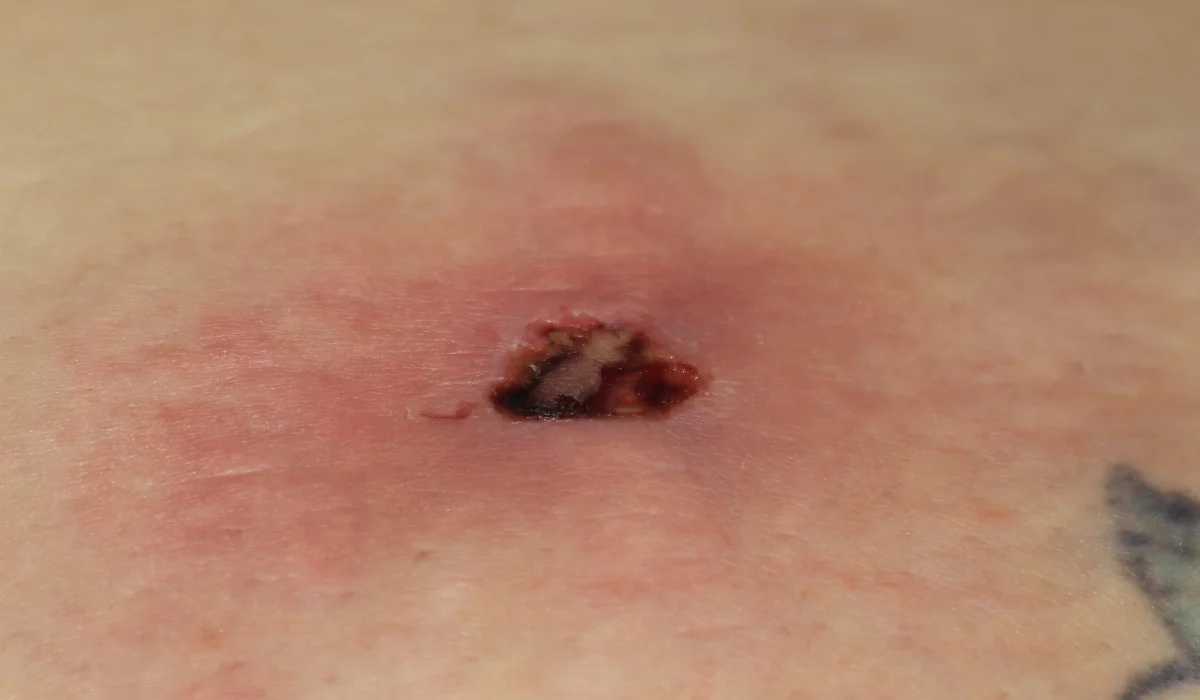
The American College of Allergy, Asthma & Immunology notes that severe reactions to insect stings can include trouble breathing, swelling of the throat or tongue, dizziness, and widespread hives. If any of these symptoms occur, call 911 or seek emergency medical care right away.
How to Prevent Wasps From Coming Back
Even after a nest is gone, wasps can return if the same shelter and food sources remain. Start by cleaning the grill thoroughly after every use and removing grease, crumbs, meat, sauces, and spilled drinks from the surrounding area.
Store the grill indoors during the off-season if you have the space. Otherwise, use a fitted cover and inspect it regularly for damage or openings.
Check nearby eaves, fences, shrubs, and outdoor furniture for early nest building. Sealing appropriate gaps around nearby structures can also reduce sheltered nesting areas.
Avoid adding treatments around cooking surfaces on your own unless the product is specifically labeled for that use. When recurring wasp activity extends beyond the grill, the nest may be somewhere else on the property.
Common Wasp Species Around Louisiana Grills
Louisiana has several kinds of stinging insects, but paper wasps and yellowjackets are especially relevant around outdoor cooking areas.
Paper Wasps
Paper wasps are the species most likely to build the familiar open, umbrella-shaped nest beneath a grill lid, porch ceiling, eave, or another protected surface. Their long legs often hang beneath them while they fly.
A grill that sits unused for several days gives a queen a protected surface where she can begin a nest. As the colony grows through the warmer months, the number of workers around that nest increases.
Yellowjackets
Yellowjackets usually nest differently. Their colonies are often underground or inside enclosed voids rather than hanging openly beneath a grill lid.
You may still see plenty of yellowjackets around the grill because they scavenge around meat, sugary drinks, trash cans, and cookout leftovers. If they repeatedly fly in the same direction after feeding, the actual nest may be elsewhere in the yard.
Hornets
Hornets, a type of large wasp, tend to build round, enclosed nests high in trees or tucked into wall cavities. They’re the most territorial of the bunch and can be dangerous if their nest is close to your home. With larger stingers and more venom, hornet stings are excruciating and sometimes require medical attention.
Though wasps play a role in pollination and controlling other pests, they quickly become a hazard when they move into your living space. If you’re seeing more activity than usual or suspect a nearby hornet nest, it’s best to let the pros at LaJaunie’s step in.
In South Louisiana, LaJaunie’s technicians commonly find wasp activity around grass, shrubs, foliage, eaves, and other sheltered areas near the home. That means the wasps visiting your grill may be nesting somewhere else in the yard rather than inside the grill itself.
Need Help Getting Wasps Out of Outdoor Grill?
If wasps have claimed your grill, the safest next step depends on where the nest is and how much activity you are seeing. A few wasps visiting food are different from an active colony attached beneath the lid.
LaJaunie’s Pest Control serves homeowners throughout Southeast Louisiana, including Houma, Thibodaux, Baton Rouge, New Orleans, Mandeville, Covington, and surrounding communities. If you find an active nest in or around the grill, contact us, and a technician can identify what you are dealing with and determine the appropriate way to remove it.
Knowing how to keep wasps out of outdoor grill areas starts with cleaning, covering, and inspecting your grill regularly. Those simple habits can make your outdoor cooking space less attractive to wasps throughout Louisiana’s warm season.
Wasps in Outdoor Grill: FAQs
Can I burn out a wasp nest in my grill?
No. Do not light the grill to burn or smoke out an active wasp nest. Heat can disturb the colony and cause defensive wasps to leave the grill quickly. Keep the grill off, stay away from the nest, and have it removed before using the grill again.
What kind of wasps nest in grills?
Paper wasps are among the most common wasps to build visible nests beneath grill lids and other sheltered surfaces. Yellowjackets are more likely to nest underground or in enclosed voids, but they often visit grills while searching for meat, sweets, and other food.
Why do wasps keep coming back to my grill?
Wasps may return if the grill continues to provide shelter or food. Grease, meat residue, sauces, sweet drinks, and gaps beneath a grill cover can make the area attractive. Cleaning after every use and checking the grill regularly can reduce repeat activity.
How do I keep wasps out of my outdoor grill in Louisiana?
Clean away grease and food after cooking, use a fitted cover once the grill cools, and inspect beneath the lid before each use. Also check nearby shrubs, eaves, and outdoor furniture because the wasps visiting your grill may be nesting elsewhere on the property.