



A kissing bug bite mark may look like a small red bump, an itchy welt, or a swollen patch of skin. That description is not very specific, which is exactly why these bites are hard to identify. Mosquitoes, fleas, bed bugs, and other insects can leave marks that look nearly identical.
The concern usually comes from the kissing bug’s connection to Chagas disease. That risk deserves a clear explanation, but finding a bite does not mean you have the disease. The insect must carry the parasite, and the parasite must enter the body under specific conditions.
Kissing bugs occur in parts of the southern United States, where warm weather and wildlife can support them outdoors. A Louisiana homeowner may find one near a porch, animal shelter, woodpile, or gap in an exterior wall. This guide explains how a kissing bug bite mark may appear, which symptoms call for medical attention, and how to reduce activity around your property.
What Does a Kissing Bug Bite Mark Look Like?
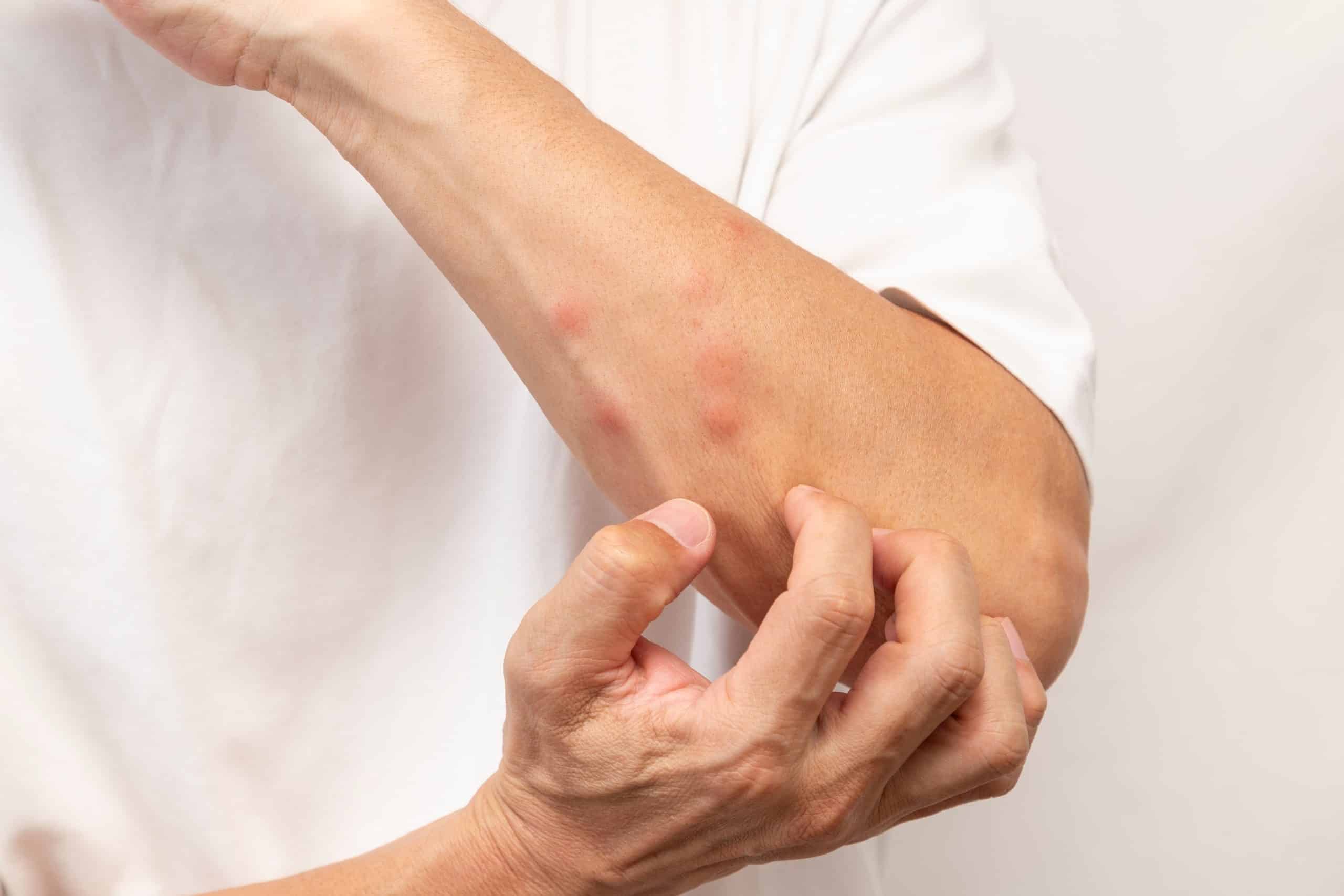
A kissing bug bite mark often begins as a small area of redness or mild swelling. It may itch, feel warm, or become tender, especially if you scratch it. Some people develop a noticeable welt, while others have almost no visible reaction.
Kissing bugs usually feed at night when people and animals are resting. They may bite around the face, which is where the name comes from, but they can feed on any exposed area of skin. The neck, arms, hands, shoulders, legs, and feet are all possible bite locations.
The number of marks can vary. You might notice one raised spot or several bites close together, but there is no reliable pattern that confirms a kissing bug caused them. Skin tone, sensitivity, scratching, and the age of the bite can all change how the area looks.
| Feature | What You May Notice | What It Can Tell You |
| Color | Pink, red, or slightly darker than the surrounding skin | Shows irritation, but does not identify the insect |
| Shape | Small bump, welt, or broader swollen patch | Reactions vary from person to person |
| Sensation | Itching, warmth, tenderness, or little discomfort | A mild reaction is common with many insect bites |
| Location | Face, neck, arms, hands, legs, or other exposed skin | Bites may occur while you are sleeping |
| Pattern | One mark or several nearby marks | Pattern alone cannot confirm a kissing bug bite |
| Timing | Discovered after sleeping or resting | Supports nighttime insect activity but is not proof |
A photo can help you track changes over the next day or two. Take the picture in good light and include a familiar object for scale. That record may help a healthcare provider if the swelling grows, the skin changes color, or other symptoms develop.
Kissing Bug Bite Marks vs. Other Bug Bites
Comparing a kissing bug bite mark with other bites can help you gather clues, but no skin feature provides a definite identification. Where you found the marks, when they appeared, and whether you found an insect are often more useful than the shape of the bite.
Mosquito bites are common across Louisiana and often develop after time outdoors. Flea bites tend to collect around the ankles or lower legs, especially in homes with an affected pet. Bed bug bites may appear after sleeping, but the strongest evidence comes from signs around a mattress or nearby furniture.
| Possible Pest | Common Skin Reaction | Common Pattern or Location | Evidence to Check |
| Kissing bug | Red bump, welt, itching, or localized swelling | Exposed skin, sometimes near the face | A dark, cone-nosed insect near a sleeping area or entry point |
| Mosquito | Puffy, itchy bump | Scattered across exposed skin | Outdoor exposure, standing water, or mosquito activity |
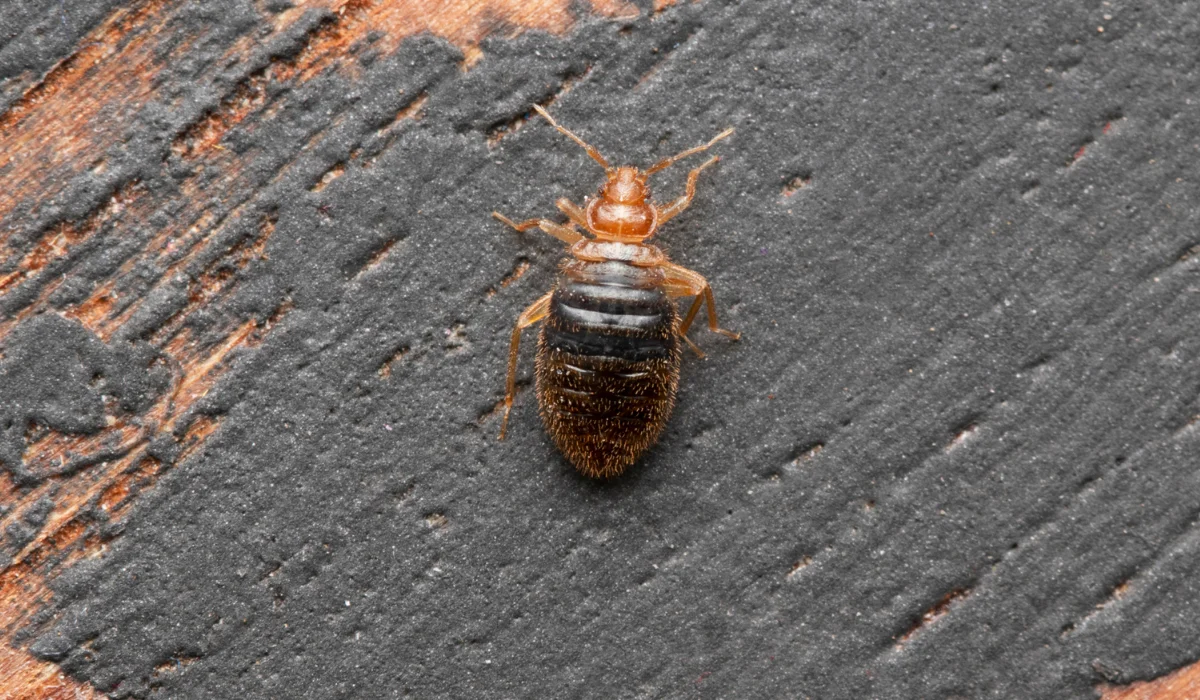
| Bed bug | Small itchy bumps or welts | Clusters, lines, or scattered marks after sleeping | Dark spotting, cast skins, eggs, or insects near the bed |
| Flea | Small, very itchy red bumps | Ankles, feet, and lower legs | Fleas on pets, pet bedding, rugs, or upholstered furniture |
| Fire ant | Burning spot that may form a small white pustule | Feet, ankles, or legs after outdoor contact | Disturbed mound or ant activity in the yard |
| Spider | Redness, pain, or swelling | Usually one isolated area | A confirmed spider found at the time of the incident |
Online bite pictures can create more confusion than clarity. Lighting, healing time, skin tone, and allergic sensitivity change how a mark appears. A photo of your own bite is useful for monitoring it, but matching it to an online image should not be treated as a diagnosis.
Kissing Bug Bite Mark Symptoms
Most kissing bug bite mark symptoms involve the skin around the feeding site. Mild redness, itching, and localized swelling may last for several days. A cool compress can reduce discomfort, and washing the area with soap and water helps remove dirt from the skin.
Try not to scratch the bite. Broken skin creates an opening for bacteria and can make redness or tenderness worse. Contact a medical provider if the area becomes increasingly painful, produces drainage, develops red streaks, or keeps expanding.
Some people can have an allergic response to a kissing bug bite. Hives, major swelling, dizziness, wheezing, or swelling of the lips or throat require immediate medical care. Call 911 when someone has trouble breathing, becomes confused, or appears faint.
One unusual reaction is marked swelling around an eye. This can have many causes, including allergies and other insect bites, so it does not confirm Chagas disease. Still, sudden eye swelling after possible kissing bug exposure should be evaluated by a healthcare provider.
| Symptom | Suggested Response |
| Mild itching or a small red bump | Wash the skin and use a cool compress |
| Limited swelling that is not worsening | Monitor the area and avoid scratching |
| Increasing pain, warmth, drainage, or red streaks | Contact a healthcare provider |
| Fever, fatigue, headache, or body aches | Discuss the symptoms and possible exposure with a provider |
| Significant swelling around one eye | Seek prompt medical evaluation |
| Hives, breathing trouble, faintness, or throat swelling | Call 911 |
This guidance helps you decide how quickly to act, but it cannot replace medical advice. A healthcare professional should evaluate symptoms that are severe, unusual, or getting worse.
Can a Kissing Bug Bite Mark Mean Chagas Disease?
A kissing bug bite mark does not show whether the insect carried the parasite that causes Chagas disease. The disease comes from a parasite found in some kissing bugs. Many kissing bugs are not infected, and many encounters do not lead to transmission.
The parasite does not normally pass through the bite itself. An infected bug may leave feces near the feeding site, and the parasite can enter when contaminated material reaches broken skin, the eyes, or the mouth. Scratching or rubbing the area may move that material into the body.
The Centers for Disease Control and Prevention explains how Chagas disease spreads and notes that most people diagnosed in the United States acquired the infection in areas of Latin America where transmission is more common. Locally acquired cases have occurred in the United States, but they remain uncommon.
The World Health Organization estimates that about 8 million people worldwide have Chagas disease, primarily in Latin America. The organization reports that up to one-third of people with chronic infection develop heart problems, while up to one in ten develop digestive, neurological, or mixed complications.
Those figures describe infections worldwide, not the risk from one bite in Louisiana. Your doctor may consider travel history, birthplace, symptoms, housing conditions, and whether the insect was identified before recommending testing.
What to Do After a Suspected Kissing Bug Bite
After noticing a possible kissing bug bite mark, wash the area with soap and water. Apply a cool compress for short periods if the skin is itchy or swollen. Avoid rubbing your eyes or touching your mouth until you have washed your hands.
Take a clear photo and note when you first noticed the mark. Write down any symptoms that appear, including fever, fatigue, headache, swelling, or digestive discomfort. Tell your healthcare provider about a suspected kissing bug only when you have a reason for that concern, such as finding a matching insect nearby.
Save the insect safely when possible. A confirmed identification is much more useful than a description from memory. Do not delay emergency care while trying to collect a specimen if someone is having trouble breathing or showing signs of a severe allergic reaction.
Check the room where the bite may have occurred. Look around windows, door frames, bedside furniture, curtains, pet bedding, and gaps along the wall. You are not looking for the bite source based on skin marks alone. You are looking for physical pest evidence that can support or rule out the concern.
How to Identify a Kissing Bug
Finding the insect provides better evidence than studying a kissing bug bite mark. Adult kissing bugs are generally dark brown or black with orange, yellow, or red markings along the outer edge of the abdomen. They have narrow, cone-shaped heads and a long mouthpart used for feeding.
Several harmless insects share similar colors and body shapes. Leaf-footed bugs and some other true bugs are often mistaken for kissing bugs. Avoid identifying an insect by one marking or by size alone.
Texas A&M University reports 11 kissing bug species in the United States, with most found in southern regions. Its identification materials show the narrow head and exposed abdominal edges that help separate kissing bugs from common look-alikes.
Do not handle a suspected kissing bug with bare hands. Place a container over it, slide a stiff card underneath, and seal the container. You can also use disposable gloves or another barrier if you need to move it.
Avoid crushing the insect against your skin or on a household surface. Keep the specimen and record where you found it, since those details can help a pest professional or extension specialist identify it.
Where Kissing Bugs May Hide Around Louisiana Homes
Kissing bugs are active at night and spend the day in sheltered spaces. Outdoors, they may hide in woodpiles, yard debris, animal nests, kennels, chicken coops, sheds, or gaps beneath porches. These areas offer cover and access to animals on which the bugs can feed.
Wild mammals can support kissing bug populations near residential properties. Opossums, raccoons, rodents, and armadillos may nest or travel close to homes, especially near wooded lots and drainage areas. Outdoor pets can also draw bugs toward kennels or bedding.
A kissing bug that enters the house may travel through a torn screen, an opening around a pipe, a poorly sealed door, or a gap along the roofline. Exterior lights can attract many nighttime insects to doors and windows, increasing the chance that one gets inside.
Repeated indoor sightings deserve more attention than one isolated bug. Several insects in bedrooms or living areas may point to accessible entry gaps or sheltered activity close to the structure. An inspection can help determine whether the bug wandered inside or whether conditions around the property are supporting continued activity.
How to Prevent Kissing Bugs Around Your Home
Preventing kissing bug activity starts outside. Move stacked firewood, scrap lumber, and unused materials away from exterior walls. Remove dense debris where insects, rodents, or wildlife can shelter close to the house.
Inspect door sweeps, window screens, attic vents, siding joints, and openings around utility lines. Seal cracks and gaps that insects can use without blocking drainage or ventilation. Replace damaged screens and worn weather stripping.
Keep outdoor pet areas clean and inspect bedding, kennels, and nearby structures. Store pet food in sealed containers, and avoid leaving food outside overnight where it can attract rodents or wildlife. Addressing those animal visitors can reduce the feeding opportunities that draw blood-feeding insects toward the property.
Outdoor lighting also deserves attention. Use only the light you need near doors and windows, and consider fixtures that direct light downward. Bright lights beside an entry can draw insects to the exact place where gaps are most likely to let them inside.
When to Call a Pest Control Professional
Call a pest control professional when you find more than one suspected kissing bug, continue seeing insects around bedrooms, or cannot tell which pest is causing nighttime bites. A trained technician can inspect likely entry points, exterior hiding places, pet areas, attics, crawl spaces, and other sheltered locations.
The inspection should focus on identification and contributing conditions rather than the skin mark itself. Pest professionals do not diagnose bites or Chagas disease. They can determine what insects are present, locate areas of activity, and recommend steps that fit the property.
Making the Right Choice After Finding a Kissing Bug Bite Mark
A kissing bug bite mark can resemble many ordinary insect bites, so avoid making a diagnosis from redness, swelling, or an online picture. Clean the area, watch for changes, and seek medical care for severe swelling, breathing trouble, fever, spreading redness, or other symptoms that concern you. Save a suspected insect safely whenever you can.
The next step depends on the evidence. A healthcare provider can assess your symptoms and exposure history, while a pest professional can identify insects and inspect the property. If suspected kissing bugs keep appearing around your Louisiana home, contact LaJaunie’s Pest Control to schedule an inspection and find out what is bringing them onto the property.
LaJaunie’s Pest Control serves southeastern Louisiana with technicians trained and certified by the Louisiana Department of Agriculture. The team can inspect your home for kissing bugs and common look-alikes, check how insects are entering, and identify outdoor conditions that may be drawing pests close to the structure.