



A beetle crawling across your garage floor is a different problem from larvae feeding on a sweater or small holes appearing in the bark of a pine tree. Louisiana beetles identification and control starts with knowing what kind of beetle you have, where it is active, and whether you are seeing adults, larvae, or damage.
In Southeast Louisiana, warm, humid weather keeps many beetles active for much of the year. Heavy rain can also push outdoor species toward garages, crawlspaces, patios, and other sheltered areas.
Knowing the difference between an indoor fabric pest, an outdoor visitor, a lawn pest, and a tree pest can help you choose the right next step without treating areas that do not need it.
Key Takeaways
Louisiana beetles, identified
The beetles Louisiana homeowners and landowners run into most, and what each one actually harms.
- Louisiana homes and yards can attract carpet, ground, rove, scarab, bark, and pine beetles.
- Carpet beetle larvae can damage natural fibers, while some scarab larvae feed on grass roots and bark beetles affect stressed trees.
- Warm, humid weather and heavy rain can make outdoor beetles more noticeable around Southeast Louisiana homes.
- Correct identification matters because different beetles need different control methods.
Common Types of Beetles in Louisiana
Where you find a beetle is often one of the best identification clues. A small beetle or larva in a closet points to a different problem than a fast-moving beetle in damp mulch or holes forming in tree bark.
Color and size help, but location, life stage, and nearby damage tell you more. These are several of the beetles Louisiana homeowners and property owners may encounter.
Carpet Beetles
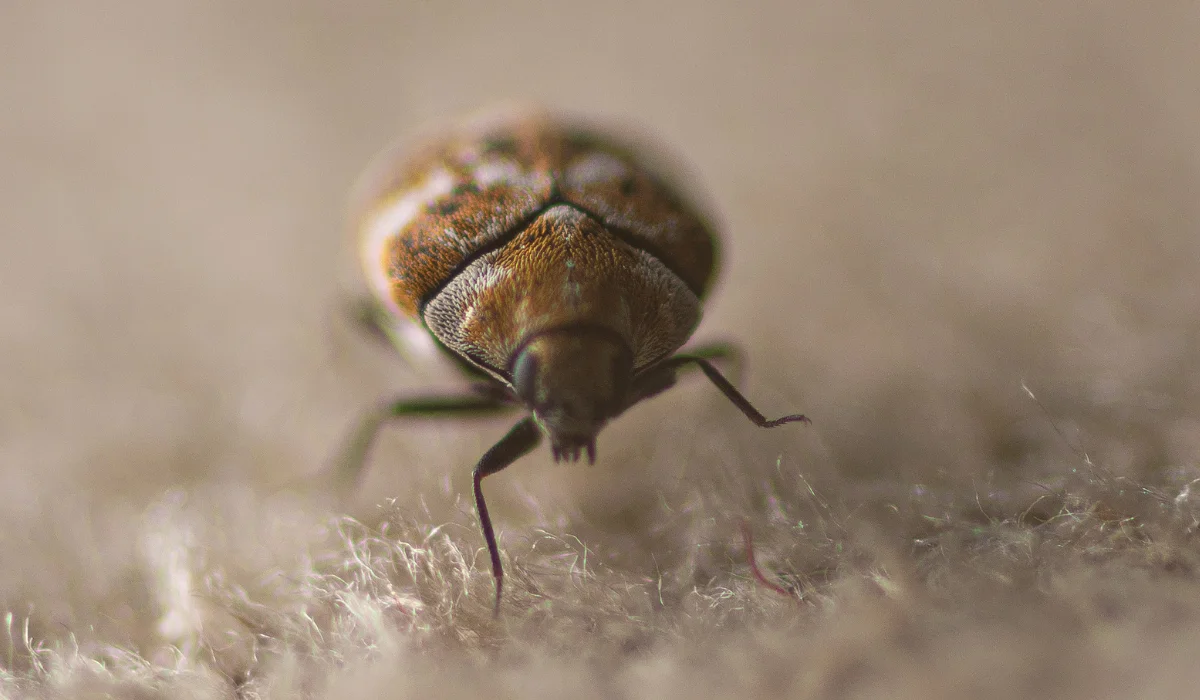
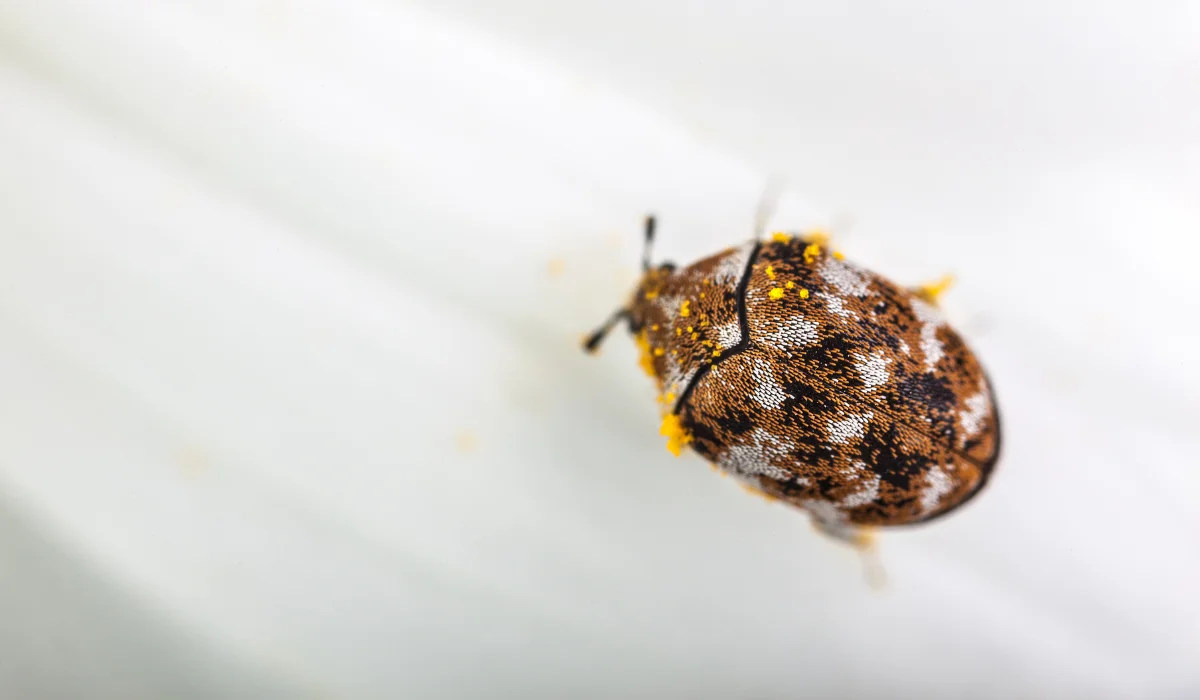
Carpet beetles are small, oval insects that can be easy to miss. Adults may have mottled black, brown, and white coloring that makes them look like tiny pieces of lint.
The larvae cause the damage. They can feed on wool, silk, leather, animal hair, and other natural materials. If you pull clothing from the back of a closet and find unexplained holes, carpet beetle larvae may be involved.
Ground Beetles
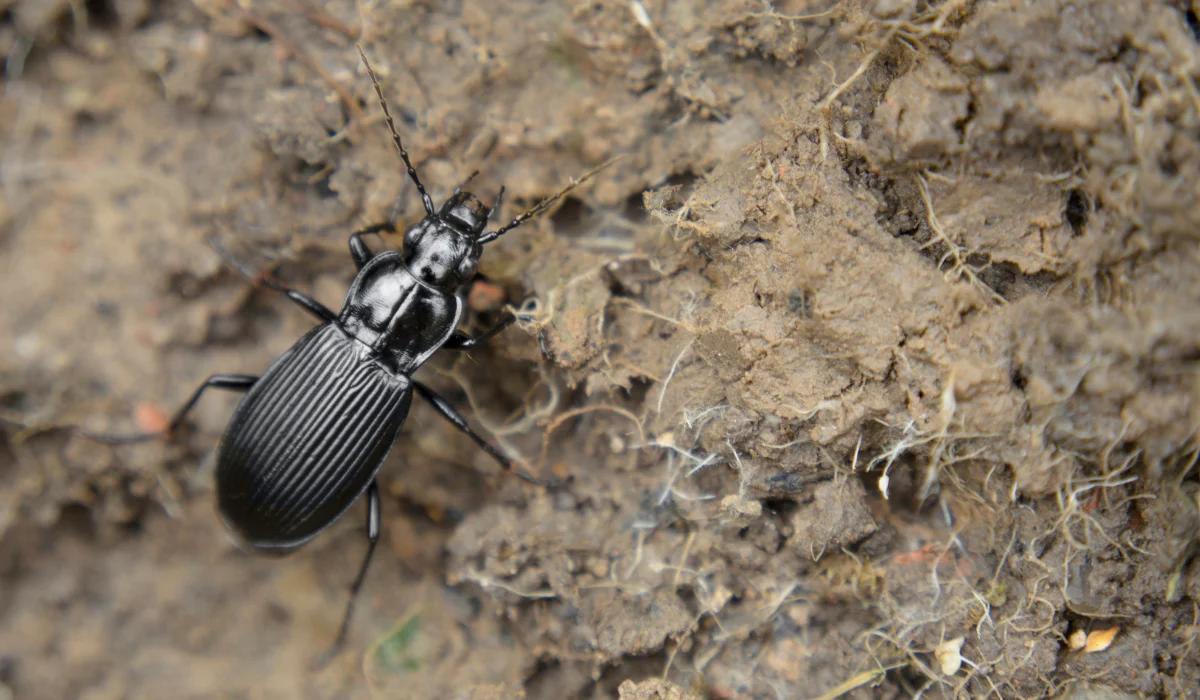
Ground beetles are quick-moving outdoor beetles that favor moist, shaded areas around soil, mulch, and landscaping. They generally live outside instead of establishing indoor infestations.
During Louisiana’s humid months and after heavy rain, they may leave saturated soil and move toward garages, crawlspaces, or exterior doors. This is why you may notice several after a wet spell even when there is no indoor breeding site.
Many ground beetles feed on caterpillars and other small insects outdoors.
Rove Beetles
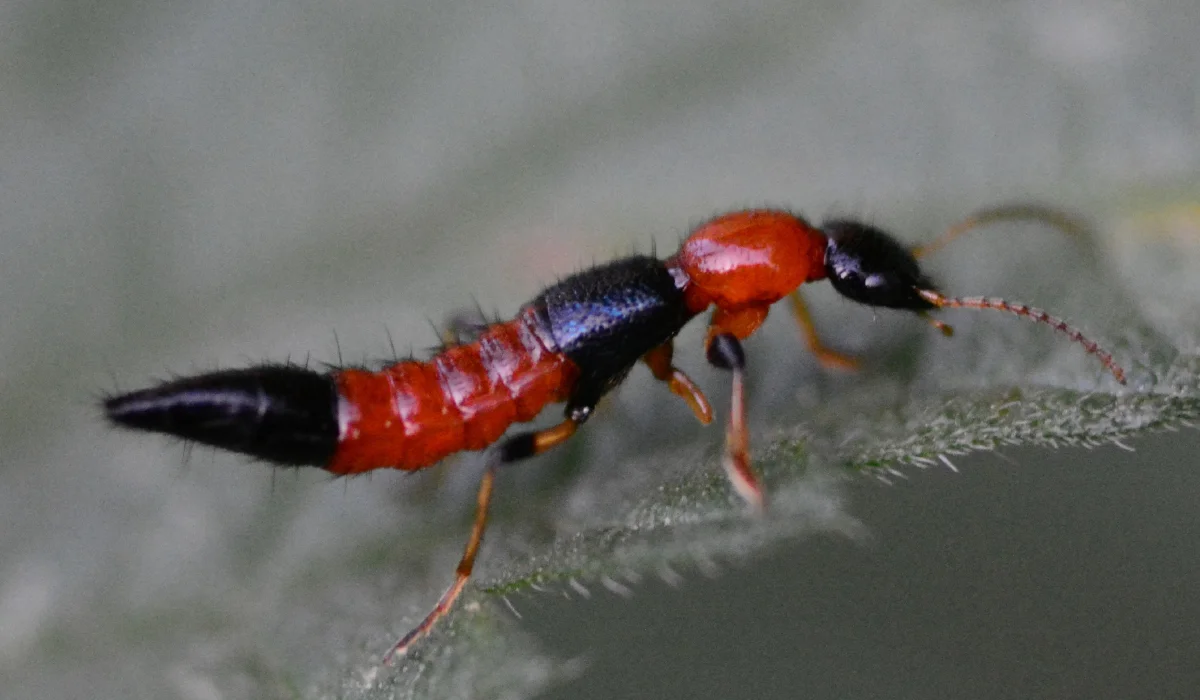
Rove beetles have short wing covers and long, flexible abdomens that may curl upward when disturbed. They are commonly found around compost piles, damp mulch beds, decaying plant material, and other moist outdoor areas.
They can resemble earwigs at first glance, but rove beetles do not have the noticeable pincers found at the end of an earwig’s abdomen. While they aren’t harmful to humans, some species can release a defensive secretion that causes skin irritation.
If you’re turning your compost and notice a long, skinny beetle that resembles an earwig, it’s probably a rove beetle.
Bark Beetles

Bark beetles are a concern for properties with pine trees or wooded areas. These small beetles tunnel beneath bark, where their feeding and reproduction can interfere with the movement of water and nutrients through the tree.
Storm-damaged trees are especially vulnerable after hurricanes, drought, and other stress common in South Louisiana. LSU AgCenter and USDA forestry experts warn that bark beetle outbreaks can build quickly in stressed pine stands and spread into nearby healthy trees.
For homeowners and landowners, that makes tree condition an important clue. Browning needles, small holes in the bark, loose bark, resin, or sawdust-like material can all point to beetle activity, especially when the tree was already weakened by weather or injury.
Pine Beetles

Closely related to bark beetles, pine beetles specifically target pine trees. They attack weakened or stressed trees, often forming mass infestations. Once inside, they lay eggs, and the larvae feed under the bark, ultimately killing the tree.
Louisiana state officials and forestry experts recommend monitoring pine stands regularly, especially if you’ve noticed browning needles or small holes in the bark. Stressed and weakened trees are more vulnerable, especially after drought, storms, or physical injury.
Scarab Beetles
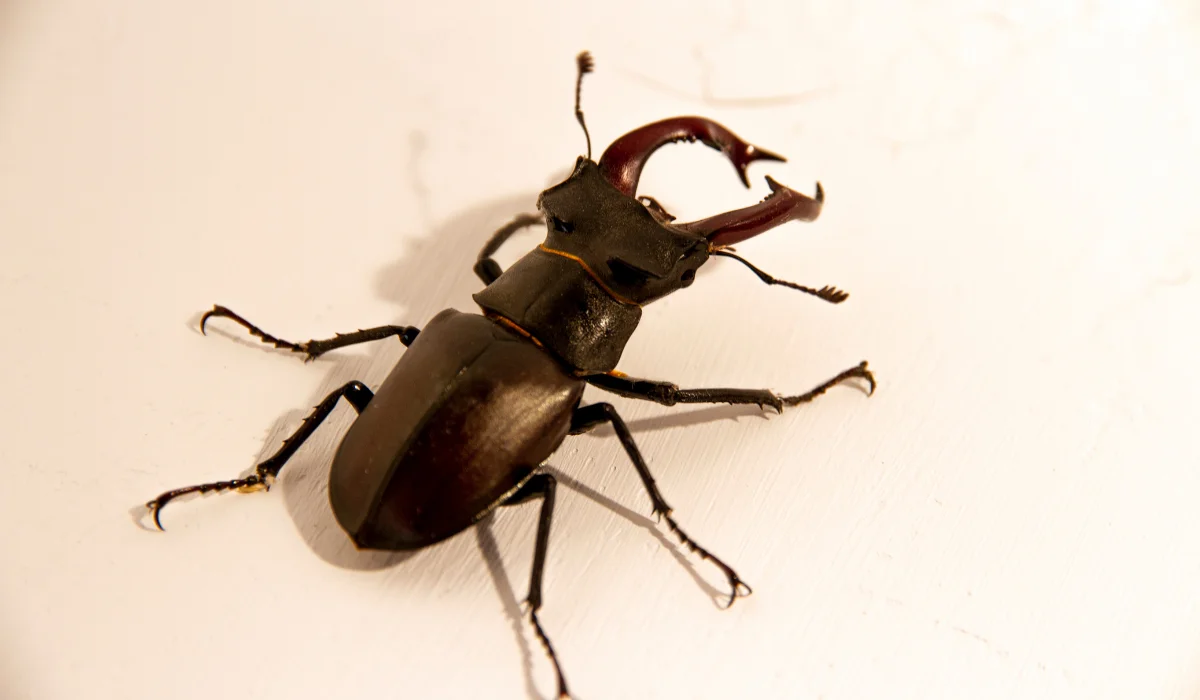
Scarab beetles include a wide range of species, from helpful dung beetles to destructive weevils and Japanese beetles. In Louisiana, June bugs and June beetles are among the most recognized types.
While adult beetles typically feed on leaves, the larvae (grubs) damage lawns by feeding on grass roots. They are especially active at night and are drawn to outdoor lights, which makes them a nuisance during backyard gatherings.
When Beetles Are Most Noticeable in Southeast Louisiana
Warm, humid conditions keep many beetles active during the warmer months in Southeast Louisiana. Species that live in soil, mulch, leaf litter, and compost can become especially noticeable around landscaped areas.
Heavy rain can change where those beetles show up. Ground beetles may leave saturated soil and move toward garages, crawlspaces, patios, and foundations. Seeing several after a storm does not necessarily mean they are breeding indoors.
Tree-associated beetles follow a different pattern. Hurricanes, drought, root injury, disease, and other forms of stress can weaken pines and make them more susceptible to bark beetles.
Steps to Beetle Control in Louisiana Homes
Effective Louisiana beetles identification and control starts with finding the source. Carpet beetles feeding around stored fabrics, ground beetles entering after rain, and beetles tunneling into wood each require a different response.
Start with where you found the beetle, its life stage, and any nearby damage. Those clues can help determine whether basic cleanup and exclusion are enough or whether the activity needs a professional inspection.
Inspection and Identification
Look at more than the adult beetle itself. Larvae near stored fabrics, C-shaped grubs in soil, and small holes in bark can tell you more about the problem than finding one adult near a window.
For carpet beetles, the larval stage causes fabric damage. Removing an adult from a windowsill will not address the source if larvae are still feeding elsewhere.
If beetles continue appearing or you cannot identify the species, LaJaunie’s pest control service can help determine whether the activity started indoors or involves beetles coming in from outside.
Pinpointing Breeding Sites
For homeowners, the trick is to locate where beetles are laying eggs. For carpet beetles, inspect closets, rug edges, stored clothing, upholstered items, and quiet areas where pet hair or lint collects. Finding the larval feeding site is more useful than removing adults one at a time.
Outside, check damp mulch, leaf litter, drainage areas, firewood, vegetation touching the house, and gaps near doors. These areas can shelter outdoor beetles or give them an easy route indoors.
For landowners, it’s more about scanning tree bark and watching for sawdust or holes, a sign that wood-boring beetles or borers like the ash borer have moved in. Small holes or powder-like material around structural wood or furniture deserve separate attention. Powderpost beetles are wood-destroying beetles and require a different inspection than ordinary outdoor beetles.
In some cases, you might even find evidence near firewood or old furniture brought in from outside
Customized Treatment Methods
At LaJaunie’s Pest Control, we handle beetles depending on the species, location, and affected material. Carpet beetle service may vary with the type of fabric involved, while exterior beetle service focuses on where insects are active and how they are reaching the structure.
For indoor beetle infestations, like carpet beetles or those hiding in attics, we apply targeted treatments that are safe for fabrics and non-disruptive to daily life.
For outdoor or structural issues like borer beetles or wood-infesting species, we may recommend a specialized treatment that includes both spot application and environmental adjustment.
Preventative Maintenance
Once beetles are under control, keeping them away takes a little diligence. For carpet beetles, regular vacuuming helps remove lint, pet hair, and other material larvae can feed on. Check stored clothing made from wool or other natural fibers, especially items that sit untouched for long periods.
Outside, seal gaps around doors, windows, vents, and utility openings. Keep excess mulch, leaf litter, and damp debris from piling against the house, and correct drainage problems that leave soil wet around the foundation.
If you have pine trees or wooded areas, monitor them after storms and drought. Browning foliage, dead branches, or bark damage can signal stress that deserves a closer look.
Making the Right Louisiana Beetles Identification and Control Choice
Louisiana beetles do not all create the same problem. Carpet beetles can damage natural fibers, some scarab larvae feed on grass roots, bark beetles affect stressed trees, and ground beetles may simply wander indoors after wet weather.
The right Louisiana beetles identification and control approach starts with identifying the species, life stage, and source. If beetles keep returning or you notice damage to fabrics, wood, turf, or trees, LaJaunie’s Pest Control can inspect the activity and recommend the next step for your property.
An occasional outdoor beetle that wandered into a garage may only require removal and better exclusion. Repeated indoor sightings, carpet beetle larvae in several areas, damaged fabrics, powder around wood, or unexplained lawn or tree damage call for a closer inspection. If beetles keep returning around your Southeast Louisiana property and you cannot trace the source, contact LaJaunie’s Pest Control to schedule an inspection.