



Most Painful Sting can cause costly problems when early signs are missed. Learn the signs, risks, and when to call LaJaunie’s Pest Control.
Key Takeaways About the Most Painful Insect Stings
- Several insects found around homes can deliver painful stings, including wasps, bees, and fire ants, each with different pain levels and venom types.
- Stings from certain species may feel worse than others, and individual sensitivity plays a role in how intense the pain feels.
- Knowing how to identify stinging insects on your property helps you avoid accidental encounters and decide when professional pest review is appropriate.
- Proactive exclusion around your home is a key step in reducing contact with stinging insects before nesting becomes established.
How to Identify Insects With the Most Painful Stings
Knowing which insects deliver the most painful sting helps you respond appropriately and decide when professional review makes sense. Several species around homes can sting aggressively, and each one looks and behaves differently enough to tell apart once you know what to watch for.
How to Tell the Most Painful Stinging Insects Apart
Imported fire ants measure roughly 1/16 to 1/4 inch long, with workers that vary in size and range from reddish-brown to dark brown., with workers that vary in size and range from light to dark brown. They attack when their mound is disturbed. A few other ants also sting, including native fire ants and harvester ants, which are primarily outdoor species. According to UC IPM, these are among the most common stinging ants.
Among wasps, several species of paper wasps can deliver a painful sting. According to Mississippi State University Extension, there are several species that fit this description, but Polistes metricus is the most common. Velvet ants, such as Dasymutilla occidentalis, earn the nickname “cow killers” because of their extremely painful sting. These wasps can produce a “squeaking” sound when disturbed or trapped.
How to Spot Stinging Insect Activity Inside Your Home
Paper wasps may build nests in sheltered indoor spaces such as attics or garages. Paper wasps will defend their nest if disturbed and may sting if someone approaches too close, though they are generally less aggressive than yellowjackets and hornets. If you notice wasps flying in and out of a gap in your home’s structure, a nest may already be established nearby.
Velvet ants are less likely to appear indoors but can occasionally wander inside through open doors. You might hear their distinctive squeaking sound if one becomes trapped against a surface.
Where Stinging Insect Activity Shows Up Around Homes
Imported fire ants build visible mounds in open, sunny areas of your yard, and stinging ants like native fire ants and harvester ants are primarily outdoor species. Mounds can appear in lawns, along driveways, and near foundations. Paper wasp nests often appear under eaves, along fences, and beneath overhangs where the nest is partially sheltered.
Exterior Entry Points Stinging Insects Use
Paper wasps may enter through gaps around rooflines, vents, and window frames. Because they can be more aggressive than other wasp species and may fly several feet toward anyone near the nest, even a small nest beside an entry point creates a noticeable nuisance. Fire ant mounds positioned close to your foundation can place colonies within reach of doorways and walkways, increasing the chance of an encounter.
Why Painful Stinging Insect Problems Develop
Stinging insects and ants don’t show up at random. Their presence around your home follows predictable patterns tied to nesting habitat, food availability, and the way colonies defend territory. Understanding these patterns can help you recognize when a situation calls for professional review rather than a wait-and-see approach.
Outdoor Nesting Areas for Stinging Insects
Red imported fire ants build mounds in sunny, disturbed habitats such as yards, parks, and right-of-ways. According to the University of Georgia pest guide, these ants are not native to the United States, yet they thrive in open ground that receives direct sunlight. Paper wasp nests, by contrast, last only one season but can appear on eaves and sheltered overhangs each year. Velvet ants, which are actually wingless wasps in the family Mutillidae, can be found during summer in both urban and rural habitats.
Food and Shelter That Attract Stinging Insects
Fire ants live in large colonies and attack prey in large numbers. Their colony size and defensive behavior mean that any outdoor area with exposed soil and consistent sunlight can become a nesting site.
How Stinging Insects Move Around Homes
Social insects like yellowjackets, honey bees, bumble bees, and fire ants assign specific colony members to defend the nest. As UC IPM notes, these dedicated defenders respond quickly when a mound or nest is disturbed. Fire ants are small (1/8 to 1/4 inch long), making them easy to overlook until you step on or near a mound. Each encounter can involve multiple stings, and that repeated exposure contributes to sensitization rates exceeding 90% in colonized areas.
Trails and Entry Points Stinging Insects Use
Fire ant mounds often appear along sidewalks, driveways, and landscape borders where soil has been disturbed. The painful sting from a fire ant can cause a small, round, white blister. Because colonies attack in large numbers, even brief contact near a trail or mound edge can result in multiple stings. If you notice mounds forming close to walkways or outdoor areas your family uses regularly, a professional assessment can help you understand the scope of the problem.
Risks From the Most Painful Stinging Insects
Health Risks Linked to Painful Insect Stings
Hymenoptera insects, including wasps, bees, yellow jackets, hornets, and fire ants, deliver painful stings using a venom-injecting caudal stinger. According to BMJ (Clinical research ed.), venom composition in these insects is complex, and some venoms have the potential for cross-sensitization. That means a reaction to one type of sting may influence how your body responds to stings from a related species.
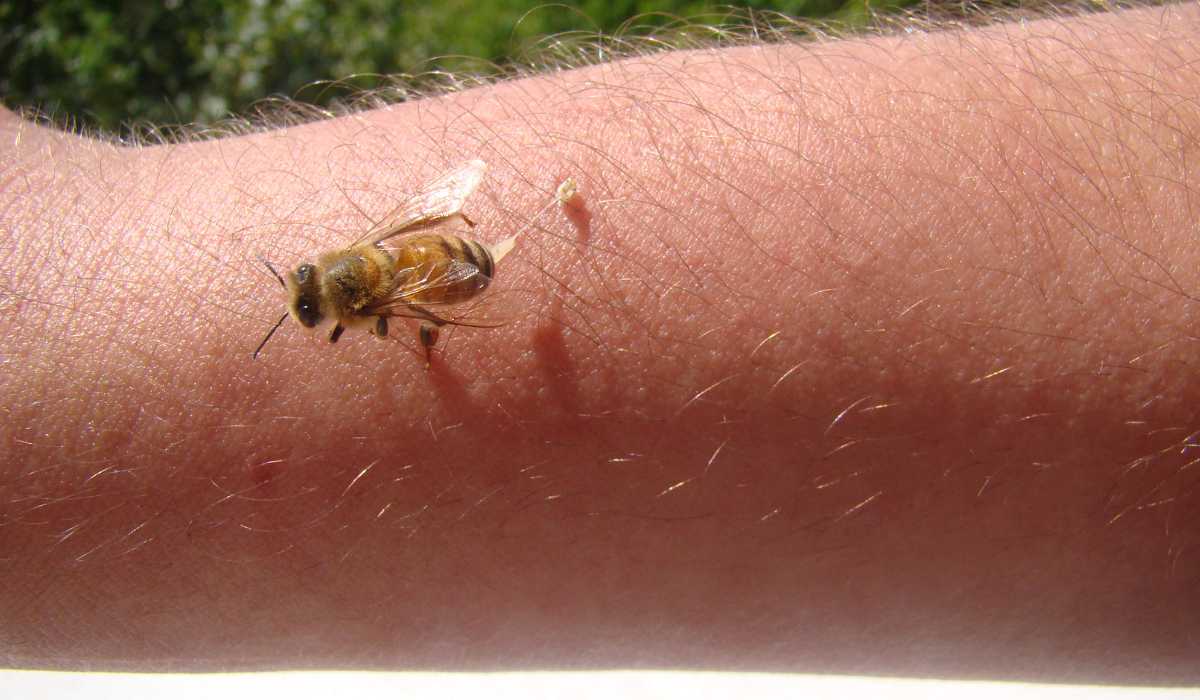
Pain intensity varies with individual sensitivity. Stings from certain species can be usually much more painful than a bee sting. Some stings rank among the most painful that people commonly encounter around the home and yard.
Among wasps, most people who have experienced both agree that red wasp stings are more painful than Guinea wasp stings. Fire ants deliver vigorous, painful stings and defend their mounds when disturbed, making them one of the most commonly encountered stinging pests around the home and yard.
Property Damage From Stinging Insects
While stinging insects are primarily a health concern, certain species can create yard-level disruptions. Fire ants construct conspicuous mounds without visible entrance holes. These mounds can appear throughout lawns and landscaped areas, making routine yard work difficult and limiting how you use outdoor spaces.
Fire ants defend their mounds with vigorous, painful stings when disturbed. This defensive behavior means mowing, gardening, or even walking near a mound can trigger a response.
Food Areas and Stinging Insect Activity
Stings occur most often when people walk barefoot in infested areas or handle the insects carelessly. Outdoor dining areas, patios near mounds, and garden paths where bare feet are common all present higher risk for accidental contact with stinging insects.
Clean the area and apply ice packs and pain relievers as needed if a sting occurs. Treat stings from fire ants and similar species like bee stings: disinfect and monitor the site.
When to Look Closer at Stinging Insect Activity
If you notice conspicuous mounds appearing in your yard or see repeated stinging insect activity near walkways, it is worth taking a closer look. Fire ants in particular build mounds in open ground, and their aggressive response to any disturbance makes them a persistent concern once they are established.
Because pain intensity varies with individual sensitivity and venom composition can be complex, repeated encounters with stinging insects around your home deserve attention from a pest control professional who can assess the situation directly.
Professional Pest Control for Stinging Insects
Fire ants and wasps are among the pests known for delivering some of the most painful stings you can encounter around your home. Because these stings can affect people differently, with some individuals being highly sensitive, managing these pests goes beyond simple nuisance control. A structured approach that combines prevention, inspection, and professional treatment gives you the best chance of reducing encounters on your property.
How to Reduce Attractants for Stinging Insects
Prevention starts with making your property less inviting to stinging pests. For wasps, according to Mississippi State University Extension, the only way to prevent large numbers of overwintering wasps in your attic or other building locations is to practice good, proactive exclusion. Sealing gaps around eaves, soffits, and vents before wasps move in limits nesting opportunities.
Fire ant management takes a different approach. Where fire ants are abundant, bait treatments applied two to three times per year, in spring, midsummer, and fall, provide maximum control. Keeping your landscape maintained and monitoring for new mound activity helps you stay ahead of infestations before stings become a concern.
Why Stinging Insect Control Starts With Inspection
Knowing what you are dealing with matters. Paper wasps, for instance, are also beneficial insects despite their reputation for painful stings. A thorough inspection helps identify which species are present and where they are nesting or building mounds. This distinction guides the right treatment approach rather than a one-size-fits-all response.
Inspection also reveals entry points wasps may be using to access wall voids or attic spaces, as well as fire ant mound locations across your yard. Identifying these sites early helps a service professional plan targeted treatment rather than reacting after stings occur.
What to Expect During Professional Stinging Insect Treatment
Professional treatment for stinging pests is tailored to the species and the scope of the problem. For fire ants, as Mississippi State University Extension notes, bait treatments applied seasonally offer the strongest level of control in landscapes where these ants are abundant. A service professional can determine the right timing and placement for your property.
For wasps, treatment focuses on addressing active nests and reinforcing exclusion measures to prevent future nesting. Wasp stings hurt, and some people are highly sensitive, so addressing nests in high-traffic areas of your home or yard is a priority during any visit.
What to Expect From a Stinging Insect Control Plan
An ongoing control plan accounts for the seasonal patterns of both fire ants and wasps. Fire ant bait applications in spring, midsummer, and fall align with peak activity periods. Wasp exclusion work is most productive before overwintering season begins, keeping populations from building up inside structures.
LaJaunie’s Pest Control serves homeowners across New Orleans, Baton Rouge, Slidell, and Thibodaux. As Texas A&M AgriLife Extension recommends, homeowners should be aware that fire ants can deliver painful stings and take appropriate precautions to manage and prevent infestations. A control plan built around your property’s specific conditions helps you stay ahead of these pests throughout the year.
Bottom Line on Dealing With Painful Stings
Painful stings from wasps, fire ants, and other insects are more than a nuisance. They can cause real discomfort, and some species deliver stings that catch homeowners off guard with their intensity. Knowing which insects around your property can sting, and understanding the difference between a brief painful reaction and something that needs closer attention, helps you make better decisions about yard work, outdoor activity, and pest management. If you are dealing with stinging insects on your property, LaJaunie’s Pest Control can help you assess the situation and put a plan in place.
Frequently Asked Questions
Which Insects Deliver the Most Painful Stings?
Several stinging insects are known for producing intense pain. Fire ants, certain wasps, and velvet ants are among the most frequently mentioned. Pain levels can vary depending on the species involved and individual sensitivity, so reactions differ from person to person.
Should I Be Concerned About Stinging Insects in My Yard?
Stinging insects deserve attention when they nest near walkways, play areas, or high-traffic zones around your home. Accidental encounters are more likely in those areas, especially when walking barefoot or working in the yard. Taking precautions and managing nests can reduce the chance of a sting.
When Should I Call a Professional About Stinging Insects?
If you notice mounds, nests, or repeated stinging insect activity near your home, a professional review can help identify what you are dealing with. Some species attack when disturbed, so attempting removal on your own may increase the risk of multiple stings.
Can I Prevent Stinging Insects from Settling on My Property?
Good exclusion practices around your home can help reduce the likelihood of certain stinging insects nesting in or near structures. Monitoring your yard for new mounds or nests and addressing them early gives you a better starting point for keeping activity manageable.