



You walk into the bathroom late at night, switch on the light, and catch a small, silvery insect darting across the floor before disappearing beneath a cabinet. A few days later, you notice tiny holes in stored papers, cardboard boxes, or book pages tucked away in a closet. In many cases, these signs point to a silverfish infestation Metairie homeowners may encounter in humid areas of the home where moisture and hiding places are readily available.
Silverfish can be difficult to spot because they stay hidden during the day and become active at night. Understanding what attracts them, where they hide, and how infestations develop can help you address the problem before it spreads. In this guide, you’ll learn the warning signs of a silverfish infestation, common causes in Metairie homes, and practical steps for reducing silverfish activity indoors.
Key Takeaways
- Silverfish can feed on household items like dry foods, paper products, and starchy materials, so early identification helps you understand what may be attracting them to your home.
- These insects are not known to bite or pose direct harm to people, but they can damage belongings over time if an infestation goes unaddressed.
- Reducing moisture and storing vulnerable items properly are practical first steps Metairie homeowners can take toward silverfish control.
- When a silverfish problem grows beyond what basic prevention can manage, professional pest control can help you address the issue with targeted treatment.
How to Deal With a Silverfish Infestation in Metairie Homes
Dealing with a silverfish infestation starts with addressing the conditions that allow these pests to survive indoors. In Metairie, high humidity levels and abundant hiding places can make homes especially attractive to silverfish. Taking a combination of prevention and control steps can help reduce activity and limit the resources these pests depend on.
Reduce Moisture Indoors
Silverfish thrive in damp environments, which is why they are often found in bathrooms, laundry rooms, under sinks, and other areas with excess moisture. Fixing plumbing leaks, improving ventilation, and using dehumidifiers in humid areas can help make your home less attractive to these pests.
It’s also important to monitor areas that may stay damp without drawing much attention. Closets, storage rooms, and attics can develop moisture issues over time, creating conditions that support silverfish activity. Addressing these problems early can help prevent populations from becoming established.
Store Food and Paper Products Properly
Silverfish feed on a variety of materials commonly found in homes, including dry foods, paper products, book bindings, cardboard, and items containing starch. Storing pantry items in sealed containers and reducing clutter can help limit available food sources.
Pay close attention to storage areas that are rarely disturbed. Boxes of old documents, books, magazines, and seasonal decorations can provide both food and shelter for silverfish. Organizing these spaces and replacing damaged cardboard containers with sealed plastic bins can help reduce infestation risks.
Seal Cracks and Hiding Areas
Silverfish spend much of their time hidden in cracks, crevices, and other protected spaces. Sealing gaps around baseboards, utility penetrations, door frames, and window frames can help reduce the number of places available for them to hide.
Regular cleaning can also make a difference. Vacuuming along baseboards, behind furniture, and inside closets helps remove food particles, shed skins, and other materials that may support silverfish activity. Combining sanitation with exclusion measures often produces better results than relying on a single approach.
Monitor Activity and Address Problem Areas
Silverfish infestations often develop gradually. Checking moisture-prone areas and storage spaces on a routine basis can help you identify activity before it spreads throughout the home. Look for signs such as shed skins, feeding damage on paper products, or small pepper-like droppings in hidden areas.
When signs of activity appear, focus on identifying the source rather than treating only the areas where silverfish are visible. Addressing moisture problems, food sources, and hiding places together is typically more effective than targeting individual insects.
Schedule Professional Treatment When Needed
Some infestations persist despite a homeowner’s best efforts. When silverfish continue appearing in multiple areas of the home, a professional inspection can help determine where activity is concentrated and what factors are allowing the infestation to continue.
Professional pest control services can identify hidden harborage, recommend corrective measures, and apply targeted treatments when appropriate. For Metairie homeowners dealing with ongoing silverfish activity, professional treatment can be an important part of a comprehensive control plan.
How to Identify a Silverfish Infestation in Metairie
Spotting a silverfish problem early starts with knowing what to look for and where to look. Metairie homeowners may notice signs of activity in areas that stay dark and undisturbed for long stretches. Understanding the pest’s appearance and the clues it leaves behind can help you act before the situation grows.
How to Tell Silverfish Apart
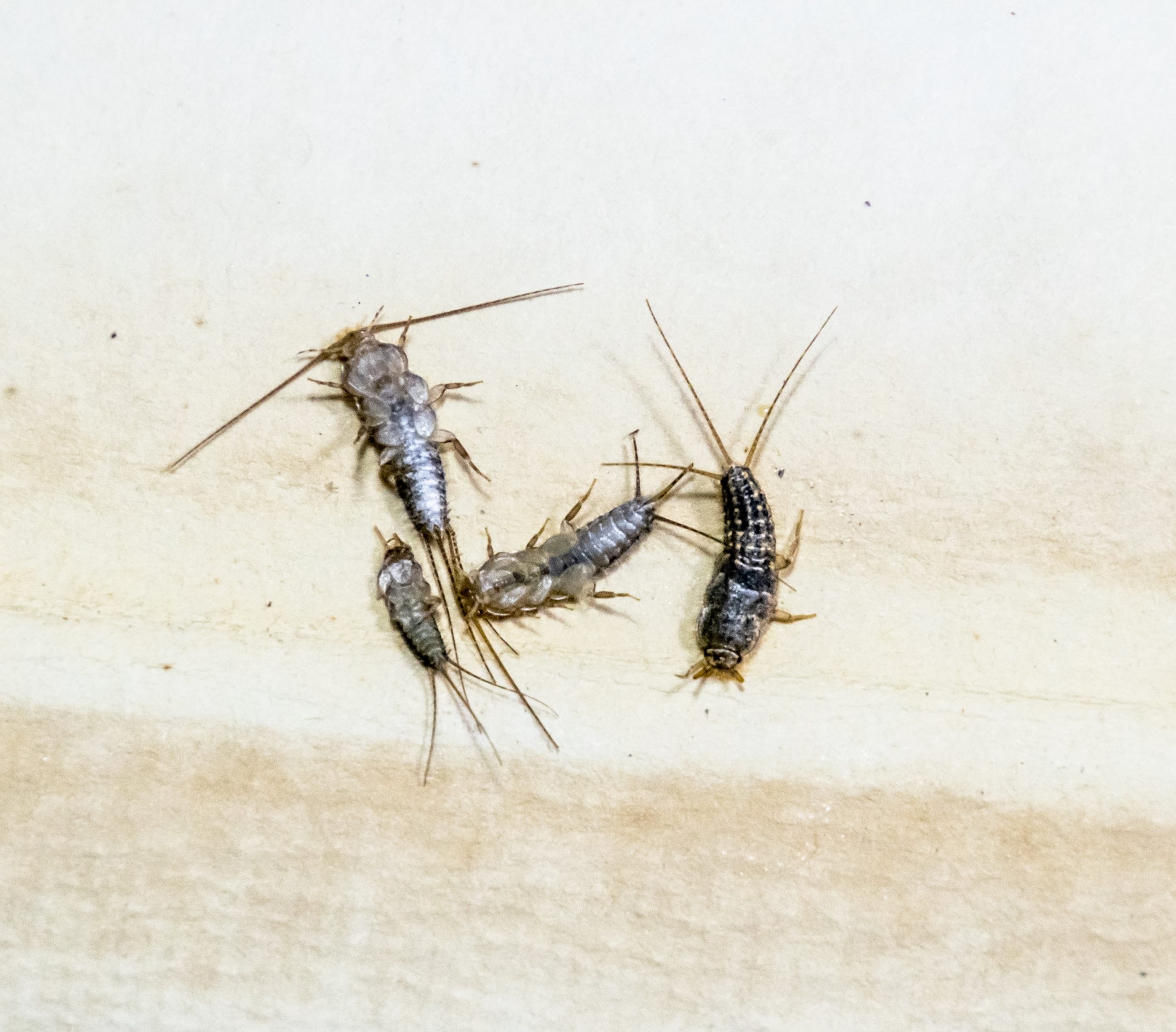
Silverfish are small, wingless insects with a tapered, carrot-shaped body and three long tail-like appendages at the rear. Their silvery, scaled exterior and quick, fish-like movement make them distinct from other household pests. When you see a tiny pest darting across a floor or wall, that combination of shape, color, and motion is the clearest identifier.
How to Spot Silverfish Activity Inside Your Home
Because silverfish are nocturnal, you may not see the insects themselves during the day. Instead, watch for indirect signs. Tiny irregular holes or surface scraping on paper goods can point to feeding activity. You may also find small pepper-like droppings in drawers, on shelves, or along baseboards.
Cast skins are another reliable indicator. Silverfish shed their outer layer throughout their lives, and these translucent husks tend to collect in corners, closets, and storage boxes. If you notice several of these signs together, activity may be well established in your home.
Where Silverfish Activity Shows Up Around Homes
Silverfish gravitate toward areas with moisture and minimal disturbance. Bathrooms, laundry rooms, and under-sink cabinets are common spots. Attics and garages with stored cardboard boxes can also harbor activity, especially when those spaces stay humid.
Closets, bookshelves, and pantry areas may show signs as well. Checking these locations regularly gives you the best chance of catching early activity before numbers grow.
Exterior Entry Points Silverfish Use
Silverfish can enter through surprisingly small gaps. Cracks around door frames, window casings, and foundation joints are typical pathways. Gaps where utility lines pass through exterior walls also provide access.
Sealing visible gaps and keeping exterior perimeters clear of debris can reduce the chances of silverfish finding their way inside.
Why Silverfish Problems Develop in Metairie
Silverfish thrive when they find the right combination of food sources and undisturbed shelter. High humidity levels throughout much of the year can make certain areas of Metairie homes especially attractive to silverfish, particularly bathrooms, laundry rooms, closets, and storage spaces.
Outdoor Nesting Areas for Silverfish
Sheltered spots near your home’s exterior can provide hiding places for silverfish. When conditions become too dry or food sources become limited outdoors, these pests may move into nearby homes in search of moisture, shelter, and food.
Food and Shelter That Attract Silverfish
According to UC IPM, silverfish prefer dry food such as cereals, flour, pasta, and pet food. They also feed on paper with glue or paste, sizing in paper, including wallpaper, book bindings, and starch in clothing. Any room where these food products sit undisturbed can become a hotspot.
Forgotten food items in closets or stored clothing can sustain an infestation. Searching throughout the home may be necessary to identify and remove food sources or store them in sealed containers.
How Silverfish Move Around Homes
Silverfish tend to follow established pathways between food sources and shelter. Because they are secretive pests, activity may spread to multiple rooms before it becomes noticeable. Reducing moisture, improving sanitation, and storing food properly can help limit their movement throughout the home.
Trails and Entry Points Silverfish Use
Silverfish can enter through small gaps around your home’s foundation, doors, and utility openings. Once inside, they can reach food products stored in kitchens, pantries, and closets. Storing food in tightly sealed containers is one practical step to reduce what attracts them to these areas.
Risks From Silverfish Infestations in Metairie
Silverfish are nuisance pests that can spread through a Metairie home before you notice them. Understanding the risks they pose helps you decide how seriously to treat the problem.
Health Risks Linked to Silverfish
Silverfish are not considered a significant carrier of human disease agents, according to UC IPM. Unlike pests such as rodents or mosquitoes, they do not transmit pathogens that threaten your household. That said, any pest population that grows unchecked can create an unwelcome living environment and general discomfort for residents.
Their presence in bedrooms, bathrooms, or storage areas can be unsettling. Large numbers of silverfish moving through personal spaces may cause stress, even though these pests do not bite or sting.
Property Damage From Silverfish
Heavy, large-scale infestations sometimes occur in attics or basements, as the Mississippi State University Extension notes. When silverfish populations reach that level, the potential for property damage grows. These pests can work through stored items over time, making attics and basements particularly vulnerable areas in your Metairie home.
Because silverfish prefer dark, undisturbed spaces, damage may go unnoticed for weeks or months. Catching activity early gives you more options for managing the problem before it spreads to additional rooms.
Silverfish Activity in Food Areas
Silverfish may occasionally appear in kitchens and pantries, especially where dry goods are stored. Keeping storage areas dry and organized reduces the appeal of those spaces to silverfish.
When to Look Closer at Silverfish Activity
A few silverfish sightings may not signal a serious issue, but repeated activity in multiple rooms suggests a larger population. Attics and basements deserve particular attention, since heavy infestations can develop in those areas. Monitoring these spaces regularly helps you gauge whether the population is growing and whether professional attention may be warranted.
Professional Pest Control for Silverfish in Metairie
When silverfish appear in your Metairie home, a professional pest control approach can reach hiding spots that DIY efforts miss. Combining prevention, inspection, and targeted treatment gives you the best chance of bringing an infestation under control.
How to Reduce Attractants for Silverfish
Reducing what draws silverfish into your living spaces is a practical first step toward control. Caulking and sealing cracks and crevices where pests can hide helps limit the areas available to them. According to Purdue Extension, sealing these entry points and hiding spots can help reduce an infestation over time.
Keeping your home’s humidity in check also matters. Fixing plumbing leaks, improving ventilation in bathrooms and attics, and using dehumidifiers can make indoor spaces less inviting. These steps support any professional pest control services you pursue later.
Why Silverfish Control Starts With Inspection
Professional pest control for silverfish infestations begins with a thorough inspection. Service professionals look for signs of activity in areas where silverfish tend to gather, checking cracks, crevices, and other sheltered spots throughout your home.
The inspection helps determine where the infestation is concentrated and how widespread it may be. This information shapes the treatment plan and allows your pest control team to focus on the right areas rather than guessing.
What to Expect During Professional Silverfish Control
Depending on the severity of the infestation, professionals may apply targeted treatments in cracks, crevices, and other hiding areas identified during the inspection. These treatments are designed to reach locations where silverfish spend most of their time.
A complete control plan from a professional pest control service typically combines the prevention steps above with ongoing monitoring. Sealing cracks and crevices, reducing moisture, and addressing active infestations work together as part of a coordinated approach.
LaJaunie’s Pest Control serves the greater New Orleans area, including Metairie, and brings experience with a wide range of household pests. Hiring a professional pest control service is recommended when pests are active in your home and structures. Ongoing attention to moisture control and sealing potential hiding spots helps support long-term results after professional treatment. Staying consistent with these habits gives your home an added layer of protection against future silverfish infestations.
Silverfish Infestations in Metairie: Bottom Line
Silverfish can feed on stored dry foods, paper goods, and starchy materials throughout your home, so catching an infestation early matters. Reducing moisture, securing food sources, and addressing hiding spots are practical first steps. When the problem goes beyond what basic cleanup can handle, a pest control professional can assess the situation and recommend a treatment plan.
If you suspect silverfish activity in your Metairie home, schedule a professional inspection with LaJaunie’s Pest Control to identify the source of the infestation and determine the most effective treatment approach for your home.
Frequently Asked Questions
What Do Silverfish Eat?
Silverfish are drawn to dry foods, paper products, and items containing starch or glue. Keeping these materials stored properly can help reduce what attracts them to your living spaces.
Are Silverfish Harmful to My Home?
Silverfish can damage paper-based items and starchy materials over time. While they are more of a nuisance than a structural threat, ongoing activity may lead to noticeable wear on belongings if left unchecked.
How Can I Prevent Silverfish Indoors?
Focus on lowering humidity, storing dry goods in sealed containers, and removing clutter that provides hiding spots. These steps can make your home less appealing to silverfish looking for food and shelter.
When Should I Call a Professional?
If you are still seeing silverfish after cleaning up food sources and reducing moisture, a professional assessment may help identify the scope of the problem and the best approach for your situation.