



A mosquito bite is usually a minor annoyance. You notice a small itchy bump, resist scratching it, and expect it to fade within a day or two. Sometimes, though, the swelling spreads well beyond the bite. The skin may feel hot, tight, sore, or unusually firm.
That kind of severe mosquito bite reaction may be skeeter syndrome. Skeeter syndrome is a strong local immune response to proteins in mosquito saliva. It can cause a large swollen mosquito bite that looks much more serious than the ordinary welts most people expect.
These reactions can be especially frustrating for families in South Louisiana. Warm temperatures, frequent rain, shaded yards, and standing water give mosquitoes plenty of places to breed and rest. Understanding skeeter syndrome can help you care for the bite, recognize warning signs, and reduce the chance of another painful reaction.
What Is Skeeter Syndrome?
Skeeter syndrome is an exaggerated inflammatory response to a mosquito bite. When a female mosquito feeds, it releases saliva into the skin. The saliva helps the mosquito draw blood, but its proteins can trigger an immune response.
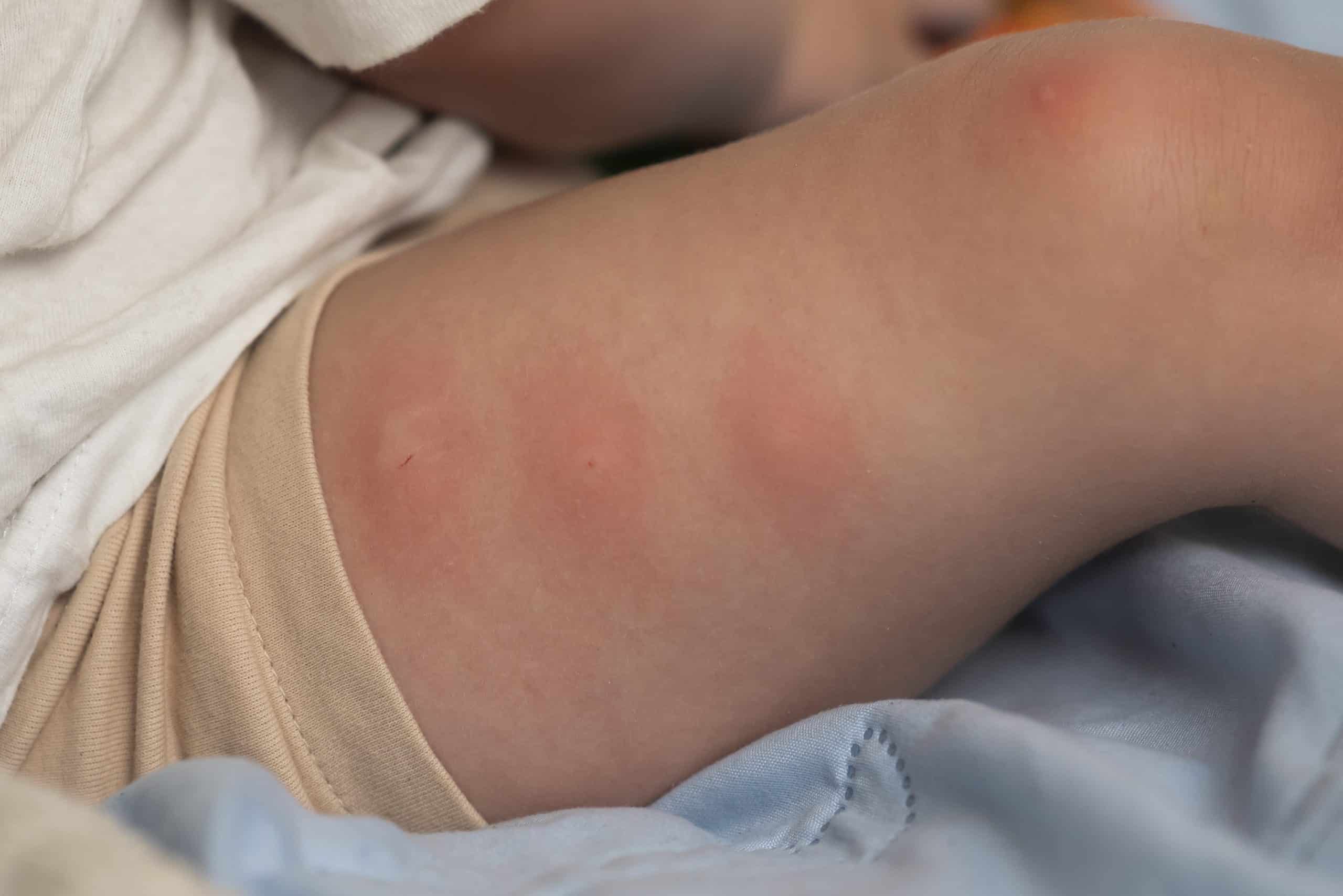
Most people develop a small bump because their bodies react mildly to those proteins. Someone with skeeter syndrome may develop redness, heat, itching, pain, and swelling across a much larger area. A blister may also form near the center of the bite.
The reaction stays near the bite, which is why doctors call it a large local reaction. It differs from a whole-body allergic reaction that may cause breathing trouble, dizziness, or widespread hives. According to the Cleveland Clinic, skeeter syndrome symptoms commonly last between three and 10 days.
| Reaction Detail | Typical Pattern |
| Onset | Often begins within several hours of the bite |
| Swelling | Can spread several inches beyond the bite |
| Skin changes | Redness, heat, firmness, itching, or tenderness |
| Other symptoms | Fever or swollen lymph nodes may occur |
| Usual duration | About three to 10 days |
| Main cause | Immune response to proteins in mosquito saliva |
What Do Skeeter Syndrome Symptoms Look Like?
Skeeter syndrome symptoms usually develop faster than a skin infection. A person may go to bed with a small bite and wake up with swelling across part of an arm, leg, hand, or foot. The area may feel warm and uncomfortable when touched.
Itching can be intense, but pain is also common. Some people describe the skin as tight or sore rather than simply itchy. Scratching can break the skin, increase irritation, and give bacteria an opening to enter.
Children may have more noticeable reactions because their immune systems have had less exposure to mosquito saliva. A bite on a child’s ankle, hand, or near the eye can appear especially swollen because those areas have less room for fluid to spread.
A low fever or swollen lymph nodes can happen with a strong local reaction. Those symptoms do not always mean the bite is infected, but they deserve careful monitoring. A doctor should evaluate symptoms that continue to worsen or do not fit the expected pattern.
Is It Skeeter Syndrome, Cellulitis, or a Normal Bite?
A swollen mosquito bite can be hard to judge by appearance alone. Skeeter syndrome, cellulitis, and ordinary mosquito bites may all cause redness and discomfort. Timing and symptom changes provide the most useful clues.
A normal bite usually stays small and improves steadily. Skeeter syndrome often becomes large within hours. Cellulitis is a bacterial skin infection that may develop after damaged skin allows bacteria to enter, and it often worsens over time instead of appearing immediately.
| Feature | Normal Mosquito Bite | Skeeter Syndrome | Cellulitis |
| Usual onset | Soon after the bite | Within hours | Often develops later |
| Size | Small, localized bump | Large area of swelling | Expanding area of redness |
| Main feeling | Itchy | Itchy, hot, tight, or sore | Painful, hot, and tender |
| Progress | Improves within a few days | May last three to 10 days | Often worsens without care |
| Fever | Uncommon | Can occur | May occur |
| Medical evaluation | Usually unnecessary | Needed if severe or unclear | Prompt evaluation recommended |
Skeeter syndrome is often mistaken for cellulitis because both can make the skin look red and swollen. One difference is that skeeter syndrome tends to appear soon after the bite. Cellulitis may spread over the following days and become increasingly painful.
Do not rely on the table as a diagnosis. Pus, drainage, red streaks, worsening fever, or rapidly increasing pain call for medical attention. A health care professional can determine whether the reaction is allergic, infectious, or caused by something else.
Who Is More Likely to Develop Skeeter Syndrome?
Children are among the people most likely to have a large local reaction to mosquito bites. Their bodies have had less time to become accustomed to the saliva proteins carried by local mosquitoes. The swelling may look dramatic even when the child otherwise feels well.
Adults who move to a new region may also react more strongly. Someone who recently arrived in Louisiana may encounter mosquito species or saliva proteins their immune system has not recognized before. Reactions can change after repeated exposure, but there is no guarantee they will become milder.
People with certain immune system conditions may experience stronger bite reactions as well. Still, one severe mosquito bite does not prove that a person has an immune disorder. Repeated reactions, fever, unusual fatigue, or other unexplained symptoms should be discussed with a doctor.
How Should You Treat a Swollen Mosquito Bite?
Begin by washing the bite gently with soap and water. Cleaning the skin helps remove dirt and lowers the chance of bacteria entering through scratches. Pat the area dry rather than rubbing it.
Apply a cool, damp cloth for about 10 to 15 minutes. Repeat as needed during the day to ease heat, itching, and discomfort. Do not place ice directly on the skin because prolonged direct contact can cause damage.
A pharmacist or doctor may recommend an oral antihistamine or a topical treatment for itching and swelling. Follow the product label and ask for medical guidance before treating a young child. Avoid combining several itch products unless a health professional confirms that they can be used together.
| Care Step | What It Helps With | What to Avoid |
| Wash with soap and water | Removes dirt and protects scratched skin | Hard scrubbing |
| Use a cool compress | Reduces heat, itching, and soreness | Ice directly on skin |
| Protect broken skin | Lowers infection risk | Picking or squeezing blisters |
| Ask about itch relief | May reduce swelling and scratching | Combining products without guidance |
| Monitor the reaction | Helps identify worsening symptoms | Ignoring spreading pain or redness |
Try to keep children from scratching the bite. Short fingernails and a clean bandage can help protect the area, especially overnight. Do not pop a blister or attempt to drain the swelling.
When Should You Call a Doctor?
Medical care is appropriate when swelling becomes severe, keeps spreading, or affects the eyes, lips, mouth, hand, or foot. These locations can become uncomfortable quickly. A doctor should also check a bite that is not beginning to improve within the expected time.
Call a health care provider if you notice pus, drainage, red streaks, worsening pain, or persistent fever. Those signs may point to a skin infection. They are not features you should manage by guessing at home.
Trouble breathing, throat tightness, fainting, dizziness, or widespread hives require emergency help. Those symptoms can signal a severe allergic reaction involving more than the area around the bite. Call 911 rather than waiting to see whether the symptoms pass.
How Can You Prevent Another Severe Reaction?
Preventing mosquito bites is the most reliable way to prevent skeeter syndrome. Wear lightweight long sleeves, pants, and socks when mosquitoes are active. Clothing offers simple protection during evenings outside, yard work, and events near wooded or damp areas.
Use an EPA-registered repellent and follow the label directions. The Environmental Protection Agency provides a search tool that compares repellents by active ingredient and estimated protection time. Parents should check age restrictions before applying any product to a child.
Keep mosquitoes outside by repairing torn screens and checking gaps around screen doors. Fans can also make patios less comfortable for mosquitoes because they are weak fliers. Place the fan so air moves across the area where people are sitting.
The Centers for Disease Control and Prevention recommends emptying and scrubbing containers that hold water at least once each week. Check flowerpot saucers, buckets, toys, tarps, birdbaths, gutters, and wheelbarrows. A shallow amount of water can support mosquito development.
Why Louisiana Yards Can Keep Producing Mosquitoes
South Louisiana gives mosquitoes a long season and many places to hide. Dense shrubs, damp soil, drainage areas, shaded patios, and thick ground cover can hold moisture even when the yard looks dry from a distance. Rainwater may also collect in places homeowners rarely inspect.
Removing standing water is still one of the best steps a homeowner can take, but it may not solve the entire problem. Adult mosquitoes rest under leaves, beneath decks, and in shaded landscaping. Mosquitoes can also move in from neighboring yards, ditches, and unmanaged land.
Professional mosquito control can address both adult activity and breeding conditions. LaJaunie’s Pest Control offers mosquito treatment. Technicians also inspect for conditions that support mosquitoes. That may include standing water, heavy shade, clogged drainage, or damp areas around landscaping. Correcting those conditions helps the service work more effectively over time.
Reducing the Risk of Severe Mosquito Bite Reactions
Skeeter syndrome can make one mosquito bite swell across a large part of the skin. The reaction may feel hot, painful, and intensely itchy for several days. Fast swelling after a bite often fits a large local reaction, while redness and pain that keep spreading may need medical evaluation.
Care for the bite by cleaning it, cooling the skin, protecting it from scratching, and watching for changes. Seek help for severe swelling, signs of infection, or symptoms involving breathing and circulation. A doctor can provide guidance when the reaction is difficult to identify.
Around the home, focus on fewer bites rather than trying to change the body’s immune response. Empty water-holding containers each week, maintain screens, use an appropriate repellent, and reduce the shaded resting areas mosquitoes favor. LaJaunie’s Pest Control can help Southeast Louisiana homeowners lower mosquito activity with scheduled treatments and property-specific recommendations.