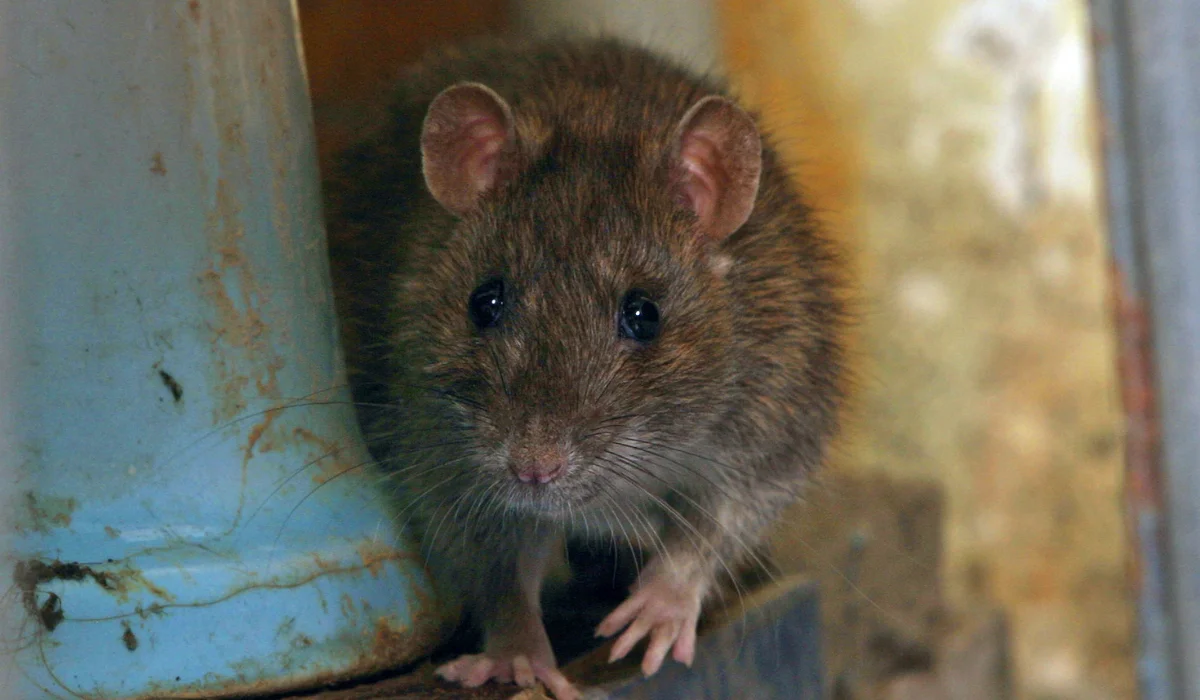





Rodent gnaw marks usually look like small, repeated grooves or rough-edged chew marks on wood, plastic, food packaging, and wire coverings. Mice tend to leave finer marks, while rats can leave wider, deeper gouges.
Knowing how to spot rodent gnaw marks Baton Rouge homes may have can help you tell recent rodent activity from ordinary damage. Fresh marks often look lighter than the surrounding surface and may have sharp edges or small shavings nearby. Older marks usually darken and become less defined as dust and dirt collect in them.
In Baton Rouge homes, gnawing often appears alongside droppings, scratching sounds, rub marks, or damaged materials in attics, kitchens, garages, and storage areas. Here’s how to recognize the damage, tell whether it looks fresh, and know when to schedule rodent control in Baton Rouge.
Key Takeaways
- Rodent gnaw marks usually appear as repeated grooves or rough chew marks on wood, food packaging, plastic, and wire coverings. Mice generally leave finer marks than rats.
- Fresh gnaw marks are often lighter and sharper than older damage. Droppings, rub marks, nesting material, or scratching sounds nearby can point to current activity.
- In Baton Rouge homes, technicians often check attics, AC lines, roof access points, storage areas, and kitchens because these areas can provide rodents with shelter, food, or moisture.
- A rodent inspection can help confirm whether the damage is active and identify the entry points rodents are using.
How to Spot Rodent Gnaw Marks
Rodent gnaw marks are one of the clearer signs that mice or rats have been moving through a building. Look for repeated grooves, rough edges, or sections where the surface appears scraped away rather than cracked naturally.
In Baton Rouge properties, technicians often find this damage in crawl spaces, attics, storage rooms, garages, kitchens, and along hidden travel routes. During attic inspections, they also look for gray rub trails caused by body oils, because those marks can help trace where rodents are moving between nesting areas and entry points.
Teeth Marks on Wood and Baseboards
Start by checking along baseboards, corners, door trim, and other edges. When rodents gnaw on wood, they leave small, repeated tooth marks. A house mouse typically leaves fine, narrow grooves, while Norway rats create wider gouges.
Check areas where you have also seen droppings or dark rub marks. Rodents often follow the same paths between food, shelter, and entry points, so several signs in one area are more useful than one isolated scratch.
Chew Marks on Food Packaging
Rodents target food packages in pantries, warehouses, and restaurant storage areas. You might see bite marks on cereal boxes, rice bags, or pet food containers. Torn cardboard with scattered mouse droppings nearby is a strong sign that rodents have been feeding in the area.
In commercial spaces, damaged packaging can lead to product loss and contamination concerns. Droppings near opened food packages are a good reason to have the area inspected.
Damage to Electrical Wires and Plastic
Rodents also chew wire coverings, appliance cords, plastic containers, PVC, and similar materials. If the outer covering of a wire is damaged or copper is exposed, avoid handling it and have the electrical damage evaluated.
In Louisiana attics, LaJaunie’s technicians also inspect AC conduits closely. Rodents may chew around these areas while seeking condensation, and the same attic may show damaged cardboard, plastic bags, clothing, or bedding used for nesting material.
Finding several of these signs together gives a technician a clearer picture of where rodents are active.
Fresh vs Old Gnaw Marks
Not every gnaw mark means rodents are still inside. The color, edges, debris, and nearby signs can help you estimate whether the damage is recent.
Baton Rouge humidity can make exposed wood darken over time, so color should not be the only clue. It is more useful to compare the mark with fresh shavings, droppings, nesting material, rub marks, or current scratching sounds.
| Comparison | What to Look For |
| Fresh gnaw marks | Lighter color, sharper edges, fresh shavings, or nearby droppings |
| Old gnaw marks | Darker surface, smoother edges, dust inside grooves, and no recent activity nearby |
| Mouse gnawing | Fine, narrow grooves and smaller damaged areas |
| Rat gnawing | Wider, deeper gouges and heavier damage |
| Rodent damage | Repeated surface grooves, rough chew marks, droppings, or rub trails nearby |
| Wood-damaging pest activity | Hollowed sections, internal galleries, small openings, or debris coming from inside the wood |
Fresh Gnaw Marks
Fresh chew marks usually appear lighter than the surrounding material. On unfinished wood, they may look pale or raw. On plastic, you may see sharp edges or small pieces of material nearby.
Fresh gnawing is more meaningful when it appears with droppings, shredded paper, nesting material, or scratching noises at night. Those signs together can indicate that rodents are still using the area.
Old Gnaw Marks
Older gnaw marks darken as dust and dirt settle into them, and the edges become less defined. You may also notice that there are no new droppings, shavings, or other signs nearby.
Even when the damage looks old, check the surrounding area for entry points. An opening that allowed rodents inside before can still provide access later.
Where to Check for Gnawing First
When you are learning how to spot rodent gnaw marks Baton Rouge homes may have, start in sheltered areas near food, water, nesting material, and exterior access points. Rodents tend to move along walls and structural edges, so the first signs may appear outside normal living spaces.
Season can influence what technicians find. Mice often move toward protected spaces when temperatures turn cooler, while rats can remain active throughout the year in south Louisiana. Heavy rain can also change outdoor shelter and food conditions, so new activity after wet weather is worth checking.
Attics and Wall Voids
Attics and wall voids give rodents shelter and access to rooflines, vents, wiring, and stored materials. Look for tooth marks on rafters, boxes, AC lines, and other items that have been left undisturbed.
During attic inspections, technicians also look for gray running trails caused by oils from rodents’ bodies. Those trails can lead toward openings that were not obvious during an exterior inspection. Dropping size, chewing damage, nesting material, and odor can provide more clues about the type and level of activity.
Kitchens and Breakrooms
Kitchens are common places to find rodent activity because food and water are nearby. Check behind appliances, inside lower cabinets, under sinks, and along baseboards for gnaw marks or droppings.
Food stored in cardboard or thin plastic is easier for rodents to damage. Move dry goods and pet food into sturdy sealed containers when possible.
Garages and Storage Areas
Garages, sheds, and storage rooms often have less foot traffic, making them easier places for rodents to move and nest without being noticed.
Inspect cardboard boxes, pet food containers, stored fabrics, and the lower edges of walls. Gnawing combined with droppings or rub marks deserves a closer inspection.
Gnaw Marks vs Everyday Wear and Tear
Rodents do not cause every scratch, chip, or damaged section of wood. The pattern of the damage and the signs around it can help you tell the difference.
Pet Damage
Dogs may leave bite marks on furniture legs, but these marks are usually larger and more irregular than rodent gnawing. Cats are more likely to leave scratches rather than repeated tooth grooves.
Rodent gnaw marks are usually smaller and more consistent. Droppings, rub marks, or nesting material nearby can help confirm that rodents are responsible.
Normal Aging and Settling
Baton Rouge humidity can cause wood trim and baseboards to swell, shrink, crack, or separate over time. These changes usually follow the grain of the wood rather than forming the short, repeated grooves associated with rodent teeth.
Humidity can also darken exposed wood, which makes fresh-versus-old comparisons harder. Check for several signs together instead of judging the age of damage by color alone.
Damage From Wood-Damaging Pests
Termites and carpenter ants damage wood differently from rodents. Instead of leaving repeated surface gouges, they may create hollow sections, internal galleries, openings, or debris associated with activity inside the wood. If you cannot tell what caused the damage, an inspection can identify the source before you decide what to do next.
Understanding the type of rodent or pest involved helps determine the right exclusion plan.
What Rodent Gnaw Marks Can Tell You About Activity
The location of the damage can give you clues about what rodents are doing. Gnawing around food packages points toward feeding activity, while damage around attics, rooflines, vents, fascia, or utility lines may help identify travel routes or entry areas.
Technicians do not identify an infestation from chew marks alone. Dropping size, gray runways, nesting material, noises, and exterior openings all help build a clearer picture. That is especially useful when most of the activity is happening inside an attic or wall void where you cannot see it directly.
If you find rodent droppings or nesting material while checking gnaw marks, avoid sweeping or vacuuming the material dry. The Centers for Disease Control and Prevention (CDC) provides specific guidance for safely cleaning areas contaminated by rodents in its rodent cleanup recommendations.
Schedule a Rodent Inspection in Baton Rouge
If you have spotted fresh gnaw marks, droppings, scratching sounds, or other signs of rodent activity, an inspection can help confirm what is happening. A technician can check exterior entry points, attic areas, storage spaces, and damaged materials to determine where rodents are moving.
LaJaunie’s Pest Control technicians inspect the exterior for openings and use indoor evidence such as droppings, runways, chewing damage, and nesting material to guide the inspection. When exclusion work is needed, the plan can address openings around fascia, roof vents, utility access points, and other areas rodents may use.
Whether you own a home or business in Baton Rouge, catching current activity early can help limit further damage. Contact us today to schedule a rodent inspection and find out what is causing the gnaw marks.
Spotting Rodent Gnaw Marks: FAQs
What do rodent gnaw marks look like?
Rodent gnaw marks usually look like small, repeated grooves or rough-edged chew marks on wood, plastic, food packaging, or wire coverings. Mice tend to leave finer grooves, while rats leave wider, deeper marks. Fresh damage may also have sharp edges or small shavings nearby.
Are gnaw marks dangerous?
The marks themselves are not usually the main concern, but fresh gnawing can signal active rodents. Rodents can contaminate food and surfaces with droppings or urine, and chewing on wire coverings can create an electrical hazard. Avoid handling exposed wiring and follow safe cleanup guidance around droppings.
Are gnaw marks a sign of an active rodent infestation?
Yes. Fresh gnaw marks look lighter and sharper, and often accompany rodent droppings, nesting materials, or scratching noises. Older marks are darker and worn. A professional pest control inspection confirms if the rodent infestation is active.
How big are rat gnaw marks?
Rat gnaw marks are usually wider and deeper than mouse gnaw marks because rats have larger teeth. Exact size varies with the animal and the material being chewed, so technicians also compare droppings, runways, location, and other evidence before identifying the rodent.
How can you tell if rodent gnaw marks are fresh?
Fresh gnaw marks often look lighter and sharper than older damage and may have new shavings nearby. Older marks tend to darken and become smoother. In Baton Rouge humidity, color alone is not enough, so check for fresh droppings, nesting material, rub marks, or scratching sounds.
Where should you look for gnaw marks in a Baton Rouge home?
Check baseboards, lower cabinets, pantries, garages, stored boxes, attics, wire runs, AC lines, and areas near roof or utility openings. Rodents often travel along walls and sheltered edges, so these areas may show damage before you notice activity in open rooms.