



If you searched for “flea season Louisiana,” you were probably hoping to find a clear start month and end month. Fleas don’t follow that kind of schedule here. Louisiana’s long periods of warm weather and high humidity can support flea activity for much of the year, while heated homes allow an indoor flea infestation to continue even when outdoor temperatures fall.
That matters because the adult fleas you see on a dog, cat, carpet, or sofa are only one part of the problem. Flea eggs, larvae, and pupae can already be developing in pet bedding, rugs, furniture, floor edges, and sheltered parts of the yard.
For homeowners across South Louisiana, understanding when fleas become active is useful. Knowing why they keep coming back is even more useful.
When Is Flea Season in Louisiana?
Flea season in Louisiana is better viewed as a long period of increased flea pressure than a fixed group of months. Fleas respond to warmth, moisture, available animal hosts, and protected places where their immature stages can develop.
Spring usually brings more favorable conditions as temperatures rise. Summer combines heat, humidity, active pets, and plenty of wildlife movement. Mild fall weather can keep flea activity going well after the hottest part of the year.
| Time of Year | What You May Notice in Louisiana |
| Spring | Flea activity increases as temperatures rise and animals spend more time outdoors. |
| Summer | Warm, humid weather can support high flea pressure in shaded and protected areas. |
| Fall | Fleas may remain active while Louisiana temperatures stay mild. |
| Winter | Outdoor activity can decline, but fleas may continue living and developing inside homes. |
The Companion Animal Parasite Council’s flea guidelines recommend year-round flea control for dogs and cats rather than limiting prevention to summer. That recommendation is especially relevant in a mild climate where warm spells can occur outside the traditional summer season.
Can Fleas Survive a Louisiana Winter?
They can, especially inside. Your living room, bedroom, or pet sleeping area stays much warmer than the yard during a cold spell, and adult fleas can continue feeding when they have access to a pet.
Winter weather can reduce flea pressure outdoors without eliminating an existing infestation inside your house. Stopping flea prevention simply because temperatures drop may leave pets exposed when conditions become favorable again.
Why Can a Flea Infestation Grow So Quickly?
A flea infestation often looks as though it appeared overnight. In reality, the insects may have been developing around your home for days or weeks before enough adults emerged for you to notice them.
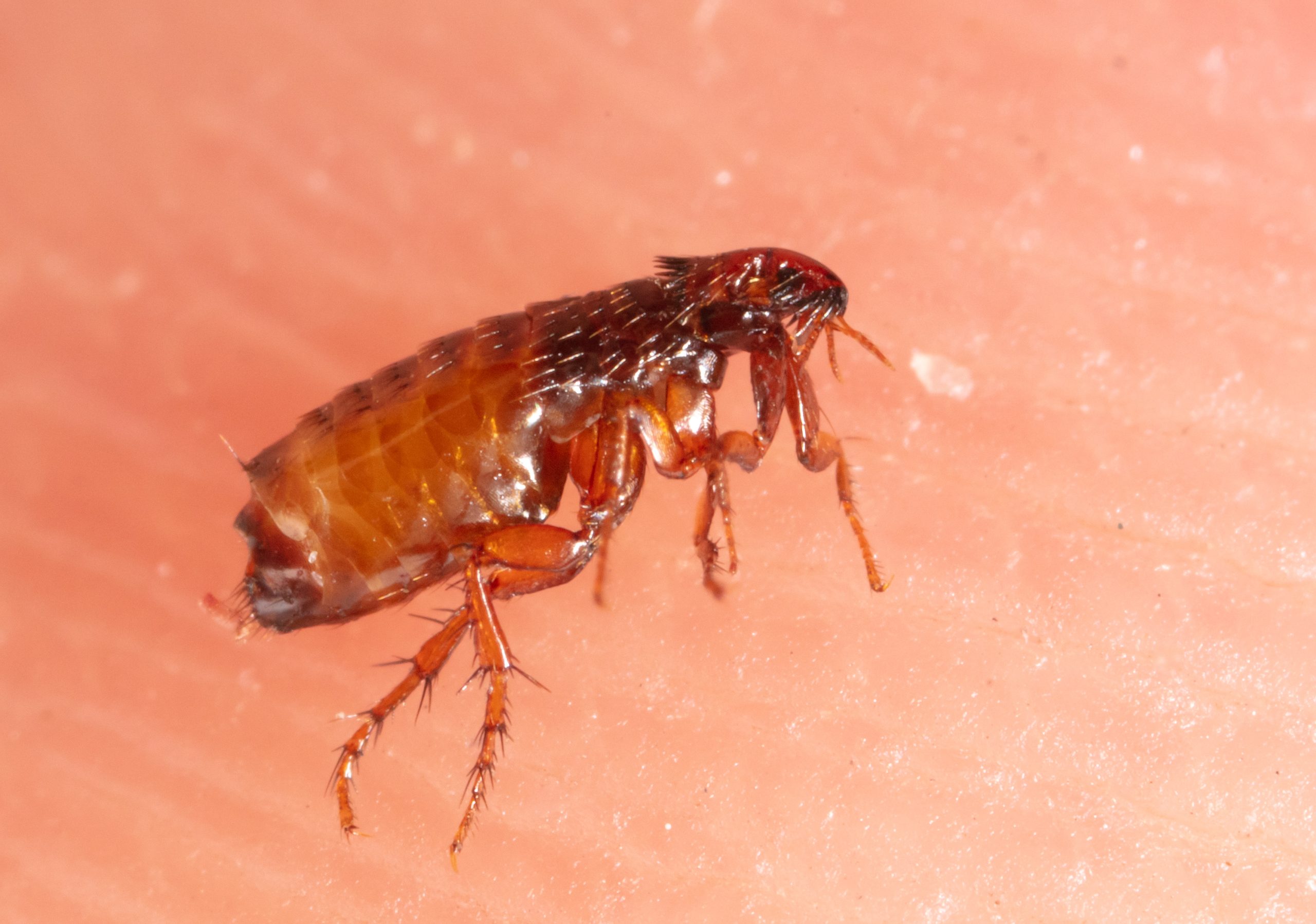
Fleas develop through four stages: egg, larva, pupa, and adult. Adult females live on an animal and take blood meals, but their eggs can fall from the host as the animal walks through the house, sleeps in its bed, or jumps onto furniture.
What Happens During the Flea Life Cycle?
The University of Maryland Extension reports that flea eggs can hatch in one to 12 days, depending on the conditions. The same resource explains that the cat flea is the flea most commonly associated with cats and dogs in North America, despite its name.
| Flea Stage | Where You May Find It | Why It Matters |
| Egg | Pet bedding, rugs, floors, furniture | Eggs fall from an animal and spread through the areas it uses. |
| Larva | Carpet fibers, cracks, floor edges, sheltered areas | Larvae avoid bright light and develop away from the host. |
| Pupa | Carpet, floor gaps, bedding, protected outdoor spots | A cocoon protects the developing flea before the adult emerges. |
| Adult | Dogs, cats, wildlife, and other hosts | Adults feed on blood and begin producing another generation. |
The pupal stage helps explain one of the most frustrating flea problems. You may treat your pets, clean the floors, and see far fewer fleas, only to notice adults again several days later.
Those fleas may not represent a brand-new infestation. They can be adults emerging from cocoons that were already present before you started flea treatment. What matters is whether activity continues to decline as you keep treating pets and cleaning the environment.
Where Do Fleas Hide in Your Home and Yard?
Fleas are rarely distributed evenly through a property. The most useful place to start looking is wherever your pets or other animals spend the most time.
A dog that naps beside one couch every afternoon can create a more concentrated flea hotspot there than in a room it rarely enters. Outside, a shaded spot beneath a porch may matter much more than an open section of lawn exposed to Louisiana sun.
Common Indoor Flea Hotspots
Pet bedding, rugs, carpets, sofas, upholstered chairs, and cat trees deserve close attention during flea season. Eggs can fall into these areas each time an infested animal rests there.
Don’t stop with the surfaces you normally vacuum. Check under beds, around baseboards, beneath furniture, and along quiet floor edges. Flea larvae prefer protected areas away from strong light, so overlooked spaces can matter.
Where Fleas Live in the Yard
Outdoor fleas tend to do better in protected areas than on dry, exposed ground. Check beneath decks and porches, around dog houses, under shrubs, near crawl spaces, and in shaded resting areas used by pets.
Wildlife can also keep introducing fleas into a yard. Rodents, opossums, stray cats, and other mammals can carry adult fleas across a property even when your own pets receive regular flea prevention.
How Do You Know If You Have Fleas?
Seeing an adult flea jump from a pet, carpet, or piece of furniture is the clearest sign. Other symptoms can point you in the right direction, but they don’t prove fleas are responsible.
A dog or cat may start scratching, biting at its coat, or grooming more than usual. You may also notice small dark particles known as flea dirt in the animal’s fur or bedding.
| Sign | What to Do Next |
| Frequent scratching or chewing | Examine your pet’s coat and contact your veterinarian if irritation continues. |
| Dark specks in fur or bedding | Look for adult fleas and check whether the specks resemble flea dirt. |
| Fleas jumping from carpeting | Inspect nearby pet resting areas and upholstered furniture. |
| Bites around ankles or legs | Check for actual flea evidence instead of identifying the pest from bites alone. |
| Fleas return after pet treatment | Inspect the home and yard for immature flea stages and recurring sources. |
| Several pets are affected | Check all pet sleeping and resting areas, not just one room. |
The Centers for Disease Control and Prevention (CDC) explains that infected fleas can transmit certain germs to people through their bites or through contact with flea feces. The specific disease risk depends on the flea, location, and circumstances, so there is no reason to treat every flea bite as a medical emergency.
For pets, persistent scratching deserves attention because flea bites can cause significant skin irritation in sensitive animals. Contact your veterinarian if your dog or cat develops hair loss, raw skin, weakness, or another symptom that concerns you.
How Can You Prevent Fleas During Louisiana Flea Season?
Flea prevention works best when you deal with the host and the environment together. Treating a pet while ignoring a heavily infested sleeping area can leave flea eggs and immature stages behind. Cleaning the house while leaving pets unprotected creates the opposite problem.
Talk with your veterinarian about an appropriate flea prevention plan for every dog or cat in the household. Then focus your cleaning on places the animals actually use, including rugs, carpets, pet beds, upholstery, floor edges, and spaces under furniture.
How Does Vacuuming Help With Flea Control?
Vacuuming removes flea material from carpets and other areas where immature fleas develop. It also helps you track whether the infestation is improving because you can see whether adult flea activity continues in the same locations.
During an active flea infestation, clean repeatedly rather than relying on one large cleanup. Wash pet bedding according to its care instructions and keep checking the spots where your animals spend the most time.
Do You Need Outdoor Flea Treatment?
Not every flea problem requires treating an entire yard. Outdoor flea control makes more sense when pets repeatedly pick up fleas outside or you find activity around shaded animal resting spots, kennels, porches, decks, or crawl spaces.
Keep grass maintained and reduce debris or shelter where animals regularly rest near the home. When rodents or nuisance wildlife are part of the problem, dealing with those animals may also be necessary to stop fleas from being introduced again.
Getting Flea Season Under Control in Your Louisiana Home
An effective flea plan has to account for more than the adults jumping on your pet. The flea life cycle can continue in bedding, flooring, furniture, and sheltered outdoor areas, while pets and wildlife provide the hosts adult fleas need. That is why recurring infestations often require attention to several parts of the property at the same time.
Professional flea control makes sense when fleas continue returning after consistent pet care and cleaning, when several rooms have activity, or when your pets keep picking up fleas outdoors. A trained technician can inspect the areas where animals spend time and determine whether the main source is inside, outside, or both.
LaJaunie’s Pest Control provides indoor, outdoor, and combined flea treatments based on the conditions found at your property. Outdoor service can cover up to half an acre as part of the standard flea process, and treatment includes a two-week follow-up to address continuing flea activity as immature stages develop. If flea season in Louisiana has become an ongoing problem around your home, contact LaJaunie’s Pest Control to have the source inspected and build a flea control plan around what is actually happening on your property.