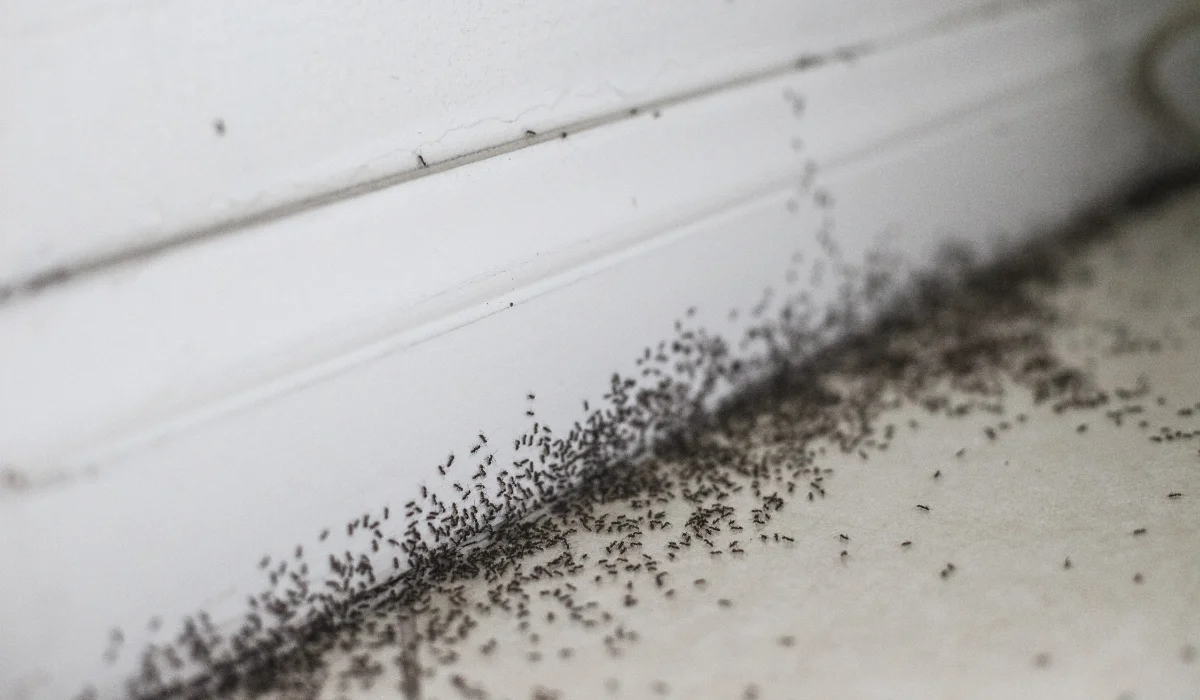
Sugar ants in Louisiana are small, sweet-seeking ants that can enter homes through tiny gaps around doors, windows, and plumbing. The name covers several ant species, so getting rid of them starts with understanding their behavior rather than spraying every ant you see.
Maybe you’ve wiped down the kitchen before bed, only to find ants marching toward the sugar bowl the next morning. Louisiana’s warm climate, combined with easy access to food and moisture, can keep these visitors coming back. Knowing where they enter, what attracts them, and when to seek professional help can make a real difference.
Key Takeaways
- Sugar ants aren’t one species. Several types of ants seek sweets, and Louisiana’s warm, humid conditions can support their activity through much of the year.
- Food, water, and entry points keep ants coming back. Cleaning sticky spills, fixing leaks, and sealing gaps can reduce activity around your kitchen.
- Spraying visible ants may not solve the problem. Certain species can establish additional nests through colony budding, making proper identification and targeted treatment important.
What Are Sugar Ants in Louisiana?
“Sugar ants” is a nickname homeowners use for small ants that gather around sweet foods. In Louisiana, the term may describe odorous house ants, Argentine ants, ghost ants, or other species with similar feeding habits.
These ants don’t necessarily live in the same places. Some nest beneath mulch, stones, or soil outdoors, while others settle into protected spaces around buildings. That difference matters when you’re trying to figure out where the ants in your kitchen came from.
The University of California Integrated Pest Management Program (UC IPM) notes that different ant species respond differently to control methods, including the types of bait they accept. Identifying the species and tracing its nesting location can help homeowners choose a more effective approach instead of treating every ant problem the same way.
Why Do Sugar Ants Love Sweets?
Worker ants collect carbohydrates for energy. A drop of sweet tea, sticky syrup bottle, or bit of fruit left on the counter can give them something worth carrying back to the colony.
When a worker discovers food, it may leave a scent trail that guides other ants to the same spot. That’s how a few ants near the coffee maker can become a steady line moving across your backsplash.
Sugar isn’t the only food source for ants, either. Many species also collect proteins and fats, particularly when their colonies are raising young. Crumbs beneath the stove, greasy residue, and leftover pet food can attract ants even when your sugar stays sealed.
Why Louisiana’s Climate Keeps Ants Active
Louisiana’s long stretches of warm weather give many ant species favorable conditions for searching for food. Activity often increases during warmer periods, while cooler temperatures can slow workers living outdoors.
Around Houma, Thibodaux, and New Orleans, mild winters mean ant activity isn’t always limited to summer. Sheltered nests and heated homes can also support activity during cooler weather.
Heavy rain brings another complication. Saturated soil may cause some colonies to seek drier nesting areas, while standing water near a foundation can create conditions attractive to moisture-seeking ants.
Where Sugar Ants Enter Louisiana Kitchens
Ants can squeeze through openings you might overlook during everyday cleaning. Gaps around windows, worn door seals, and spaces where plumbing pipes enter walls are common routes into Louisiana homes.
Once inside, workers often follow cabinet edges, baseboards, and other sheltered paths. If you notice a trail, watch where it leads before wiping it away. You may discover ants disappearing beneath a windowsill or into a narrow opening behind the sink.
Common Kitchen Entry Points
Start with the areas closest to active trails. You don’t need to take apart your cabinets or appliances to identify many common access points.
| Location | What to Look For | What You Can Do |
| Under the sink | Gaps around drainpipes and water lines | Seal accessible openings and repair leaks. |
| Windows | Damaged caulking and spaces around frames | Repair seals and damaged screens. |
| Exterior doors | Worn weatherstripping and open thresholds | Replace loose or damaged door sweeps. |
| Cabinets and baseboards | Small openings where ants disappear | Trace the route and seal suitable gaps. |
| Exterior walls | Foundation cracks and plants touching siding | Repair openings and trim vegetation. |
Why the Same Ant Trails Keep Returning
Ants often revisit places where they’ve found food before. Removing the workers on your countertop doesn’t necessarily stop others from following the established route.
If you keep finding ants near the pantry, check the nearest wall, window, or plumbing opening. Their nest may be outdoors, even when most of the activity you notice happens inside.
Tracing the trail gives you a better starting point for prevention. Sealing an entry point can help, but a colony may find another opening if your kitchen still offers accessible food or water.
Why Spraying Sugar Ants Can Make Control Harder
Seeing ants crawling across your counter makes a quick spray tempting. It may kill exposed workers, but those ants represent only part of an established colony.
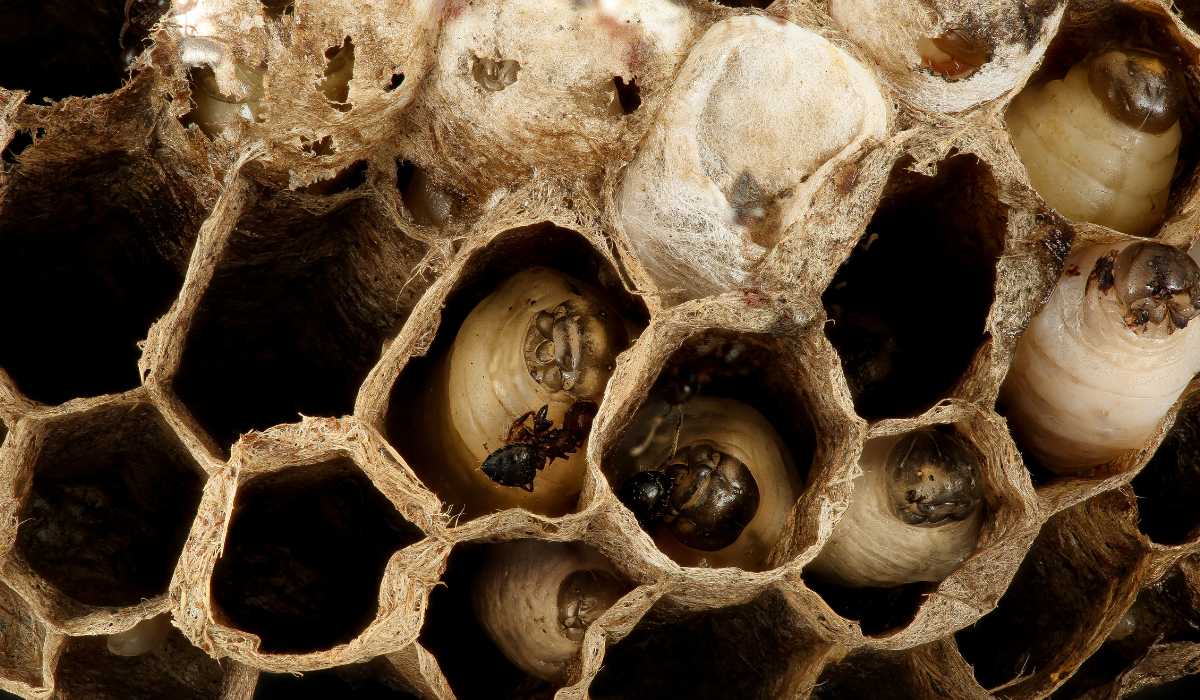
Queens, developing young, and other workers may remain safely inside a nest. If the colony still has access to your home, new workers can take the place of those you removed.
How Colony Budding Complicates Treatment
Certain ants, including Argentine ants, can maintain colonies with multiple queens and nesting locations. These colonies may form additional nesting groups through a process called budding.
Disturbance and poorly chosen treatments can complicate control of these species. Workers and queens may relocate, while connected nesting groups continue operating in other areas.
However, spraying doesn’t automatically split a colony, and not every species responds the same way. The concern is that scattered treatments may disrupt visible activity without reaching the source.
Why Ant Baits Work Differently
Suitable ant baits attract foraging workers, which may carry or share bait with other colony members. This approach can reach ants that never appear on your counter.
Bait selection depends on the species, its food preferences, and the conditions around the nest. A bait that attracts one type of ant may be ignored by another.
Spraying around bait stations can also interfere with feeding. If you’ve already placed bait, follow the product directions and avoid adding other treatments that could disrupt the process.
How to Keep Sugar Ants Out of Your Louisiana Home
Preventing sugar ants starts with removing what brings them indoors. Food residue, moisture, and accessible openings are practical places to focus your attention.
The U.S. Environmental Protection Agency’s Integrated Pest Management Principles describe four core steps: setting action thresholds, monitoring and identifying pests, prevention, and control. For homeowners, that means identifying the problem and reducing favorable conditions before choosing additional treatments.
Remove Food Sources Around the Kitchen
Even a clean-looking counter can have enough residue to attract foraging ants. Check beneath the toaster, around the trash can, behind small appliances, and along cabinet edges where crumbs collect.
Keep sugar, cereal, baking supplies, and other pantry foods in tightly sealed containers. Wash sticky bottles before putting them away, and clean spills before the residue dries.
Pay attention to pet feeding areas as well. Remove uneaten food when appropriate and clean bowls regularly so ants have fewer opportunities to find a meal.
Fix Leaks and Reduce Moisture
A slowly dripping pipe beneath the kitchen sink can provide water even when your counters are spotless. Look for damp cabinet floors, loose plumbing connections, and condensation around appliances.
Outside, clear clogged gutters and correct drainage problems that leave water collecting near your foundation. Damp mulch or debris against exterior walls may also provide shelter for certain ants.
Seal Openings and Watch for New Activity
Repair worn weatherstripping and close accessible gaps around windows, doors, and plumbing. Trim shrubs or branches that touch your siding and create routes toward the house.
After making these changes, pay attention to where ants reappear. A returning trail near the same cabinet may point to an opening you missed, while activity in several rooms could mean the colony has multiple access routes.
These habits can make your home less attractive to ants, but they won’t always eliminate an established colony. Persistent activity calls for a closer look at the species and its nesting location.
When to Call for Sugar Ant Control in Louisiana
An occasional ant near an open window isn’t always a reason to schedule treatment. However, trails that keep returning after cleaning, ants appearing in multiple rooms, or workers emerging from cabinets and wall gaps suggest the source may be difficult to reach. If household sprays or baits haven’t resolved the activity, continuing to experiment with treatments can make the problem harder to manage.
LaJaunie’s Pest Control helps Louisiana homeowners move beyond treating individual ants, through professional ant control. Our trained technicians inspect areas around foundations, windows, doors, and other access points to identify pest activity and recommend appropriate treatment.
Keeping sugar ants in Louisiana out of your kitchen takes more than wiping down the counter. Cleaning, moisture control, and sealing openings reduce what attracts them, while professional treatment can address persistent colonies. If ants keep finding their way inside, contact LaJaunie’s Pest Control to schedule service and get help addressing the problem at its source.
Sugar Ants in Louisiana: FAQs
Are sugar ants in Louisiana dangerous?
Most ants homeowners call sugar ants are primarily a nuisance. They can get into food and travel across kitchen surfaces, but their behavior and potential risks depend on the species.
Don’t assume an ant is harmless based on its size or attraction to sweets. If you’re unsure what type you’re seeing, professional identification can help.
Why do sugar ants keep coming back after I clean?
Cleaning removes food residue and can disrupt scent trails, but it doesn’t eliminate a colony nesting outdoors or inside a building. Ants may return through the same opening or find another route to your kitchen. Check for overlooked crumbs, plumbing leaks, and gaps around doors or windows if activity continues.
Can spraying sugar ants make an infestation worse?
Spraying can kill visible workers without reaching the colony. With certain multi-queen species, disturbance and unsuitable treatments may complicate control or encourage relocation. That doesn’t mean every spray causes colony splitting. Proper identification and carefully selected treatment are more reliable than repeatedly spraying wherever ants appear.
Do sugar ants go away during the winter in Louisiana?
Some ants become less active outdoors as temperatures drop, but Louisiana’s relatively mild winters can allow activity to continue during warmer periods. Ants nesting in heated buildings or other sheltered locations may remain active even when it’s cooler outside. Their behavior depends on the species and nesting conditions.
What is the best way to get rid of sugar ants in the kitchen?
Start by removing food residue, fixing leaks, and identifying where the ants enter. Clean active trails and seal accessible gaps after checking their routes. If ants continue returning, species-specific baiting or professional treatment may be necessary. The right approach depends on where the colony lives and how its workers forage.