




Scratching in the attic, small droppings in the pantry, or fresh gnaw marks can leave you wondering what has moved into your home. Knowing the types of rodents in Laplace, LA helps you compare the animal’s size, droppings, nesting area, and entry points before the problem spreads.
Laplace gives rats and mice plenty of places to find food, water, and shelter. Homes around Belle Terre, Woodland Estates, River Road, drainage canals, and neighborhoods near the Mississippi River levee system can all experience rodent activity because water, vegetation, crawl spaces, and roof openings create useful travel and nesting areas.
The main types of rodents in Laplace, LA that homeowners find indoors are Norway rats, roof rats, and house mice. Start with the quick identification guide below, then compare the signs and nesting habits for each one.
Rodents in LaPlace homes
The rats and mice LaPlace homeowners run into most, and what each one does indoors.
Key Takeaways
- House mice, Norway rats, and roof rats are the rodents Laplace homeowners most often deal with indoors. Each tends to use different nesting and travel areas.
- Norway rats stay closer to the ground, while roof rats are strong climbers that often reach attics and rooflines. House mice can settle into small wall voids, cabinets, garages, and storage areas.
- Belle Terre, Woodland Estates, local drainage canals, and properties closer to the Mississippi River levee system have nearby water and shelter that can support rodent activity.
- Spring rain and humidity can disturb outdoor nesting areas, while cooler fall weather can push rats and mice toward sheltered areas around homes.
House Mice: Small Pests With Big Problems
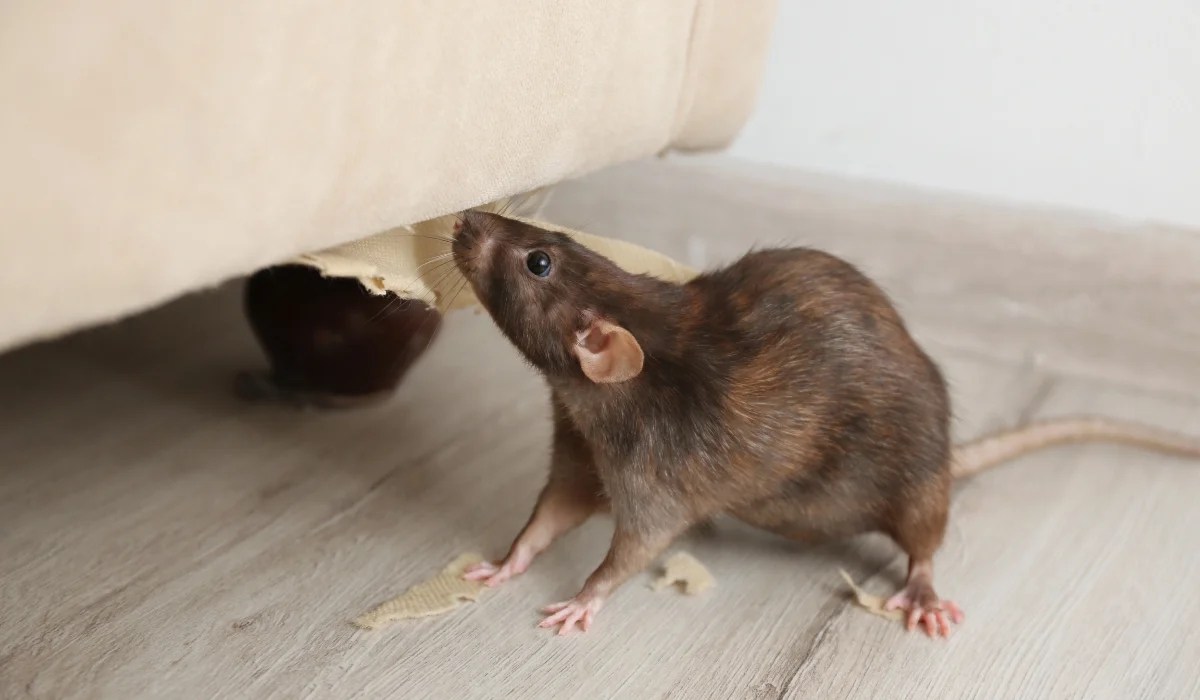
The house mouse is one of the most common rodents found in Laplace homes. They are about 2.5 to 4 inches long, with large ears, a pointed nose, and a thin tail. They often nest in walls, storage closets, garages, cabinets, and other protected spaces near food.
You may find rice-sized droppings, shredded nesting material, or faint scratching at night. House mice eat crumbs, seeds, grains, and pet food left within reach. Because they can use very small openings, activity may continue until you find and seal the access point.
If you are trying to get rid of mice in your walls, focus on sealing cracks and keeping food in sealed containers. For a persistent infestation, professional rodent control services in Laplace, LA can help identify where mice are entering and nesting.
Norway Rats: The Burrowing Invaders

Norway rats, also called brown rats or common rats, are larger rodents that prefer to stay close to the ground. They have thick bodies (measuring 7 to 9 inches in body length), small ears, and blunt noses, and they often burrow beneath foundations, decks, debris piles, and other protected areas.
That behavior matters in Laplace because many neighborhoods sit close to drainage canals, ditches, and other waterways. Properties around Belle Terre and Woodland Estates, as well as homes closer to River Road and the Mississippi River levee system, can have the ground-level moisture, cover, and travel routes that rats use.
Norway rats often enter through gaps around utility lines, open crawl spaces, damaged vents, or other lower openings. Their droppings are larger than mouse droppings, about ¾ inch long,and are often capsule-shaped. Fresh burrows around a foundation, deck, shed, or debris pile can also point toward Norway rat activity.
Roof Rats: The Climbers of Laplace
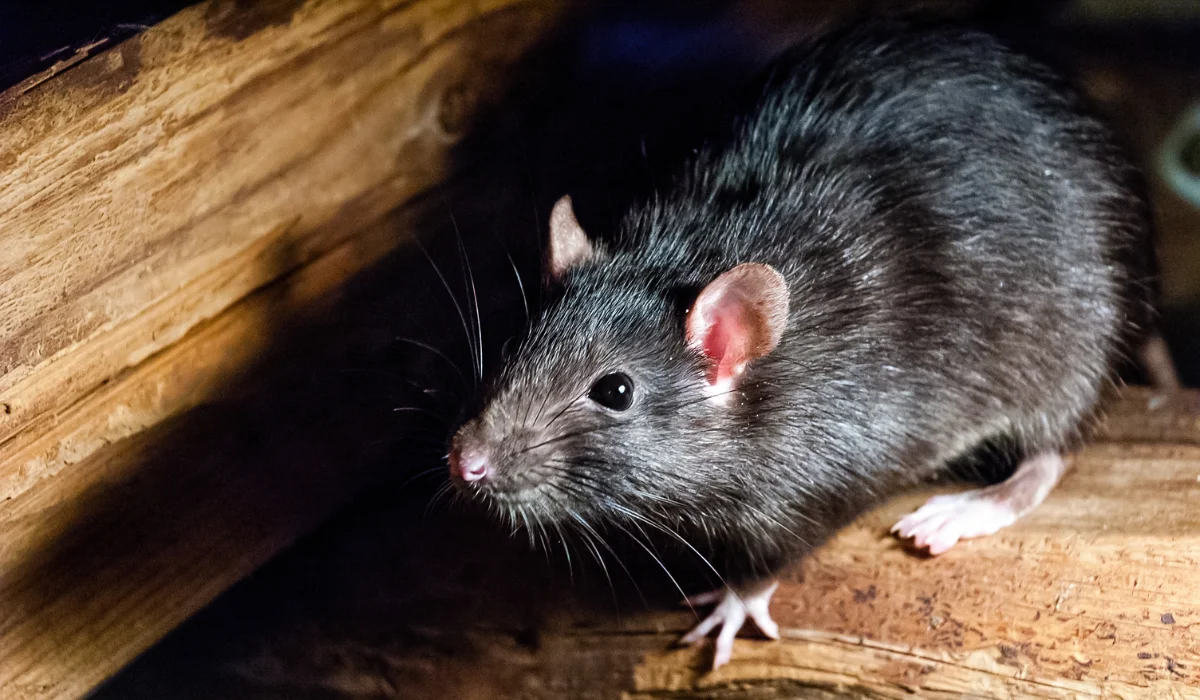
Unlike Norway rats, roof rats are agile climbers that often reach homes from above. They have slender bodies, long tails, and large eyes, and they commonly use attics, rafters, garages, and upper storage areas as hiding places.
At night, you may hear movement overhead or along the roofline. If you are unsure how to know if you have a rat nest in your attic, look for shredded insulation, droppings, gnaw marks, and repeated travel paths in quiet areas.
Mature trees can make roof access easier when branches touch or overhang the house. Roof rats may also use gaps around fascia, soffits, vents, and roof edges. If you hear rodent activity overhead, the location of the signs can help distinguish a roof rat problem from ground-level Norway rat activity.
What Location Says About Rat Identification
Where the evidence appears can help narrow down the rodent. During rodent inspections, LaJaunie’s inspectors look for droppings, gnawing, nesting material, odors, and travel marks, then trace those signs toward possible entry points. Attic inspections can also reveal discolored runways along frequently used routes or damage around stored materials and AC components.
Ground-level burrows, lower utility openings, and crawl-space activity can point toward Norway rats, while activity around rafters, rooflines, fascia, soffits, and attic spaces is more consistent with climbing rats. Mice can use either area and often leave smaller droppings and finer travel marks.
If you hear rodent activity, schedule pest control in Laplace, LA.
Other Rodent Species Around Laplace
Besides house mice and common rats, Laplace homeowners may see other rodents, especially around grassy areas, canals, and wetlands.
- Voles can leave shallow tunnels in lawns, while nutria are more closely associated with waterways, marshes, drainage canals, and other wet areas.
- Nutria usually remain outdoors rather than entering homes. Their feeding and burrowing can damage vegetation and canal banks, so repeated activity close to a house, shed, or pet area may call for wildlife management rather than ordinary indoor rodent control.
- Deer mice can carry diseases, and their nesting sites often attract insects. Voles, meanwhile, dig shallow tunnels that ruin landscaping. Gophers leave visible mounds across yards. Spotting these signs early helps determine whether you need wildlife control or rodent control.
- Chipmunks also appear in parts of southeastern Louisiana, though less frequently in Laplace than in northern regions. They often burrow near patios and crawl spaces, seeking warmth and safety.
Keeping your property free of clutter and debris helps discourage these critters from nesting close to your home.
Hidden Signs of Rodent Infestation
Whether you live in Belle Terre, Woodland Estates, near River Road, or elsewhere in Laplace, early signs of a rodent problem often look similar. Watch for droppings in corners, gnaw marks on stored items, shredded paper or fabric, and scratching inside walls or ceilings.
If you are not sure how to check for mice droppings in your home, inspect behind appliances, inside cabinets, along baseboards, and near stored food. Mouse droppings are much smaller than rat droppings, so size can help narrow down what is active.
A persistent musty or urine-like odor can also point to hidden nesting areas. Dark travel marks along walls, rafters, or repeated pathways may show where rodents are moving.
Why Rodents Target Laplace Homes
Humidity, warmth, food, water, and shelter all affect rodent activity in Laplace. Open trash, pet food, birdseed, pantry goods, crawl spaces, door gaps, and unsealed rooflines can give rats and mice what they need close to a home.
Water is another local factor. Belle Terre, Woodland Estates, and other parts of Laplace have drainage canals and ditches that hold or move water after Southeast Louisiana rain. Homes closer to River Road and the Mississippi River levee system also sit near another major water corridor.
Rodent pressure can shift with the seasons. Heavy spring rain and humid conditions can disturb outdoor nesting areas or saturate low ground, while cooler fall nights can send rats and mice toward crawl spaces, attics, garages, and wall voids. That makes spring and fall useful times to check for new gaps, burrows, droppings, and roofline access.
Health and Safety Risks of Rodents
Rodents can contaminate food and surfaces with droppings, urine, and nesting material. They also gnaw on stored items, wood, insulation, and wiring, which can damage parts of a home.
Avoid sweeping or vacuuming dry rodent droppings without checking current cleanup guidance first, since disturbing contaminated material can send particles into the air. Use current public-health recommendations when cleaning areas with significant rodent activity.
How Laplace Businesses Handle Rodents
Rodents can also enter restaurants, stores, warehouses, and other commercial properties in Laplace. Food-storage areas, loading areas, dumpsters, utility openings, and doors that stay open during deliveries can give them access.
Local restaurants often rely on our exterminators at LaJaunie’s Pest Control for wildlife control and commercial pest management to secure a pest-free environment. Regular maintenance and inspections keep infestations from returning.
Business owners who learn how exterminators get rid of rats can better understand why professional help is often safer and faster than DIY methods.
Preventing Future Rodent Problems
To reduce rodent entry, seal cracks, repair vents, and keep trash in closed containers. Trim branches and shrubs away from the roof so climbing rats have fewer routes onto the structure.
If you are setting traps for mice, the best places to set mouse traps around your home are usually along walls, behind appliances, and near confirmed travel routes where you have found droppings or gnaw marks.
Spring and fall are also good times to inspect your home more closely. After heavy spring rain, check low areas, crawl spaces, and drainage-side portions of the property. Before cooler fall nights, check garage doors, vents, fascia, soffits, and roof openings.
If you continue finding fresh droppings, hearing movement, or seeing burrows, professional pest control in Laplace, LA can help determine where the activity is coming from.
Making the Right Choice for Rodent Control in Laplace
Knowing which rodent you have helps you decide what needs attention. Norway rats are more closely associated with ground-level burrows and lower entry points, roof rats use elevated routes and attics, and house mice can settle into small openings throughout a home.
LaJaunie’s Pest Control serves Laplace and surrounding Southeast Louisiana communities, and our rodent inspection process includes checking exterior entry points, attics, crawl-space access, droppings, nesting material, and damage before recommending the next step. If you continue seeing signs of the types of rodents in Laplace, LA, schedule an inspection so the source of the activity can be identified and addressed.
Rodents in Laplace: FAQs
What are the most common rodents in Laplace, LA?
House mice, Norway rats, and roof rats are the rodents you are most likely to find inside Laplace homes. Norway rats tend to stay closer to the ground, roof rats commonly use attics and rooflines, and house mice can nest in walls, cabinets, garages, and storage areas.
How do I know if I have rats or mice?
Start with the droppings and where you find them. Mouse droppings are small and rice-sized, while rat droppings are larger. Heavy gnawing or attic activity can also point toward rats, while mice often leave smaller droppings and nesting material in cabinets, wall voids, and storage spaces.
What should I do if I find rodents in my home?
Clean up food spills, seal entry points, and contact a professional pest control company in Laplace, LA for safe, effective removal. LaJaunie’s Pest Control offers same-day service to quickly handle any rodent problem.