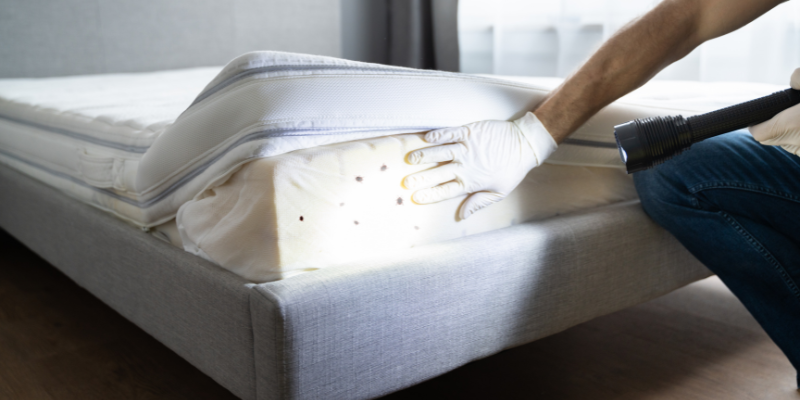


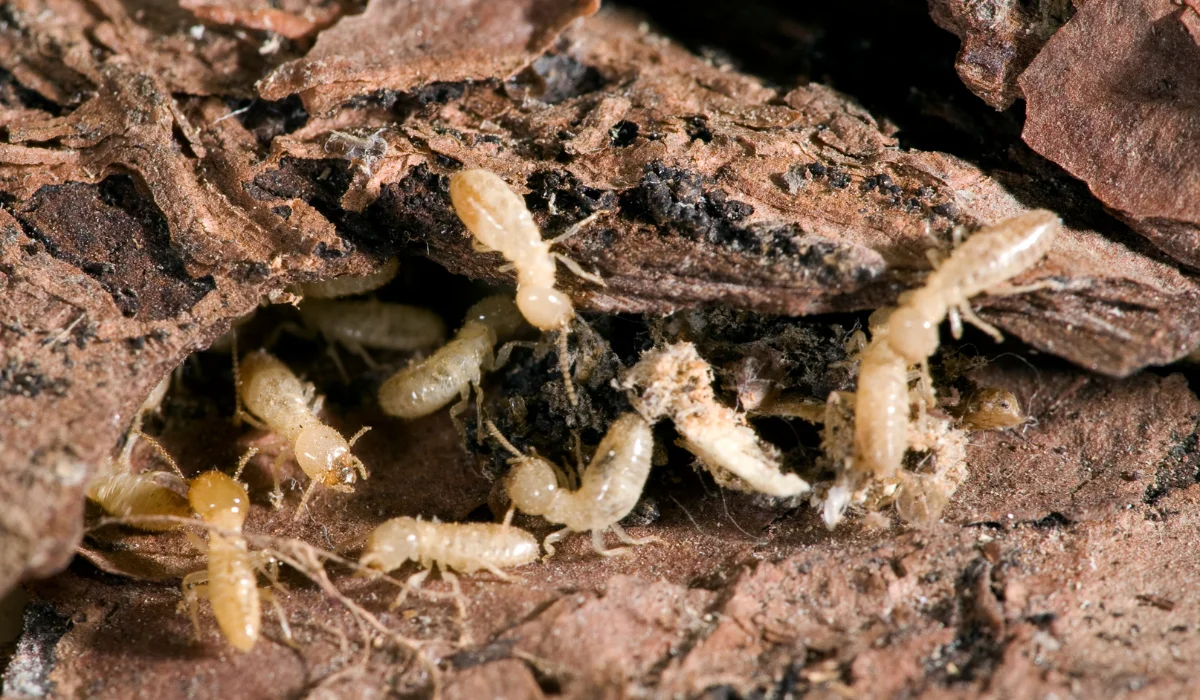
The main types of termites in Thibodaux LA are Formosan, Eastern subterranean, and drywood termites. Each behaves differently, leaves different signs, and may require a different treatment approach. In Thibodaux’s warm, humid environment, moisture around foundations, raised-home crawl areas, wood near soil, and openings around slab construction can all affect where termite activity develops. LaJaunie’s was founded in Thibodaux, so our inspectors regularly evaluate both raised and slab homes across the area. Knowing whether you are seeing mud tubes, discarded wings, frass, or damaged wood can help point an inspection in the right direction.
Key Takeaways
- The main types of termites in Thibodaux LA are Formosan, Eastern subterranean, and drywood termites.
- Mud tubes usually point toward subterranean termites, while recurring frass is more closely associated with drywood termites.
- Foundation type, moisture, wood-to-soil contact, and construction details can all affect how termites reach a Thibodaux home.
Types of Termites in Thibodaux LA Homeowners Should Know
Understanding the types of termites in Thibodaux LA helps homeowners make sense of the evidence they find around the house. Formosan and Eastern subterranean termites are soil-associated termites, while drywood termites can establish colonies directly inside wooden materials without maintaining the same connection to the ground.
That difference affects identification and treatment. A mud tube extending from soil toward structural wood points an inspector in a different direction than a recurring pile of dry pellets beneath a window frame.
| Termite Type | Common Signs | How They Reach or Infest Wood | Typical Treatment Approach |
|---|---|---|---|
| Formosan Termites | Swarmers, discarded wings, mud tubes, damaged wood | Forage from subterranean colonies and reach structures through protected routes between soil and wood | Bait stations, foundation treatment, and treatment of active areas |
| Eastern Subterranean Termites | Mud tubes, swarmers, wings, damaged wood | Travel between soil and structural wood through tubes and small openings | Bait stations or foundation treatment based on the structure |
| Drywood Termites | Frass, kickout holes, damaged wood, swarmers | Establish colonies directly inside dry wood without regular soil contact | Targeted treatment of infested wood and affected areas |
Because these termite species do not all live the same way, identifying the species should come before choosing a treatment plan.
Formosan Termites
Formosan termites are subterranean termites and are a major concern across South Louisiana. Established colonies can support large numbers of workers, allowing them to forage across a broad area while remaining mostly hidden from homeowners.
One of the most noticeable signs of Formosan termite activity is swarming. In Louisiana, winged reproductive termites are often associated with warm, humid evenings during the warmer part of the year. Homeowners may find swarmers around porch lights or piles of discarded wings near windows and doors.
Finding swarmers outside does not automatically mean your home is infested. Repeated swarmers indoors or large numbers of discarded wings inside deserve closer inspection because they can point to activity within or very close to the structure.
Eastern Subterranean Termites
Eastern subterranean termites also maintain a connection to the soil. They travel toward wooden food sources through protected pathways and often build mud tubes over foundations, piers, or other hard surfaces.
Mud tubes are one of the easiest termite signs for homeowners to recognize. You may find them along a slab edge, foundation wall, pier, crawl area, plumbing opening, or another place where termites can travel from soil toward wood.
Removing a mud tube does not remove the colony. Even if activity stops in that tube, termites may continue using another route that is harder to see.
Drywood Termites
Drywood termites can establish colonies directly inside wooden material. They do not need the regular soil connection that Formosan and Eastern subterranean termites use.
Homeowners often notice drywood termite frass before seeing the insects themselves. These hard pellets can collect beneath window frames, trim, furniture, flooring, or other infested wood. LaJaunie’s guide to termite poop as a warning sign explains how these pellets differ from ordinary sawdust or household debris.
Small kickout holes may appear above the pellets where termites push waste from their galleries. If you clean up the material and it returns beneath the same piece of wood, that area deserves inspection.
Why Thibodaux Homes Need Species-Specific Termite Inspections
The types of termites in Thibodaux LA can affect homes differently depending on the structure. A raised home with accessible space beneath the floor presents different inspection conditions from a slab home surrounded by concrete, landscaping, or pavers.
LaJaunie’s accounts for those construction differences before recommending treatment. Raised homes generally need an on-site inspection because the conditions beneath the structure need to be seen in person, while some slab homes can initially be evaluated using exterior measurements and other property details.
Homeowners who want to know more about the process can review what a termite inspection costs and what inspectors look for before scheduling service.
Raised Homes
Raised homes require close attention beneath the structure. Inspectors can check piers, structural wood, crawl areas, plumbing, damp soil, and other locations where subterranean termites may gain protected access.
Moisture matters in these areas. Plumbing leaks, poor drainage, damp soil, and wooden materials close to the ground can create conditions that deserve attention during an inspection.
LaJaunie’s does not treat every raised home from a standard template. The structure and the conditions found underneath help determine which treatment approach fits the property.
Slab Homes
Slab homes present a different group of inspection points. Termites do not eat concrete, but they can use cracks, construction joints, plumbing penetrations, and other openings to reach wooden portions of a home.
Inspectors also account for patios, pavers, and other concrete areas around the exterior because those surfaces can affect access to the soil around the foundation. Open ground beneath tubs, sometimes called bath traps, can require attention as well.
These construction details are one reason termite protection should be based on the actual home rather than square footage alone.
When Do Termites Swarm in Thibodaux?
Termite swarm timing in Thibodaux depends on the species, but spring and early summer are the main periods when homeowners should pay closer attention. In South Louisiana, some termite species swarm in late spring, while others may swarm from April through July or at other points in the year.
The table below gives Thibodaux homeowners a simple seasonal view of what to watch for.
| Season | What Thibodaux Homeowners May Notice | What to Watch For |
|---|---|---|
| Spring | Swarming activity begins to become more noticeable | Winged termites around windows, doors, porch lights, and other light sources |
| Late Spring | Some termite species reach a more active swarming period | Larger numbers of swarmers or piles of discarded wings |
| Early Summer | Swarming may continue for species active from April through July | Repeated indoor swarmers, discarded wings, or activity near the foundation |
| Late Summer and Fall | Swarming may decrease for some species, but colonies can remain active | Mud tubes, frass, damaged wood, and other signs of hidden feeding |
| Winter | Visible swarming may be less common, but termites can remain active in protected areas | Indoor signs such as damaged wood, mud tubes, or recurring frass |
Warm, humid evenings can make swarming especially noticeable around Thibodaux homes. Outdoor swarmers do not automatically mean a house is infested, but repeated swarmers or piles of discarded wings indoors deserve closer attention.
Swarm season is not the same as termite season. Subterranean colonies can continue feeding out of sight when no winged termites are visible, while drywood termites may leave frass or other evidence at different times of year. That is why mud tubes, discarded wings, frass, and damaged wood should be taken seriously regardless of the month.
How to Identify Termites in Thibodaux Homes
Identifying termites in Thibodaux homes starts with looking at the type of evidence and where it appears. Mud tubes, swarmers, discarded wings, frass, and damaged wood can all provide clues, but no single sign appears in every infestation.
LaJaunie’s inspectors look at the combination of evidence, the construction of the home, and where activity appears. Understanding how serious termite activity can become also helps explain why small warning signs should not be ignored simply because the visible damage looks minor.
Mud Tubes
Mud tubes are closely associated with subterranean termite activity. They can appear on foundations, walls, piers, and other hard surfaces between soil and wooden portions of a home.
The tubes help termites move through a protected environment. A tube can remain visible even after activity changes, so an inspector will look for other evidence before deciding whether termites are still using it.
Discarded Wings and Swarmers
Winged termites can collect near windows, doors, baseboards, countertops, and light sources. After swarming, they shed their wings.
A few swarmers outdoors during a widespread regional swarm do not always mean termites are inside your house. Repeated indoor swarmers or piles of wings inside are more concerning.
Termite Frass
Drywood termite frass looks different from the material in a subterranean mud tube. The pellets are hard and dry and may be mistaken for sawdust, dirt, or seeds.
Because drywood termites push frass through openings in infested wood, recurring piles can help an inspector narrow down which section of the home needs attention.
Damaged Wood
Termite-damaged wood may become hollow, splintered, blistered, or weakened as galleries spread through the material. Baseboards can develop indentations, and some areas may resemble moisture damage.
Visible damage does not reveal the full size or age of an infestation. Avoid opening structural components simply to search for termites without knowing what is behind them.
What LaJaunie’s Inspectors Look for in Thibodaux Homes
When a homeowner reports live termites, LaJaunie’s evaluates the activity, the construction of the home, and the conditions that may be helping termites reach the structure. The inspection is meant to identify both the termite species and the areas that need treatment.
For subterranean termites, inspectors may evaluate foundation access, exposed soil, concrete, pavers, raised-home conditions, moisture, bath traps, and locations where termites may travel between soil and wood. For drywood termites, the inspection focuses more closely on wooden areas showing frass, kickout holes, or other evidence.
LaJaunie’s technicians are highly trained and certified by the Louisiana Department of Agriculture. Correct species identification helps determine whether the home needs a subterranean treatment approach, targeted drywood service, or another termite protection plan.
How Treatment Differs Among the Types of Termites in Thibodaux LA
Because the types of termites in Thibodaux LA live and travel differently, the same treatment approach does not fit every infestation. Formosan and Eastern subterranean termites can be addressed through systems designed around their soil-foraging behavior, while drywood termite treatment focuses on the infested wood itself.
LaJaunie’s termite control service starts with identifying the termite species and evaluating how it is interacting with the home. That helps the technician match the treatment method to the activity found.
Formosan and Eastern Subterranean Termite Treatment
For subterranean termites, LaJaunie’s may install bait stations around the structure. Workers encounter the bait while foraging and carry it through the colony.
Foundation treatment is another option depending on the property. Existing homes may require treatment around exterior foundation areas, with construction features such as concrete and pavers affecting how technicians reach the soil.
LaJaunie’s inspects bait stations annually and replaces material as needed while checking for continued activity and conditions that can support termites.
Drywood Termite Treatment
Drywood termites require a different strategy because their colonies are located inside wooden materials rather than underground.
LaJaunie’s offers targeted treatment for affected areas. Inspectors locate the evidence so service can be directed toward the wood and hidden spaces where termites are active.
A pile of frass beneath one window may require a different treatment scope from activity found across several wooden areas of the home.
How Thibodaux Homeowners Can Reduce Termite Risk
Reducing termite risk in Thibodaux starts with the places around the home where moisture and wood meet. Frequent rain, humid weather, plumbing leaks, and drainage problems can all make certain foundation and crawl areas worth checking regularly.
Prevention will not remove an established infestation, but it can reduce conditions that make access easier. It can also make mud tubes and other termite evidence easier to spot during routine checks.
Keep Moisture Away From the Foundation
Repair plumbing leaks and air-conditioning drainage problems that leave water close to the house. Keep gutters working so roof runoff moves away from exterior walls instead of collecting along the foundation.
Owners of raised homes should also check beneath the structure for leaking plumbing and areas of soil that stay wet.
The goal is not to eliminate Louisiana humidity. It is to correct avoidable moisture close to the parts of the structure termites can reach.
Reduce Wood-to-Soil Contact
Avoid storing lumber or firewood directly against the house or on bare soil near the foundation. Remove rotting wood, buried construction debris, dead trees, and old stumps when practical.
Wooden landscape materials can also make foundation areas harder to inspect. Leaving a visible area around the structure makes mud tubes and other changes easier to notice.
Keep Foundation Areas Visible
Heavy mulch, dense plants, stored items, and construction additions can hide areas where subterranean termites travel.
Keep enough of the foundation visible to check for tubes and changes over time. Pay close attention around plumbing, patios, pavers, additions, and areas where different construction materials meet.
What About Termite Protection for New Thibodaux Homes?
New construction is not automatically protected from future termite activity. Areas around the foundation and structure are easier to reach during construction than they will be after concrete, walls, flooring, and finishes are complete.
LaJaunie’s provides termite pretreatment for new homes, additions, and remodeling projects so vulnerable areas can be addressed while they are accessible.
Pretreatment does not remove the need for future monitoring. Conditions around the property can change over time, so ongoing inspection remains part of long-term termite protection.
How a Termite Bond Fits Into Long-Term Protection
A termite bond and a termite treatment are related, but they are not the same thing. Treatment addresses or protects against termite activity, while a bond generally connects termite protection with ongoing inspection, service, and specific coverage terms.
Homeowners should understand inspection requirements, renewal terms, and what a plan covers before choosing one. LaJaunie’s guide to what a termite bond is and why Louisiana homes need one explains the details worth comparing.
Long-term protection also depends on monitoring the property. Changes in drainage, landscaping, moisture, additions, and construction can affect termite conditions after the original treatment.
When to Schedule a Thibodaux Termite Inspection
You do not need to wait for visible structural damage before scheduling an inspection. Mud tubes, indoor swarmers, piles of discarded wings, recurring frass, kickout holes, and unexplained wood damage are all reasonable reasons to have the property checked.
Homeowners with raised homes should also pay attention to persistent moisture and wood-to-soil conditions beneath the structure. On slab homes, recurring termite evidence around plumbing or foundation openings deserves attention.
LaJaunie’s termite control service in Thibodaux focuses on identifying the termite species and evaluating the property before recommending treatment. Homeowners who need help with other pest problems can also review pest control services in Thibodaux.
Making the Right Termite Protection Choice for Your Thibodaux Home
The main types of termites in Thibodaux LA are Formosan, Eastern subterranean, and drywood termites, but they do not leave the same signs or require the same treatment. Mud tubes, swarmers, discarded wings, frass, and damaged wood all provide useful clues, while foundation type, moisture, and construction details help determine how the home should be inspected.
LaJaunie’s Pest Control was founded in Thibodaux in 2008 and continues to serve homeowners throughout South Louisiana. If you find termite evidence or want an existing protection system checked, contact LaJaunie’s to schedule an inspection and determine which termite species and treatment approach fit your home.
FAQs About Terminte in Thibodaux, LA
What Types of Termites Are Found in Thibodaux LA?
The main types of termites in Thibodaux LA are Formosan, Eastern subterranean, and drywood termites. Formosan and Eastern subterranean termites forage from soil-associated colonies, while drywood termites live inside wood. Their signs and treatment methods differ, so identifying the species is an important part of an inspection.
When Do Termites Swarm in Thibodaux?
Swarm timing varies by species. Some Louisiana termites swarm in late spring, while others may swarm from April through July or at other times during the year. Warm spring and early-summer evenings are a good time to watch for winged termites and discarded wings around doors, windows, and lights.
How Can I Tell if My Thibodaux Home Has Termites?
Look for mud tubes, discarded wings, indoor swarmers, drywood termite frass, kickout holes, hollow or damaged wood, and damage that resembles a moisture problem. Because these signs vary by species, an inspection can help confirm which termite is present and whether the activity appears current.