
🐞 Free Pest & Termite Inspection* | Same-Day Service*🐞

Get Service TODAY!

What Does A Yellow Jacket Look Like: Signs, Risks, and Control

What Does A Yellow Jacket Look Like can cause costly problems when early signs are missed. Learn the signs, risks, and when to call LaJaunie’s Pest Contro.

Key Takeaways About Yellow Jacket Identification

  • Yellowjackets are often confused with other wasps, hornets, and honey bees, so knowing the key visual differences helps you respond correctly when you spot one near your home.
  • Nest location and structure vary by species, and identifying where a colony is built can be just as important as recognizing the insect itself.
  • Colonies can grow large by late summer, making professional involvement the safer choice when a nest is close to areas where your family spends time.
  • Reducing food attractants outdoors, especially during late summer and fall, is one of the simplest ways to lower your chances of an unwanted encounter.

How to Identify a Yellow Jacket by Appearance

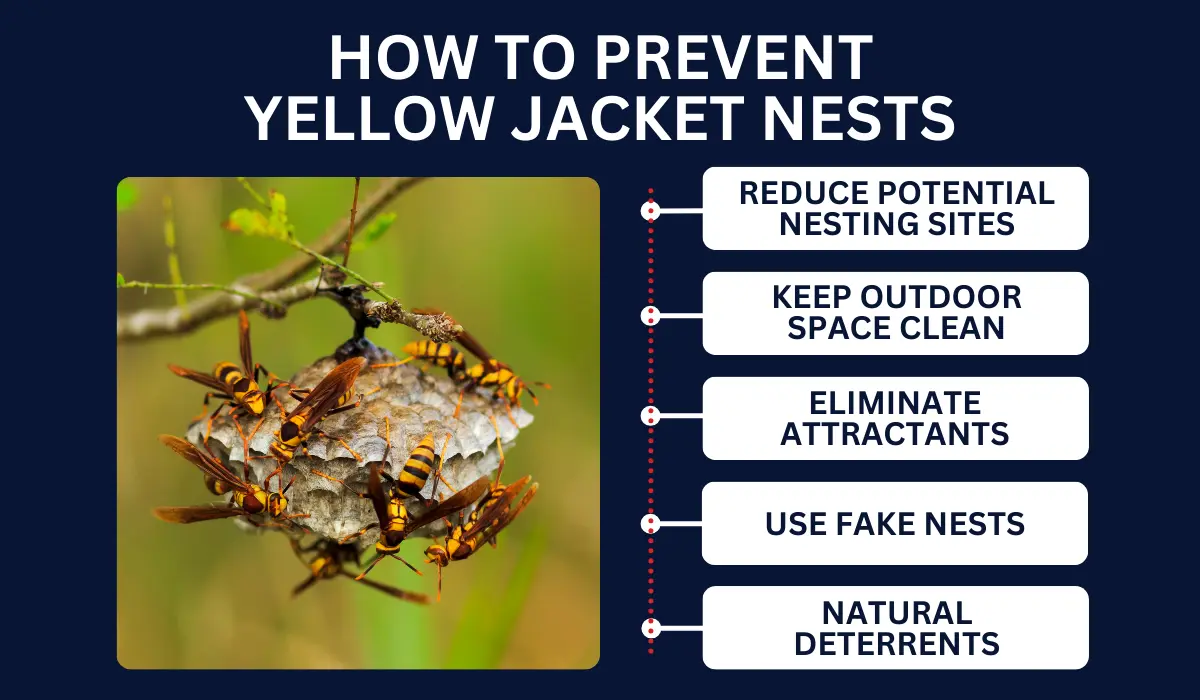
Telling yellowjackets apart from other stinging insects starts with understanding where and how they nest. Several species exist, and most build subterranean nests in areas such as creek banks, the forest floor, lawns, and garden and flower beds, according to Purdue Extension. Knowing what to look for around the nest entrance is often the fastest way to confirm you are dealing with yellowjackets.

How to Tell Yellow Jacket Types Apart

Yellowjackets are sometimes confused with the baldfaced hornet. The baldfaced hornet is a large black and white species that builds a familiar large, grayish, pear-shaped nest typically suspended in trees or on sides of buildings. Its thick paper envelope encloses two or four horizontally arranged combs. Yellowjacket nests, by contrast, are most often underground and share a similar internal comb architecture but are hidden below the surface.

How to Spot Yellow Jacket Activity Inside Your Home

Indoor yellowjacket activity usually shows up as individual workers flying near windows or light sources. Because most yellowjacket nests are subterranean, workers can sometimes enter living spaces through gaps in the structure. Late summer colonies may consist of nearly a thousand workers, which increases the chances of noticing them indoors during that period.

If you see a steady stream of yellowjackets inside, there may be a nest nearby with an entrance close to your foundation or walls. Protective gear and quick, efficient application are imperative when treating nests, so most should be left to a professional pest control operator.

Where Yellow Jacket Activity Shows Up Around Homes

Around your home, yellowjacket nests are most commonly found underground. Look for worker traffic flowing in and out of a small hole in the soil, especially along creek banks, lawns, and garden or flower beds.

Baldfaced hornet nests, on the other hand, are typically visible on trees or on sides of buildings. Spotting a large, grayish, pear-shaped paper structure in these locations points to that species rather than a yellowjacket.

Exterior Entry Points Yellow Jackets Use

Yellowjackets enter yards and structures through ground-level openings tied to their subterranean nests. Watch for consistent flight paths low to the ground, especially near flower beds and lawn edges. When a nest is close to a building, workers may follow the foundation line and find their way inside through small cracks.

Why Yellow Jacket Problems Develop

Understanding why these stinging insects show up near your home helps you recognize a developing problem before it turns into a sting risk. Yellow jackets are social wasps that live in populous colonies built around a paper nest, with an egg-laying queen and many sterile female workers. Their nesting habits, seasonal behavior, and attraction to certain conditions around your property all play a role.

Outdoor Nesting Areas for Yellow Jackets

Many types of wasps, hornets, and yellow jackets build paper and mud nests around homes, in the ground, or in shrubs. Because these nests can be tucked into less visible spots, you may not notice a colony until worker activity picks up. Social wasp colonies are annual, meaning a nest is used only during the season it is built. According to Purdue Extension, a colony present one season does not necessarily reappear in the same site the following year.

Food and Shelter That Attract Yellow Jackets

Yellow jackets forage widely, and structures that offer sheltered cavities or nearby ground cover can become appealing nest sites. Some species can become aggressive during late summer and fall and may sting unprovoked, making proximity to your living spaces a concern. A colony that started small in spring can grow into a populous nest by late summer, increasing the chance of encounters around your yard.

How Yellow Jackets Move Around Homes

Yellow jackets defend their nests on approach, unlike some other wasps that sting only if provoked. This defensive behavior means workers patrol the area around the nest entrance. As the colony grows through the season, foraging workers fan out farther, and you may notice more yellow-and-black insects near doors, windows, or outdoor dining areas.

Trails and Entry Points Yellow Jackets Use

Because nests can be built in the ground, in shrubs, or along structures, yellow jackets may use gaps in siding, eaves, or landscape features as pathways to and from the colony. European paper wasps are black and yellow and resemble yellow jackets, so confirming which insect you are seeing near an entry point matters. According to the University of Georgia pest guide, a mistake during nest treatment can result in hospitalization or even death from excessive stings.

Risks From Yellow Jacket Infestations

Understanding the risks these insects pose helps you decide how seriously to treat a sighting near your home. Yellow jackets create concerns that go beyond a single sting, especially when colonies settle close to living spaces or inside your walls.

Health Risks Linked to Yellow Jackets

Yellow jackets can sting more than once because they pull out their stinger without injuring themselves. Unlike honey bees, a yellow jacket does not leave its stinger in your skin, according to the University of Minnesota Extension. That ability to sting multiple times makes even a single yellow jacket a greater concern during a close encounter.

For most people, a sting is painful but manageable. However, according to Oregon State University Solve Pest Problems, about 3% of the adult population is severely allergic to insect stings. An allergic reaction to a yellow jacket sting is a medical emergency, and anyone with a known allergy should seek medical attention right away if stung.

Property Damage From Yellow Jackets

Some yellow jackets, typically the German yellow jacket, may build colonies inside structures. According to Purdue Extension, these nests can appear inside wall voids, attics, and sometimes basements. A colony hidden within your home’s framing can grow unnoticed until activity near the entrance becomes hard to ignore.

These structural colonies can be large and are often located far from the entrance hole, deep into the structure. That distance between where you see yellow jackets entering and where the colony sits makes the problem harder to assess on your own.

Food Areas and Yellow Jacket Activity

Yellow jackets are social wasps that capture insects such as flies, caterpillars, and beetle larvae. While that behavior can be beneficial outdoors, colony removal is warranted when nests are located in or around structures and areas of human activity where the probability of stings increases. Outdoor dining areas and gathering spots near a colony entrance deserve extra caution.

When to Look Closer at Yellow Jacket Activity

If you notice steady yellow jacket traffic near a wall, roofline, or foundation gap, it may point to a colony inside the structure. Structural colonies require professional treatment because the nest can be positioned deep within the wall, far from the visible entry point.

Recognizing what a yellow jacket looks like gives you the awareness to spot trouble early. When activity centers on your home rather than the open yard, a closer look from a trained service professional is worth considering.

Professional Pest Control for Yellow Jackets

Once you can tell a yellow jacket apart from the stinging insects that resemble it, the next step is deciding how to handle what you find. Proper identification drives every decision, from whether a nest needs treatment at all to what approach a service professional should take.

How to Reduce Attractants for Yellow Jackets

Yellow jackets are yellow and black and build their nests in the ground, according to Mississippi State University Extension. That ground-nesting habit means yard activity like mowing or walking near burrow openings can bring you close to a colony without warning.

Several less aggressive species share similar coloring. Honey bees, bumble bees, paper wasps, and bald-faced hornets can all be confused with yellow jackets. Mud daubers are also black and yellow, but they are thread-waisted solitary wasps that build hard mud nests, usually on ceilings and walls, attended by a single female. Recognizing these differences helps you avoid disturbing insects that may not require intervention.

Why Yellow Jacket Control Starts With Inspection

Guinea wasps are often mistaken for yellow jackets because of their appearance. However, yellow jackets differ in nesting behavior, favoring ground-level sites. A trained service professional can walk your property and identify which species is present before recommending any action.

Inspection matters because not every nest warrants treatment. As UC IPM notes, paper wasp nests should not require treatment unless they are near people. An accurate inspection prevents unnecessary work and keeps the focus on nests that pose a genuine concern for your household.

What to Expect During Professional Yellow Jacket Treatment

When a LaJaunie’s Pest Control service professional confirms yellow jackets on your property, the treatment approach is guided by the nest location and species involved. Accessing a ground colony requires a different method than dealing with the mud nests that mud daubers build on walls and ceilings.

A professional assessment also accounts for look-alikes in the area. Each species requires a different response, and misidentifying the insect can lead to the wrong approach entirely.

What to Expect From a Yellow Jacket Control Plan

A control plan from LaJaunie’s Pest Control starts with confirming identification and nest location during an on-site visit. Ground nests, wall-mounted mud nests, and exposed paper wasp nests each call for a different level of attention. Paper wasp nests positioned away from foot traffic or gathering areas may not need treatment at all.

Your service professional will walk through the findings with you, explain what was identified, and outline the recommended next steps based on what is actually living on your property.

Bottom Line on Yellow Jacket Identification

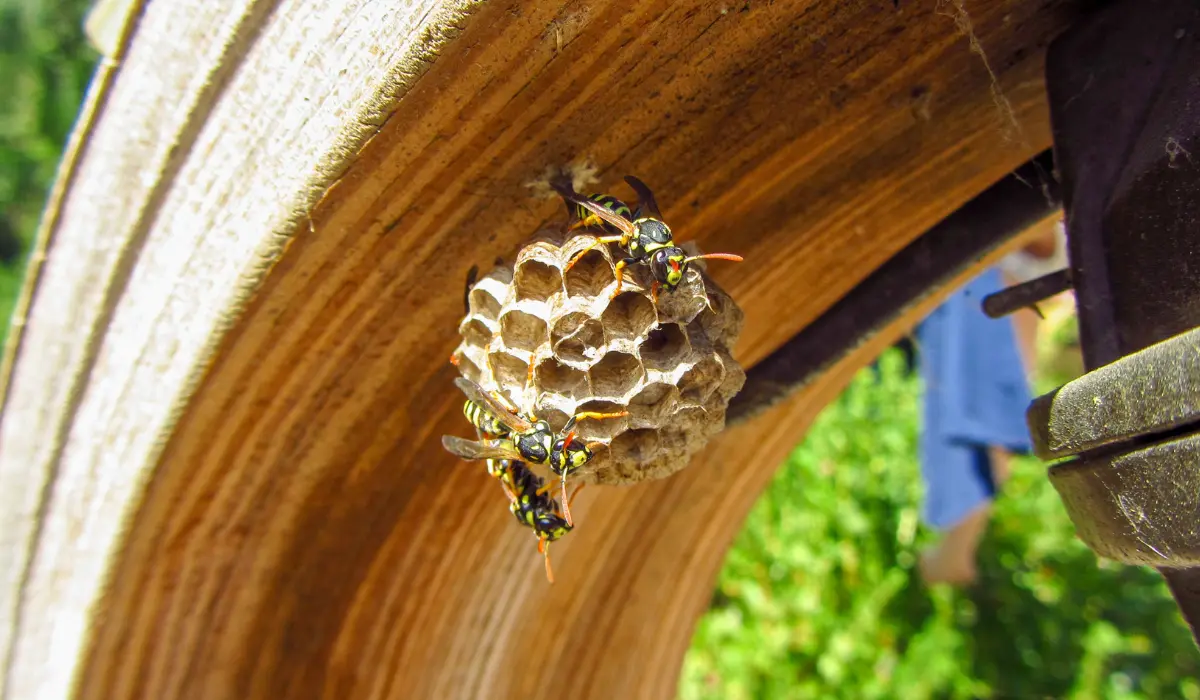
Identifying yellow jackets comes down to recognizing their bold yellow and black coloring, compact body shape, and smooth appearance compared to fuzzier bees. Because they can sting more than once and some species may sting unprovoked during late summer and fall, correct identification matters before you decide how to respond. Nests built in the ground are a strong clue you are dealing with yellow jackets rather than a look-alike such as a paper wasp or guinea wasp.

If you spot a nest near your home or a high-traffic area, contact LaJaunie’s Pest Control for a professional assessment.

Frequently Asked Questions

How Can I Tell a Yellow Jacket Apart From a Bee?

Yellow jackets have a smooth body with distinct yellow and black banding, while honey bees and bumble bees appear fuzzy. Yellow jackets also tend to build nests in the ground, whereas honey bees nest in cavities and bumble bees favor sheltered spots above or below ground. If stung by a yellow jacket, the stinger is not left in your skin, unlike a honey bee sting.

Are There Wasps That Look Like Yellow Jackets?

Guinea wasps are often mistaken for yellow jackets. Paper wasps and bald-faced hornets may also cause confusion, but their body shapes, nest styles, and color patterns differ once you know what to look for.

Why Are Yellow Jackets More Aggressive at Certain Times of Year?

Colonies grow throughout the season, and some species become more defensive during late summer and fall. This can increase the chance of encounters near outdoor gathering spots. Keeping a low-risk distance from any nest you discover is the simplest way to avoid stings during this period.

Should I Try to Remove a Yellow Jacket Nest Myself?

As the University of Georgia pest guide warns, improper nest treatment carries serious sting risks. While small, early-season ground colonies may be simpler to address, above-ground and structural colonies are best handled by a professional with proper protective gear and experience working around social wasps.

Limited Time Offer 2

$99 1st pest control service special

  • star-white
    18+ years of experience
  • verified-white
    Pest-free guarantee
  • group-white
    Family owned business
Request your free quote

Or call for same-day service