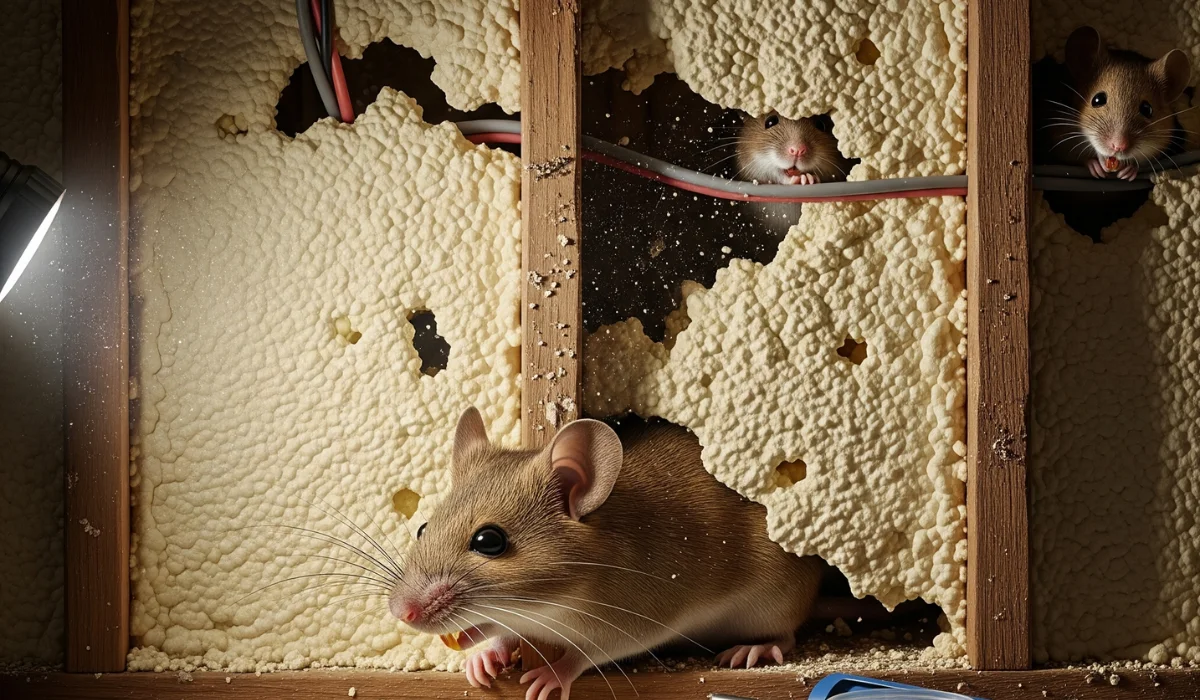


Rodents are a common problem in Baton Rouge homes, and rodent control often involves roof rats, Norway rats, and house mice. Warm weather and nearby water help rodents move through neighborhoods and settle near homes.
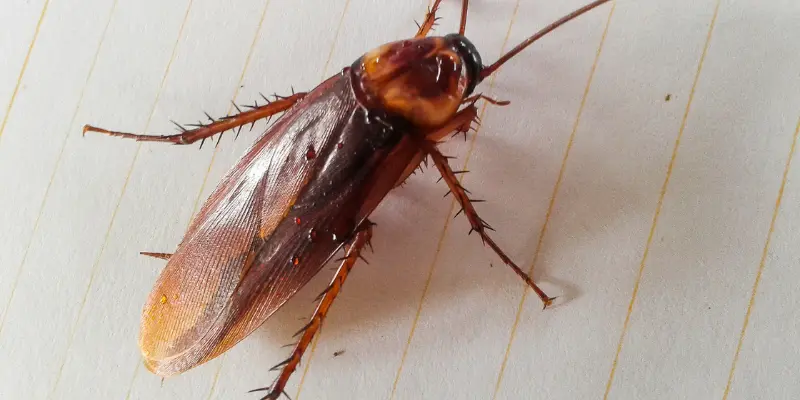
Many homeowners first notice rodent activity in garages or storage areas. Droppings, gnaw marks, or scratching sounds indicate the presence of rodents. If ignored, the issue can lead to a mouse infestation and attract other pests, such as cockroaches.
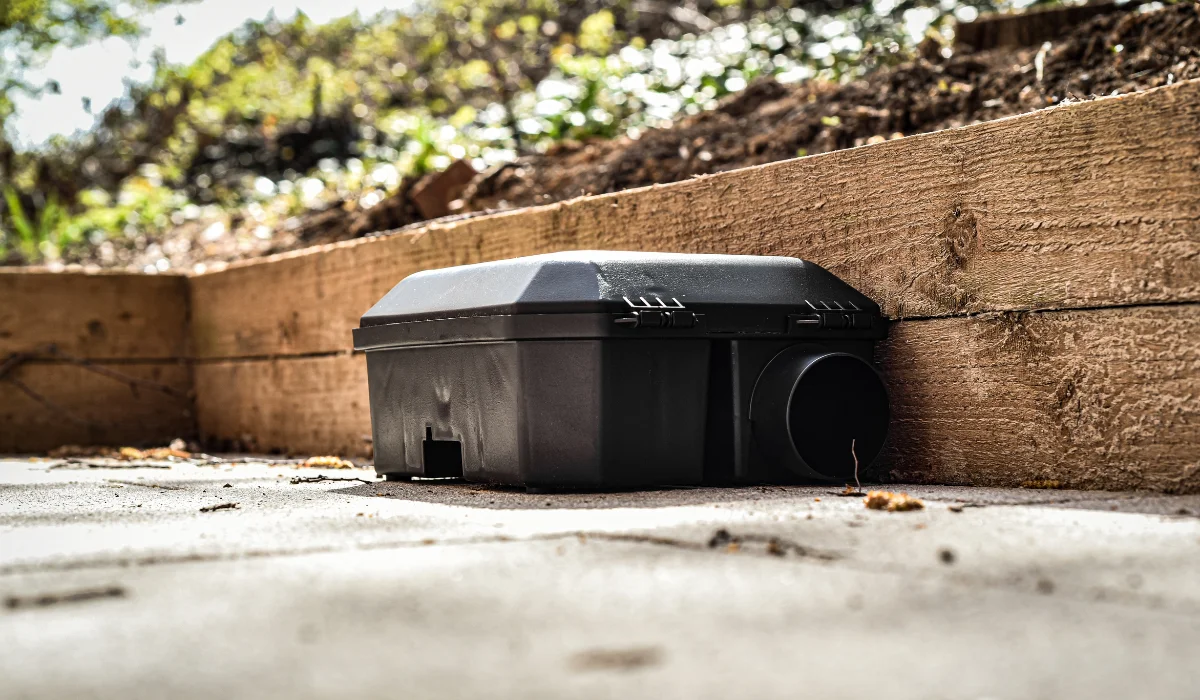
Rodent bait stations help lower rodent presence. Choosing the right types of bait stations, including a rat bait station, improves results as part of an integrated pest management plan.
Key Takeaways
- Rodent bait stations work best along walls and near entry points.
- Food sources such as birdseed and pet food attract rodents to homes.
- Sealing crevices and access points helps keep mice out.
- Professional rodent control helps lower mouse activity and stop the problem from getting worse.
Where Rodent Bait Stations Should Be Placed
Proper placement makes bait stations work better. Rodents usually travel along edges and walls.
Along Exterior Walls
Bait stations work best along the outside of a home. Rodents travel close to walls as they search for food and hiding places.
Place bait stations along exterior walls, near the fenceline, or by rodent burrows to stop rodents from moving indoors.
Near Garage Doors and Entry Points
Garages are common sites of rodent activity, especially roof rats that move along structures. Small gaps under a garage door can become entry points.
Place bait stations near the garage door or nearby access points to reduce a mouse problem before it spreads inside.
Near Trash or Food Storage
Food sources such as bird seed, pet food, and trash bins attract rodents. Placing bait stations or bait boxes near these areas targets mouse activity at its source.
Store food in sealed plastic containers to avoid attracting pests.
Common Bait Station Placement Mistakes
Incorrect placement, especially with DIY setups, can make bait stations less effective. Avoid these mistakes to improve results.
Placing Stations in Open Spaces
Rodents prefer edges and cover. Bait stations in open spaces often go unused.
Place stations near walls, crevices, or areas with mouse activity.
Ignoring Entry Points
Bait stations will not solve a mouse problem if rodents continue to enter the home, even with an indoor rat trap in place. Small gaps around garage door frames, pipes, or siding act as entry points for rodents.
Seal these crevices with steel wool, caulk, or spray foam to help keep rodents out.
Leaving Food Sources Available
Rodents may ignore bait stations if easy food sources are nearby. Bird seed, pet food, and spilled trash can attract mice.
Clean these areas and keep bait fresh to improve results.
When Bait Stations Are Not Enough
Bait stations help prevent problems, but larger issues may need more control methods.
Signs of a Mouse Infestation
Large amounts of droppings can point to a mouse infestation. You may also notice scratching sounds, chewed materials, or nesting materials in storage areas.
These signs show the problem may be getting worse. Follow label directions for safe and effective control.
Ongoing Mouse Activity Indoors
If mouse activity continues inside the home, bait stations alone may not stop the problem. Mice often move through hidden areas such as attics, basements, or wall spaces.
More rodent control methods may be needed to reduce or remove mice.
Traps Keep Catching Mice
If mouse traps or glue traps continue catching mice, the issue may involve multiple rodents entering the home.
In these cases, a pest control company can inspect the property and find hidden access points.
How Pros Pair Baiting With Exclusion
Professional rodent control uses several steps to fix a mouse problem.
Sealing Entry Points
Professionals inspect homes to find entry points. Small openings near garage door frames, siding, or utility lines are common entry points for mice.
Technicians seal these gaps with materials such as steel wool, caulk, and spray foam to block entry.
Removing Hiding Places
Clutter, such as cardboard boxes and storage piles, creates hiding places for rodents. Removing nesting materials helps reduce mice.
This step helps keep rodents out.
Using Multiple Control Tools
Professionals use several tools at once. Bait stations with bait blocks or soft baits, along with snap traps, glue traps, and other methods, help reduce rodents quickly.
This approach reduces mice and future infestations, especially when using tamper-proof, weather-resistant bait stations outdoors.
Book Rodent Control In Baton Rouge
Rodent bait stations with poison, including non-anticoagulant options, help control outdoor activity when used as directed. Without sealing entry points and removing food sources, bait stations are less effective, and mice may keep entering the home.
LaJaunie’s Pest Control provides rodent control services in Baton Rouge and throughout southeast Louisiana. Technicians inspect garages, walls, and storage areas to detect rodent activity and support long-term mouse control by placing bait stations around the property.
Rodent service is also part of the Healthy Home pest control plan, with ongoing treatments and inspections to help manage mice and reduce future problems.
Contact us today to schedule a service.
FAQs
Where should rodent bait stations be placed?
Rodent bait stations should be placed along exterior walls, near garage doors, and close to common entry points where rodents travel.
Do bait stations work for a mouse infestation?
Bait stations help reduce rodent activity outside the home, but larger infestations often require traps, exclusion work, and professional rodent control.
How can homeowners keep mice out of their homes?
Seal entry points with appropriate materials such as steel wool, caulk, or foam, based on the structure and situation. Clean up food sources, store supplies in sealed containers, and repair door seals around garage doors.