

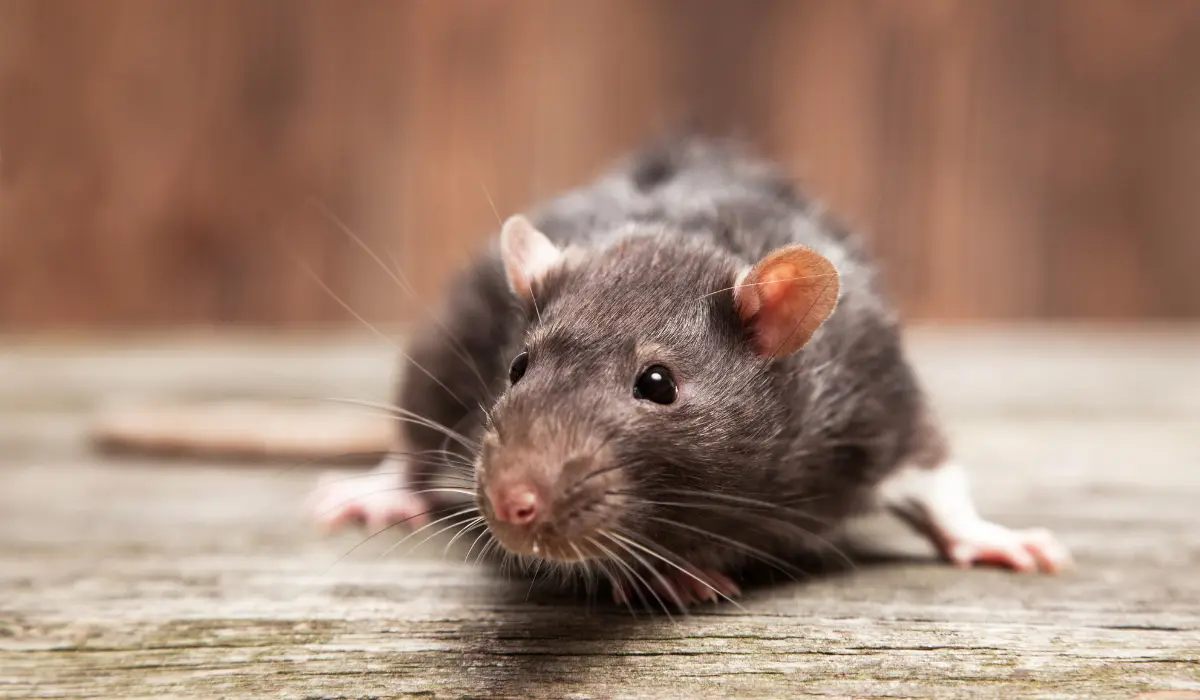
The first sign is usually a sound, like scratching in the walls or movement above the ceiling. A day or two later, you may notice droppings along baseboards or near pet food. At that point, many homeowners search for how to catch a smart rat in the house before the problem grows.
Rats do not act without thinking. A smart rat observes its surroundings and learns quickly. If a trap snaps and misses, the rat remembers the danger. If food disappears from one spot without harm, the rat keeps coming back. Over time, this can make the problem feel hard to fix.
The good news is that you can still catch stubborn rats. With the right setup, timing, and patience, you can stop rat activity before it escalates into a larger problem. These steps explain what works in homes, including houses across South Louisiana, where effective rodent control in Louisiana often requires a more targeted approach.
Key Takeaways
- Smart rats avoid unfamiliar traps, so placement matters more than quantity
- Removing food sources increases your chances of success
- Wearing gloves and rotating bait prevent trap avoidance
- Persistent activity often requires professional pest control
Video: Rat or Mouse? Learn the Difference Between Rats and Mice
Sometimes the hardest part is knowing what you are dealing with. This video explains the differences between rats and mice, helping you choose the right traps and placement strategy. Understanding the difference saves time and prevents the wrong tools from being used.
Why Smart Rats Are So Difficult To Catch
To catch a smart rat in the house, you need to understand how rats behave. Rats rely more on memory and smell than sight. Once something feels wrong, they avoid it.
A smart rat does not rush into a trap. It approaches slowly, tests the bait, and backs away if anything feels unsafe. Older and Norway rats exhibit this behavior more frequently after surviving traps.
You will often see this behavior in roof rats as well. These rats travel predictable paths along walls, rafters, and crawl space edges, but they will not interact with anything new until they feel safe.
Confirming You Actually Have a Rat
Before setting traps, confirm whether you have a rat or a mouse problem. Mice leave small droppings and often remain near kitchens. Rats leave larger droppings and cause heavier damage.
Rats also leave greasy rub marks along walls where their fur brushes over time. You may hear louder movement at night. Activity near the attic or crawlspace also points to rats.
Understanding the types of rodents in your home helps you choose the right approach and avoid wasting time on the wrong mousetrap.
Eliminate Food Sources Before You Set Traps
Before setting traps, remove anything that could allow rats to feed or hide. Rats avoid traps when food is easy to reach.
Seal dry foods and remove pet food from open containers. Store pet food, including dog food, in sealed bins and clean up spills immediately. Even small crumbs can feed rats longer than expected.
Outdoor food matters too. Trash cans, fallen fruit, and uncovered compost provide rats with reasons to stay nearby. Without fixing food issues, even good traps struggle to work.
Choosing The Right Trap For A Smart Rat
Not all rat traps work the same way. Understanding the types of traps available helps you choose the right one when dealing with a smart rat.
Snap traps still work when placed correctly and remain one of the best rat traps for targeting active areas. They trigger fast and kill quickly when set along walls where rats move. Placement matters more than bait.
Glue traps can catch rats that avoid snap traps, especially in tight runways. These traps need frequent checks and careful disposal using a plastic bag.
Electronic rat traps deliver a rapid shock and are effective indoors. Many homeowners choose these traps because they feel cleaner and easier to use. They work best when other food sources are limited.
How To Bait Traps Without Alerting The Rat
Bait choice plays a big role. Peanut butter works well because it sticks and has a strong flavor. Use a small amount so the rat cannot grab it quickly.
Pet food also works if rats already eat it. Switching bait every few days can reduce avoidance.
Always wear gloves when handling traps. Human scent makes traps suspicious, so baited traps should smell familiar, not like someone touched them.
Where To Place Traps For Best Results
Trap placement matters more than trap count. Rats follow walls and edges because they feel safer there.
Place traps at a right angle to the wall, with the trigger side against the wall. Focus on areas with droppings, rub marks, and entry points near crawlspaces.
Avoid open areas. Rats avoid crossing open floors unless desperate. Good placement saves time and effort.
How Many Traps Should You Set
Set traps in pairs along active areas. Placing two traps side by side increases the chance of catching a rat that jumps or avoids one trap.
Do not spread traps randomly. Focus on areas with clear signs of activity for faster results.
What To Expect After You Catch A Rat
Catching one rat does not always end the problem. Most rats do not live alone. Watch for activity for at least a week.
Dispose of dead rats using gloves and sealed plastic bags. Clean the area to remove scent trails.
If activity continues, a larger rat population may be present.
Should You Ever Use Rat Poison
Rat poison creates serious risks inside homes. Rats often die inside walls, causing odors and secondary pest infestations. While rat poison may seem convenient, it rarely solves the problem in the long term. Traps provide clearer results and safer control.
When DIY Stops Working
DIY methods can work, but they have limits. When traps remain empty while activity continues, frustration sets in quickly.
A professional exterminator understands rat behavior, entry points, and long-term pest management strategies. Professional pest control becomes especially important when rats enter walls, attics, or crawl spaces where traps alone cannot reach.
Making The Right Choice For Your Louisiana Home
Ongoing rat activity often indicates hidden entry points or nesting areas that are difficult to reach with standard tools. When the situation reaches that stage, experience and targeted control methods matter more than trial and error.
At LaJaunie’s Pest Control, we work with homeowners across Louisiana to identify where rats are entering, why activity continues, and how to stop it at the source using proven control strategies.
Contact us today to schedule an inspection and take the next step toward resolving the problem.
FAQs
How long does it take to catch a smart rat in the house?
It can take several days to a few weeks. Smart rats initially avoid new traps, so patience and proper placement are essential.
Are glue traps better than snap traps?
Glue traps work in tight spaces, but snap traps kill faster. Many homeowners use both depending on the situation.
Why do rats avoid traps?
Rats learn quickly and remember danger. Human scent, poor placement, and easy food sources cause avoidance.