




Flying termites around a porch light can turn an ordinary Louisiana evening into a cleanup job by morning. Wings collect near windows, insects gather around outdoor fixtures, and homeowners start wondering whether the swarm came from the house.
The types of termites in Louisiana do not all follow the same schedule or leave the same evidence. Formosan and Eastern subterranean termites stay connected to soil. Drywood termites can live inside the wood they infest. Those differences affect when you notice activity, where you should look, and which termite treatment makes sense.
Learning the main types of termites in Louisiana also helps you read the signs correctly. A mud tube along a slab means something different from a fresh pile of hard pellets below a wooden window frame.
What Types of Termites in Louisiana Should Homeowners Know?
Three termite groups matter most when discussing residential termite control in South Louisiana: Formosan termites, Eastern subterranean termites, and drywood termites.
Formosan and Eastern subterranean termites travel between soil and wood. Drywood termites can establish themselves inside wooden material without the same regular connection to the ground. That difference explains why one infestation may produce mud tubes while another leaves small piles of pellets.
| Termite Type | Typical Living Area | Common Signs | Useful Distinction |
| Formosan termite | Soil-connected colony | Mud tubes, termite swarmers, shed wings | Often associated with highly noticeable seasonal swarms |
| Eastern subterranean termite | Soil | Mud tubes, swarmers, wood damage | Travels from the ground into structural wood |
| Drywood termite | Inside dry wood | Frass, small holes, wood damage | Can remain inside wood without regular soil contact |
Formosan termites belong to the broader subterranean termite group, which can make the terminology confusing. For a homeowner, the more practical question is whether the termites are moving from soil into the structure or living directly inside dry wood.
When Is Termite Season in Louisiana?
There is no single opening date for termite season in Louisiana. Different termite groups swarm under different conditions, and weather can shift the timing from year to year.
Warm temperatures and moisture play a role, but so does colony maturity. When conditions are suitable, a mature colony releases winged reproductive termites. These flying termites, commonly called termite swarmers, leave to pair up and attempt to establish new colonies.
Why Termite Swarmers Suddenly Appear
The insects flying around lights are not the same workers that spend their time feeding in wood or traveling through the soil. They are the reproductive members of the colony.
A swarm may last a short time even though the original colony has been active much longer. Once the flying termites disappear, the workers do not disappear with them. Hidden activity can continue after the visible swarm ends.
That is why cleaning up a pile of wings does not tell you whether the underlying termite problem is gone.
What the Location of a Termite Swarm Means
Seeing flying termites outdoors does not automatically mean your house is infested. A nearby colony may simply be releasing swarmers into the surrounding area.
Indoor activity deserves more attention. Wings collecting on an interior windowsill, termites coming from trim, or repeated swarms inside the house can point to activity within or very close to the structure.
Termite species differ in their seasonal swarming behavior. The month alone is less useful than the species, swarm location, and other evidence around the home.
| What You Find | What It Can Suggest | Where to Check Next |
| Flying termites around an outdoor light | Nearby termite swarm | Foundation, porch, nearby wood |
| Shed wings indoors | Possible activity in or near the structure | Windows, walls, trim |
| Mud tube along a slab or pier | Subterranean termite movement | Soil contact areas and nearby wood |
| Hard pellets below wood | Possible drywood termites | Wood directly above the pile |
| Small recurring holes | Possible activity within wood | Trim, furniture, beams |
How the Main Louisiana Termites Behave Differently
Trying to identify Louisiana termites by color alone can be frustrating. Behavior and the evidence around them often give you more useful information.
Formosan Termites
Formosan termites maintain a connection with soil and can enter a structure through concealed routes. Workers often remain hidden, so homeowners may notice a Formosan termite swarm before they ever see termites moving around the foundation.
Exterior lights can make swarming especially obvious. Large numbers of winged termites may collect around illuminated doors, windows, and porch fixtures during active periods.
Mud tubes provide another clue. Check slab edges, raised-home piers, utility penetrations, and protected spots where termites could move from soil toward structural wood.
Eastern Subterranean Termites
Eastern subterranean termites also depend on soil and may build mud tubes when crossing exposed surfaces. They can be mistaken for Formosan termites when identification is based only on flying insects.
Not every termite swarm in Louisiana is a Formosan swarm. Eastern subterranean termites also produce winged reproductives, so the presence of wings by itself does not settle the identification.
If you are comparing flying ants with termite swarmers, body shape can help. Termites have a broader waist. Ants have a more noticeably narrowed section between body segments.
Drywood Termites
Drywood termites in Louisiana leave a different trail because their colonies can stay inside wooden material.
Instead of soil-connected mud tubes, look for hard pellets beneath trim, furniture, exposed beams, or other wooden areas. These pellets are commonly called frass and may resemble coarse grains or sawdust from a distance.
Drywood termites push the pellets through small openings in the wood. If you clean a pile away and fresh material shows up in the same location, inspect the wood directly above it.
What Are the Most Useful Signs of Termites in Louisiana?
The most useful signs of termites in Louisiana depend on where you find them. Randomly checking rooms is less helpful than looking in places that match termite behavior.
For subterranean termites, pay attention to slabs, crawl spaces, piers, plumbing penetrations, bath traps, and areas where wooden parts of the structure sit close to soil. A termite mud tube may run vertically along a foundation or cross a sheltered surface.
For drywood termites, check wooden trim, window frames, attic timbers, furniture, beams, and similar dry material. Fresh frass or recurring kick-out holes may lead you much closer to the active area than searching for live insects.
| Sign | Most Often Associated With | Common Location |
| Termite mud tubes | Subterranean termites | Slabs, foundations, piers |
| Frass or dry pellets | Drywood termites | Below trim, beams, furniture |
| Discarded termite wings | Several termite groups | Windowsills, floors, doors |
| Small holes in wood | Drywood termites | Trim, furniture, framing |
| Hollow or damaged wood | Several termite groups | Floors, walls, structural wood |
| Indoor termite swarmers | Several termite groups | Windows, lights, doors |
The U.S. Environmental Protection Agency (EPA) also identifies mud tubes, swarming termites, and damaged wood as signs homeowners may encounter when checking for possible termite activity.
Some evidence can be misleading. Old tubes, sawdust from repair work, flying-ant wings, and moisture damage can resemble parts of a termite problem. Photographing what you find and noting whether fresh evidence returns can make an inspection more useful.
Why Does the Termite Type Affect Treatment?
Termite control works only when the treatment reaches the places where termites live or travel. That is why subterranean termites in Louisiana are treated differently from drywood termites.
Subterranean Termite Control
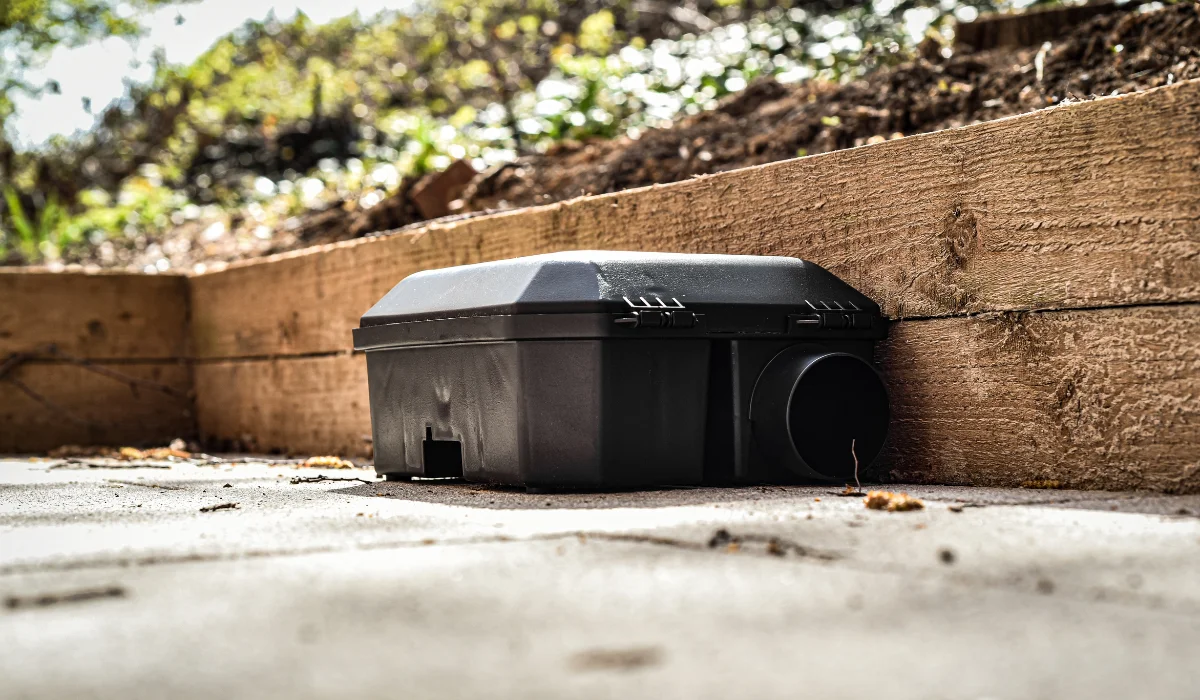
Subterranean termites move through soil, so professional termite control in Louisiana may focus on the perimeter of the structure. Common approaches include termite bait stations and foundation treatments.
Termite bait stations rely on normal worker behavior. Foraging termites encounter the bait as they search around the property and carry material back through the colony through normal feeding and social contact.
Drywood Termite Treatment
A drywood colony sits inside the wooden material it infests. Treating soil around the building does not reach that colony in the same way.
Localized treatment can involve applying treatment materials directly to affected wood or using foam to reach cracks and voids connected with active areas. The exact plan depends on where the infestation is located and how much material is involved.
This is why accurate identification comes before choosing a termite treatment in Louisiana. The visible evidence tells an inspector where to start, but it may not reveal every active area.
Choosing the Right Termite Protection for Your Louisiana Home
The types of termites in Louisiana leave different clues. Mud tubes are strongly associated with subterranean activity, while recurring dry pellets point more toward drywood termites. Termite wings and swarmers show that reproductive activity is occurring nearby, but they do not identify the termite type or show how far an infestation extends.
Good termite prevention in Louisiana starts with reducing conditions that make inspection and termite access more difficult. Fix persistent moisture problems, remove rotting wood near the structure, keep drainage working properly, and avoid unnecessary wood-to-soil contact. Preventive protection can also include professionally monitored termite bait stations or other measures suited to the structure.
If you are finding fresh mud tubes, recurring pellet piles, indoor swarmers, or unexplained wood damage, LaJaunie’s Pest Control can inspect the property and recommend an approach based on the termite type and location of the activity. We treat both subterranean and drywood termite problems throughout South Louisiana, so the service begins with identifying what is actually happening rather than applying the same treatment to every home.