

Seeing roaches after pest control can be unsettling, especially when you expected activity to stop right away. A few sightings during the first days or weeks do not automatically mean the treatment failed. LaJaunie’s technicians plan German cockroach service around this reality: the initial service includes a two-week follow-up, and if the technician determines another visit around week four is needed, that follow-up is provided at no extra cost.
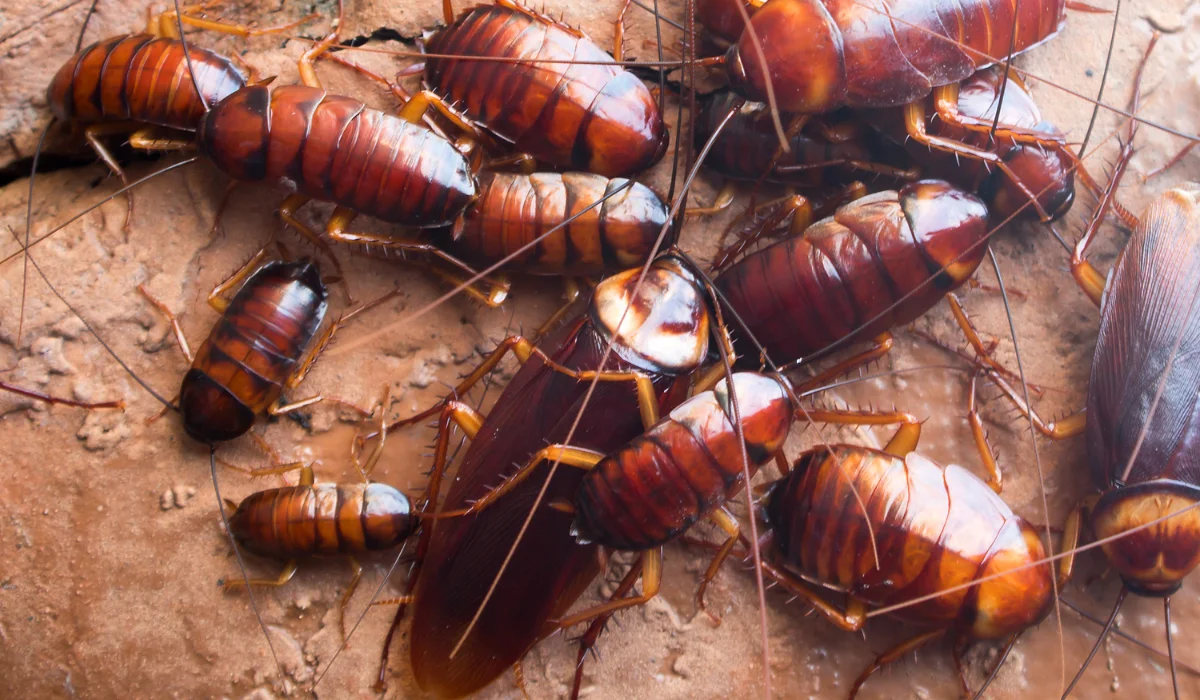
South Louisiana homes can also deal with several different cockroach species, including German cockroaches and American cockroaches, often called palmetto bugs. What you see after service depends on the species, the size of the infestation, available food and moisture, and where the roaches were hiding before treatment. Knowing what is normal can help you decide when to monitor the situation and when to call your technician.
Key Takeaways
- Seeing some live, sluggish, or dead roaches after treatment does not automatically mean the service failed.
- German cockroach problems often require follow-up because eggs and hidden roaches can remain after the initial service.
- Continued heavy activity, new problem areas, or little improvement by the scheduled follow-up should be reported to your technician.
Is Seeing Roaches After Pest Control Normal?
Seeing roaches after pest control is often normal during the early part of the treatment process. Roaches that were hidden behind appliances, inside cabinets, around plumbing, or in other protected spaces may become more noticeable after service.
You may also find dead or sluggish roaches in areas where you did not see them before. With German cockroaches, newly hatched nymphs can appear after the initial visit, which is one reason LaJaunie’s builds follow-up service into its German cockroach treatment process.
If LaJaunie’s recently treated your home and you are unsure whether your sightings fall within the expected treatment period, you can call 985-859-7378 or review LaJaunie’s cockroach control service. Customers enrolled in eligible maintenance programs may also have coverage under LaJaunie’s Re-Treat Guarantee.
What to Expect After Cockroach Treatment
The timeline for seeing fewer roaches depends on the species and how established the infestation was before service. A home with a concentrated German cockroach problem behind the refrigerator may respond differently from a home where occasional American cockroaches are entering from outside.
The following timeline gives Louisiana homeowners a general idea of what they may notice. Your technician’s instructions and scheduled follow-up should take priority because every infestation is different.
| Time After Treatment | What You May Notice | What To Do |
|---|---|---|
| First 1 to 3 Days | More visible roaches, sluggish movement, or dead roaches | Monitor activity and avoid adding unapproved DIY products |
| First Week | Fewer adults in some areas, dead roaches, or newly visible nymphs | Keep food and water sources limited and note where activity continues |
| Around 2 Weeks | Activity should be easier to evaluate; some German roach cases still need attention | Complete the scheduled follow-up and report active areas |
| Around Week 4 | Persistent German roach activity may require another evaluation | Follow the technician’s recommendations if another visit is needed |
A declining number of sightings is usually more useful than expecting every roach to disappear on a particular day. Pay attention to whether activity is becoming less frequent, whether you are seeing fewer adults, and whether the same areas continue producing roaches.
Why Roaches Can Appear After Treatment
Roaches showing up after pest control can happen for several reasons. Treatment can expose insects that were already living in hidden areas, while eggs, food access, moisture, and homeowner-applied products can affect how quickly activity declines.
The location of each sighting matters too. A few slow-moving roaches near an area that was already active tell a different story from repeated healthy roaches appearing in a part of the home that had no previous activity.
Roaches Were Already Hiding Out of Sight
Cockroaches spend much of their time in narrow, protected spaces. Kitchens provide especially good hiding areas behind refrigerators, beneath stoves, around cabinet hinges, near plumbing, and inside cracks where food and moisture are close by.
Treatment can make some of those hidden roaches easier to notice. Homeowners who suddenly see insects in the open may feel like the infestation became worse overnight when many of those roaches were already present but concealed.
If you are finding several insects concentrated around one appliance or cabinet area, understanding what a cockroach nest looks like can help you recognize the signs of a heavily used hiding area.
Egg Cases Can Complicate the Timeline
Cockroach eggs are protected inside egg cases called oothecae. Depending on the species and stage of the infestation, nymphs may appear after the initial service.
That does not automatically mean a new infestation has started. It may mean eggs associated with the original infestation have hatched and the young roaches now need to encounter the treatment already in place.
This is especially relevant with German cockroaches, which require a more thorough treatment approach. LaJaunie’s German roach protocol includes an insect growth regulator designed to interrupt reproduction along with scheduled follow-up.
Food and Water Can Keep Roaches Active
Roaches need very little food to survive. Grease beneath the stove, crumbs under cabinets, open pantry goods, pet food, garbage, and food residue around appliances can all support continued activity.
Water is just as important. A dripping pipe under the sink, condensation, wet sponges, pet water, or moisture around plumbing can give roaches another resource while treatment is underway.
If activity keeps concentrating around plumbing fixtures, LaJaunie’s guide to getting rid of cockroaches in sinks and drains explains why those areas deserve extra attention.
DIY Products Can Interfere With the Treatment Plan
It is tempting to reach for another product as soon as you see a roach after professional service. That can work against the treatment plan if the product causes roaches to avoid areas where baits or other materials have been placed.
LaJaunie’s service experience shows that heavy use of over-the-counter sprays can interfere with professional baits. Instead of adding something new, report the continued activity to your technician and follow the instructions provided after service.
The same caution applies if you are considering diatomaceous earth for cockroaches. Using multiple methods without considering where professional treatment has already been placed can make it harder to evaluate what is working.
Louisiana Cockroach Species Affect What You See After Treatment
Seeing roaches after pest control can mean different things depending on which cockroach species is present. LaJaunie’s treats several species found in South Louisiana, including German, American, Australian, brown-banded, Louisiana woods, smokybrown, Asian, and Oriental cockroaches.
Louisiana’s long warm season and frequent moisture also give roaches plenty of opportunities to remain active around homes. Kitchens, bathrooms, utility areas, garages, exterior entry points, and damp areas around the structure can all require attention depending on the species involved.
German Cockroaches
German cockroaches are small, light brown to tan roaches with two darker stripes behind the head. They require a different treatment approach from many larger cockroach species because they can establish indoor populations and reproduce quickly.
LaJaunie’s uses an insect growth regulator as part of German cockroach service to slow reproduction. The initial service comes with a two-week follow-up, and the technician may schedule another visit around week four if activity shows that it is needed.
For a closer look at why these infestations require persistence, see LaJaunie’s guide to getting rid of German cockroaches in Louisiana.
American Cockroaches
American cockroaches are much larger than German cockroaches and are commonly called palmetto bugs in Louisiana. LaJaunie’s identifies them as one of the cockroach species found across South Louisiana.
Their size makes them especially noticeable when one appears after service. An occasional large roach does not necessarily mean you have the same type of indoor breeding problem associated with German cockroaches, so species identification helps determine what the sighting means.
LaJaunie’s guide to American cockroaches in Louisiana explains how these large roaches differ from smaller household species.
How to Tell Whether Roach Activity Is Decreasing
Post-treatment monitoring is more useful when you look for patterns instead of focusing on a single roach. Note where sightings occur, whether the insects are adults or nymphs, and whether the number you see is dropping from week to week.
Droppings can also help identify where cockroaches have been active. Fresh-looking material repeatedly appearing around cabinets, drawers, appliances, or other hiding areas is worth reporting at follow-up.
If you are not sure what you found, LaJaunie’s guide to what cockroach poop looks like can help you distinguish droppings from crumbs or other household debris.
Nighttime Sightings Can Reveal Active Areas
Roaches are most active when the home is quiet and dark, so nighttime sightings are common. Seeing one at night does not by itself tell you whether the treatment is failing.
What matters more is the pattern. Repeated sightings in the same kitchen cabinet, bathroom, or appliance area can help your technician narrow down where activity remains.
Some homeowners also worry about roaches approaching people at night. If that is part of your concern, LaJaunie’s explains whether cockroaches bite people while they sleep and what other evidence to check around the room.
What You Can Do After Cockroach Treatment
What you do after treatment can affect how easy it is to control the remaining roaches. Focus on reducing the food, water, and clutter that help them remain hidden rather than trying to layer new treatments on top of the technician’s work.
Keep following the instructions you received during service. If you are not sure whether you should clean a treated location, move an appliance, or apply another product, ask your technician before changing the area.
Reduce Food Sources
Clean food residue from counters, floors, cabinet shelves, and the sides or undersides of appliances. Store pantry goods in sealed containers and avoid leaving pet food sitting out longer than necessary.
Pay particular attention to grease and crumbs behind stoves and refrigerators. These hidden food sources can be easy to miss during normal kitchen cleaning.
Roaches need only small amounts of food, so removing what is available makes the environment less supportive while the treatment is working.
Correct Moisture Problems
Repair leaking faucets, pipes, hoses, and other plumbing problems. Dry damp areas under sinks and keep gutters and downspouts clear so water does not collect around the foundation.
Inside the home, check around refrigerators, dishwashers, washing machines, and other places where moisture may collect unnoticed.
These steps help reduce the resources cockroaches rely on and make recurring problem areas easier to identify.
Remove Clutter Near Active Areas
Cardboard, paper bags, crowded cabinets, and stored items create extra hiding spaces. Reducing clutter gives roaches fewer protected areas and makes monitoring easier.
You do not need to empty the entire house. Focus on the rooms and storage areas where you or your technician have already found evidence.
If pets are part of the household, use your technician’s instructions before adding anything around bowls, bedding, or pet-accessible areas. LaJaunie’s also has a guide to pet-safe cockroach treatment options for homeowners who want to understand common control approaches around animals.
When Seeing Roaches After Pest Control Needs a Follow-Up
Seeing roaches after pest control becomes more concerning when activity is not declining, when you continue seeing healthy adults in large numbers, or when roaches begin appearing in areas that were not active before treatment.
German cockroach cases deserve special attention at the scheduled follow-up because the species requires a more intensive approach. LaJaunie’s includes a two-week follow-up with German cockroach service so the technician can assess what remains and decide whether another visit around week four is needed.
Do not wait for the follow-up to mention a major change. If activity suddenly increases, you find a concentrated new hiding area, or you are unsure whether something you did affected the treatment, contact the company that performed the service and explain exactly what you are seeing.
What LaJaunie’s Technicians Check During Follow-Up
LaJaunie’s technicians use follow-up visits to look at the areas where activity remains instead of assuming every post-treatment sighting has the same cause. Knowing where you saw roaches, what size they were, and whether sightings are increasing or decreasing gives the technician useful information.
The company’s broader pest-control process includes inspecting the home for current and potential problems, treating access points and cracks or crevices as appropriate, and providing service notes about what was found and completed.
For German cockroaches, follow-up is already part of the service plan. That gives the technician a chance to assess the response to the first treatment and determine whether another visit is necessary.
Making the Right Next Move After Roach Treatment
Seeing a few roaches after treatment can be part of the control process, especially during the first days or while a German cockroach infestation is moving through scheduled follow-up. What matters is the trend. You should be seeing less activity over time rather than the same level of healthy roaches continuing without improvement.
LaJaunie’s Pest Control treats German cockroaches, American cockroaches, and other roach species found throughout South Louisiana. If you are still seeing activity after service, LaJaunie’s cockroach control team can review what you are seeing and determine the next step. Existing customers can also contact LaJaunie’s to ask about their scheduled follow-up or eligible Re-Treat Guarantee coverage.
Frequently Asked Question About Roaches After Pest Control
Is It Normal to See More Roaches After Pest Control?
Yes. You may temporarily notice more roaches because insects that were previously hidden become easier to see after treatment. Dead or sluggish roaches can also appear. Watch the overall trend rather than a single sighting. Activity should begin decreasing, and persistent German cockroach problems should be discussed during the scheduled follow-up.
How Long Does It Take for Pest Control to Get Rid of Roaches?
Many homeowners notice changes during the first one to two weeks, but the full timeline depends on the cockroach species and the size of the infestation. LaJaunie’s German roach service includes a two-week follow-up, with another visit around week four when the technician determines additional service is needed.
Why Am I Seeing Baby Roaches After Treatment?
Baby roaches, called nymphs, may appear after treatment when egg cases associated with the original infestation hatch. Their appearance does not automatically mean the service failed. German cockroach treatment accounts for ongoing reproduction, which is why LaJaunie’s uses an insect growth regulator and includes follow-up to evaluate continued activity.