



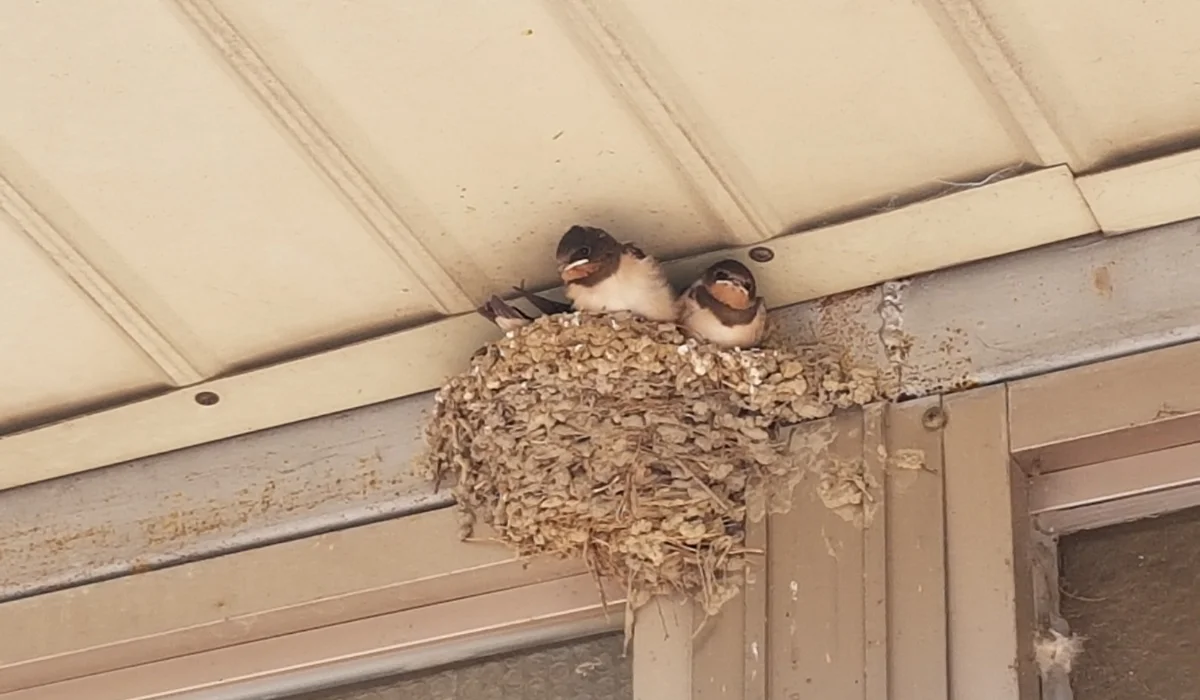
Bird nest removal in Louisiana is not as simple as pulling twigs from an eave or dryer vent. Many native birds and their eggs are protected under federal law, which means the species and whether the nest is active can change what you are allowed to do. LaJaunie’s technicians inspect eaves, soffits, fascia, roof openings, vents, and attics when bird activity is reported around homes in Southeast Louisiana, including the New Orleans area. Before removing anything, confirm what bird is using the nest, whether eggs or young are present, and whether the nest can legally be disturbed.
Key Takeaways
- Active nests belonging to many native migratory birds should not be removed while eggs or young are present.
- Native birds such as purple martins and northern mockingbirds receive federal protection, while nonnative house sparrows and European starlings are not protected by the Migratory Bird Treaty Act.
- Once a nest can legally be removed, cleaning the area and correcting the access point can help keep birds from returning to the same spot.
Bird Nest Removal in Louisiana and the Law
Bird nest removal in Louisiana is governed in part by the federal Migratory Bird Treaty Act. The law protects many native migratory birds, along with their eggs and young, from unauthorized taking. Removing or destroying an active nest in a way that harms protected birds, eggs, or nestlings can create a legal problem.
The safest approach is to identify the species and determine whether the nest is active before touching it. Federal protection does not apply to every bird found around a Louisiana home, and other federal, state, local, or property rules can also affect what is allowed. If identification is uncertain, avoid disturbing the nest until a qualified wildlife professional can inspect it.
What Makes a Bird Nest Active
A nest is generally considered active when birds are currently using it for breeding, especially when it contains eggs or young.
Watch from a reasonable distance before approaching the area. Adult birds repeatedly carrying food, nesting material, or entering the same opening can indicate that the site is in use.
Chirping from inside a vent, soffit, chimney, or attic can also signal young birds that are not visible from the outside.
When an Inactive Nest May Be Removed
An old nest with no eggs, young, or ongoing bird activity may be removable, depending on the species and location.
Confirming that a nest is truly inactive can take more than a quick glance. Young birds may have fledged while adults still use the area, or the nest may sit deep enough inside an opening that its contents cannot be seen safely.
Once removal is appropriate, the surrounding area should also be checked for nesting material, droppings, parasites, and the opening birds used to reach the site.
Which Louisiana Birds Are Federally Protected
Louisiana supports a wide range of native birds, and many fall under the Migratory Bird Treaty Act. That means homeowners should not assume a nest can be removed simply because it is attached to a house rather than a tree.
Species identification becomes especially useful during spring and summer when nesting activity is easier to notice. Color, body shape, calls, nest style, and where the bird enters the structure can all help narrow down what is present.
| Bird | Federal MBTA Protection | Common Residential Concern |
|---|---|---|
| Purple Martin | Protected | May nest near homes in birdhouses or sheltered structures |
| Northern Mockingbird | Protected | Common around yards, shrubs, and landscaping |
| Many Native Songbirds | Protected | May nest in eaves, shrubs, vents, or sheltered ledges |
| House Sparrow | Not Protected by the MBTA | May use vents, eaves, signs, and structural gaps |
| European Starling | Not Protected by the MBTA | Often uses cavities, vents, roof openings, and building gaps |
| Feral Rock Pigeon | Not Protected by the MBTA | Frequently nests on ledges, roofs, commercial structures, and sheltered openings |
Federal status is only one part of the decision. A nonprotected species may still require careful handling because nests can contain young birds, droppings, mites, and other contamination. Local rules or other restrictions may also apply.
Purple Martins and Native Songbirds
Purple martins are native migratory birds protected under federal law. The same broad protection applies to many native songbirds found around Louisiana homes.
Northern mockingbirds, Louisiana’s state bird, are also federally protected. If one of these birds has an active nest with eggs or young, removal should not be treated like routine debris cleanup.
Waiting until the breeding activity is complete is usually the safer course unless an authorized wildlife professional determines another action is appropriate.
House Sparrows and European Starlings
House sparrows and European starlings are nonnative species and are not protected under the federal Migratory Bird Treaty Act.
That difference does not mean homeowners should immediately reach into a vent or climb onto a roof. Access can be unsafe, and nesting areas may contain droppings, mites, young birds, or material packed deep inside a cavity.
Correct identification still matters because a sparrow-sized bird entering an eave is not automatically a house sparrow.
Where LaJaunie’s Technicians Look for Bird Nests
Bird nest removal around Southeast Louisiana homes often begins with finding how the birds reached the structure. LaJaunie’s wildlife inspection process includes checking eaves, soffits, fascia, roof voids, vents, attics, chimneys, and other openings where animals can enter.
Technicians also look inside attics for evidence that helps explain sounds reported by homeowners. LaJaunie’s service procedures specifically note that birds moving in and out of an attic can sometimes sound like rodents running overhead, so confirming the animal before planning removal is an important part of the inspection.
Dryer Vents
Dryer vents offer birds a sheltered cavity with protection from rain and direct sunlight. Nesting material can become packed inside the vent rather than remaining visible near the exterior cover.
Do not reach into an occupied vent or try to pull out a nest when you cannot see what is behind it. Removing part of the material could leave eggs, young birds, or more nesting debris farther inside.
After the nest is legally and safely removed, the vent should be checked for remaining material and fitted with an appropriate bird-resistant cover that does not prevent proper airflow.
Attic Eaves, Soffits, and Fascia
Eaves and roof edges are major inspection points because small openings can lead directly into sheltered attic areas.
LaJaunie’s inspectors check the upper portions of the home for gaps around soffits, fascia, roof voids, pipes, and other potential entry points. Inside the attic, they look for light coming through openings and for evidence showing where an animal has been moving.
That inspection matters in older homes and properties where storms, repairs, or normal aging have created new gaps along the roofline.
Chimneys
Birds can also enter uncapped or damaged chimneys and build nests on ledges or inside the flue.
Sounds coming from a chimney can be difficult to interpret from inside the house. Our guide on how to get rid of birds in your chimney explains what to check before trying to remove a bird or nesting material.
A chimney should not be used while birds, nests, or nesting debris are blocking the flue.
Birds or Bats in the Attic
Bird activity in an attic can sound surprisingly similar to other wildlife. Scratching, fluttering, movement above the ceiling, and noises around sunrise or sunset may leave homeowners unsure what entered the structure.
Correct identification matters because bird and bat removal follow different legal and service considerations. The entry point, droppings, sounds, nesting material, and time of activity all provide useful clues.
Listen to When the Activity Happens
Birds are generally more active during daylight hours. Repeated chirping and movement around sunrise can indicate adults feeding young inside an attic or wall opening.
Bats are more closely associated with nighttime movement and may be noticed leaving around dusk.
Those patterns help narrow things down, but they are not enough to confirm the species by themselves. Our comparison of bats vs. birds in Louisiana attics covers the signs homeowners can use before scheduling an inspection.
Check for Nesting Material
Twigs, grass, feathers, and other nesting material near an opening point toward birds rather than bats.
LaJaunie’s technicians also inspect attic insulation, soffits, fascia, roof openings, and other areas for evidence of entry. Finding the correct opening helps determine how the animal is getting inside and what should happen after it leaves.
Sealing an opening before confirming that the animal is out can trap wildlife inside the structure, so exclusion should be timed carefully.
When Is Bird Nesting Season in Louisiana
Bird nest removal becomes more complicated when breeding activity is underway. Louisiana’s mild climate means there is no single calendar date when every species begins or finishes nesting.
Many birds become more visibly active during spring and summer, but timing varies by species, weather, and location. That is why the presence of eggs, young, and active adult birds matters more than assuming a nest is safe to remove because a certain month has passed.
Watch the Nest Before Removing Anything
Observe the site from a distance rather than repeatedly approaching it.
Parent birds may leave for stretches of time while feeding, so an empty-looking nest is not always abandoned. Watch for adults returning with food or entering the same cavity over several observation periods.
If you cannot safely see inside the nest or opening, a professional inspection can help determine whether activity is still present.
Wait for Young Birds to Leave
Young birds eventually fledge and leave the nest, but leaving the nest once does not always mean they are completely independent.
Avoid immediately removing a nest the first time you see young birds outside it. Continued adult activity around the site can indicate that the family is still using the area.
Once the nest is confirmed inactive and removal is legally appropriate, the cleanup and exclusion work can begin.
How Bird Nest Removal Is Handled Safely
Safe bird nest removal involves more than taking out visible twigs. The technician must first know whether the nest can be disturbed, where the material extends, and whether the birds have another route deeper into the structure.
LaJaunie’s bird control process begins with an inspection and a personalized plan. Depending on the location and the problem, the company may use bird netting, bird repellent, Avian bird control, or exclusion work designed for the structure.
Confirm the Species and Nest Status
Species identification comes first when legal protection may apply.
A technician can inspect the bird, nesting location, eggs, young, droppings, and surrounding conditions. If an active protected nest is present, removal may need to wait until the birds have finished nesting or follow any applicable legal requirements.
This step also helps avoid confusing birds with bats or rodents using the same part of the structure.
Remove Old Nesting Material
Once removal is appropriate, nesting material should be taken out completely rather than pulling away only what can be seen from the exterior.
Material left inside vents, soffits, or attic openings can continue to hold droppings, feathers, parasites, and debris.
Gloves and suitable protective equipment are appropriate when handling bird-contaminated material. Avoid stirring up dry droppings or dust unnecessarily.
Clean the Affected Area
Bird droppings and nesting material can contaminate the surfaces around a nesting site.
The amount of cleanup depends on where the nest was located and how much material accumulated. A small exterior nest may require less work than repeated nesting inside an attic, vent, or enclosed cavity.
LaJaunie’s wildlife service can include sanitation when animal contamination is found as part of a broader exclusion project.
How to Keep Birds From Nesting in the Same Spot
Removing an inactive bird nest solves only the immediate problem. If the same protected opening remains available, another bird may use it during a future nesting period.
Bird prevention should focus on closing appropriate access points and making repeat nesting less attractive without trapping birds inside. Timing matters because exclusion should not seal an active bird or dependent young inside a structure.
Repair Gaps Around Eaves and Rooflines
Inspect damaged soffits, loose fascia, roof openings, vents, and gaps where utilities enter the structure.
LaJaunie’s wildlife inspections focus on these same areas because small defects can become entry points for several types of animals. Repairing them after the birds leave can reduce repeat access.
For broader animal entry problems, LaJaunie’s wildlife control services include inspection and exclusion options based on what is entering the property and where.
Use Bird Deterrents Where Appropriate
Bird deterrents work best when they match the structure and the species involved.
LaJaunie’s bird service may use netting for larger areas, repellent measures, and Avian bird control around eaves or exterior spaces. A professional inspection helps determine which approach fits the location rather than relying on temporary scare devices.
Fake owls and noise devices may lose effectiveness once birds become accustomed to them.
Protect Vents Without Blocking Airflow
Vents need protection that keeps birds out while allowing the system to function correctly.
Damaged or missing vent covers should be repaired after confirming that no birds remain inside. Avoid using improvised barriers that restrict dryer exhaust, attic ventilation, or other required airflow.
The same principle applies to roof vents and other openings that must remain ventilated.
When to Call a Bird Removal Professional
Professional bird removal is appropriate when the nest contains eggs or young, you cannot identify the species, the nest is inside a vent or attic, or reaching it would require roof or ladder work.
It is also worth scheduling an inspection when birds repeatedly return to the same opening. Recurrent nesting can indicate a structural gap that needs more than nest cleanup.
LaJaunie’s bird control service begins with an inspection and a plan based on the bird, nesting location, and conditions around the property.
Handling Bird Nest Removal the Right Way in Louisiana
Bird nest removal in Louisiana requires a little more care than removing ordinary yard debris. The main questions are whether the nest is active, what species is using it, whether federal protection applies, and what allowed the bird to reach the area in the first place. Once removal is legal and appropriate, cleaning and correcting the access point can help prevent the same problem from returning.
LaJaunie’s Pest Control provides bird and wildlife services throughout Southeast Louisiana, including the New Orleans area. If a nest is tucked inside an attic, vent, eave, chimney, or another difficult location, contact LaJaunie’s to have the site inspected before disturbing it.
Active Bird Nest Removal FAQs for Louisiana Homes
Can I Remove a Bird Nest Myself in Louisiana?
You may be able to remove an inactive nest once you have confirmed that no eggs or young are present and no other legal restriction applies. Active nests belonging to federally protected native birds should not be disturbed. If you cannot identify the bird or see inside the nest safely, have it inspected first.
Is It Illegal to Remove a Bird Nest in Louisiana?
It can be. Federal law protects many native migratory birds, their eggs, and young. Removing an active nest in a way that harms protected birds or eggs may violate the Migratory Bird Treaty Act. House sparrows and European starlings are not protected by that federal law, although other rules may still apply.
Which Bird Nests Can Be Removed in Louisiana?
The answer depends on the species and whether the nest is active. Many native birds, including purple martins and northern mockingbirds, are federally protected. House sparrows and European starlings are not protected by the Migratory Bird Treaty Act. When identification is uncertain, leave the nest alone until it can be checked.