

Living in New Orleans comes with a lot of perks, great food, rich culture, and one-of-a-kind events like Mardi Gras. But if you’ve lived here long enough, you also know that the bugs in this town are something else.
At LaJaunie’s Pest Control, we see the same pattern across New Orleans: the pest problem often depends on the neighborhood and the property itself. French Quarter buildings may have shared walls and older openings, Mid-City homes sit near canals and mature oaks, and Metairie yards can hold water after a heavy summer storm. Those conditions help explain why common bugs in New Orleans can be such a regular part of life. High humidity, the Mississippi River, bayous, storm drains, standing water, and long warm seasons give many pests the moisture and shelter they need.
You may also notice different problems depending on the type of home you live in. Historic shotgun houses, raised cottages, crawl spaces, and older utility openings can give roaches, termites, and other pests more ways to get inside. This guide covers 10 common bugs in New Orleans, when you are most likely to see them, and what can be done when they show up.
Key Takeaways
- American and German cockroaches are common around New Orleans, but they behave differently and require different treatment approaches.
- Subterranean and Formosan termites can remain hidden in homes and trees, making inspections especially useful in older New Orleans neighborhoods.
- Mosquitoes, fleas, fire ants, and other outdoor pests become more noticeable during warm, wet parts of the year.
- New Orleans housing, drainage, mature oak trees, and seasonal travel all influence which pests you may see and when.
1. American Cockroach
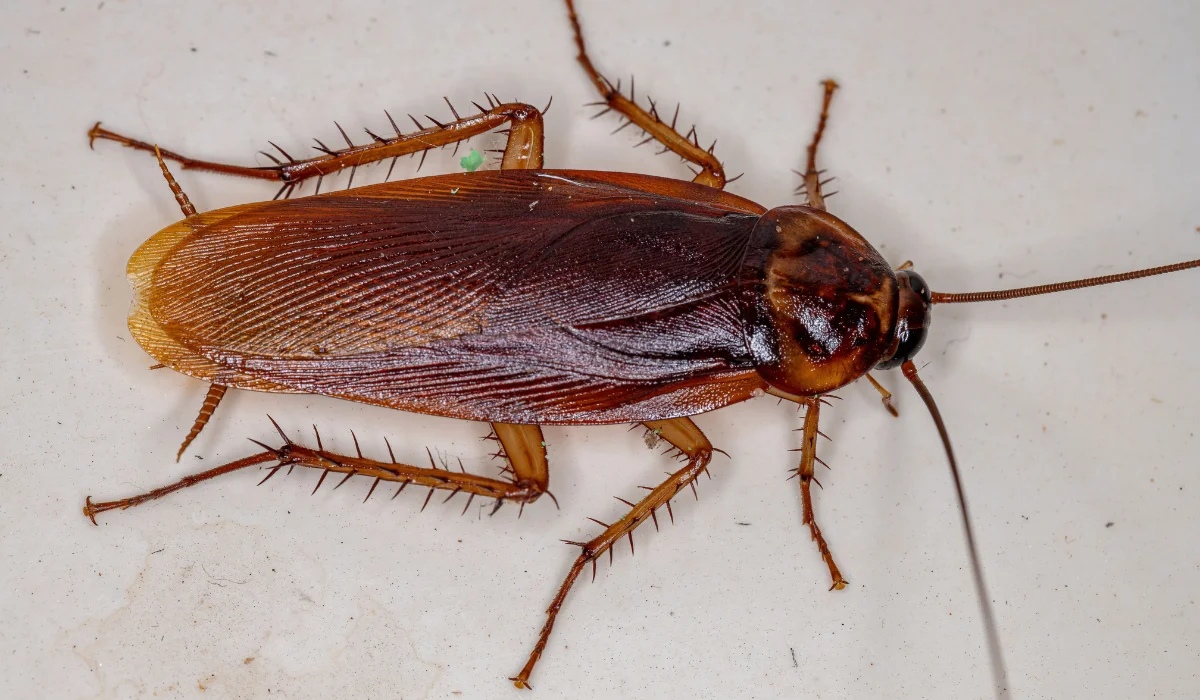
Locals call them palmetto bugs, but make no mistake. These are American cockroaches.
They’re huge, often more than two inches long, and love dark, damp places. You’ll find them scurrying in storm drains, sewers, and sometimes right through your front door.
These roaches can even fly short distances, which is why it’s not unheard of to see them glide through the air during a summer night. Their presence can also point to moisture or sanitation issues in and around your home.
What LaJaunie’s Does About American Cockroaches
A technician looks for the places these roaches are entering or hiding, including the foundation, doors, windows, garage, attic, cracks, and damp exterior areas. Treatment may include the base of the home, entry points, nearby shrubs, and other areas where activity is found.
American cockroaches respond to the granular and targeted treatments LaJaunie’s uses for larger outdoor roach species. They are especially common around New Orleans drains, crawl spaces, and damp areas during warm weather.
2. German Cockroach
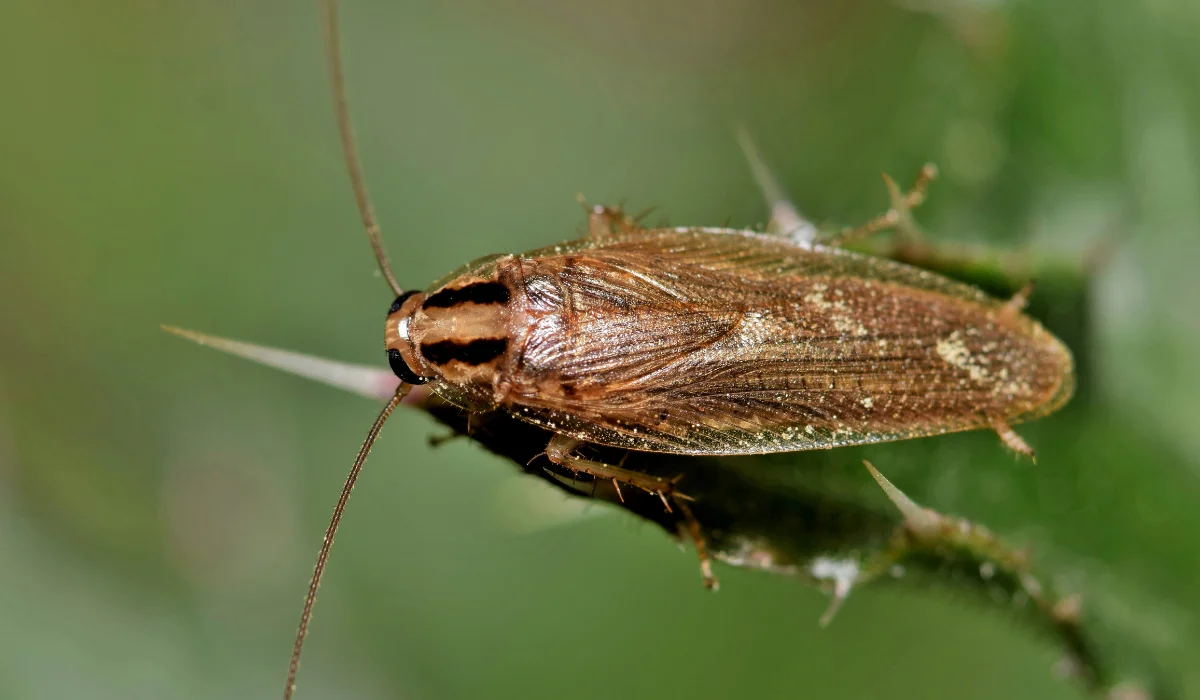
Unlike the palmetto bug, the German cockroach is smaller but far more problematic indoors. They multiply quickly and thrive in kitchens and bathrooms.
If you spot one, more may be hiding in crevices, cabinets, and behind appliances. Their tiny size lets them slip into narrow spaces, and established infestations can be hard to remove without a thorough treatment plan.
New Orleans apartments, duplexes, shotgun doubles, and other properties with closely connected rooms or shared walls can give these roaches more places to spread.
What LaJaunie’s Does About German Cockroaches
German cockroaches need a different approach from larger outdoor roaches. LaJaunie’s uses a growth regulator to slow reproduction and targets the cracks, crevices, cabinets, and other areas where the roaches are active.
The initial service includes a two-week follow-up. If the technician determines another visit is needed around week four, that follow-up can also be provided. Avoid heavy use of store-bought sprays before service because they can interfere with bait-based treatment.
3. Subterranean Termites
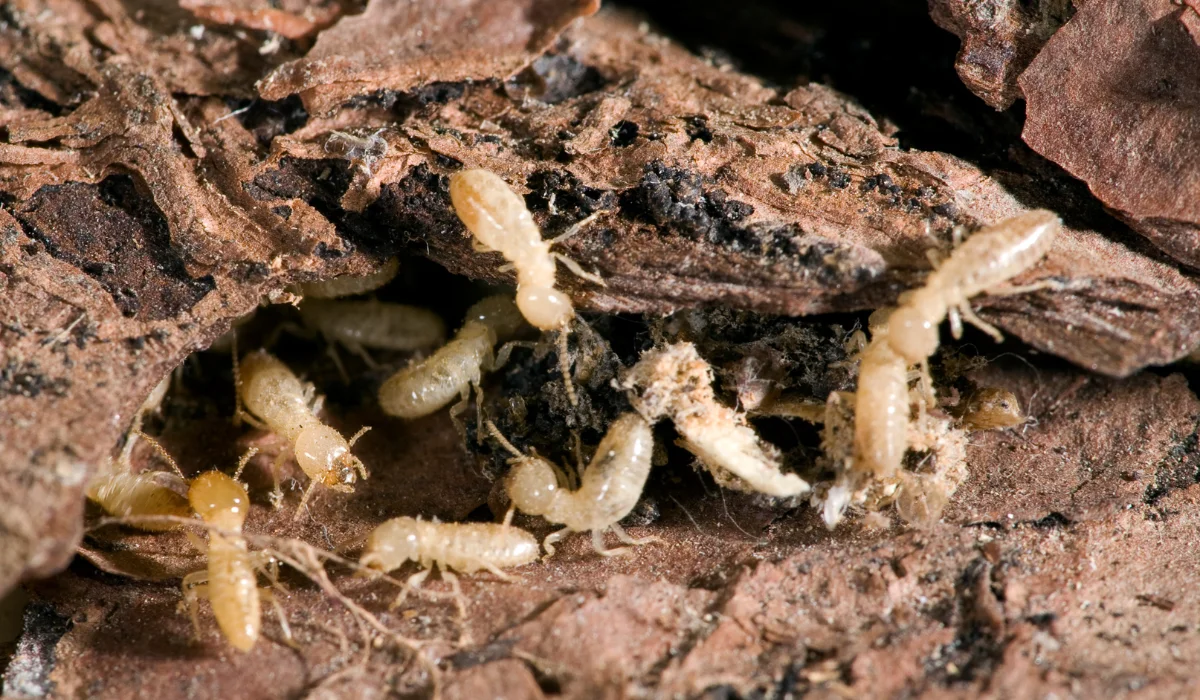
Subterranean termites are a major concern in the New Orleans area because they live underground and can reach wooden parts of a home from the soil. Raised houses, crawl spaces, porches, and areas where soil stays damp deserve extra attention.
Because termites can remain hidden, you may not notice activity until you find mud tubes, swarmers, discarded wings, or damaged wood. Older homes can have additions, piers, and hard-to-see access points that make regular inspections useful.
What LaJaunie’s Does About Subterranean Termites
LaJaunie’s starts with an inspection to look for active termites and conditions around the structure that may support them. Depending on the property, treatment may include bait stations placed around the home or a foundation treatment designed to stop termites from moving between the soil and structure.
Bait stations are inspected as part of ongoing termite protection. Raised homes generally require an in-person termite inspection because crawl spaces and foundation conditions cannot always be assessed accurately from the exterior.
4. Formosan Termites
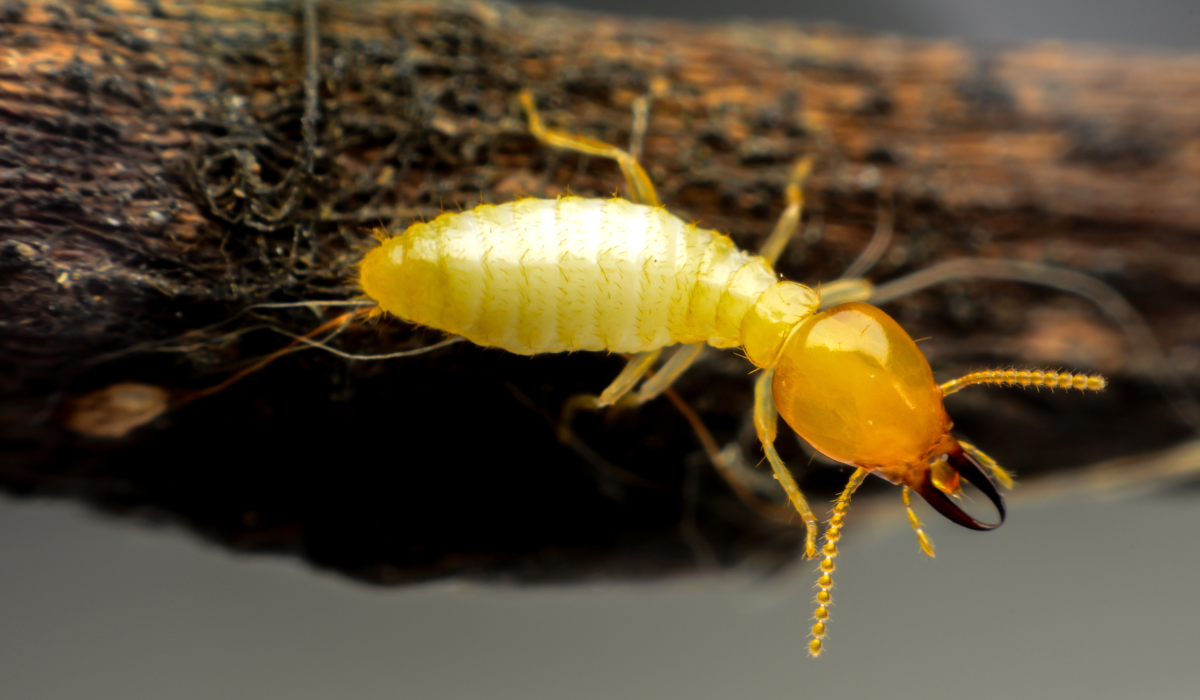
Formosan termites are an invasive termite that has caused problems throughout South Louisiana, but New Orleans has its own local concerns. Large colonies can infest homes as well as live trees.
That matters in oak-lined neighborhoods such as Uptown, the Garden District, and Mid-City. Swarming becomes especially noticeable during warm evenings in late spring and early summer, when winged termites may gather around porch lights, windows, and doors.
What LaJaunie’s Does About Formosan Termites
A Formosan termite inspection helps determine whether activity is coming from the structure, the soil, a nearby tree, or another source. Depending on what is found, treatment may include bait stations, direct treatment of active areas, or foundation work.
If you notice swarmers near your house or termite activity around a mature oak, having the area inspected can help determine whether the activity is limited to the tree or has reached the structure.
5. Mosquitoes
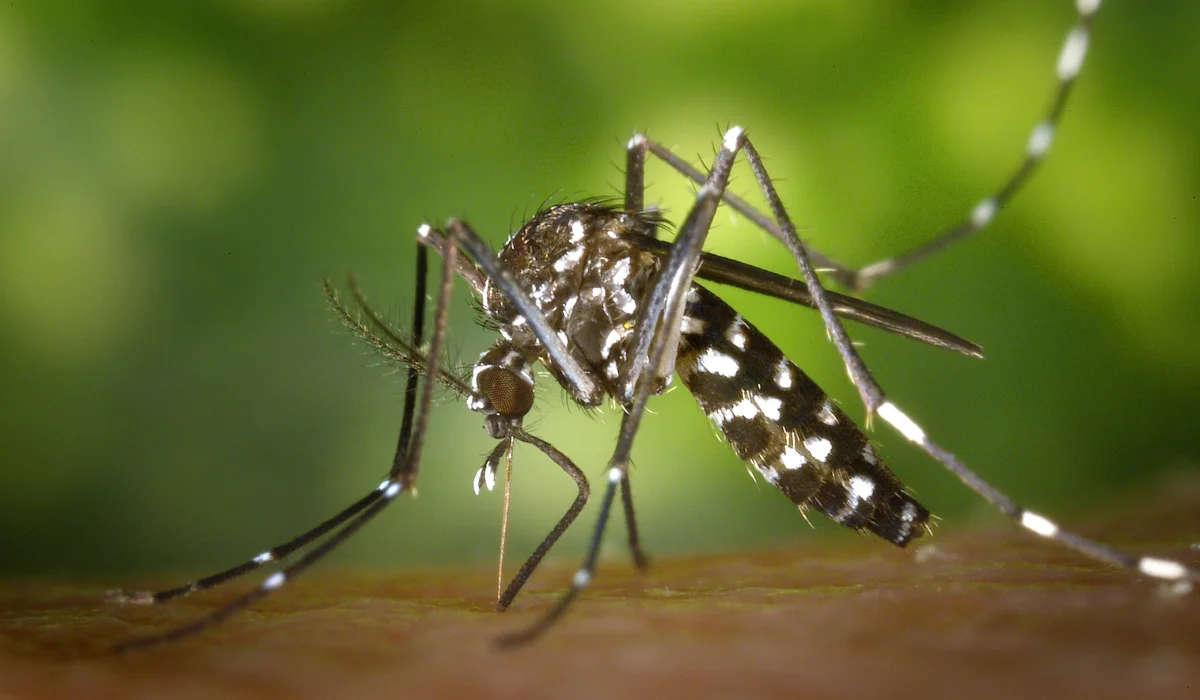
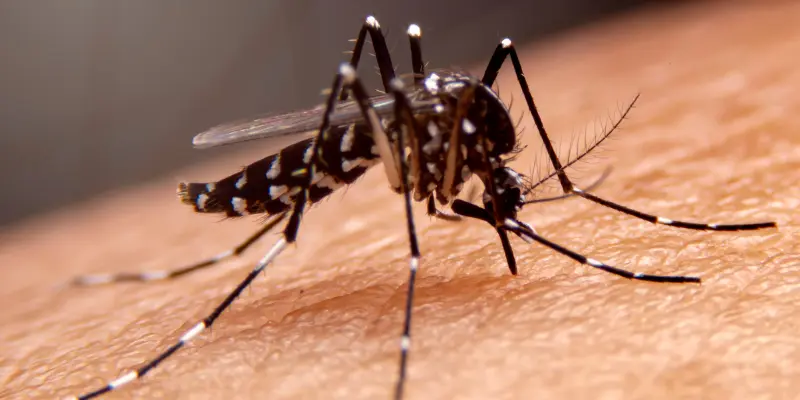
With all the standing water around, from potholes to bayous, mosquitoes thrive in New Orleans. Water can also collect in gutters, flowerpot saucers, toys, tarps, drains, and low parts of a yard after rain.
Mosquitoes are more than a backyard nuisance because some species can spread illnesses such as West Nile virus. The Centers for Disease Control and Prevention (CDC) explains how West Nile virus spreads.
What LaJaunie’s Does About Mosquitoes
LaJaunie’s combines monthly yard treatments with the In2Care system. Technicians also inspect for areas around your property that may be supporting mosquito activity so you know which conditions need attention.
A typical mosquito treatment takes about 30 minutes, although the time varies with yard size. The service is especially useful during New Orleans’ warmer, wetter months when mosquito activity rises after rain.
6. Bed Bugs
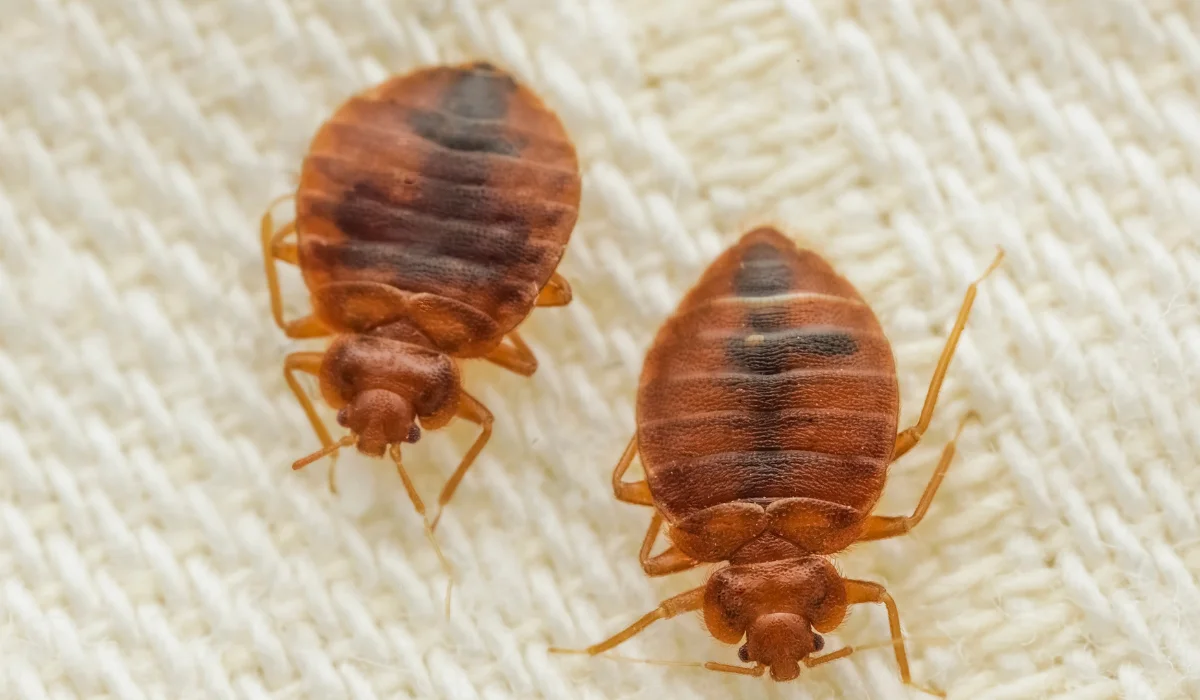
Bed bugs aren’t just a problem for hotels. They can enter homes, apartments, condos, and duplexes on luggage, furniture, bags, clothing, and other belongings.
New Orleans has steady visitor traffic throughout the year, with especially busy periods around Carnival, Mardi Gras, festivals, conventions, and major events. Bed bugs do not follow a normal outdoor season, but increased travel gives them more chances to move between locations.
They often hide in mattresses, bed frames, headboards, couches, outlets, and picture frames, then come out while people are resting.
What LaJaunie’s Does About Bed Bugs
The first step is confirming that bed bugs are causing the problem. Bed bug treatment focuses on areas such as bed frames, headboards, mattress and box-spring seams, molding, cracks, nearby furniture, and other hiding spots found during inspection.
A follow-up takes place about two weeks later to address remaining activity and later life stages. You will also receive preparation instructions so clothing, bedding, furniture, and other belongings can be handled without spreading bed bugs into other rooms.
7. Fleas
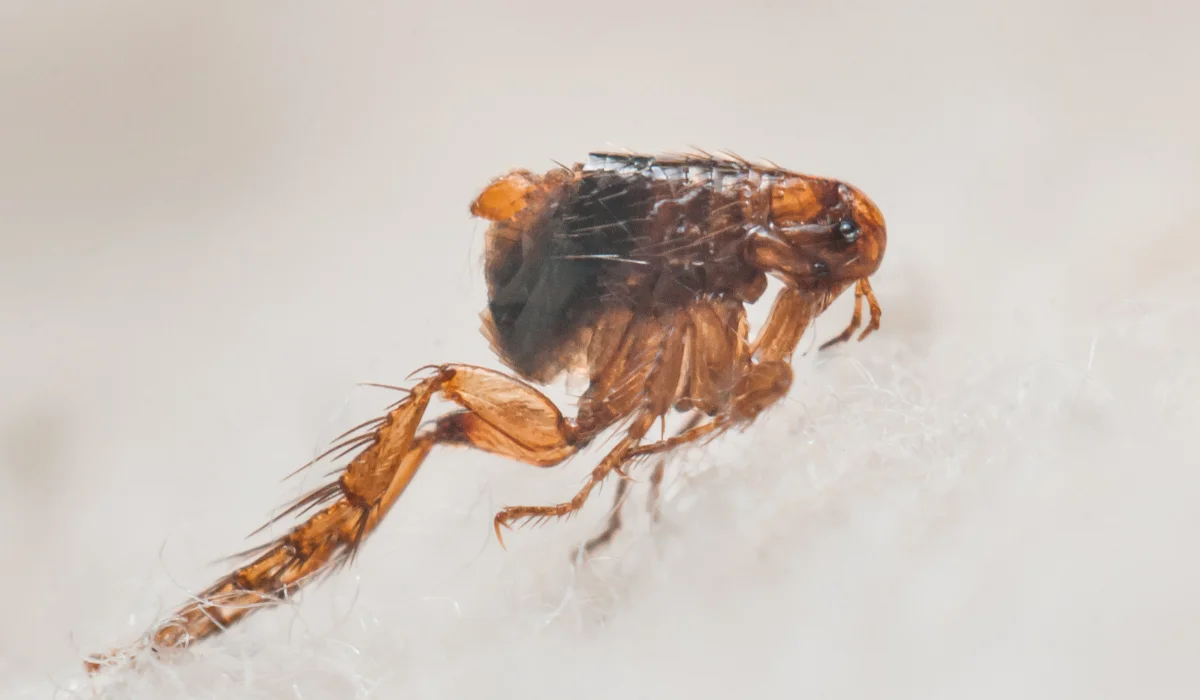
In a pet-loving city like New Orleans, fleas are a familiar headache. Dogs and cats can bring them in from the yard, a park, or another outdoor area.
They thrive in warm, humid conditions and are especially common in shaded yards, thick grass, pet resting areas, and protected spaces beneath decks or raised homes. Once indoors, they can settle around rugs, flooring, furniture, and other areas where pets spend time.
What LaJaunie’s Does About Fleas
Flea service can cover the yard, the interior, or both. For outdoor problems, a technician inspects for active areas and can treat up to a half acre as part of the standard outdoor service.
Indoor treatment focuses on baseboards, cracks, crevices, flooring, and pet activity areas. The service includes a two-week follow-up to address fleas that develop after the first visit.
8. Fire Ants
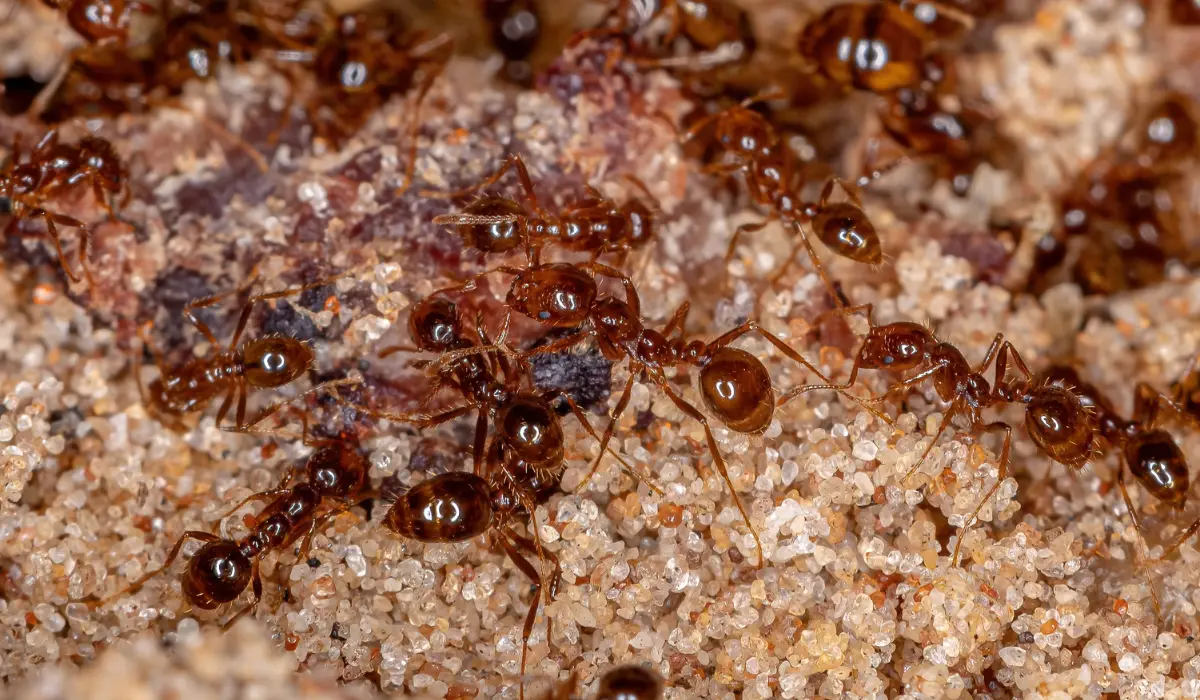
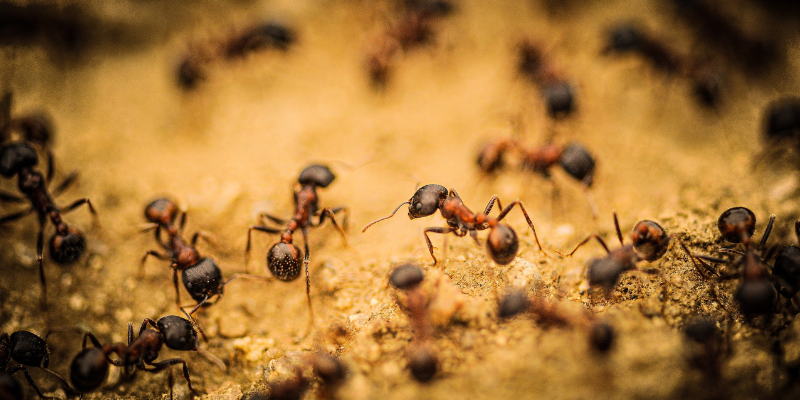
Fire ants are common in New Orleans-area lawns, gardens, sidewalk edges, and other sunny spaces. Fresh mounds can become easier to spot after rain and warm weather.
Disturbing a mound can cause many ants to sting at once. If a mound appears near a walkway, play area, patio, or pet space, keep people and animals away from it until the colony can be addressed.
What LaJaunie’s Does About Fire Ants
Fire ants are included among the pests covered through LaJaunie’s standard residential pest service. A technician inspects the exterior property, identifies active areas, and treats the colony based on where it is located.
The service can also address nearby pest access points around the foundation, landscaping, windows, doors, and walkways.
9. Crickets
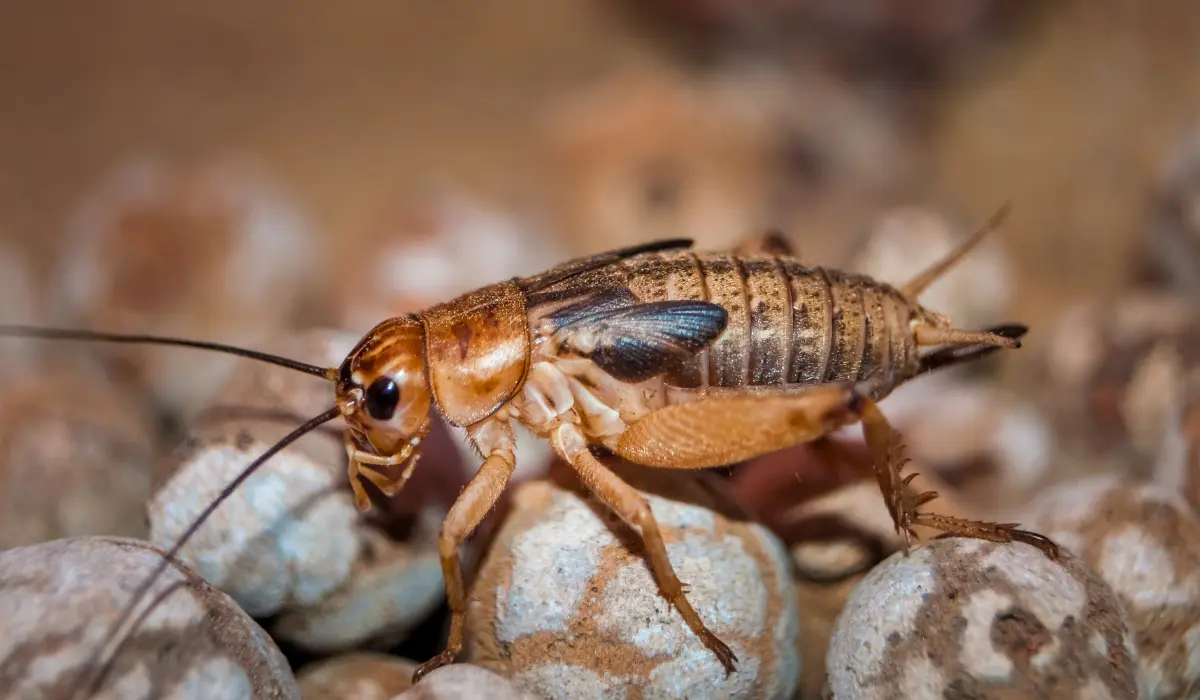
While not dangerous, crickets are a common nighttime nuisance in New Orleans. They can enter homes through small cracks, worn seals, garage doors, foundation gaps, and utility openings.
They are drawn to warm, moist environments, something New Orleans has in abundance. Exterior lighting may also bring insects closer to doors and windows, giving crickets an easier way inside.
What LaJaunie’s Does About Crickets
Cricket control focuses on finding how they are getting into the building. Technicians inspect doors, windows, cracks, the garage, foundation areas, and other common access points before treating areas where activity is found.
Crickets are covered by LaJaunie’s standard pest-control service, so treatment can also address other general household pests found during the inspection.
10. Buck Moth Caterpillars
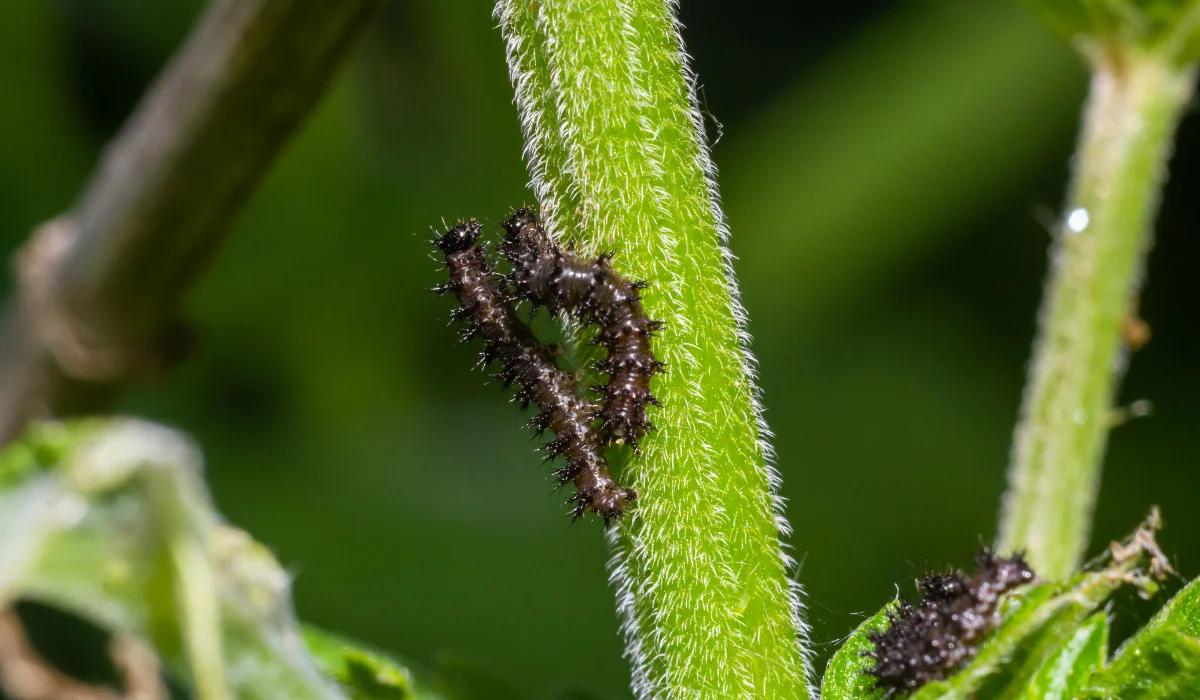
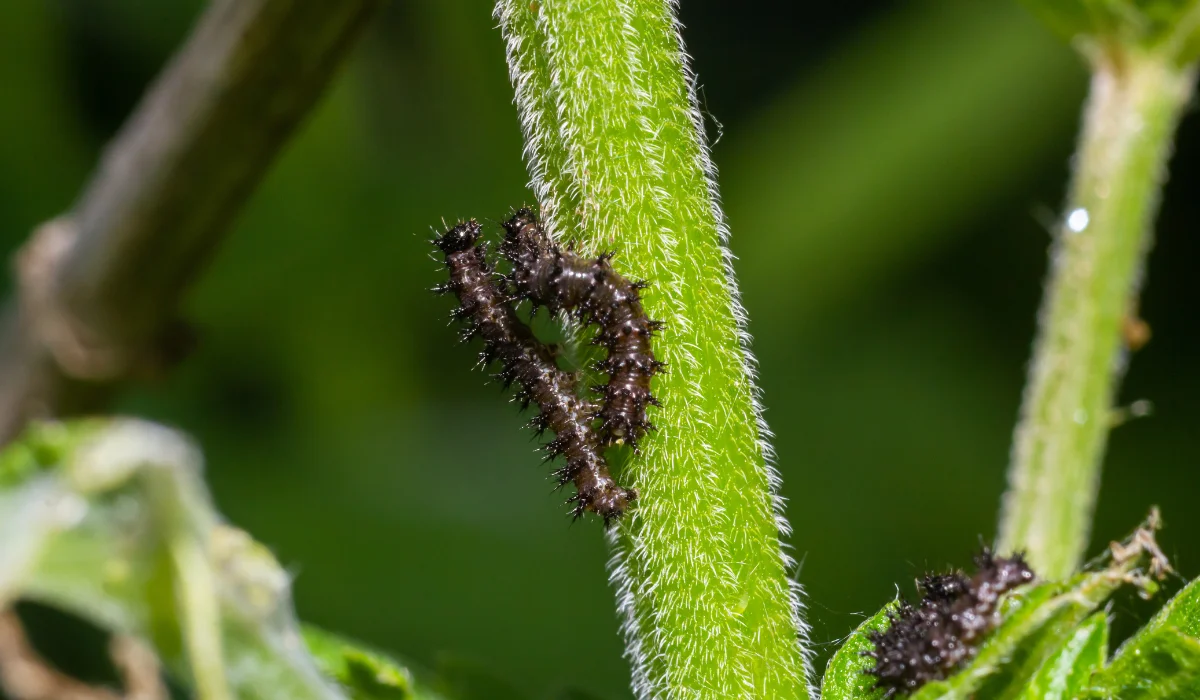
If you’ve ever been stung by a buck moth caterpillar, you won’t forget it. These spiny caterpillars show up in spring, especially in neighborhoods with mature oak trees such as Mid-City and Uptown.
They may fall onto sidewalks, porches, outdoor furniture, cars, and lawns beneath the trees. Brushing against their spines can cause a painful reaction, so check outdoor surfaces before sitting down or letting children play beneath heavily affected oaks.
What LaJaunie’s Does About Buck Moth Caterpillars
Because buck moth caterpillars are tied closely to oak trees, the right approach depends on what is happening on the individual property. A technician can inspect the affected area and determine whether treatment around the property is appropriate.
During spring activity, simple avoidance also helps. Check patio furniture, play equipment, walkways, and areas under oaks before using them.
Bug Season Calendar for Common Bugs in New Orleans
New Orleans does not have a completely pest-free season. Some indoor pests remain active throughout the year, while outdoor pest activity changes with rainfall, temperature, humidity, and breeding cycles.
| Pest | Typical New Orleans Activity | What to Watch For |
| American cockroaches | Year-round, heavier during warm and humid months | Activity near drains, doors, crawl spaces, and garages |
| German cockroaches | Year-round indoors | Roaches around kitchens, cabinets, bathrooms, and appliances |
| Subterranean termites | Colonies active year-round; swarms during warmer periods | Mud tubes, discarded wings, swarmers, and damaged wood |
| Formosan termites | Colonies active year-round; major swarms in late spring and early summer | Evening swarmers around lights, windows, trees, and doors |
| Mosquitoes | Spring through fall, with activity during warm winter periods | Standing water and increased activity after rain |
| Bed bugs | Year-round | Bugs, spotting, shed skins, or activity around sleeping areas |
| Fleas | Much of the year, strongest during warm and humid periods | Pet scratching and activity in shaded yards |
| Fire ants | Strongest during warm months | Fresh mounds after rain |
| Crickets | Often more noticeable from summer into fall | Chirping indoors and activity near doors and garages |
| Buck moth caterpillars | Spring | Spiny caterpillars beneath oak trees |
How to Reduce Common Bugs in New Orleans
Many common bugs in New Orleans depend on moisture and easy access to your home. Repair leaks, keep gutters clear, empty containers that collect rainwater, trim vegetation away from the structure, and check door and window seals.
If you live in a raised or historic home, inspect beneath the house for damp soil, plumbing leaks, damaged screening, and openings around utility lines. Shotgun houses and renovated homes can also develop small gaps where different building materials meet.
During Carnival and Mardi Gras season, pay extra attention to food storage, trash, luggage, and overnight guests. More food, visitors, and travel can increase the chances of roaches, ants, and hitchhiking pests finding their way inside.
Getting Help With Common Bugs in New Orleans
From Formosan termites around historic homes to German cockroaches in kitchens and buck moth caterpillars beneath oak trees, common bugs in New Orleans are closely tied to the city’s climate, drainage, housing, and landscape. Correct identification matters because each pest needs a different approach.
LaJaunie’s Pest Control serves New Orleans and nearby communities. If you need help identifying or treating a pest problem, you can request an inspection or service appointment. Same-day service is available when scheduling requirements are met. Whether you’re in the heart of the French Quarter or out in Metairie, our expert team is ready to help you take back your home. Call us today for a free quote and let’s get your home pest-free.
Common Bugs in New Orleans: FAQs
What are the most common bugs in New Orleans homes?
American and German cockroaches, subterranean and Formosan termites, mosquitoes, bed bugs, fleas, fire ants, crickets, and buck moth caterpillars are all common around New Orleans. Which ones you see most often depends on the season, your neighborhood, moisture around the property, and the type of home you live in.
What months are bugs worst in New Orleans?
Outdoor pest activity usually rises during spring and stays high through the warmer, wetter summer and early fall months. Mosquitoes, fleas, fire ants, termites, and outdoor cockroaches become especially noticeable during this period, while German cockroaches and bed bugs can remain active indoors throughout the year.
Why does New Orleans have so many cockroaches?
New Orleans has warm temperatures, high humidity, storm drains, sewers, crawl spaces, and other damp areas that support several cockroach species. American cockroaches are common around outdoor moisture sources, while German cockroaches usually establish themselves indoors near food, warmth, and water.
When do Formosan termites swarm in New Orleans?
Formosan termite swarms are most noticeable during warm evenings in late spring and early summer. Winged termites may gather around exterior lights, windows, doors, and trees. If you see a large swarm near your house, an inspection can help determine whether the activity is affecting the structure.
Does LaJaunie’s offer same-day pest control in New Orleans?
Yes. Same-day service is available when scheduling requirements are met. Current terms state that calls received before noon Monday through Friday may qualify for same-day service, while later requests are more likely to receive next-day service.