



You lift a cardboard box in the garage and a brown spider slips into the gap beside the wall. Later that week, a dusty web appears over a window where moths gather after dark. The sightings may involve different spiders, and neither one automatically points to danger.
The common house spider is one of several species that can live inside or close to Louisiana homes. Most household spiders pose little risk to people, but brown widows, black widows, and brown recluses require more care. Web shape, body features, and hiding place tell you more than color alone.
Common Spiders in Louisiana Homes
| Spider | Strongest Identification Clue | Usual Location | Concern |
|---|---|---|---|
| Common house spider | Rounded abdomen in a tangled cobweb | Windows, corners, sheds, and garages | Low |
| Southern house spider | Web tunnel leading into a crack | Brick, siding, shutters, and garage walls | Low |
| Cellar spider | Small body with very long legs | Ceilings, closets, and utility rooms | Low |
| Wolf spider | Large body and fast movement on the ground | Floors, patios, bathrooms, and garages | Low |
| Jumping spider | Large front eyes and short jumps | Screens, windows, and sunny walls | Low |
| Brown widow | Banded legs and a spiked egg sac | Furniture, eaves, sheds, and planters | Caution |
| Black widow | Glossy body with red markings underneath | Woodpiles, crawl spaces, and storage | Higher |
| Brown recluse | Six eyes in pairs and plain legs | Dry, secluded storage areas | Higher |
Common House Spiders
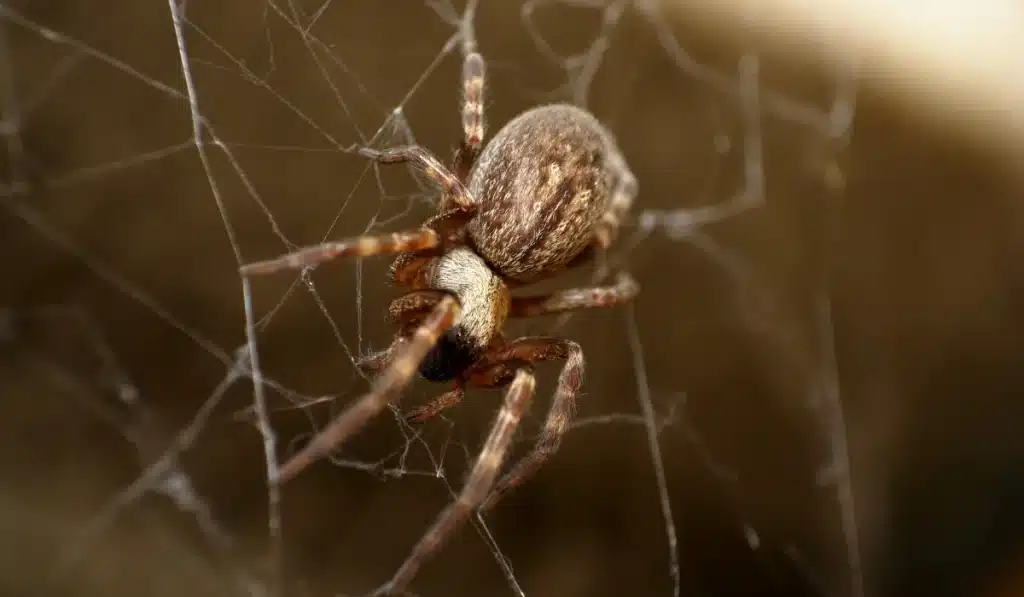
A common house spider builds loose, tangled cobwebs in ceiling corners, garages, sheds, and window frames. It has a small body, thin legs, and a rounded abdomen. Its color can range from pale tan to grayish brown, which makes the web a better clue than color.
These spiders remain close to their webs and catch flies, mosquitoes, ants, and other small insects. Females may attach several egg sacs to the silk. They are not considered a serious medical threat, though repeated webs can become a nuisance.
Southern House Spiders
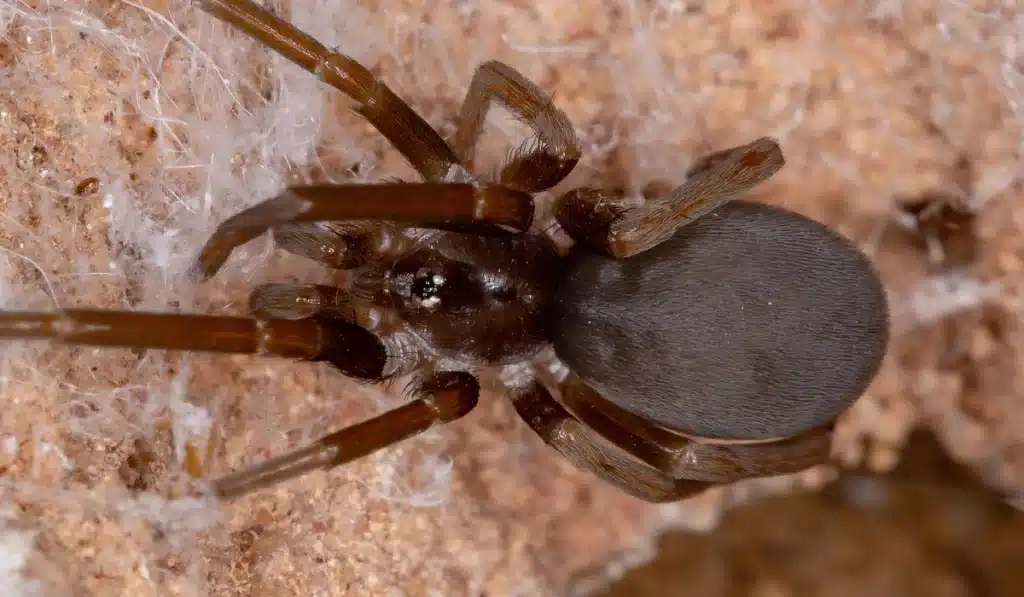
Southern house spiders often live around brickwork, shutters, siding, and garage walls. Females hide inside cracks connected to messy webs. The web usually has a round tunnel that leads into the hiding place.
Adult males wander in search of females and are often mistaken for brown recluses. Southern house spiders have eight eyes, while brown recluses have six eyes arranged in pairs. That detail is difficult to inspect safely, so take a clear photo instead of handling the spider.
Cellar Spiders

Cellar spiders have tiny bodies and very long legs. They hang beneath loose webs in garages, closets, utility rooms, and ceiling corners. When disturbed, they may shake the web until their outline looks blurred.
A few cellar spiders can catch flies, mosquitoes, and other spiders. Heavy webbing still needs attention when egg sacs and dead insects begin collecting near living spaces.
Wolf Spiders
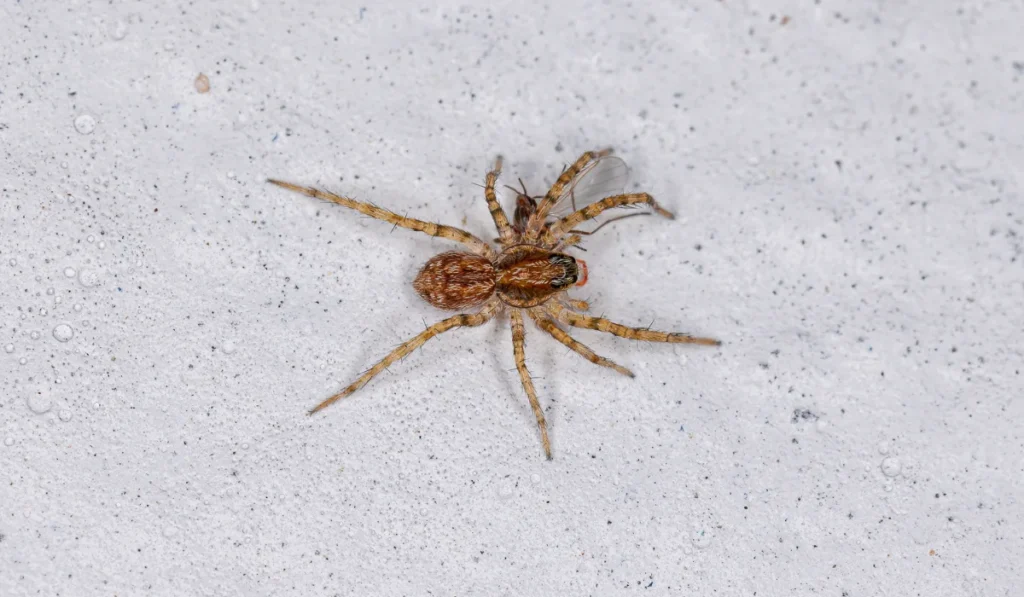
Wolf spiders hunt on foot rather than waiting in webs. You may see one running over a garage floor, patio, bathroom, or hallway. Their large bodies and quick movement tend to cause more concern than their actual risk.
Females carry their egg sacs behind them. After hatching, the young may ride on the female’s back before scattering. A worn door seal or open garage often explains how the spider entered.
Jumping Spiders
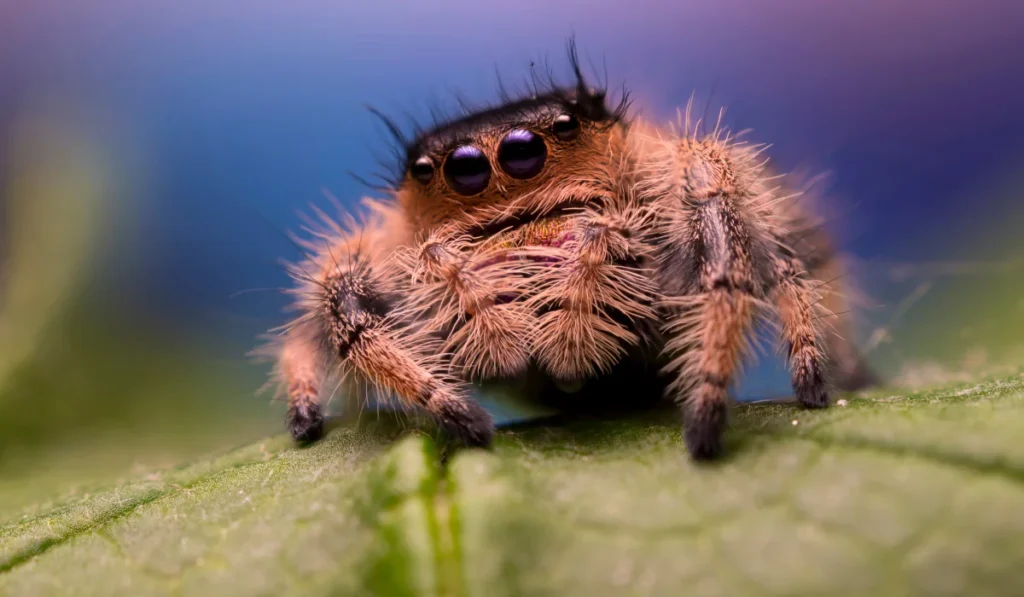
Jumping spiders are compact daytime hunters with large eyes at the front of the face. They stalk insects along screens, siding, windowsills, and sunny walls. Their movement comes in short steps and jumps.
These spiders do not create large corner webs. Finding one near a window often means small insects are gathering around the glass or screen.
Dangerous Spiders in Louisiana That Need More Caution
Homeowners often search for “poisonous spiders in Louisiana,” but venomous is the correct term. A venomous spider delivers venom through a bite. Brown widows, black widows, and brown recluses are not searching for people, but accidental contact can happen around stored materials, outdoor furniture, or clothing.
Brown Widows
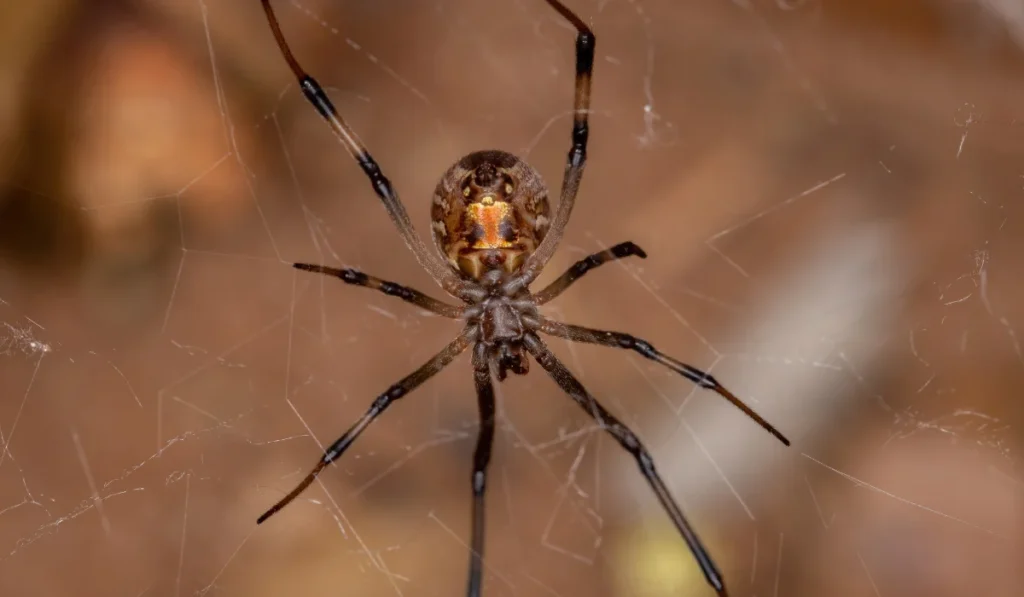
Brown widows often build webs beneath patio furniture, inside planters, around railings, under eaves, and in sheds. Their bodies range from tan to dark brown. Many have banded legs and an orange or yellow-orange marking under the abdomen.
The egg sac provides one of the clearest identification clues. It is round and covered with pointed silk projections, while a black widow egg sac has a smoother surface.
Brown widows appeared in Louisiana during the early 2000s. By 2005, they had become the most common widow in some urban areas. Their bites are extremely rare and tend to cause milder symptoms than black widow bites, but you should still avoid contact.
Black Widows
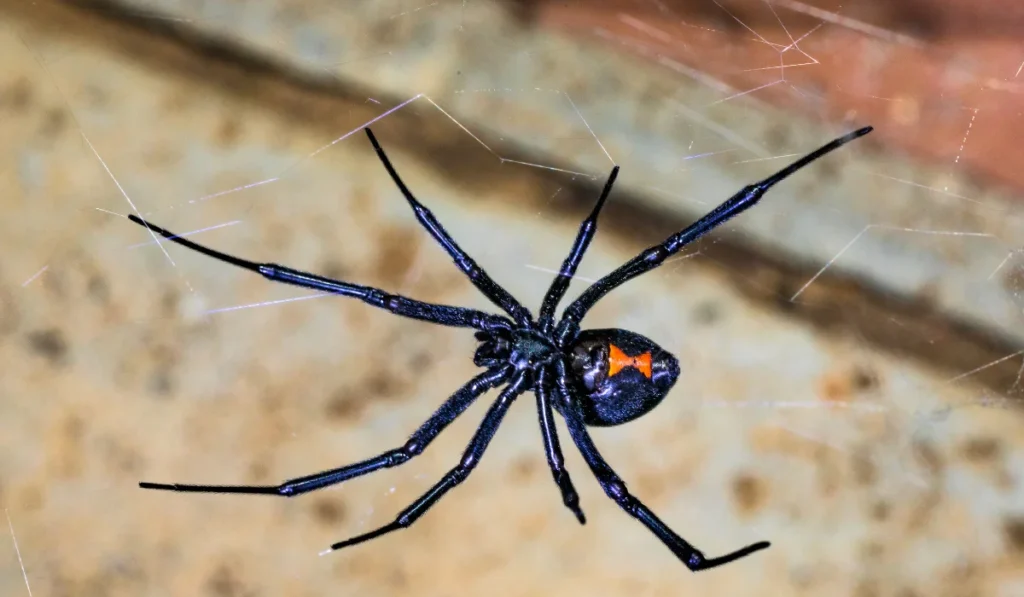
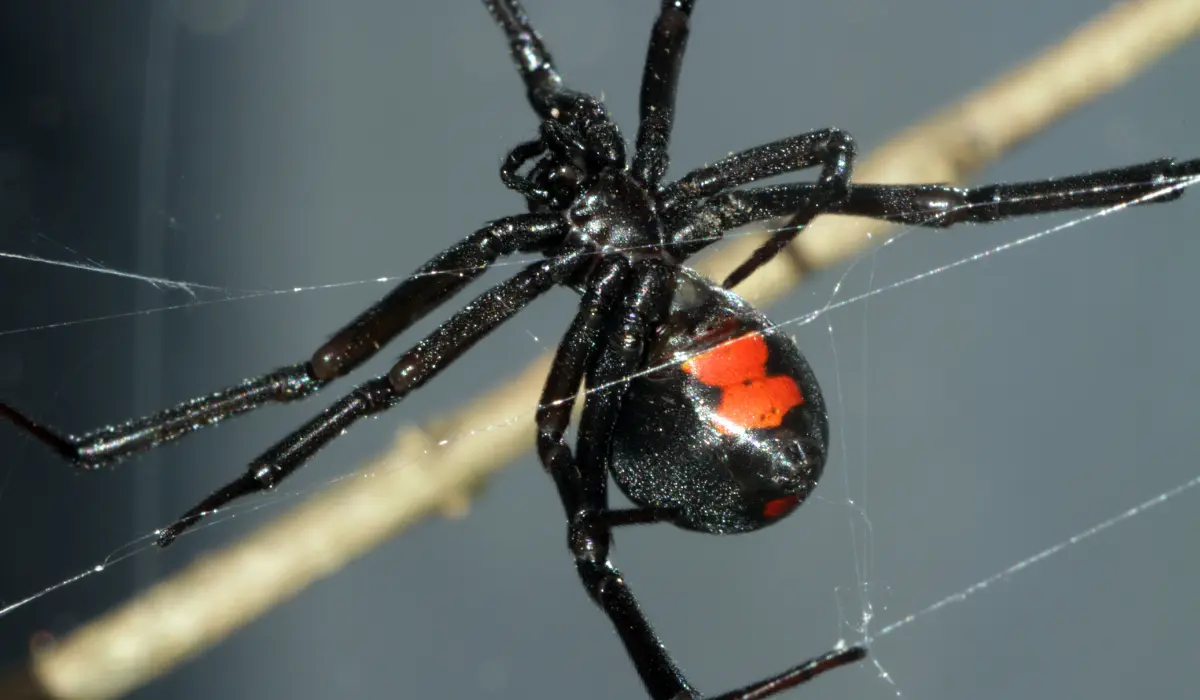
Adult female black widows have glossy, rounded abdomens with red markings underneath. The familiar hourglass may be complete, broken, or irregular. Their strong, tangled webs often appear in woodpiles, crawl spaces, sheds, barns, and storage areas.
Wear gloves before moving lumber, planters, outdoor toys, or boxes. Use a tool to shift an object when you cannot see beneath it. A suspected black widow bite needs medical attention because the venom can cause severe pain and muscle symptoms.
Brown Recluses
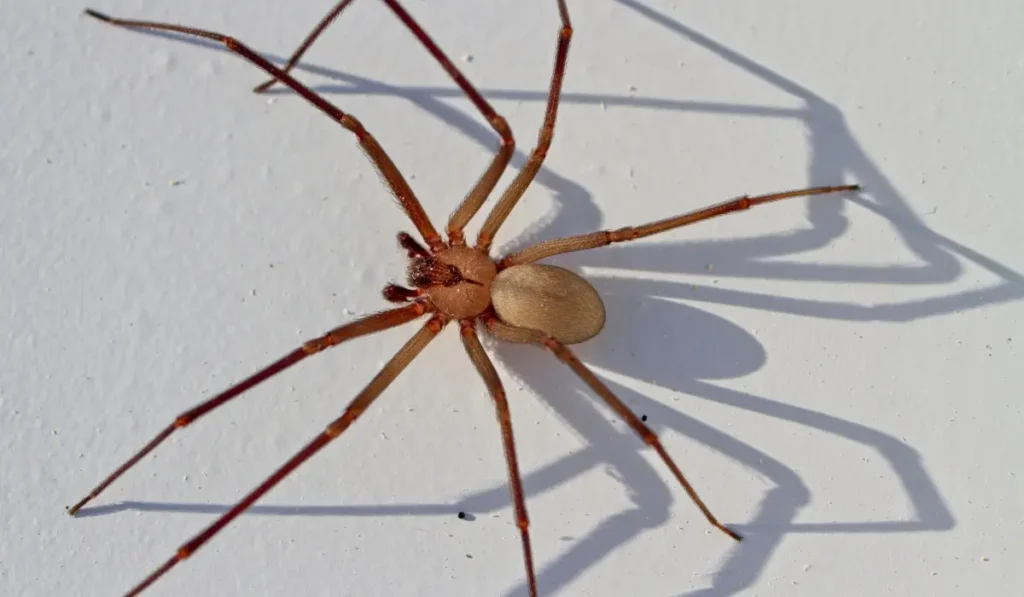
Many brown spiders and unexplained skin sores are blamed on brown recluses without a confirmed specimen. Brown color and a dark mark on the body do not provide enough evidence for identification.
True brown recluses have six eyes arranged in three pairs, plain abdomens, and legs without bold bands or heavy spines. They are common north of a line through Alexandria but exceedingly uncommon in southern Louisiana. The southern house spider is the Louisiana species most often confused with a recluse.
Take a close photo from a safe distance. You can also place a clear container over the spider and slide firm paper underneath without touching it.
Why Spiders Show Up Inside Louisiana Homes
Spiders enter when they find prey or a protected hiding place. Gaps under garage doors, torn screens, loose weather stripping, utility openings, and cracks around windows give them simple routes inside. Some remain near the opening, while others move deeper into the home.
Louisiana weather supports insect activity through much of the year. Porch lights pull moths and flies toward doors, while roaches and ants move through garages and wall gaps. Spiders tend to settle where that food remains available.
A wolf spider crossing the floor may be a temporary visitor. Common house spiders and cellar spiders are more likely to remain in quiet corners, build webs, and produce egg sacs.
| What Draws Spiders | Common Location | What You May Find |
|---|---|---|
| Moths, flies, and mosquitoes near lights | Porches, windows, and entry doors | Webs around fixtures or window frames |
| Stored boxes and unused belongings | Garages, closets, sheds, and attics | Spiders behind items that rarely move |
| Openings into the structure | Doors, screens, siding, and utility lines | Hunting spiders on walls or floors |
| Damp areas with insect activity | Bathrooms, kitchens, and crawl spaces | Spiders near drains, plumbing, or dark corners |
| Undisturbed structural gaps | Brick, shutters, eaves, and wall voids | Tunnel openings or webs leading into cracks |
One spider is not proof of an indoor population. Fresh webs returning in the same places, several egg sacs, or spiders appearing in multiple rooms give you a better reason to investigate.
What to Do When You Find a Spider
Your next step depends on the location, species, and amount of activity. One jumping spider near a screen calls for a different response than widow webs beneath several patio chairs.
Use a vacuum or container for a low-risk spider rather than your bare hands. Empty the vacuum outdoors, then inspect the area for egg sacs, insect remains, and nearby gaps.
| Situation | Recommended Response |
|---|---|
| One low-risk spider on a wall | Vacuum it or move it outdoors in a container |
| An empty web in a corner | Remove it and inspect for insects or egg sacs |
| Webs return within a few days | Check nearby lighting, prey, and entry gaps |
| A spider is found in clothing | Shake the clothing outdoors before wearing it |
| A widow or spiked egg sac is present | Keep children and pets away and avoid handling it |
| You suspect a brown recluse | Photograph or contain it for identification |
| A bite causes increasing pain or spreading symptoms | Contact a medical professional |
| Muscle cramping, breathing trouble, or severe illness develops | Seek urgent medical care |
Do not diagnose a spider bite from the skin mark alone. Infections, allergic reactions, and other bites can look similar. The Centers for Disease Control and Prevention (CDC) advises washing a suspected bite with soap and water, applying a cold cloth, and seeking medical care for serious symptoms.
How to Keep Spiders Out of Your House
Check the garage door seal, window screens, and exterior doors first. Close openings around pipes, cables, vents, and air-conditioning lines. These gaps admit spiders along with the insects they hunt.
Move firewood and lumber away from exterior walls. Keep planters, cushions, gloves, and tools where you can inspect them before use. Trim shrubs and branches that touch windows or siding.
Inside, replace open cardboard boxes with containers that have fitted lids. Vacuum webs, egg sacs, and dead insects from closets, corners, attic access points, and storage rooms. Removing food and shelter makes those spaces less useful to spiders.
Porch lighting can increase insect traffic beside an entry door. Turn off fixtures that are not needed or move the light farther from the doorway when the property setup permits.
When Professional Spider Control Makes Sense
Spider activity is no longer a random event when webs return days after removal, egg sacs appear near living spaces, or spiders keep showing up in several rooms. Widow webs around patios, play areas, or pet spaces also deserve a close inspection.
Lajaunie’s Pest Control inspects windows, doors, garages, attics, eaves, exterior walls, and common access points. Our home pest control service covers spiders and includes reachable web removal. We also check for insect activity because treating the spider without addressing its food source can leave the same conditions in place.
Professional spider control saves you from repeating the same cleanup each week. It also gives you a clearer identification, treatment in areas you may not be able to reach, and help finding the gaps that let spiders and other pests inside. Contact LaJaunie’s Pest Control to schedule spider control for your Louisiana home.