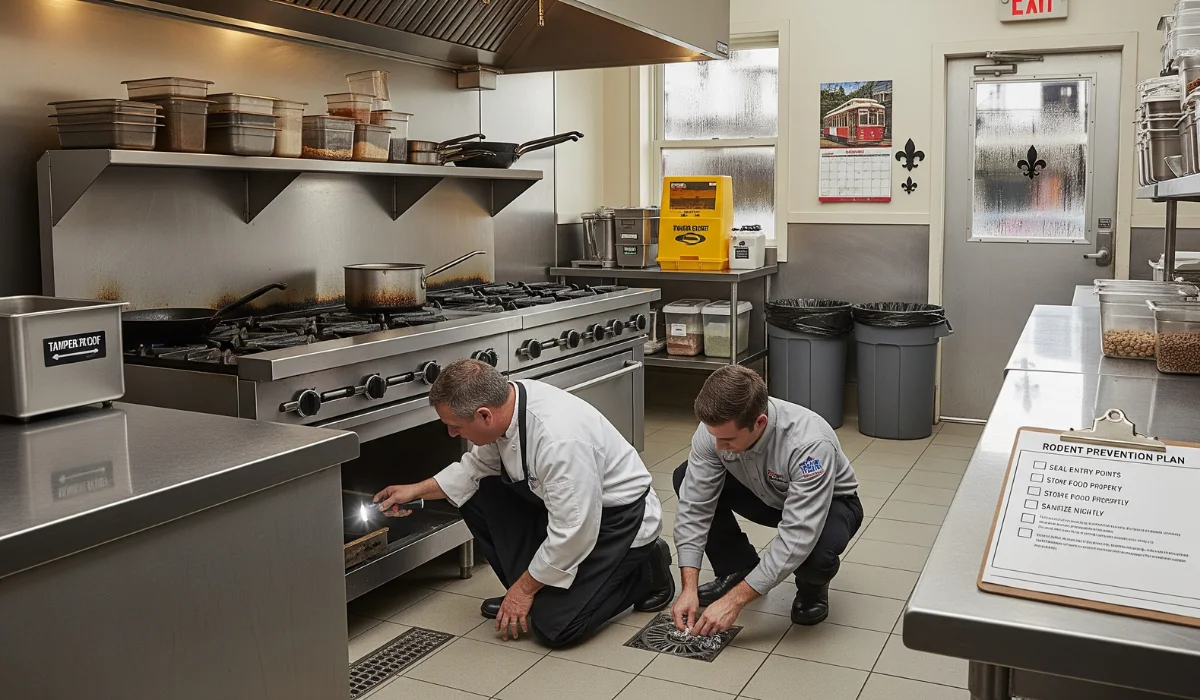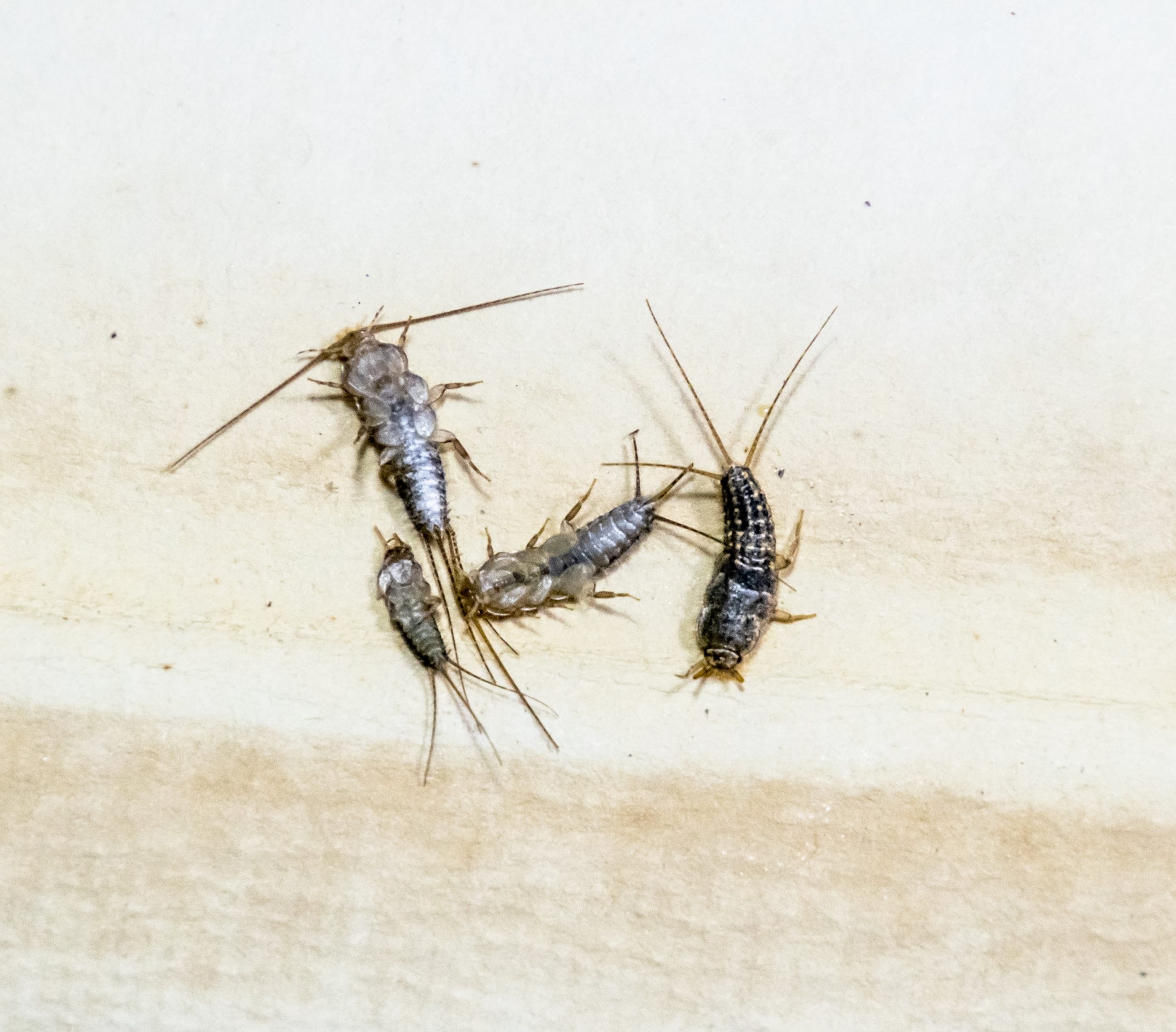





Do mice hibernate? No. Mice stay active through winter and continue searching for food, shelter, and nesting areas when temperatures drop. In South Louisiana, mild winters mean mouse activity can continue throughout the season, and homes in Thibodaux, Metairie, Slidell, New Orleans, and surrounding communities offer plenty of protected spaces. LaJaunie’s technicians look for field evidence such as attic run trails, droppings, chewing damage, nesting material, and entry points around garages, siding, foundations, doors, and windows. If you begin hearing scratching in the walls or attic during cooler weather, mice may have moved into a sheltered part of the home.
Key Takeaways
- Mice do not hibernate. They remain active throughout winter and continue looking for food, water, shelter, and nesting areas.
- South Louisiana’s mild winters allow mouse activity to continue through the season, even without long periods of freezing weather.
- LaJaunie’s technicians commonly check garages, foundations, siding gaps, doors, windows, attics, crawl spaces, and other structural openings when looking for mouse entry.
Do Mice Hibernate in Louisiana?
Mice do not hibernate in Louisiana or elsewhere. Instead, they remain active and change where they spend their time as temperatures fall. Cooler weather can make indoor spaces more attractive because homes provide shelter along with steady access to food and nesting material.
That means a quiet winter yard does not necessarily mean mice have become inactive. They may simply be spending more time inside wall voids, attics, garages, crawl spaces, or other sheltered areas where homeowners rarely see them.
If you are unsure which type of mouse you are seeing, the differences between field mice and house mice in Louisiana can help explain why some mice are more likely to settle indoors.
LaJaunie’s service information notes that when outdoor temperatures turn chilly, mice search homes and businesses for openings they can use to get inside. Common access points include garages, holes in siding, foundation cracks, and gaps around doors and windows.
What Mice Do During Louisiana Winters
During winter, mice continue searching for food, moving between hiding areas, gathering nesting material, and using protected routes through a structure. They do not enter a dormant state just because temperatures drop.
South Louisiana winters are much milder than winters in colder parts of the country, but even modest temperature changes can make attics, garages, crawl spaces, and wall voids more appealing than exposed outdoor shelter.
Mice can also reproduce quickly once they have reliable access to food and shelter. Understanding how fast mice multiply inside a home helps explain why repeated signs should not be ignored just because you have only seen one mouse.
LaJaunie’s technicians do not rely on a live sighting to confirm activity. During inspections, they look for discolored run trails in attics, chewing damage, droppings, nesting material, and other evidence that can show where mice are traveling and how they may be getting inside.
Why You May Notice More Mice When Temperatures Drop
Cooler weather can change where mice spend their time. As they begin using indoor spaces more often, homeowners may notice signs that were easy to miss when the rodents were spending more time outside.
The first clue may be scratching in a wall at night, movement above the ceiling, or fresh droppings in a pantry or garage. If you are hearing scratching in the walls, noting where and when you hear it can help narrow down where mice may be traveling.
Droppings are another common sign. Knowing what mouse droppings in a home look like can help separate rodent evidence from seeds, debris, or insect waste found in cabinets, garages, attics, and storage areas.
LaJaunie’s inspectors also look for less obvious clues. Mouse run trails in attics can become discolored from repeated movement, and technicians may find chewing around AC conduits where rodents are trying to reach condensation. Those signs can help trace activity back toward an entry point that was not obvious during the exterior inspection.
Some evidence can overlap with rat activity, so understanding the differences between rats and mice can help homeowners avoid treating the wrong rodent problem.
Where Mice Hide During Winter in Louisiana Homes
Once mice get indoors, they usually move into quiet, protected areas where they are less likely to be disturbed. Where they hide depends on how the home is built, where they entered, and how easily they can reach food and nesting material.
LaJaunie’s inspection process accounts for different South Louisiana home styles. Technicians may check slab homes for exterior openings and inspect the accessible space beneath raised homes for signs of rodent entry. Inside, attics, garages, wall voids, cabinets, and spaces behind appliances can all provide cover.
Attics
Attics provide shelter and access to insulation and stored materials that mice may use for nesting. They can also let rodents move across different parts of the house without being seen.
LaJaunie’s technicians look for run trails, droppings, chewing damage, nesting evidence, and possible entry or exit routes during attic inspections. A trail discovered inside the attic may lead back to a roofline or exterior opening that was difficult to see from outside.
Rodent activity above the ceiling can involve more than mice, so homeowners dealing with persistent attic noise can compare their findings with the signs of rodents in Thibodaux attics.
Walls and Structural Voids
Mice can stay inside wall voids for long periods without entering an open room. Scratching, gnawing, or movement inside a wall may become easier to hear at night when the house is quiet.
The bigger challenge is finding how they reached the wall in the first place. Gaps around siding, doors, windows, foundations, and utility openings can provide exterior access that eventually leads into wall cavities.
Urine odors may also become noticeable when mice repeatedly use a hidden area. If you begin smelling mouse urine, check nearby areas for droppings, nesting material, and other signs of concealed rodent activity.
Crawl Spaces and Raised Homes
Raised homes give mice another sheltered area to use. LaJaunie’s inspection process includes checking beneath raised homes when access is available and looking for openings that may allow rodents to move into the structure.
Crawl spaces can also connect to plumbing, wiring, wall cavities, and other routes through the home. Keeping these areas accessible and free of unnecessary clutter makes it easier to spot signs and complete a thorough inspection.
Garages
Garages are one of the common mouse entry areas identified in LaJaunie’s service information. Doors that do not close tightly, gaps around the structure, and stored belongings can give mice both access and shelter.
Cardboard boxes, bags, blankets, and other soft materials can also provide nesting material. LaJaunie’s recommends using sturdy storage containers instead of cardboard or flimsy plastic for items that will sit unused for long periods.
Mice can also move from garages or outdoor areas into vehicles. LaJaunie’s tips for keeping mice out of your car address another sheltered space rodents may use during cooler weather.
Kitchens and Pantries
Kitchens and pantries provide easy access to food once mice reach the interior. Droppings, damaged packaging, or nesting debris behind appliances and inside lower cabinets can point to nearby activity.
Store food in sturdy, closed containers and clean up spills, crumbs, and pet food promptly. Removing easy food sources will not remove mice that are already inside, but it can make the area less supportive of continued activity.
Common Mouse Entry Points LaJaunie’s Finds
Mice can use small structural openings that homeowners may overlook. LaJaunie’s identifies several common entry areas:
- Garages
- Holes in siding
- Foundation cracks
- Gaps around doors
- Gaps around windows
For more involved rodent problems, LaJaunie’s inspectors may also evaluate exterior areas that need sealing, caulking, repair, or other exclusion work. Attic inspections can reveal travel routes that lead back toward openings missed during the first exterior check.
The goal is not simply to catch the mouse you hear at night. If the access point stays open, more mice can continue entering the structure.
How to Keep Mice Out During a Louisiana Winter
Winter mouse prevention in South Louisiana starts with recognizing that mild weather does not remove the risk. Mice remain active, and cooler nights can still make a protected house more attractive than exposed outdoor shelter.
Seal Common Entry Points
Start with the exterior and look for gaps around garages, siding, foundations, doors, and windows. LaJaunie’s recommends sealing accessible entry points because traps alone will not stop new mice from using the same openings.
Pay close attention to areas where utilities enter the home and places where different building materials meet. These gaps can be easy to miss during a quick walk around the property.
Reduce Food and Water Sources
Keep pantry food in sturdy, closed containers, clean spills and crumbs quickly, and put away uneaten pet food. These steps reduce the food sources mice can rely on once they get indoors.
Check for leaking fixtures or other moisture sources as well. Reducing easy access to water can make indoor areas less supportive of rodent activity.
Store Belongings in Rodent-Resistant Containers
Cardboard boxes, paper, fabric, and other soft materials can provide mice with shelter and nesting material. Replace flimsy storage when possible with sturdy containers that close securely.
Keep blankets, seasonal decorations, clothing, and other stored belongings organized so fresh droppings, gnawing, or nesting material are easier to notice.
Keep Vegetation Away From the Home
LaJaunie’s recommends keeping tree branches and bushes several feet away from the foundation. Cutting back dense vegetation can reduce sheltered travel routes around the structure.
Pay special attention to vegetation near rooflines, garages, crawl spaces, and other potential entry areas.
Be Careful With DIY Mouse Remedies
Some homeowners turn to household remedies after finding mice. Questions about whether baking soda kills mice are common, but these methods do not replace finding and closing the openings mice are using.
If mouse activity continues after cleanup and basic prevention, the next step should focus on locating entry points and determining whether mice are nesting inside the structure.
What to Do if You Hear Mice in the Walls During Winter
Scratching inside a wall does not tell you where the mouse entered. The sound may come from a travel route while the actual access point is somewhere else on the exterior, in the attic, beneath the home, or near a garage.
Look for supporting evidence in nearby rooms, including droppings, damaged food packaging, gnawing, nesting material, or urine odors. Avoid sealing a random interior opening without knowing whether mice are still using the space behind it.
Traps may remove individual mice, but LaJaunie’s rodent process places a strong emphasis on finding and closing access points. For more complex problems, a state-certified inspector can examine the exterior and interior evidence and determine which areas need sealing or exclusion work.
How long the problem takes to resolve depends on the number of mice, available entry points, nesting locations, and the work needed to close those openings. LaJaunie’s discussion of how long it takes to get rid of mice explains why the timeline can vary from one home to another.
Why Professional Mouse Control Can Make a Difference
Professional mouse control makes sense when mice keep returning, scratching continues inside walls or ceilings, fresh droppings appear after cleanup, or you cannot find where the rodents are entering.
LaJaunie’s rodent inspections can include the exterior, attic, areas beneath raised homes, and other accessible parts of the structure. Technicians look for run trails, droppings, nests, chewing damage, and structural openings, then use those findings to determine where control and exclusion work are needed.
LaJaunie’s mice control services can address active mouse problems based on the evidence and access points found at the property. Depending on the situation, service may include exclusion work, traps, bait stations, attic treatment, or other measures suited to the infestation.
LaJaunie’s serves communities throughout Southeast Louisiana, including Thibodaux, Metairie, Slidell, Houma, New Orleans, and surrounding areas.
Keeping Mice Out of Your Louisiana Home This Winter
Mice do not hibernate, and Louisiana’s mild winters do not create a season when homeowners can ignore rodent activity. If mice get inside, attics, wall voids, garages, crawl spaces, kitchens, and storage areas can provide the shelter and resources they need to remain active.
LaJaunie’s Pest Control has served Southeast Louisiana families for more than 18 years and provides rodent inspection, control, and exclusion services based on the conditions found at each property. If you are hearing scratching, finding droppings, or seeing other signs of mice this winter, contact LaJaunie’s to schedule service and find out how the rodents are getting inside.
Frequently Asked Questions
Do Mice Hibernate in Winter?
No. Mice remain active during winter instead of entering hibernation. When temperatures drop, they continue searching for food, nesting material, and protected shelter. In South Louisiana, mild winters do not stop mouse activity, and homes can provide the shelter and resources mice need throughout the season.
Where Do Mice Go During Winter?
Mice seek protected areas where they can stay close to food and nesting material. Inside Louisiana homes, that may include attics, garages, wall voids, crawl spaces, cabinets, and areas behind appliances. LaJaunie’s technicians also inspect structural openings that may connect those hiding places to the exterior.
Why Do I Hear Mice in My Walls More During Winter?
Cooler weather can make indoor shelter more attractive, so mice may spend more time moving through wall voids and other protected spaces. Scratching may also be easier to hear at night when the home is quiet. Continued wall activity is a reason to check for droppings, gnawing, nesting material, and entry points