

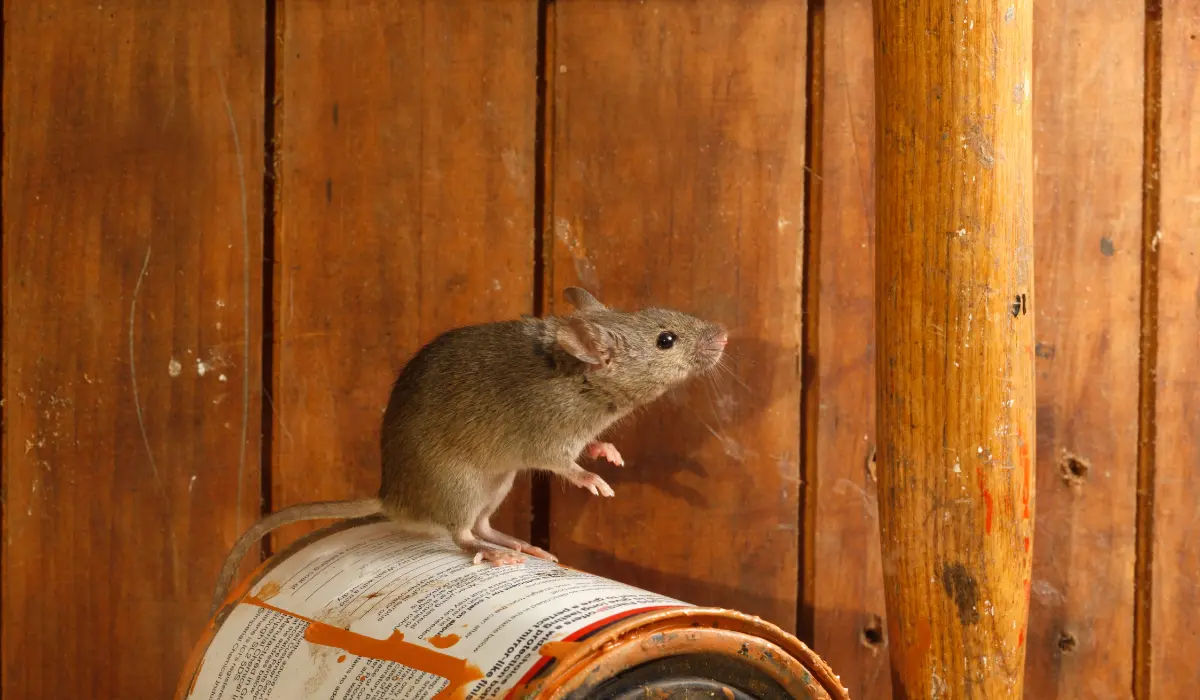
When your house is quiet and you suddenly hear tiny scratching or squeaking sounds, it can be unsettling. If you’re hearing noises in the walls, above the ceiling, or under the floorboards, you might have a mouse problem on your hands.
But not all noises are made by mice.
Being able to tell the difference can help you take action fast, especially here in South Louisiana, where warm weather lets critters stay active all year.
In this guide, we’ll break down the types of mouse sounds you might hear, how to tell if it’s a mouse, and what to do next if you suspect you have one in your home.
Key Takeaways
• Mouse sounds often include scratching, squeaking, gnawing, and rustling that happen in walls, ceilings, and hidden spaces.
• These sounds can mean mice are nesting, searching for food, or chewing inside walls, attics, or baseboards.
• Signs like droppings, shredded materials, and greasy trails help confirm mouse activity and show where they move or hide.
• Long-term control starts with sealing gaps, removing food, and calling LaJaunie’s for fast and reliable mouse removal.
Types of Mouse Sounds in Your Home
If you haven’t seen any mice yet but have heard something odd, your ears might give you the first clue. These are the kinds of sounds they make when they’re quietly moving, nesting, or communicating inside your home:
Scurrying or Scratching Noises in the Walls
If you’re hearing light scurrying or scratching sounds in the walls or ceiling, especially late at night, it’s probably a mouse.
Mice are nocturnal creatures, and they’re most active after dark. These sounds come from their tiny feet moving along drywall or wooden beams.
You might also hear this in your attic or under the floorboards if they’re nesting up high or crawling through insulation.
High-Pitched Squeaks and Chirping
Mice communicate using a variety of vocalizations. You might notice chirping sounds or high-pitched squeaking, especially in the evening.
These are typically ultrasonic vocalizations, meaning they’re at frequencies humans can’t always hear, but when you do, it’s usually from young or distressed mice.
It can also indicate active mouse activity, especially from male mice trying to attract female mice.
Scampering Sounds Behind Baseboards
That fast, light patter you hear near your baseboards could be mice. They often run along the edges of rooms where walls meet floors, especially in kitchens or pantries where food sources are easy to access.
The sound is different from the heavier thuds of raccoons or squirrels and doesn’t have the flutter of bats or birds.
Repetitive Gnawing or Chewing
Mice have strong teeth that grow continuously. To keep them in check, they chew on wood, drywall, cardboard, and even electrical wiring.
If you hear a repeated crunching or gnawing sound in one spot, especially at night, that’s a red flag. Gnawed wiring is a common sign of mouse infestation and can even be a fire hazard.
Occasional Rustling Near Food or Nesting Areas
Mice love using soft materials like shredded paper, insulation, or even clothes to make nests. You might hear a faint rustling near cabinets, closets, or basements, where they might be gathering nesting materials.
This is especially common if you store pet food or snacks in lower cabinets.
What to Do if You Hear Mice
Once you’ve heard enough to think there’s a mouse in your home, it’s time to do more than just listen.
Here’s what to do next to confirm the problem and start getting it under control:
Start With an Inspection
Once you suspect mouse noises, your first step is to look for signs. Check for droppings near baseboards, pantries, or the attic.
Mouse droppings look like tiny, dark grains of rice. You might also notice small holes chewed through food packaging or shredded paper and fabric in quiet corners of your home.
Follow the Trail, Literally
Use a flashlight to check along baseboards and under sinks. Look for runways, areas where you might see a greasy track from repeated mouse movement. If you’ve got attic access, check for nests or urine stains.
Mice often follow the same paths, so if you find a trail, it’ll point you to their hiding spots.
Seal off Entry Points
Mice can squeeze through openings as small as a dime.
Take time to walk around your home and seal up cracks in the foundation, gaps around electrical wiring, and holes near plumbing. Focus on common entry points like garage doors, dryer vents, and areas where pipes or cables come in.
Remove Food Sources
Store all food, especially pet food and snacks, in sealed containers. Don’t leave dirty dishes in the sink overnight, and wipe down counters regularly.
Mice are more likely to stay where food is easy to get. Reducing their access can help disrupt their activity.
Consider Ultrasonic Repellent Devices (With Caution)
Some homeowners in Louisiana try ultrasonic devices that emit high-frequency sounds to deter mice. While they may help in the short term, mice can get used to them.
These devices work best when combined with other control methods.
Call a Local Pest Control Expert
When in doubt, or if the problem persists, it’s time to bring in professionals. Mice reproduce quickly, and a small problem can become a rodent infestation in no time.
Local rodent control services like ours at LaJaunie’s Pest Control offer same-day service. We’ll start with an inspection, check for mouse droppings, entry points, and nesting materials, and use proven techniques to take control of the situation.
Our rodent services are included in our Healthy Home package, and if needed, we can add attic treatments and exclusion work for more complex problems.
Give us a call, and we’ll be out before the day is over so you can stop wondering what’s going bump in the night.