



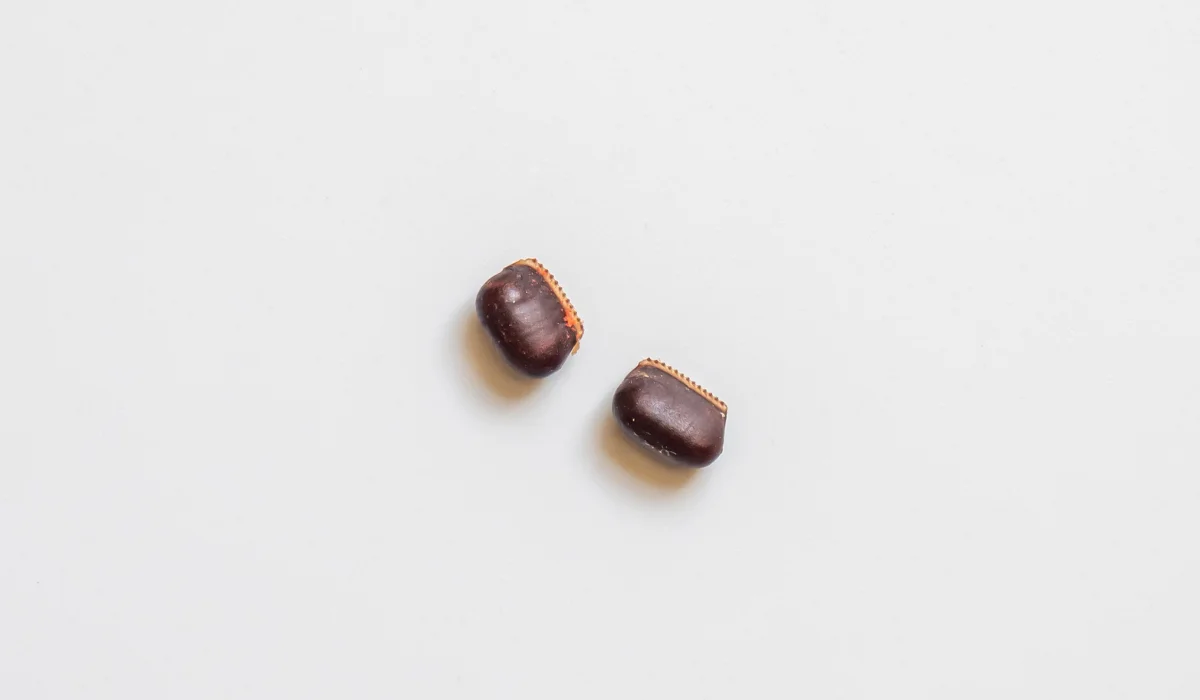
Learning how to get rid of roach eggs starts with understanding that the brown or tan capsule you find is an egg case, or ootheca, rather than a single egg. South Louisiana’s warm, humid conditions can support cockroach activity throughout much of the year, and LaJaunie’s treats species including German, American, smokybrown, brown-banded, Australian, Asian, Oriental, and Louisiana woods cockroaches across the region. The treatment approach matters because LaJaunie’s service team specifically notes that German cockroaches require an insect growth regulator and a more thorough protocol than several other roach species. Removing visible egg cases can help immediately, but stopping the next generation also means addressing the adult roaches, nymphs, food, water, and hiding areas that allow the problem to continue.
By Skye LaJaunie, CEO of LaJaunie’s Pest Control, lifelong Louisiana resident with 18+ years of pest control experience.
Key Takeaways
- Vacuuming and disposing of visible roach egg cases is the most direct DIY way to remove them from the home.
- Diatomaceous earth and boric acid affect active roaches rather than reliably destroying eggs protected inside an egg case.
- Repeated egg cases, nymphs, or German cockroach activity are signs that the problem may need species-specific professional treatment.
How to Get Rid of Roach Eggs in Louisiana
Getting rid of roach eggs starts with physically removing the egg cases you can find, then addressing the roaches that are still producing them. Some DIY methods can reduce adult and nymph activity, but not every product that kills a cockroach will penetrate or destroy an intact ootheca.
The five methods below serve different purposes. Vacuuming directly removes egg cases, while the other steps help reduce the active roach population and the food, water, and shelter that allow reproduction to continue.
1. Vacuum Visible Roach Eggs and Droppings
Vacuuming is the most direct DIY method for getting rid of roach eggs you can actually see. Use the vacuum to remove the entire egg case along with nearby droppings, shed material, crumbs, and debris.
Check protected areas around baseboards, cabinets, appliances, pantry shelving, and other places where you have already seen roaches. Avoid reaching blindly into tight spaces where you cannot see what is present.
Once finished, dispose of the vacuum contents outside the home. If the vacuum uses a removable bag, seal the bag before placing it in an outdoor trash container. For a bagless vacuum, empty the canister outdoors and clean it according to the manufacturer’s instructions.
Vacuuming can remove visible egg cases, but it does not solve the source of repeated egg production. If new oothecae continue appearing, adult females are still active somewhere nearby.
2. Use Diatomaceous Earth for Active Roaches, Not as an Egg Killer
Diatomaceous earth is often recommended as a DIY cockroach treatment, but it should not be treated as a dependable way to destroy eggs protected inside an ootheca. Its main value is against active roaches that crawl through an appropriately applied layer.
That distinction matters because removing one egg case while leaving adults and newly hatched nymphs active does not stop the infestation. If you use diatomaceous earth, follow the product label and avoid creating piles or airborne dust around living spaces.
LaJaunie’s discussion of whether diatomaceous earth kills cockroaches provides more context on where this DIY approach fits and where its limitations begin.
If egg cases keep appearing even though adult activity seems lower, that is a sign to reassess the entire problem rather than simply adding more powder.
3. Break the German Cockroach Life Cycle With an IGR
German cockroaches require special attention because LaJaunie’s does not treat them the same way as several larger roach species. The company’s service team specifically states that German roaches require an insect growth regulator, or IGR, to slow reproduction and require a more thorough treatment approach.
An IGR does not work like a product designed to kill a roach immediately on contact. Its role is to interfere with normal development and reproduction, which makes it useful when the goal is to stop an infestation from continually replacing itself.
This is one area where species identification makes a real difference. LaJaunie’s notes that American, brown-banded, and Australian cockroaches respond to many granular treatment approaches, while German roaches require a different protocol.
If you are finding small tan roaches, nymphs, and repeated egg cases around kitchen appliances or cabinets, treating the problem as a generic roach issue may miss the reproductive cycle that needs to be addressed.
4. Use Boric Acid as a Supporting Roach Control Method
Boric acid can affect active cockroaches, but it should not be presented as a reliable way to kill eggs protected inside an ootheca. Its value is in reducing adult and nymph activity, which can support a broader control plan.
If you use a boric acid product, follow the label exactly and keep it away from children, pets, food, dishes, and food-preparation surfaces. More product is not better, and heavy applications can make a DIY treatment less useful.
The same principle applies to other store-bought roach products. LaJaunie’s service team reports that one common problem technicians encounter is homeowners applying over-the-counter sprays or heavy residual products too often. Those applications can interfere with professional bait programs and make later treatment harder.
If professional service is scheduled, tell the technician what you have already used and where it was applied. That gives the technician a clearer starting point.
5. Remove Food, Water, and Hiding Conditions
Food and water control does not kill an existing egg case, but it addresses the conditions that allow cockroaches to remain active and reproduce. LaJaunie’s recommends sanitation as a central part of cockroach prevention.
Wash dishes regularly, remove crumbs and grease, clean behind stoves and other large appliances, keep food in closed containers, and remove indoor garbage frequently. Fix leaking pipes, faucets, and hoses so roaches have fewer accessible water sources.
Clutter also gives roaches more protected places to hide. Reducing cardboard, food packaging, and unnecessary storage around kitchens, bathrooms, laundry rooms, and garages can make activity easier to spot.
These habits matter across Southeast Louisiana, from Thibodaux and Houma to New Orleans, Metairie, and Baton Rouge. LaJaunie’s local cockroach prevention guidance for Louisiana homes also emphasizes sanitation, moisture control, and closing common access points.
What Cockroach Egg Cases Look Like in Louisiana Homes
Cockroach egg cases are called oothecae. They are small capsules that contain multiple developing roaches and may be tan, brown, reddish-brown, or darker depending on the species and age of the case.
Homeowners often find them in protected areas where roaches can remain undisturbed. That can include cracks along cabinets, spaces around appliances, pantry areas, baseboards, bathrooms, laundry rooms, and other tight hiding spots.
The species matters because different South Louisiana cockroaches behave differently. LaJaunie’s service information confirms German, American, smokybrown, brown-banded, Australian, Asian, Oriental, and Louisiana woods cockroaches in its service area. Small tan roaches can also be easy to confuse, so comparing German and brown-banded cockroaches can help when the species is unclear.
American cockroaches are much larger and reddish-brown. Homeowners who regularly encounter large roaches can also compare the signs associated with American cockroaches in Louisiana.
Do Common Roach Egg Removal Methods Actually Work?
Not every method in a DIY roach article directly kills eggs. Some physically remove egg cases, while others work on nymphs or adult roaches after hatching. That distinction matters when you are trying to stop the population rather than simply treat what you can see.
| Method | Does It Remove or Kill Roach Eggs? | What It Actually Helps With |
|---|---|---|
| Vacuuming | Yes, if the egg case is physically removed | Removes visible oothecae, droppings, crumbs, and debris |
| Diatomaceous Earth | Not reliable for intact egg cases | Can affect roaches that crawl through a properly applied product |
| Insect Growth Regulators | Not primarily a direct egg killer | Disrupts development and reproduction, especially important for German roaches |
| Boric Acid | Not reliable for eggs inside an ootheca | Can affect active roaches that contact and ingest it |
| Food and Water Control | No | Makes the home less supportive of continued roach activity and reproduction |
The most effective approach usually combines direct removal with control of the roaches producing the egg cases. Finding one ootheca and vacuuming it up is different from repeatedly finding new cases, nymphs, and adult roaches around the same room.
Which Method Works Best for Different Louisiana Cockroaches?
The direct removal method is the same regardless of species: if you find an accessible egg case, vacuum it up and dispose of it outside. What changes is how the active roach population should be treated afterward.
German Cockroaches
German cockroaches require the most specialized approach in LaJaunie’s documented protocol. Their treatment includes an IGR to address reproduction along with a more thorough service process and homeowner cooperation.
If German roaches are producing egg cases indoors, simply vacuuming what you see is unlikely to address the full problem. Repeated nymphs and adults indicate that the active population also needs to be controlled.
American Cockroaches
American cockroaches, also called palmetto bugs, are among the larger roach species LaJaunie’s treats in South Louisiana. The company notes that American roaches respond to treatment methods that differ from its German-roach protocol.
Visible egg cases should still be removed when accessible. Prevention should also focus on sanitation, moisture, exterior access points, drains, vents, and gaps around the home.
Smokybrown Cockroaches
Smokybrown cockroaches are also listed among the species found in South Louisiana. LaJaunie’s service information describes them as reddish-brown to black and roughly 1¼ to 1½ inches long.
The company materials do not document a special egg-disposal method for smokybrown roaches. The appropriate approach is to remove accessible egg cases, reduce food and moisture, and address the active roaches and entry conditions rather than assuming one DIY product will eliminate every life stage.
How Louisiana Conditions Affect Cockroach Egg Problems
South Louisiana’s heat and humidity can make cockroach problems feel less seasonal than they do in colder parts of the country. Homes can provide warmth, water, food, and shelter even when outdoor conditions change.
That does not mean every Louisiana city has a different cockroach egg-laying season. LaJaunie’s materials support the presence of multiple cockroach species across South Louisiana, but they do not document different reproductive calendars for Thibodaux, Houma, New Orleans, Baton Rouge, or individual parishes.
For homeowners, the more useful distinction is whether activity is outdoors or established inside. Repeated egg cases, nymphs, droppings, and adults inside kitchens or other living areas deserve more attention than an occasional outdoor roach that wandered inside.
DIY or Professional Cockroach Control: How to Decide
A small amount of isolated activity may be reasonable to monitor and clean yourself. Repeated egg cases or multiple life stages point toward a larger problem that cleaning alone may not solve.
DIY May Be Reasonable When
- You find one accessible egg case and no repeated indoor activity.
- You can remove the case completely and clean the surrounding area.
- You are not finding nymphs, repeated droppings, or multiple adult roaches.
- You can identify and correct an obvious food, water, or sanitation issue.
Continue monitoring after cleanup. New egg cases or nymphs mean the problem is still active.
Call a Professional When
- New egg cases keep appearing after you remove them.
- You see small nymphs along with adult roaches.
- German cockroaches are present or suspected.
- Roaches are repeatedly active around kitchens, cabinets, appliances, or bathrooms.
- DIY sprays or powders have not stopped the activity.
- You cannot determine where the roaches are hiding or reproducing.
LaJaunie’s cockroach control services use species-specific treatment approaches rather than treating every roach problem the same way. LaJaunie’s also offers same-day pest service, with its posted service terms noting that calls before noon Monday through Friday may qualify for same-day scheduling.
Stopping Roach Eggs Before They Become a Bigger Problem
Learning how to get rid of roach eggs means doing more than applying a product to the egg case. Vacuum visible oothecae, clean the surrounding hiding areas, reduce food and water, and understand that diatomaceous earth and boric acid work on active roaches rather than reliably destroying eggs inside the case. German cockroach problems need even more attention because LaJaunie’s uses an IGR and a more thorough treatment protocol to address their reproduction.
LaJaunie’s Pest Control serves homeowners throughout Southeast Louisiana and treats German, American, smokybrown, and other local cockroach species. If you keep finding cockroach eggs, nymphs, or adult roaches after cleaning, contact LaJaunie’s to schedule cockroach service and determine what is keeping the infestation active.
Frequently Asked Questions
What Should I Do if I Find a Cockroach Egg Case?
Vacuum the entire egg case and dispose of the vacuum contents outside the home. Then clean the surrounding area and check nearby cracks, cabinets, appliances, and baseboards for droppings, nymphs, or additional cases. Repeated egg cases usually mean adult roaches are still active nearby.
Does Diatomaceous Earth Kill Cockroach Eggs?
Diatomaceous earth is more useful against active cockroaches than eggs protected inside an ootheca. It should not replace physical removal of visible egg cases. If you use it, follow the product label carefully and combine it with sanitation, moisture control, and monitoring for continued roach activity.
When Should I Call Pest Control for Cockroach Eggs?
Professional service makes sense when egg cases keep returning, you see nymphs and adults together, or German cockroaches are present. Those signs suggest an active reproductive population rather than an isolated egg case. Species identification also matters because German roaches require a different treatment protocol from several other South Louisiana roaches.