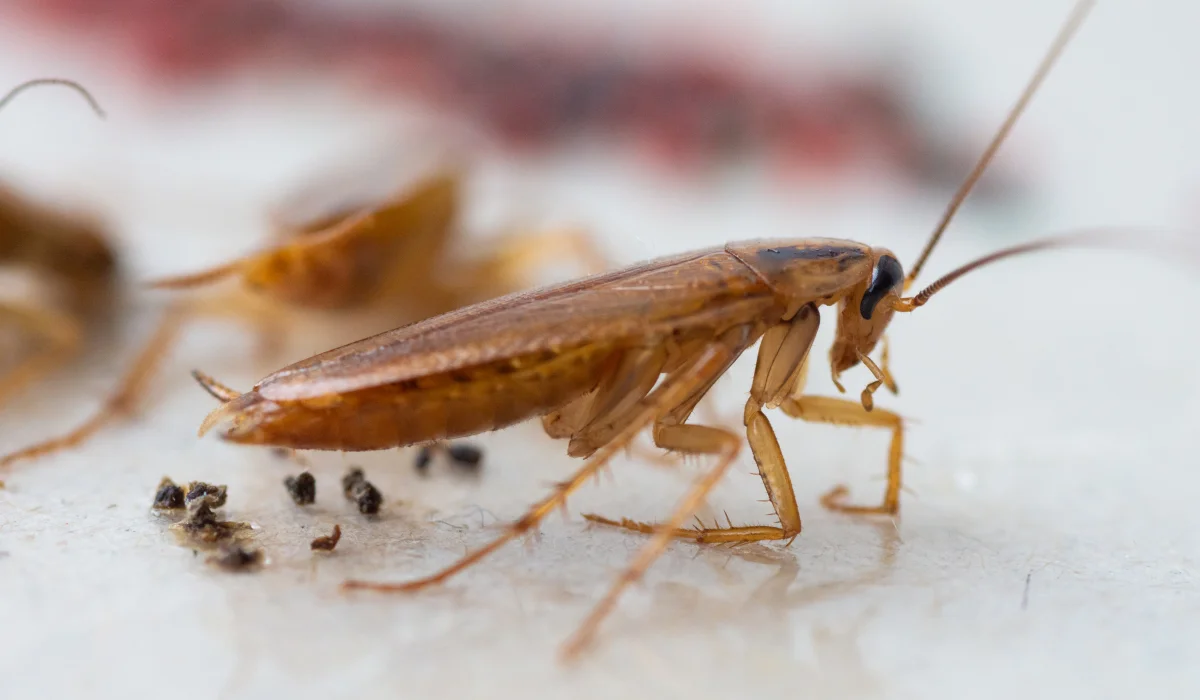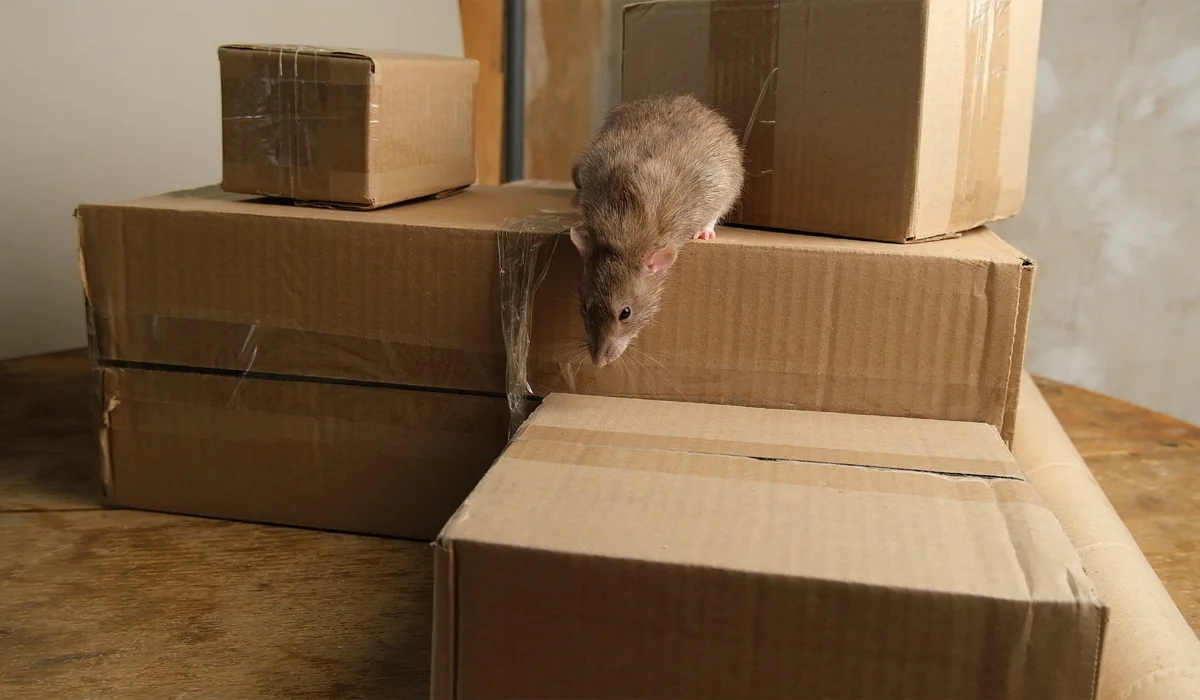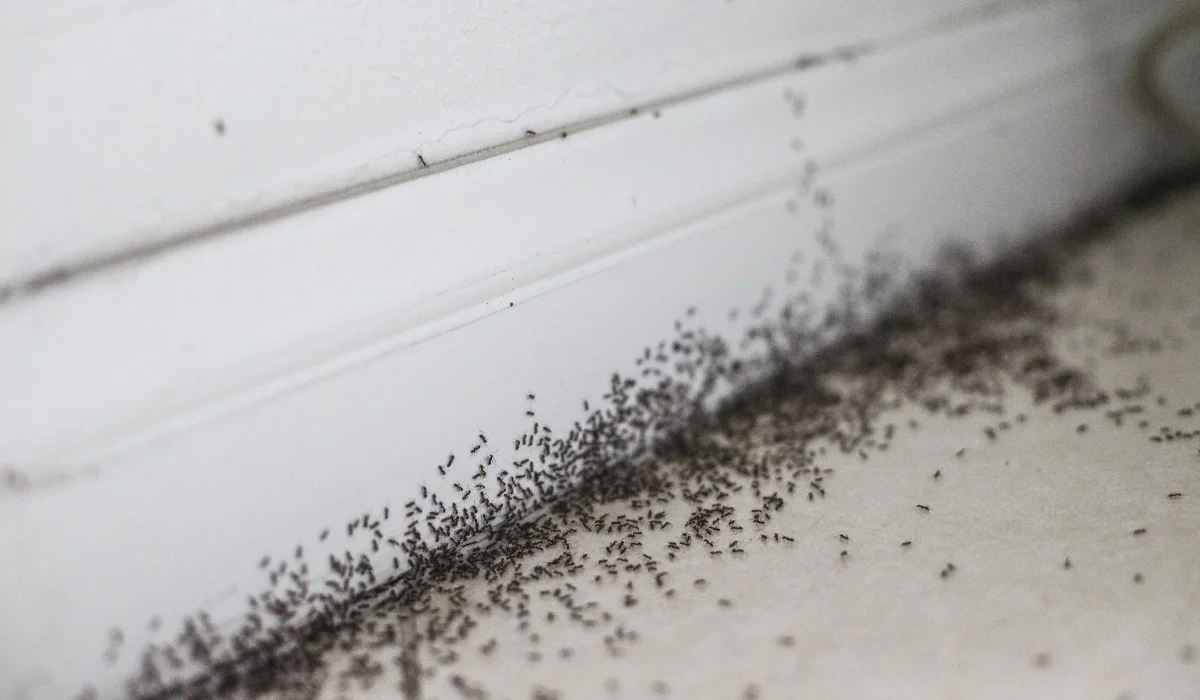




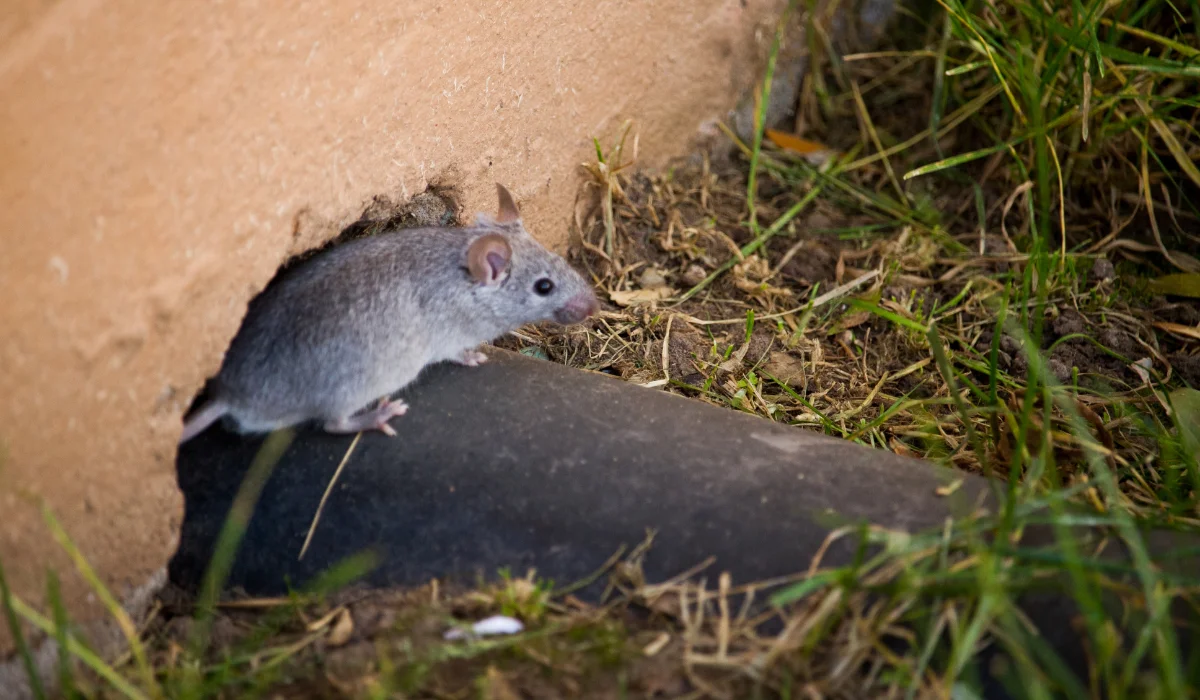
Rodents need very little space to get inside your home. In Louisiana, mice and rats seek shelter, food, and water year-round. Once they find small openings, these become entry points.
Many homeowners are surprised by how small these gaps can be. Mice entry points can be as small as a dime. Rats need only slightly larger holes to squeeze through. If not sealed, these can lead to rodent infestations. Rodents can damage insulation, chew through electrical wiring, and pose health risks.
Checking rodent entry points on the exterior of your home helps stop rodent activity early. For added protection, professional rodent control in Louisiana can help keep your home secure.
Key Takeaways
- Rodent entry points can be extremely small.
- Garage doors, crawl space vents, roof vents, and utility lines are common rodent entry points.
- Replace weather stripping and door sweeps to block easy access.
- Seal small gaps with steel wool and caulk where appropriate, depending on the material and location.
- Professional rodent exclusion and pest control help prevent serious rodent infestations.
Rodent Entry Points Checklist to Inspect
Regular inspections help you find potential entry points before rodents move in. Focus on these common areas first.
Garage Doors
Garage doors are one of the most common entry points for rodents. If the bottom rubber seal is cracked or worn, mice and rats can slip underneath. Even small gaps allow easy access.
Check the weather stripping along the bottom and sides of your garage doors. If light shows through, install new door sweeps and replace damaged weather stripping to make the area more rodent-proof.
Crawl Space and Crawl Space Vents
Your crawl space sits near soil and moisture, which attracts rodents. Damaged crawl space vents or loose vent covers let rodents enter unnoticed.
Inspect crawl space vents. Replace broken vent covers and seal small gaps with caulk. Also, check that the crawl space door closes tightly.
Roofline, Eaves, and Soffits
Rodents use fences, trees, and utility lines to reach your roofline. From there, they look for weak soffits, cracked eaves, or damaged roof vents. These are common mouse entry points.
Walk around your home and check along the roofline. Repair damaged soffits and secure roof vents to reduce access points.
Dryer Vents and HVAC Openings
Dryer vents and HVAC lines that pass through the exterior of your home can leave small openings. If not sealed, these become rodent entry points.
Make sure dryer vents have secure vent covers. Check around HVAC openings and utility lines for small holes. Seal them with steel wool, then apply caulk.
Home’s Foundation and Utility Lines
Walk along your home’s foundation and check where pipes and utility lines enter. These are common entry points because gaps form over time.
Seal cracks and small holes right away. Even small openings along the home’s foundation allow easy access.
The Most Common Missed Gaps To Check
Some entry points are easy to miss. These hidden gaps often lead to rodent activity inside walls.
Weather Stripping and Door Frames
Old weather stripping around doors wears down over time. If door sweeps do not sit tight against the floor, rodents can slip underneath.
Replace worn weatherstripping and ensure door sweeps create a tight seal. This small fix helps reduce the number of entry points for mice.
Small Openings Around Electrical Wiring
Rodents follow electrical wiring because it leads to warm spaces. Small openings around wiring are common access points.
Seal these gaps with steel wool and caulk where needed to block access and limit damage.
Crawl Space Access Panels
Crawl space access panels are often loose or warped. Even small gaps around these panels let rodents inside.
Make sure panels fit tightly and reinforce them if needed. Regular inspections of these access points reduce the risk of rodent infestations.
Gaps Near the Home’s Foundation
Weather changes can shift the home’s foundation. Over time, this creates cracks that grow.
Inspect the exterior of your home for these entry points and seal them early. Preventing access is easier than dealing with an infestation.
What to Seal Now vs Call a Pro
Some rodent entry points are easy to fix. Others require professional rodent exclusion and pest control.
Small Gaps You Can Seal
You can seal small gaps and openings yourself using caulk and steel wool, depending on the location and material. Replace worn weather stripping, install door sweeps, and secure vent covers.
Store pet food and pantry goods in airtight containers with tight-fitting lids. Removing food sources makes your home less attractive to rodents.
Structural Damage or Roof Issues
If you find damaged soffits, loose roof vents, or gaps in the roofline, contact a professional. Larger rodent entry points need more than simple patching.
An exterminator can inspect hard-to-see areas and recommend the right rodent control steps.
Signs of Active Rodent Activity
If you see droppings, hear scratching, or notice gnawing on electrical wiring, rodents may already be inside your home. Sealing holes alone will not fix the problem.
Professional pest control services can remove rodents and perform rodent exclusion to reduce future activity. We include rodent control for mice and rats as part of our Healthy Home Plan. The package includes ongoing protection and regular inspections.
Schedule a Rodent Exclusion Inspection in Louisiana
Rodent entry points may seem small, but they can lead to serious damage if ignored. At LaJaunie’s Pest Control, we provide professional rodent exclusion services across southeast Louisiana. Our technicians inspect your home, identify rodent entry points, and recommend or perform exclusion work to help prevent infestations.
If you want to rodent-proof your property before damage occurs, contact us to schedule a rodent control inspection. Our team offers same-day service and long-term pest control for homes and businesses in Louisiana.
FAQs
How small can mice’s entry points be?
Mice entry points are often as small as a dime or smaller. Rats need slightly larger holes but can still fit through tight openings.
How often should I check for rodent entry points?
Homeowners should perform regular inspections at least twice a year and after major storms.
When should I call an exterminator for rodent control?
Call an exterminator if you see droppings, hear scratching sounds, or notice damage near soffits, roof vents, or crawl space vents. Professional rodent control helps fix the problem and reduce the risk of future infestations.